Hartono Sudibyo
The landscape of Pokémon fan projects is experiencing a notable paradigm shift, moving away from complex ROM hacks and long-form fan-made role-playing games toward easily accessible browser-based minigames. Leading this trend is Pokémon Zarza, a newly emerged online hub that aggregates a diverse collection of arcade-style experiences featuring iconic creatures from the franchise’s seminal Kanto generation. Designed for quick, frictionless engagement, the platform bypasses the traditional technical barriers of emulation, allowing users to dive straight into gameplay via standard web browsers.
Background and Evolution of Pokémon Browser Games
For decades, the Pokémon ROM hacking community has dominated the unofficial digital space, pushing the technical boundaries of Game Boy and Nintendo DS hardware to create expansive, custom adventures. However, these projects often require technical proficiency, third-party emulators, and substantial time investments. In contrast, the resurgence of browser-based gaming captures a different segment of digital nostalgia, reminiscent of early-2000s flash portals where users could pass the time with lightweight, unpretentious titles.
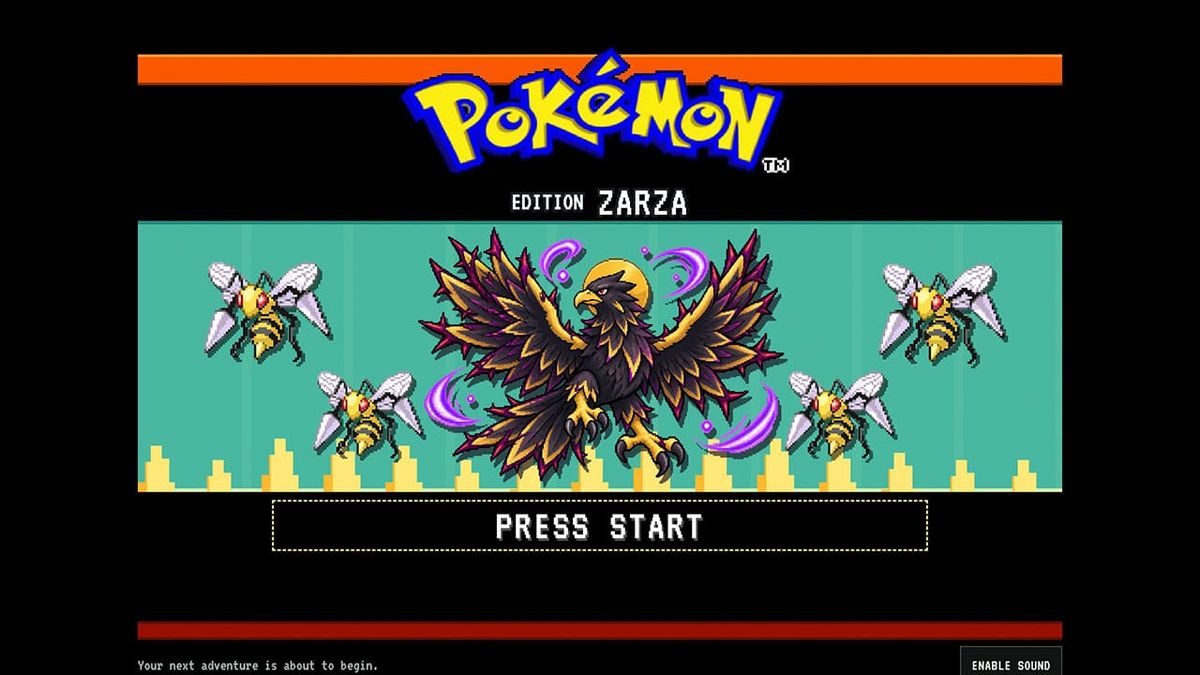
Pokémon Zarza capitalizes on this lightweight gaming ethos by offering a centralized portal for various micro-games. Rather than demanding hours of progression, the platform focuses on instant gratification, appealing to casual players and office workers seeking brief distractions during coffee breaks or downtime.
Overview of Available Minigames and Mechanics
The platform features several distinct titles modeled after classic arcade and puzzle franchises, integrated with familiar Pokémon aesthetics.
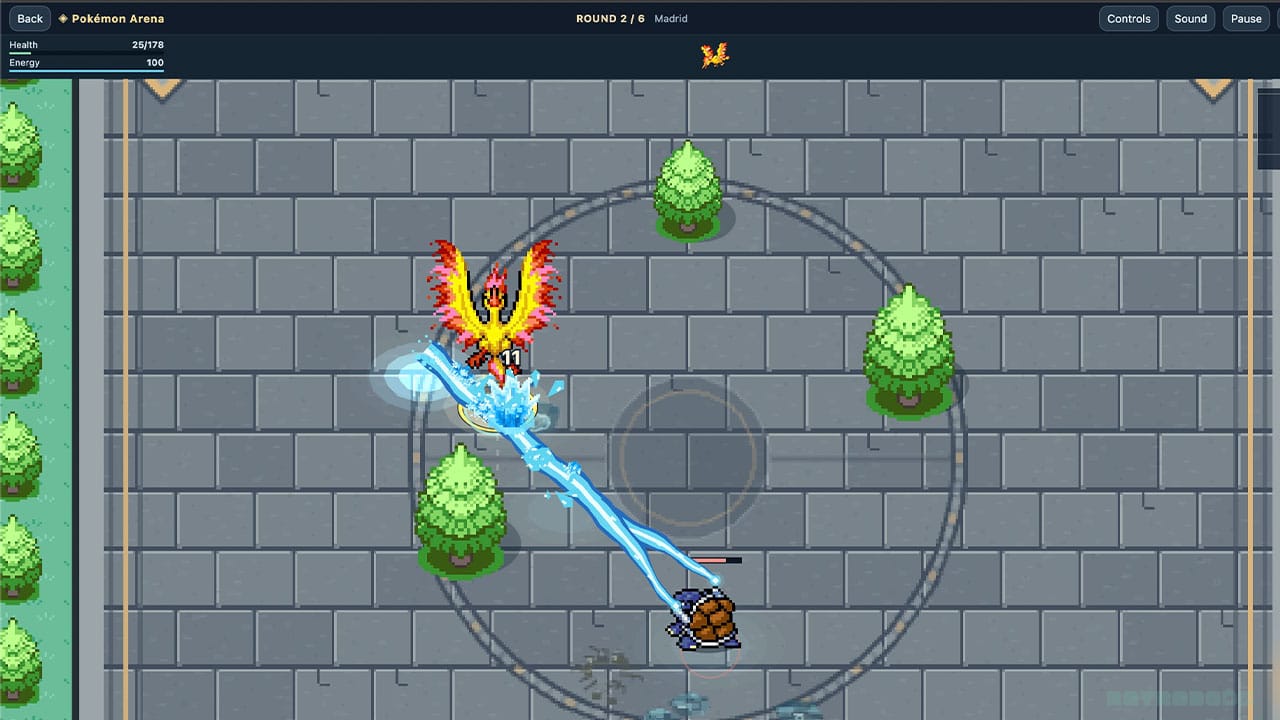
The centerpiece of the collection is the Battle Arena, a real-time, one-on-one combat simulator. Players can select classic Kanto-era Pokémon to engage opponents in swift skirmishes. Controls are mapped directly to standard computer keyboards, utilizing the A, S, D, and F keys to execute specific attacks, while the spacebar allows players to execute evasive maneuvers. This introduces an action-oriented dynamic that diverges significantly from the traditional turn-based combat system characteristic of official Pokémon releases.

Beyond the arena, Pokémon Zarza branches into unexpected genre crossovers. One standout title mirrors the physics-based mechanics of Angry Birds, substituting avian projectiles with familiar figures like Pikachu, Pidgey, and Charmander to eliminate antagonistic Gastly characters. Another minigame adopts a classic side-scrolling platformer format reminiscent of early Super Mario titles, where players navigate a human trainer through environments, collecting currency while evading roaming wild Pokémon.
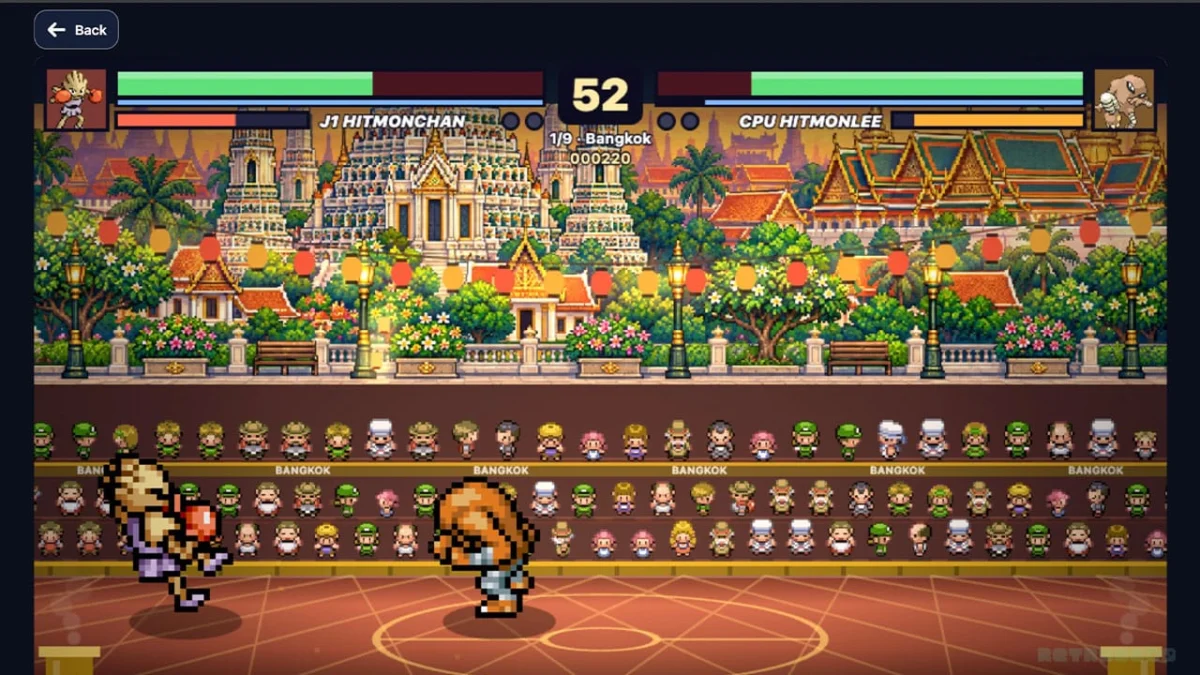
Additionally, the platform features a fighting game variant inspired by classic arcade titles such as Street Fighter. This mode specifically highlights physical-type combatants like Hitmonchan and Hitmonlee, emphasizing combo mechanics and close-quarters combat.
Accessibility and Localization Features
To accommodate a global user base, Pokémon Zarza has implemented multilingual support. At launch, the website and its constituent minigames are fully accessible in English, Spanish, Thai, and Chinese.
Furthermore, the platform incorporates a social element by enabling multiplayer sessions. Users can generate private digital rooms, allowing friends to bypass single-player limitations and experience the mini-games together in a shared virtual environment, regardless of physical location.
Technological Speculation and Development Transparency
Despite the platform’s growing popularity within online gaming communities, details regarding its development team remain largely opaque. Official statements or developer logs on the website are sparse, leaving the exact origins of the project shrouded in mystery.
Industry observers have noted stylistic and structural similarities in some web-based projects of this scale, leading to speculation within tech communities regarding the potential utilization of modern artificial intelligence tools in the rapid generation of these browser games. While definitive confirmation of AI-assisted development is currently unavailable due to the anonymous nature of the platform’s creators, the rapid deployment of multiple distinct game engines under a single unified portal reflects broader modern trends in independent web development.
Industry Implications and the Future of Unofficial Content
The rise of platforms like Pokémon Zarza highlights a broader evolution in how copyright-adjacent fan content is distributed and consumed online. As browser technologies advance, developers are increasingly capable of delivering responsive, high-framerate gaming experiences directly through standard web standards without requiring local installations or specialized hardware.
For the broader gaming ecosystem, these micro-hubs represent a low-risk alternative to traditional software modification. While Nintendo maintains a notoriously strict intellectual property enforcement policy regarding unauthorized fan projects and commercial exploitation of the Pokémon franchise, free-to-play browser aggregators often operate within a decentralized grey area of the internet, frequently shifting domains or remaining lightweight enough to evade immediate corporate intervention.
As user engagement continues to shift toward bite-sized, accessible entertainment, platforms that prioritize frictionless access over deep narrative immersion may well define the next phase of community-driven digital content. Whether Pokémon Zarza will expand its library with additional generations beyond the original Kanto roster or face regulatory challenges from copyright holders remains to be seen. For now, the platform stands as a notable digital curiosity, bridging the gap between retro aesthetic appreciation and modern browser-based convenience.