Retno Hari Mulyono

Enthusiasts participating in high-performance driving events (HPDE), track days, and autocross competitions frequently encounter a logistical limitation inherent to modern performance driving: the incompatibility of dedicated competition rubber with street transit. High-grip 200 treadwear (200TW) tires and R-compound tires deliver exceptional performance under track conditions, characterized by high friction coefficients and stiff sidewalls. However, these specialized tires exhibit accelerated wear rates when subjected to abrasive public roadways and are fundamentally vulnerable to premature degradation measured in operating hours and thermal cycles.
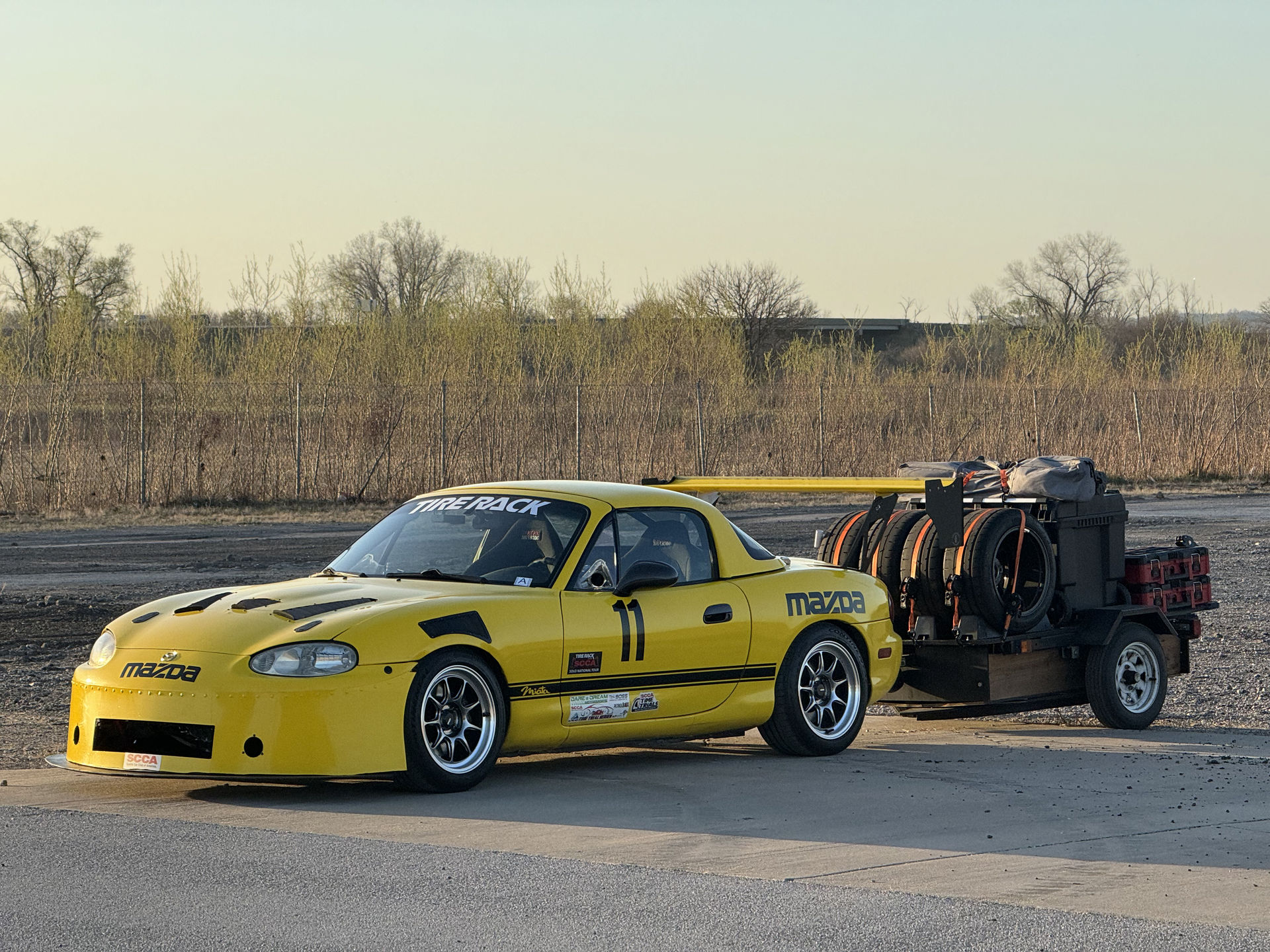
While operators of larger sedans, hatchbacks, and crossover vehicles can often stow a secondary set of wheels and tires within the cabin or rear cargo area, drivers of compact sports cars—most notably the Mazda MX-5 Miata—face strict spatial constraints. With limited trunk capacity and a two-seat cockpit, transporting a full set of track wheels, tools, fuel, and track-side gear presents a significant engineering challenge. To circumvent this limitation without upgrading to a heavy-duty tow rig and a traditional enclosed or flatbed trailer, a growing segment of the motorsports community has adopted the micro-utility tire trailer. This solution preserves the driving dynamics of lightweight sports cars while expanding cargo capacity exponentially.
Operational Risks of Street-Driven Track Tires
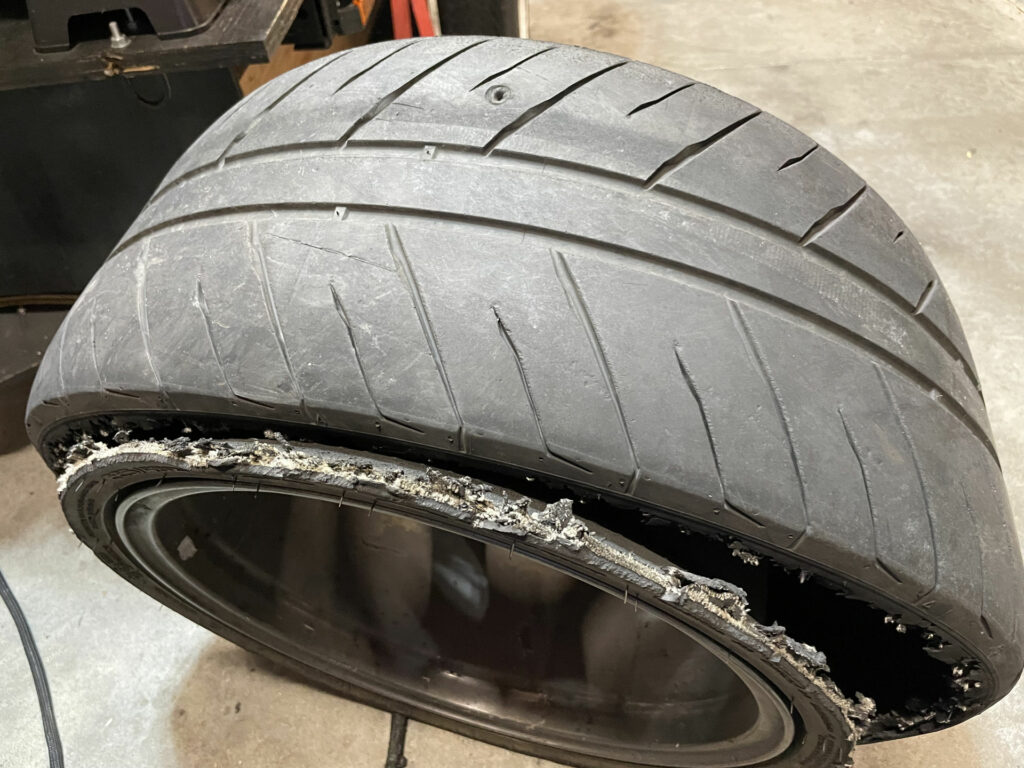
The utilization of track-oriented tires on public highways introduces several operational hazards and economic disadvantages. Track tires are specifically engineered to operate within elevated temperature windows. Consequently, when driven on cold public streets, particularly in ambient temperatures below 50 degrees Fahrenheit, their compound stiffness results in severely compromised grip. Furthermore, tread patterns on track tires are frequently optimized for dry pavement or minimal water evacuation to maximize contact patch area. Encountering heavy rain on worn or heat-cycled competition tires drastically increases hydroplaning risks.
From an economic perspective, subjecting expensive 200TW or competition-only tires to abrasive asphalt commutes accelerates tread depletion and accumulates unnecessary heat cycles before the tire ever reaches a circuit. Given that a quality set of track tires easily exceeds $1,000, compounding highway mileage onto these assets reduces their competitive lifespan. Additionally, picking up road debris, such as nails or glass, on the highway can result in catastrophic tire failure away from home, leaving the motorist stranded without a functional spare.

Anatomy and Evolution of a Custom Tire Trailer
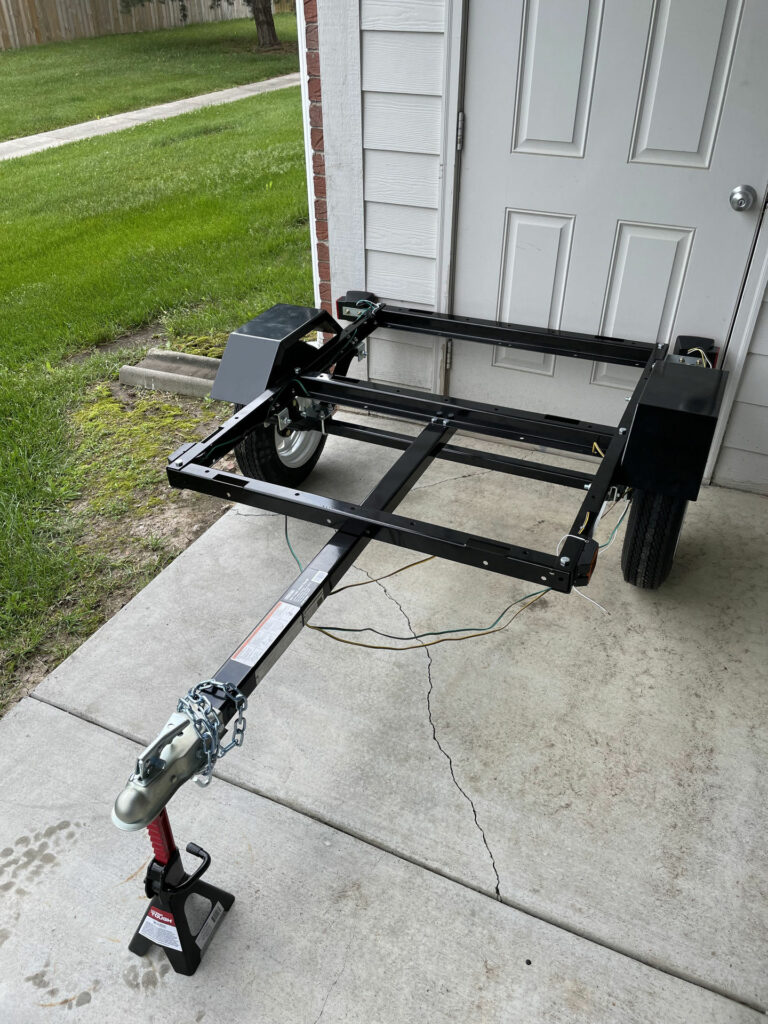
To address these transport limitations, enthusiasts typically construct or purchase lightweight utility trailers specifically configured for motorsports equipment. A standard build begins with a basic utility frame, such as the 40-inch by 48-inch steel frame manufactured by Northern Tool or Harbor Freight. These kits require complete assembly, allowing the builder to tailor the deck dimensions and structural reinforcements to their exact specifications.
Chronology of a Two-Year Development Cycle
The implementation of a custom tire trailer follows a distinct evolutionary path, transitioning from a basic utilitarian platform to an optimized, multi-season touring rig.
Phase I: Initial Design and Basic Setup
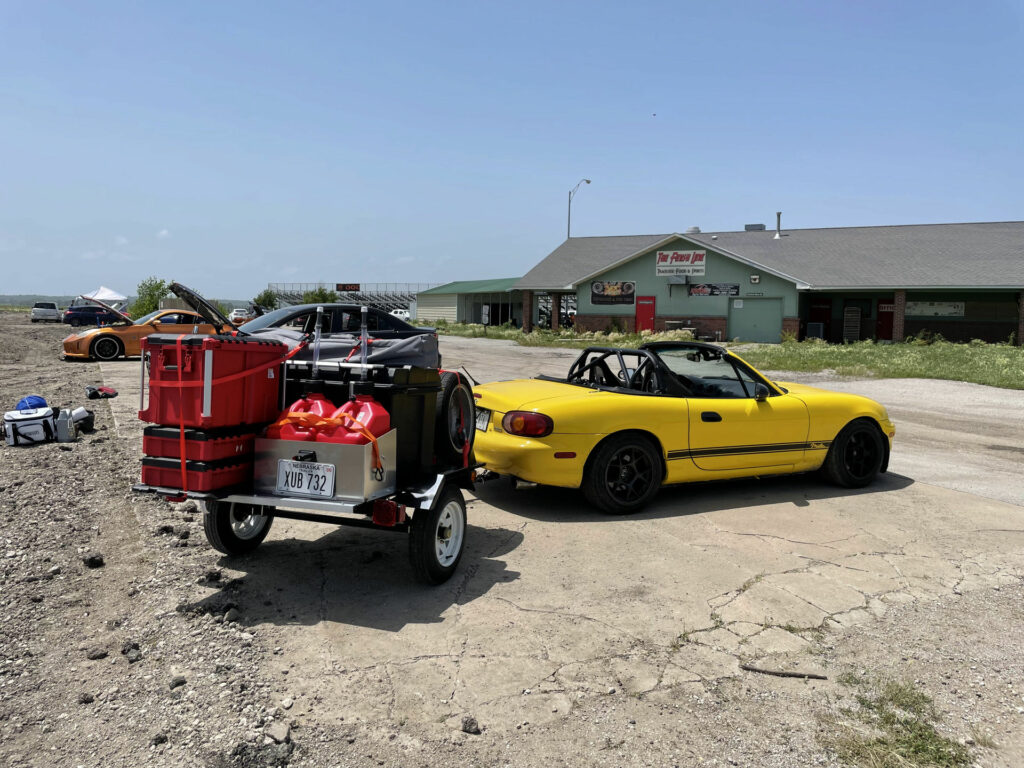
The initial build typically prioritizes core structural integrity and essential cargo capacity. A foundational deck constructed from three-quarter-inch exterior-grade plywood—such as Sande plywood treated with weather-resistant paint—is bolted to the steel frame using recessed carriage bolts, lock washers, and nylon-insert lock nuts. To maximize stability, the deck is often dimensioned to overhang the frame slightly, resulting in a surface area of approximately 62 inches by 40 inches.
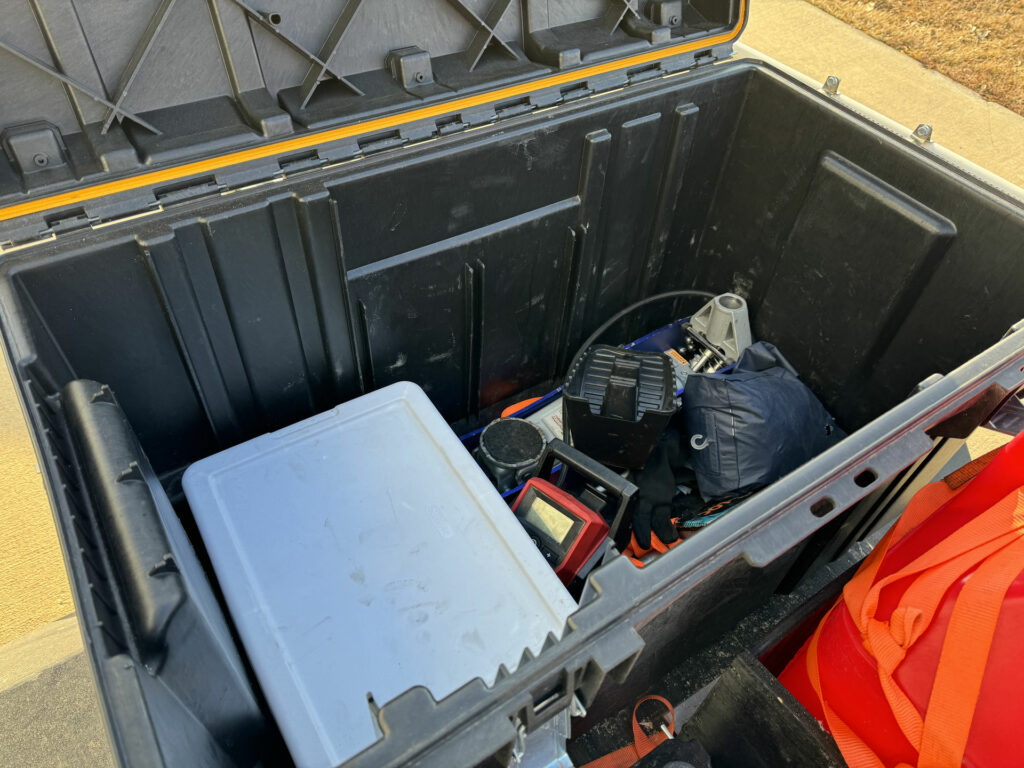
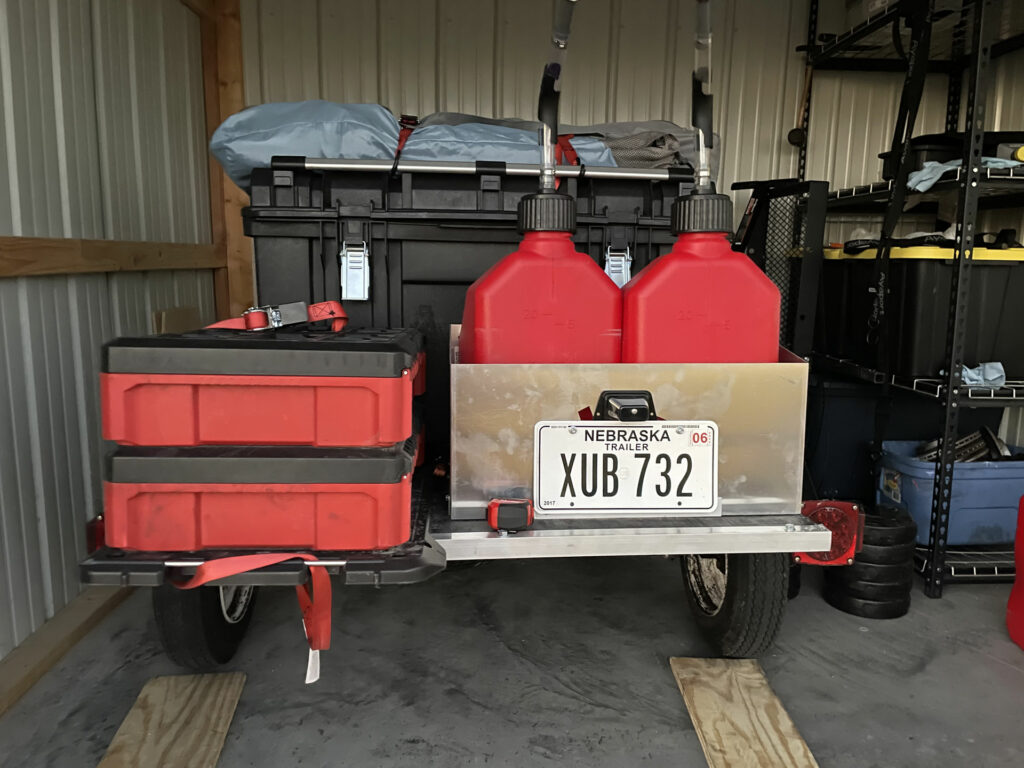
At the center of the trailer, positioned directly above the single axle to ensure optimal tongue weight, engineers mount a weathertight heavy-duty toolbox, such as the Dewalt DWST38000. This central enclosure serves as a secure, weather-resistant repository for critical track-side equipment, including torque wrenches, low-profile hydraulic jacks, tire pressure gauges, OBD-II diagnostic scanners, extra brake pads, and spare hardware. External rails integrated into the toolbox lid provide tie-down points for long items such as folding canopies, camp chairs, and collapsible tables.
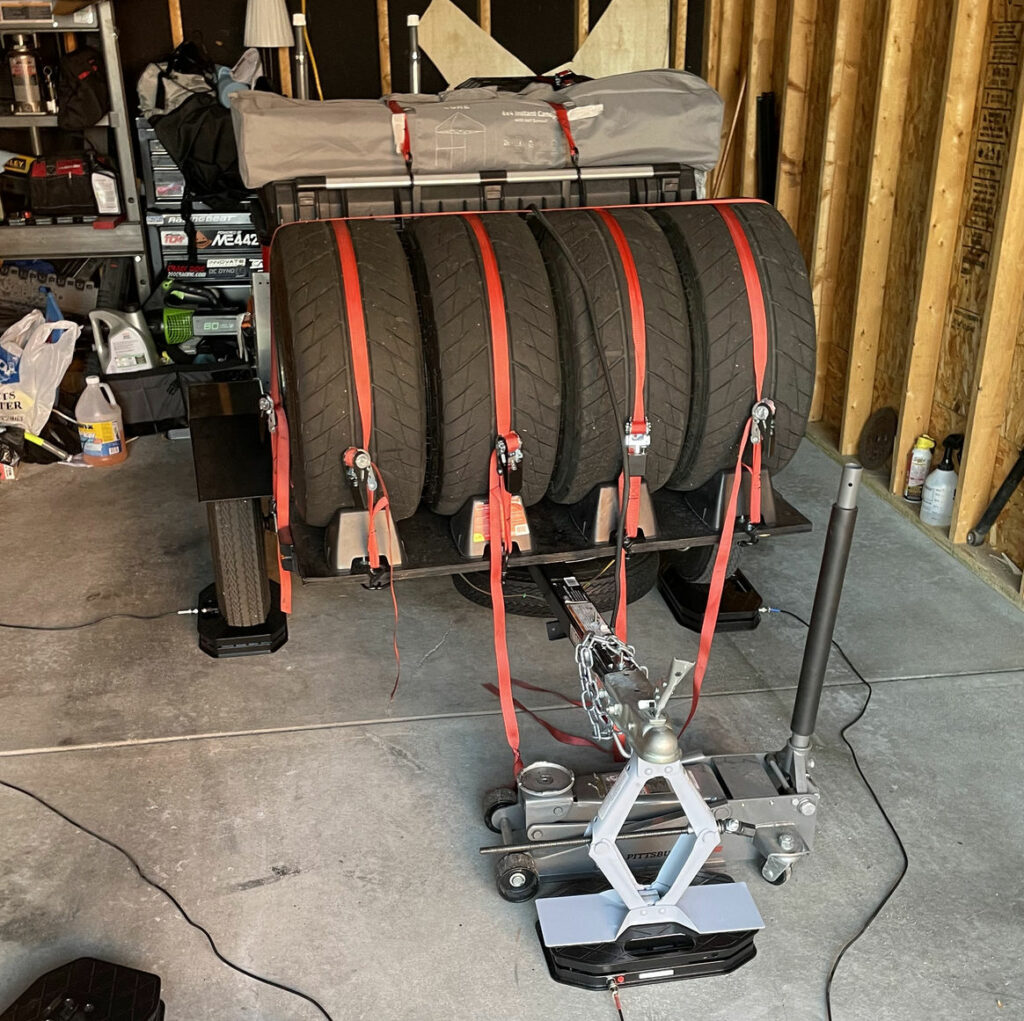
Tire mounting brackets positioned forward of the axle secure a secondary set of wheels and tires. To prevent cargo detachment during high-speed highway transit, dual-redundancy or triple-redundancy retention systems are implemented, combining rigid locking posts, security cables, and heavy-duty ratchet straps. At the rear of the platform, dedicated mounting brackets secure two five-gallon utility fuel jugs, ensuring an adequate supply of high-octane fuel or alternative racing blends for the weekend.
Phase II: Structural Upgrades and Advanced Storage
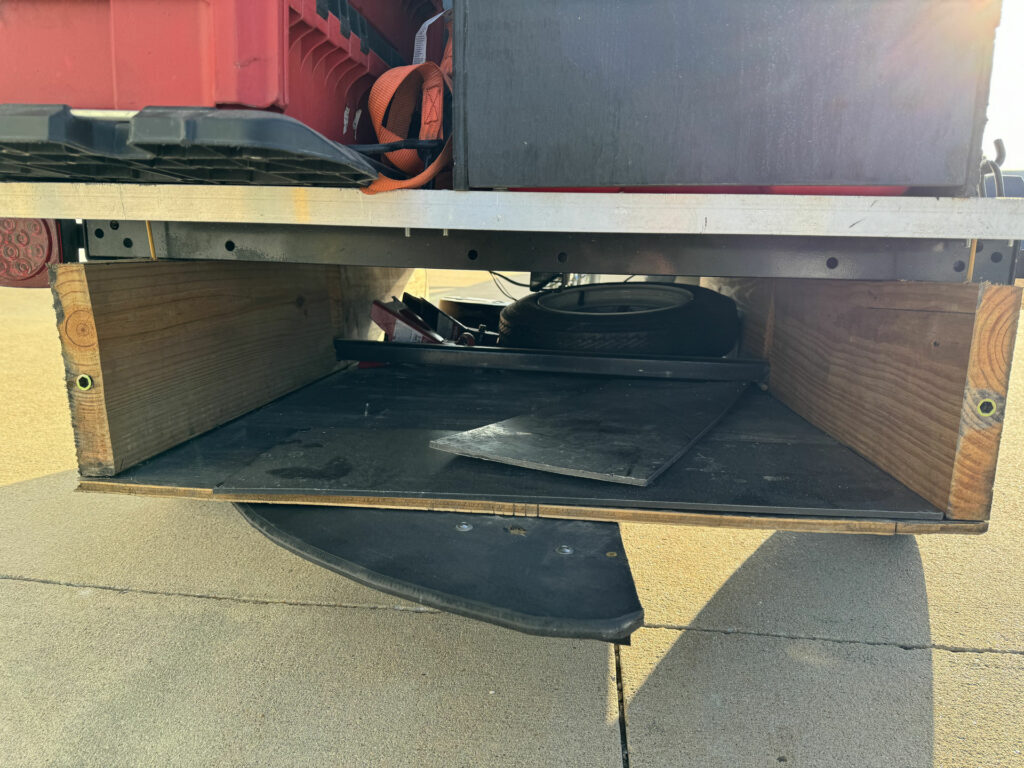
Following extensive real-world testing over thousands of highway miles and multiple regional race tracks, operators frequently identify areas for capacity enhancement. A common second-phase modification involves the fabrication of a lower drop-deck chassis extension. By implementing structural wood members, such as two-by-ten boards positioned just beneath the axle line, alongside a secondary half-inch plywood floor reinforced with transverse steel bars, builders create a lower storage tier.
This lower compartment accommodates bulky, low-center-of-gravity items such as trailer spare tires, adjustable canopy weights, heavy aluminum jack stands, and specialized aerodynamic components like spare front splitters. Furthermore, fuel storage capacities can be expanded by integrating larger fluid transport systems, such as a 15-gallon container paired with a hand-crank fluid transfer pump. This arrangement enables drivers to transport sufficient fuel reserves to support high-consumption track sessions without requiring frequent trips to local gas stations.
Engineering Considerations: Suspension, Tires, and Thermal Management
A critical engineering challenge associated with micro-utility trailers involves high-speed wheel bearing and tire durability. Base-model utility trailers are frequently supplied with lightweight bias-ply tires designed for low-speed agricultural or local utility transport. When subjected to continuous sustained velocities of 70 to 75 miles per hour on interstate highways, bias-ply tires generate excessive internal friction, leading to elevated tire temperatures, accelerated tread wear, and potential bearing failure.
To mitigate these risks, builders upgrade the wheel and tire assemblies to radial alternatives, such as 145R12 radial trailer tires. Radial construction offers superior high-speed stability, reduced rolling resistance, lower operating temperatures, and extended tread life. Consequently, trailer stability improves significantly, minimizing sway during emergency maneuvers or crosswinds caused by semi-truck passing.

Economic and Practical Implications for Track Enthusiasts
The adoption of a tire trailer provides a balanced compromise between driving a dedicated track-day car directly to events and investing in a full-scale truck and enclosed trailer combination. Transporting a dedicated set of track tires, fuel, tools, and personal luggage behind a compact sports car eliminates the need for expensive tow vehicle acquisitions, heavy commercial trailer registration fees, and specialized storage space.
However, practical considerations remain. While a tire trailer allows drivers to enjoy the raw, uninhibited driving experience of a lightweight sports car on the journey to the circuit, towing alters vehicle braking distances, acceleration curves, and fuel economy. Furthermore, aerodynamic drag increases marginally, and drivers must exercise heightened spatial awareness when reversing or navigating tight parking environments.
As motorsports participants continue to seek cost-effective, versatile logistical solutions, the custom tire trailer remains a staple of grassroots racing culture. By combining lightweight structural materials, thoughtful cargo organization, and upgraded running gear, enthusiasts can successfully bridge the gap between street-legal comfort and track-day capability.