Retno Hari Mulyono
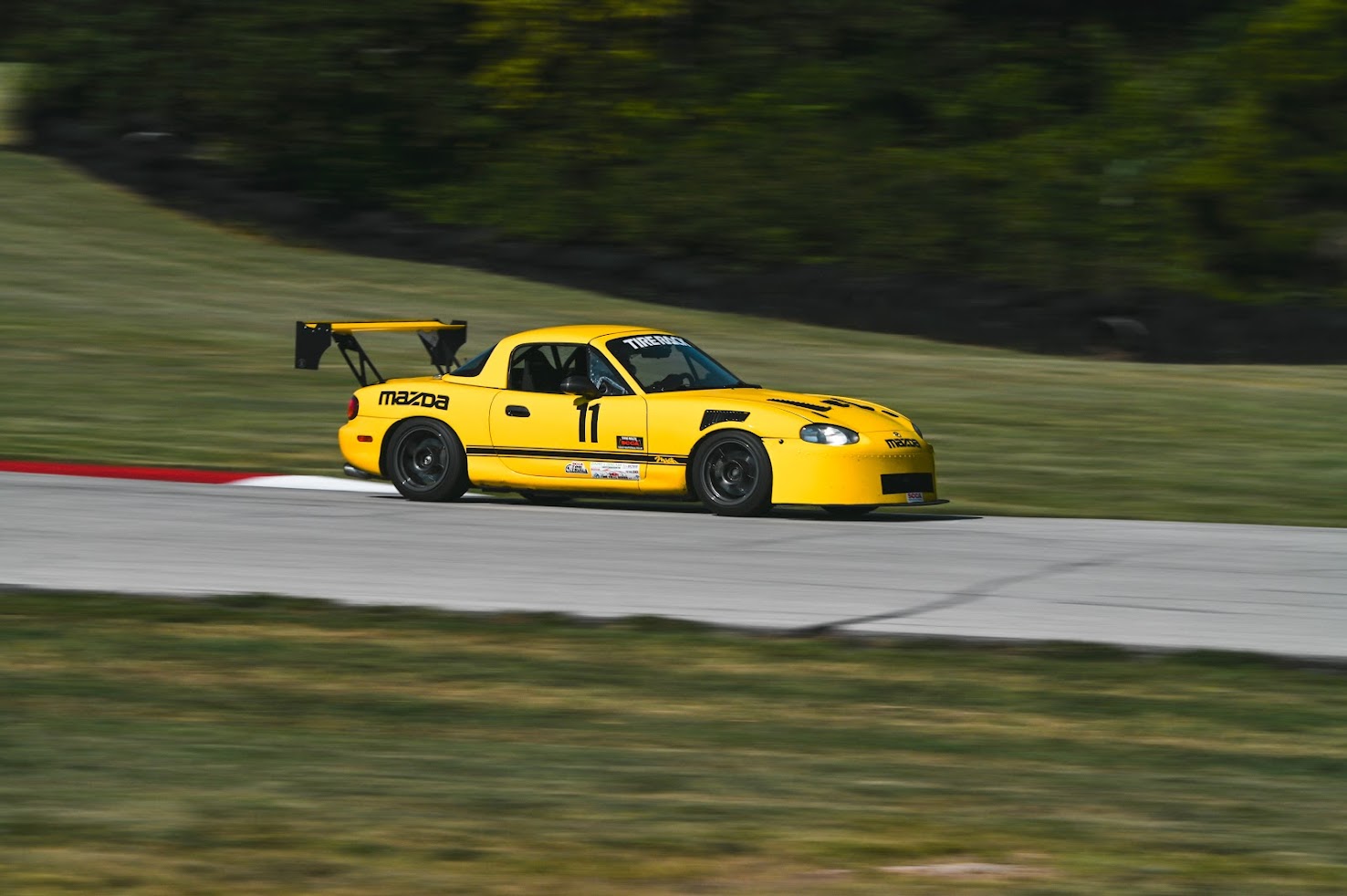
The ownership lifecycle of a dedicated track and autocross automobile requires a delicate balance of mechanical preparation, logistical adaptation, and persistent driver development. Over a three-year period culminating in early 2024, the owner of a Mazda NB Miata—featuring the factory-original BP4W engine—documented an intensive schedule of competitive driving across the American Midwest. The 2023–2024 operational window, running from March 2023 through February 2024, represented a transitional phase for the vehicle, shifting from experimental modifications to refinement, weight reduction, and reliability enhancements.
Throughout this twelve-month timeframe, the vehicle participated in 15 track days and 15 autocross events, marking a notable increase in seat time compared to previous years. Operating across five different racing circuits in five states—including visits to new venues such as Ozarks International Raceway and Hallett Motor Racing Circuit—the car functioned as both a rolling laboratory for aerodynamic and suspension setups and a competitive entry in SCCA Time Trials and regional autocross competitions.
Logistical Adaptations: The Tire Trailer and Pit Infrastructure
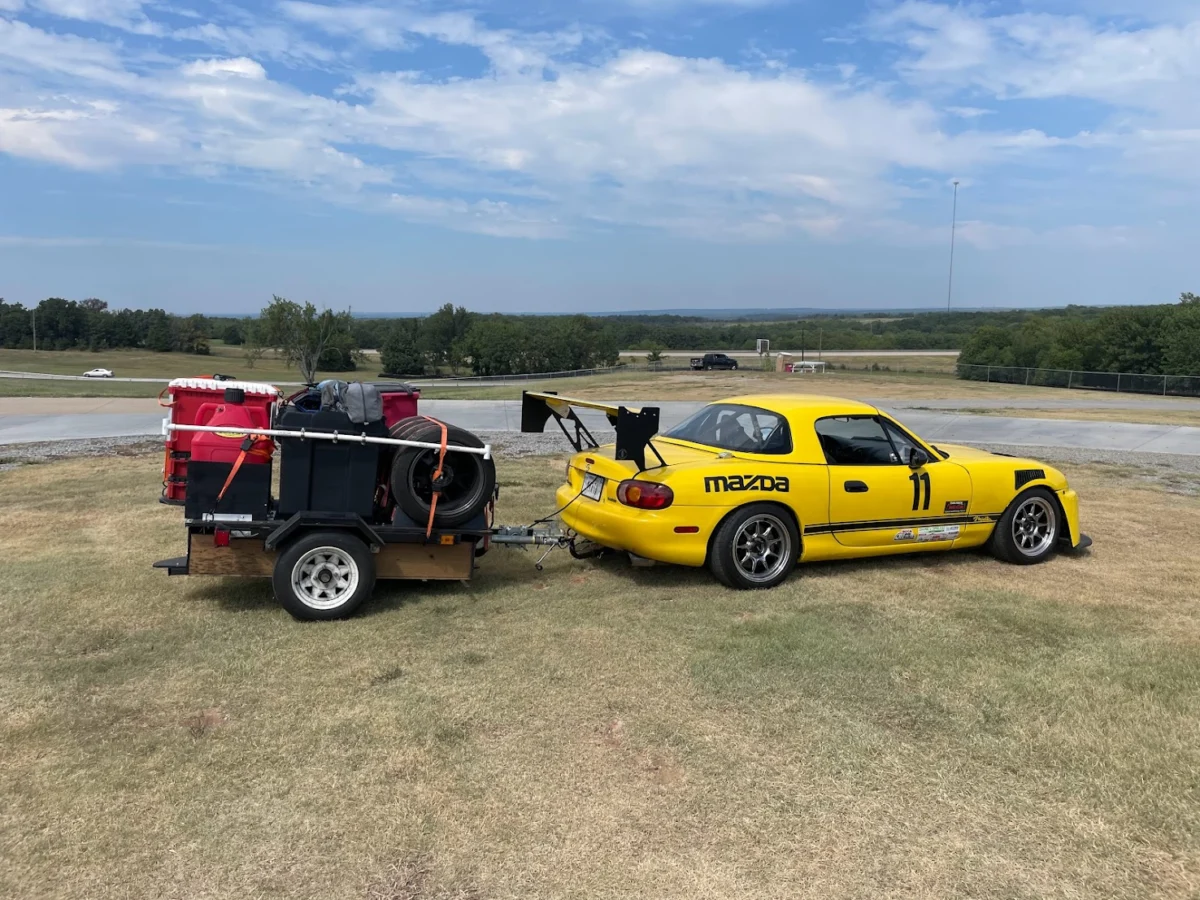
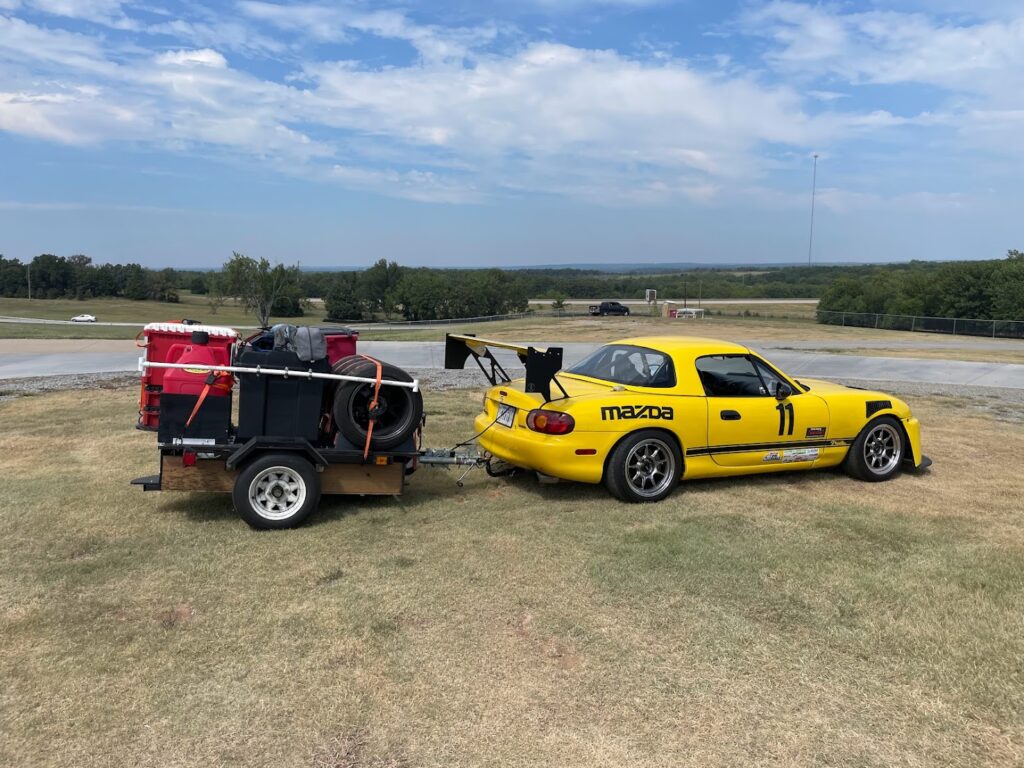
Competitive motorsport participation without a dedicated tow vehicle introduces significant logistical constraints. To transport necessary supplies, tools, and a second set of wheels and tires to events, the owner continued utilizing a custom-built tire trailer, implementing major structural and functional upgrades in March 2023.
The primary structural modification involved fabricating and installing a lowered deck that positioned the storage floor just beneath the trailer axle, significantly lowering the center of gravity and expanding usable volume. Operational efficiency was further improved by replacing dual five-gallon fuel jugs with a single, high-capacity 15-gallon fuel container. Additionally, the fabrication of a dedicated under-trailer mounting system for spare front splitters and the integration of a specialized cylindrical tube for wing gurney flaps resolved persistent storage challenges associated with aerodynamic development parts. These trailer modifications addressed the perennial paddock challenge of pit space management in sports car racing, where space within the towing vehicle or cockpit is severely restricted.
Aerodynamic Evolution and Track Incidents
The integration of a Nine Lives Racing medium downforce kit ahead of the 2023 season introduced a significant aerodynamic advantage, though it immediately exposed the vehicle to new mechanical stresses. Aerodynamic downforce, while increasing cornering grip, demands rigorous structural integrity from mounting points and body panels.
During the first timed session of the season’s opening track day, an over-enthusiastic entry into a high-speed corner resulted in an off-track excursion. The incident caused structural damage to the front splitter, bent the splitter mounting brackets, and deformed the radiator support structure. Industry analysts note that amateur time trials competitors frequently encounter such boundaries when adapting to newly installed aerodynamic packages, as the threshold for grip shifts upward.
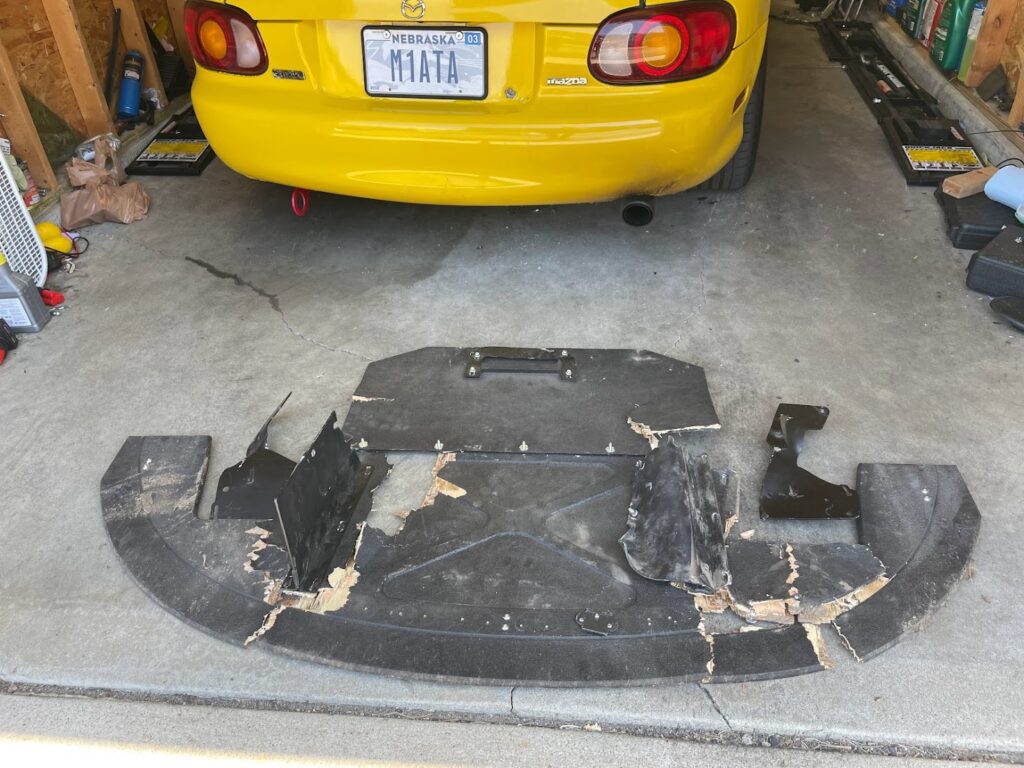
The event underscored the value of modular motorsport preparation. Utilizing a stock front end for a Saturday autocross event and rapidly fabricating a replacement splitter from quarter-inch plywood for Sunday competition demonstrated the necessity of field-serviceable parts. Subsequent iterations saw the splitter upgraded to a more robust half-inch plywood configuration supported by reinforced side struts, capable of withstanding the frequent scraping inherent to low-slung track cars operating on uneven paddock surfaces and aggressive curbing.
Circuit Chronology: Expanding Horizons and Facility Challenges
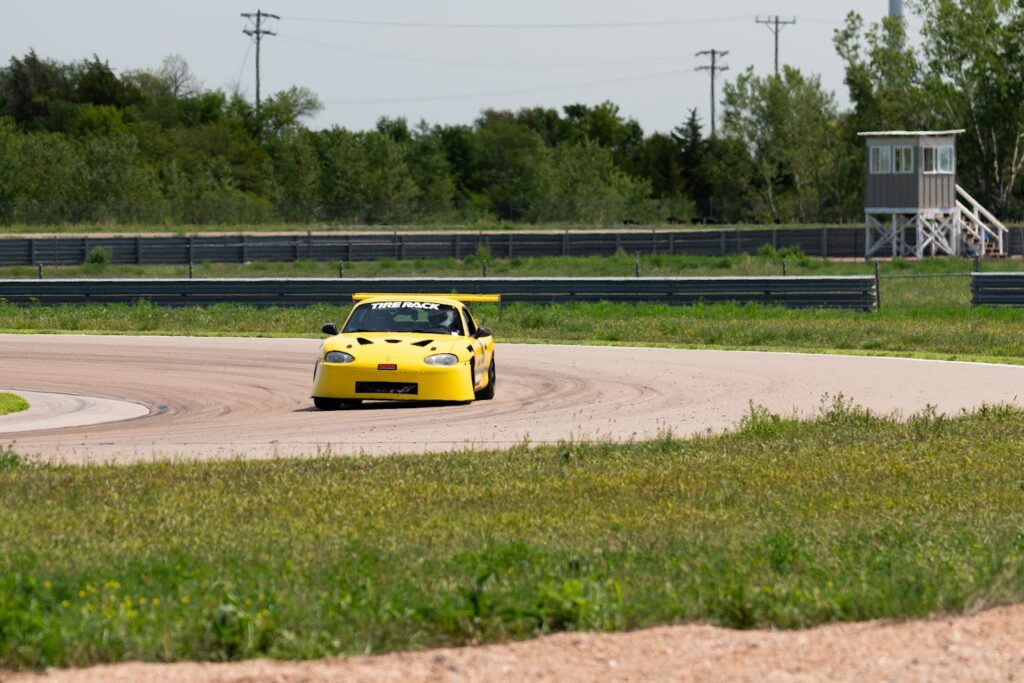
The 2023 driving calendar encompassed a diverse mix of permanent road courses and temporary autocross courses. In May 2023, the vehicle competed in an SCCA Time Trials event at Heartland Motorsports Park in Topeka, Kansas. Running on 225/45R15 Falken RT660 tires mounted on 15×9-inch wheels—an upgrade from the Hankook RS4 compound utilized the previous year—the driver continued dialing in vehicle dynamics.
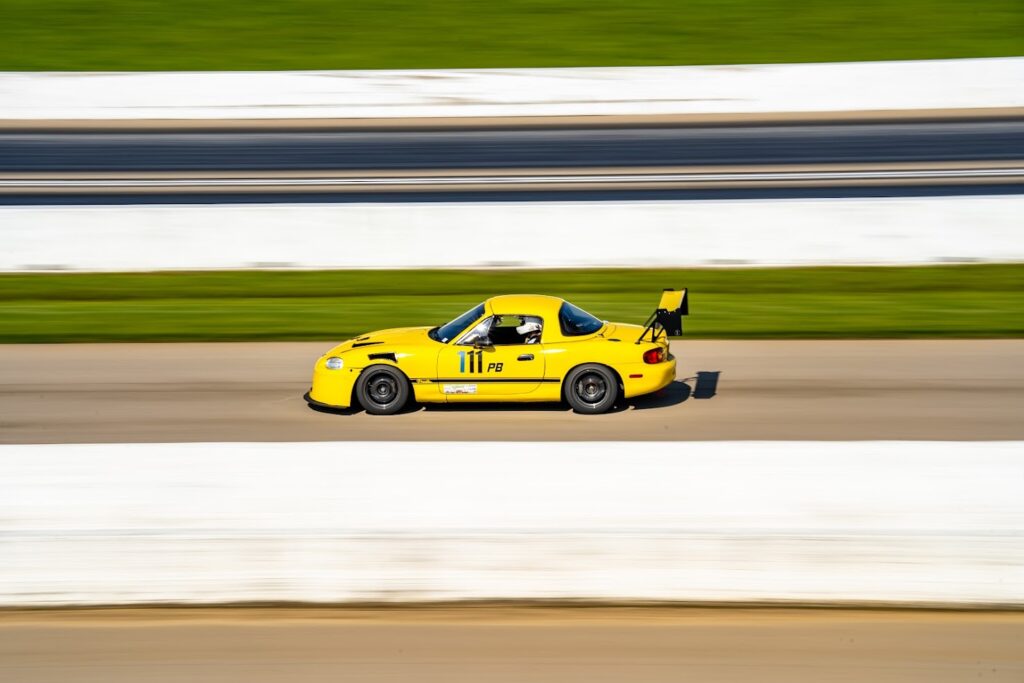
However, the event carried historical significance as one of the final competitive weekends hosted at Heartland Motorsports Park. At the conclusion of the 2023 season, the facility ceased operations following protracted legal and financial disputes involving property tax obligations. Subsequent auctions liquidated the venue’s physical assets. The closure of Heartland Motorsports Park highlighted the vulnerability of motorsports infrastructure across North America, where regional circuits face continuous pressure from commercial development and economic headwinds, directly impacting grassroots competitors who rely on local facilities for driver education and testing.
In July 2023, the vehicle traveled to Ozarks International Raceway in Gravois Mills, Missouri. Characterized by severe elevation changes and tight runoff areas with safety barriers positioned close to the racing surface, the circuit presented a stark contrast to traditional Midwestern tracks. Prior to the event, the vehicle experienced clutch slippage during transit to an autocross event. Due to tight scheduling constraints preventing the sourcing of a high-performance clutch kit, a standard off-the-shelf organic clutch was installed as an interim measure. Despite the conservative clutch specification, the vehicle completed the weekend successfully, with the driver systematically lowering lap times across successive sessions while prioritizing car preservation over absolute pace.
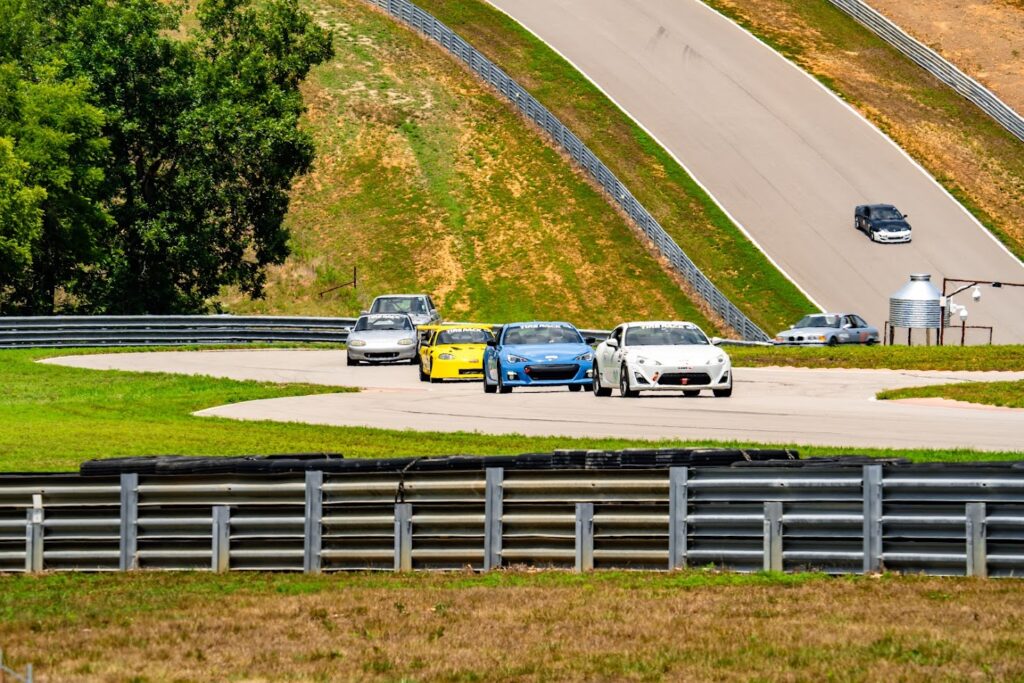
Subsequent events included multiple appearances at Motorsports Park Hastings in Nebraska, where the vehicle achieved a personal-best lap time of 1:42.78. Benchmarked against NASA Spec Miata and Time Trials records at the venue—which sit in the 1:34 to 1:40 range depending on the class—data analysis suggested substantial potential for improvement, particularly through high-speed sections like Turn 3. September brought a visit to Hallett Motor Racing Circuit in Jennings, Oklahoma, for the annual "Miatas at Hallett" event. The circuit’s balanced layout, featuring moderate elevation changes and forgiving runoffs, provided an optimal environment for performance evaluation.
Driver Comfort and Endurance Ergonomics
As competitive stints lengthened, driver fatigue emerged as a critical limiting factor in performance consistency. To mitigate heat exhaustion—particularly during high ambient temperature events where safety regulations mandate full-coverage driving suits and fire-resistant underwear—the owner integrated a Cool Shirt system prior to the autumn schedule.
Utilizing a trunk-mounted cooler routed to a specialized liquid-cooled vest, the system circulates ice water to regulate core body temperature. Initially secured via temporary passenger-seat strap methods, the system was permanently engineered in February 2024 through the fabrication of a custom, lightweight aluminum angle bracket bolted directly to the trunk floor. This modification preserved passenger capacity while ensuring secure, track-legal containment of the fluid reservoir, aligning with professional racing preparation standards.
Engine Development and Powertrain Strategy
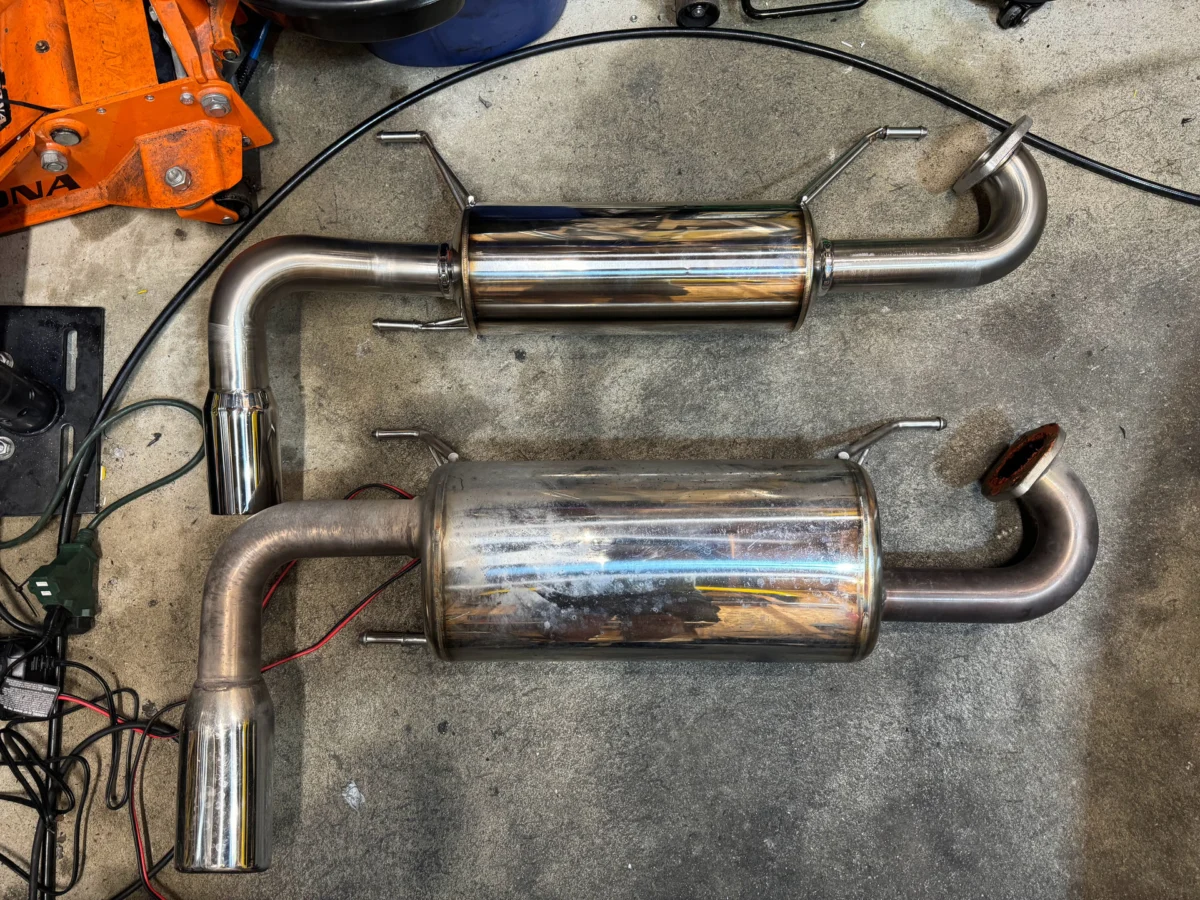
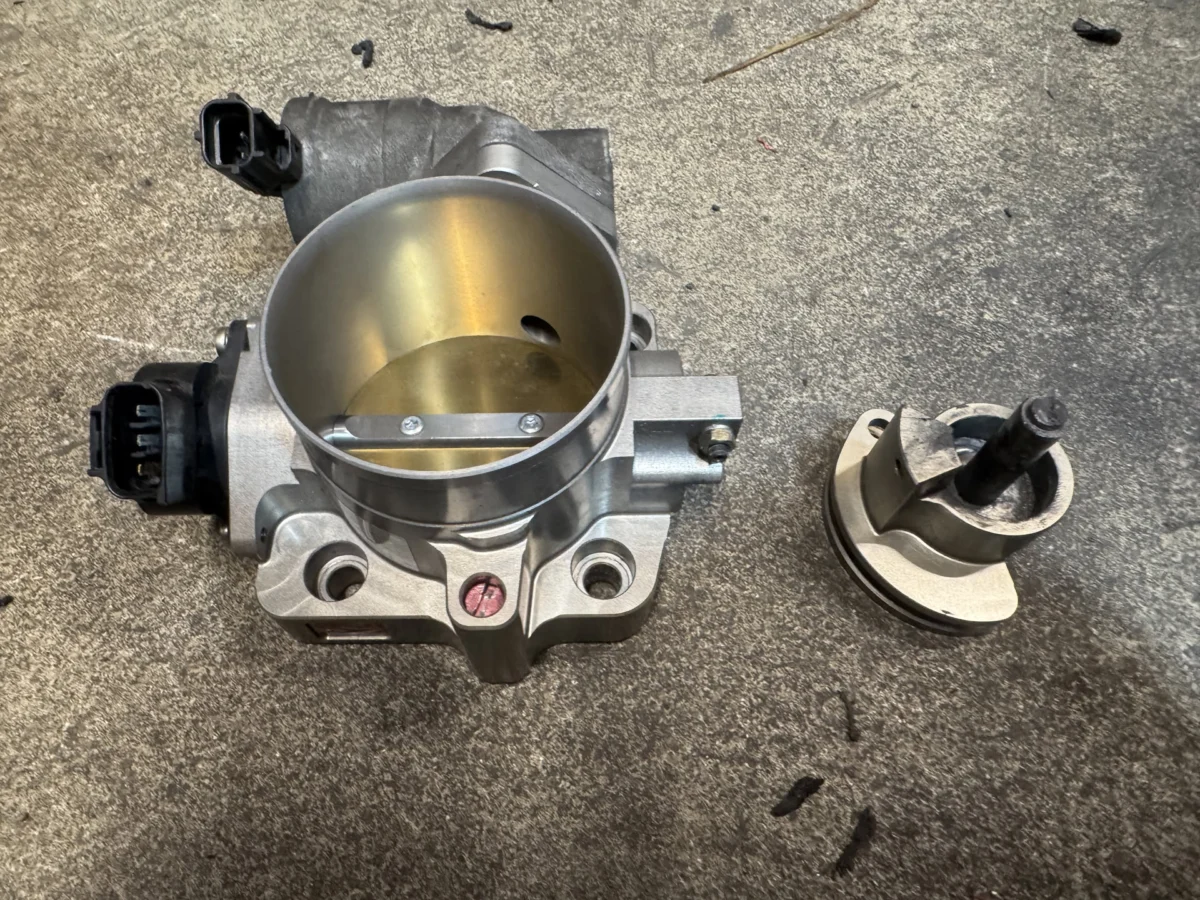
Beneath the exterior sheet metal, the Mazda NB Miata continues to rely on its factory-original BP4W internal-combustion engine. While the block and rotating assembly remain unopened, reliability and volumetric efficiency have been optimized through targeted ancillary modifications, including fresh seals, a Boundary Engineering oil pump, a coolant flow reroute kit, upgraded valve springs, and an "Exhintake" camshaft configuration. However, normal wear associated with high-rpm track use has resulted in noticeable oil consumption at redline and exhaust smoke under warm engine braking.
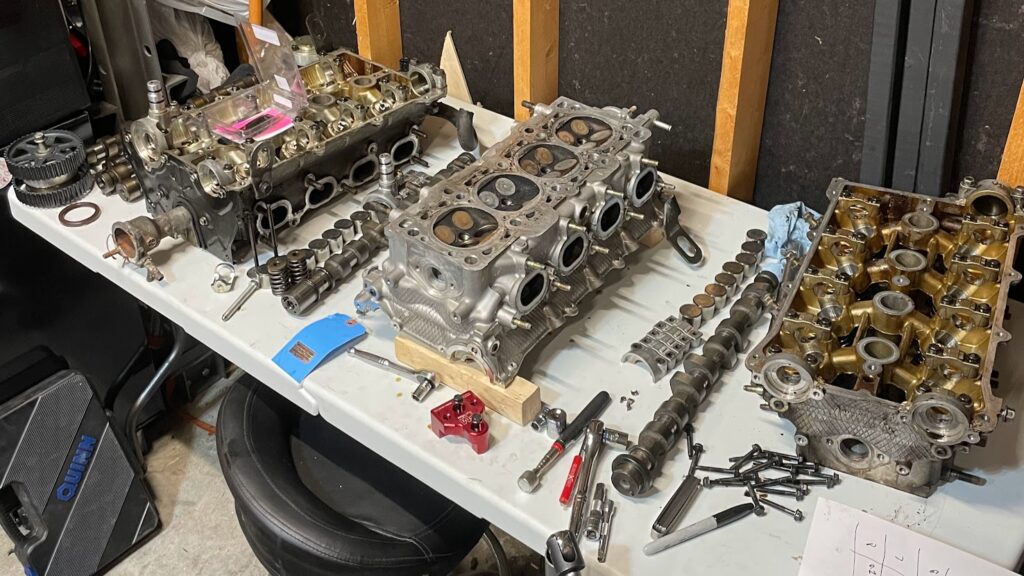
To prepare for future mechanical contingencies, the owner assembled a collection of spare engine components over a multi-year period, comprising two BP4W blocks, one BP6D block, and two cylinder heads. Evaluation of the initial spare BP4W motor revealed severe valve wear and missing material on the exhaust components, necessitating a future cylinder head overhaul. Meanwhile, a newly acquired BP6D motor underwent professional cylinder head rebuilding, block decking, and honing.
Rather than deploying a fully built replacement immediately, the owner executed a partial rebuild of a spare BP4W bottom end combined with the refreshed BP6D head and updated pistons. This phased approach to engine management reflects a pragmatic philosophy common among budget-conscious grassroots racers: maintaining immediate track readiness while systematically building a high-tolerance replacement power plant in the garage.
Off-Season Weight Reduction and Cockpit Ergonomics
Entering the winter maintenance period between December 2023 and February 2024, strategic development shifted toward compliance optimization within SCCA Time Trials power-to-weight classifications. To enhance competitiveness without investing in forced induction systems—which would elevate the vehicle into a significantly more expensive and heavily modified competition class—the owner pursued a systematic weight-reduction protocol.
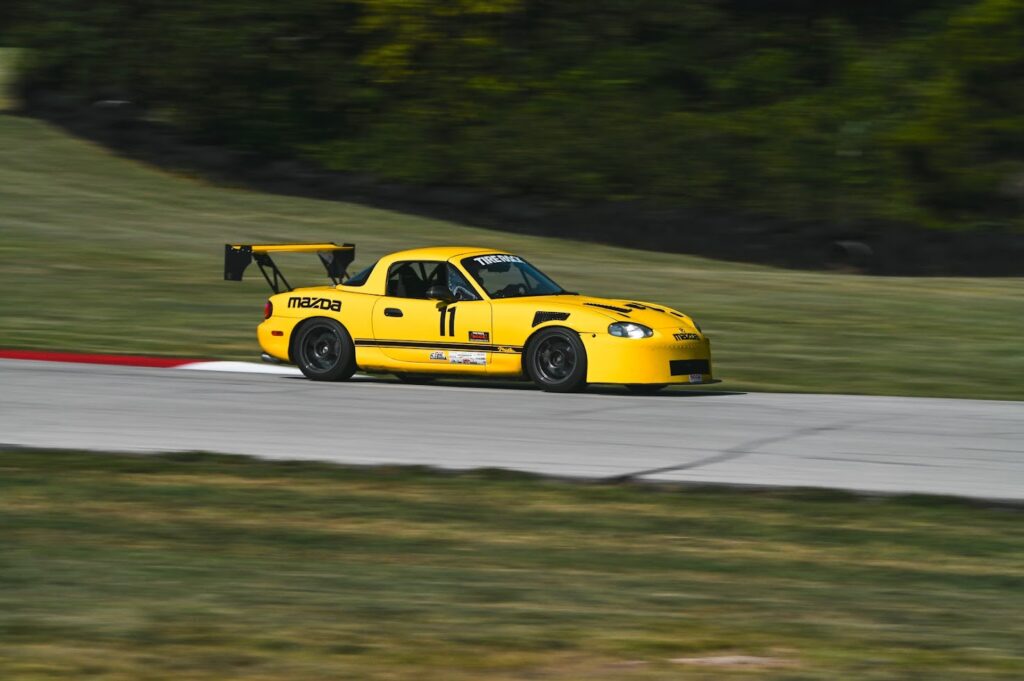
Through dashboard trimming, wiring harness cleanup, and the removal of redundant factory components, approximately 50 pounds of dead weight were eliminated from the chassis. While insufficient to propel the car to the absolute apex of its class, the weight savings improved dynamic braking response and tire wear characteristics.
Complementing the weight-reduction initiatives, January 2024 marked the installation of a quick-release steering wheel mechanism paired with a 330mm flat OMP steering wheel. While retaining the safety and convenience of an airbag system had been a priority in earlier years, the transition to a dedicated transport and track infrastructure rendered the quick-release setup advantageous. The modification improved driver ingress and egress, facilitated rapid footwell access during maintenance, and yielded a minor reduction in steering column mass, all while maintaining precise steering geometry in a non-power-steering configuration.
Summary of Operational Data
An analysis of the 2023 calendar year highlights the extensive utilization of the vehicle across dual motorsport disciplines:
- Track Days: 15 events completed (up from 10 in 2022). Primary tire compounds included Falken RT660 (yielding approximately 8.5 hours and 38 heat cycles of durable performance) alongside limited testing on Hankook RS4 and Continental ExtremeContact Sport wet tires.
- Autocross Events: 15 events completed (up from 9 in 2022), including regional Nebraska SCCA rounds, the Midwest Division event, and the Lincoln Spring Solo National Tour. Bridgestone RE71-RS tires demonstrated exceptional longevity across 17 total events and approximately 70 competitive runs.
Implications and Outlook
The completion of three years of NB Miata ownership illustrates the trajectory of a dedicated amateur motorsport build. Eschewing radical cosmetic overhauls or unproven modifications, the development path has focused on incremental reliability upgrades, safety infrastructure, logistical self-sufficiency, and meticulous chassis tuning.
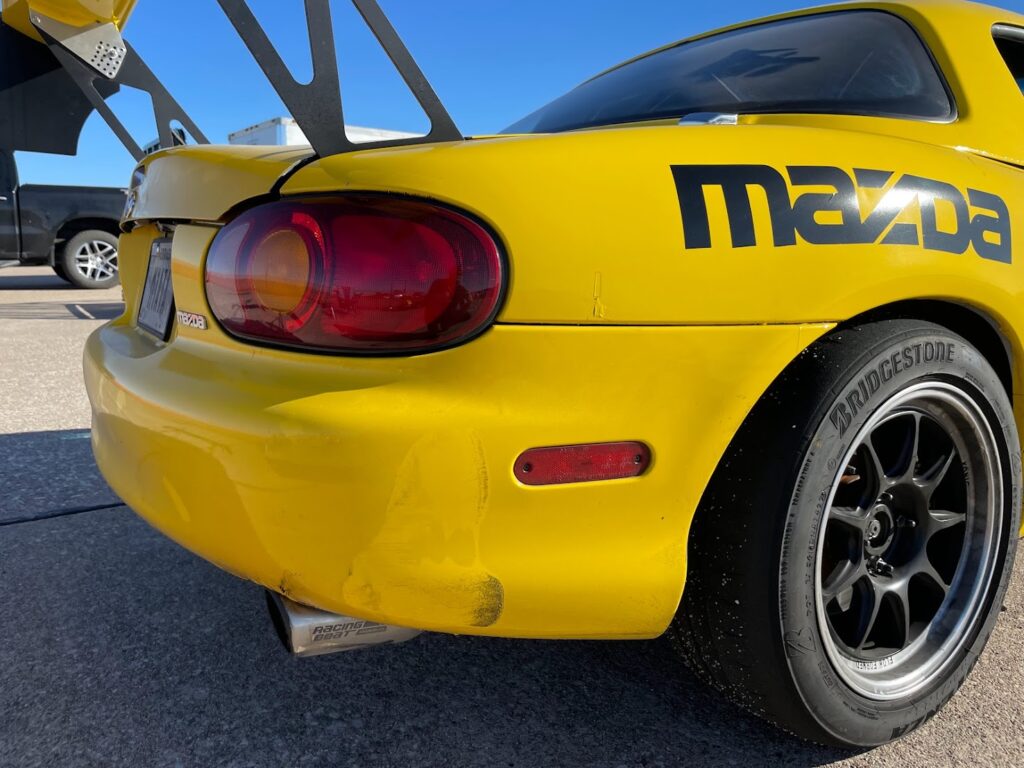
As the vehicle prepares for subsequent competition seasons—with prospective upgrades including Yokohama A052 and Nankang CRS v2 tire compounds and potential forced induction exploration—the project serves as an empirical case study in amateur sports car development. By balancing rigorous seat time with continuous mechanical evaluation, the platform has achieved a high state of operational readiness, demonstrating that durability and performance can be successfully co-developed within the framework of grassroots motorsport competition.