Hartono Sudibyo
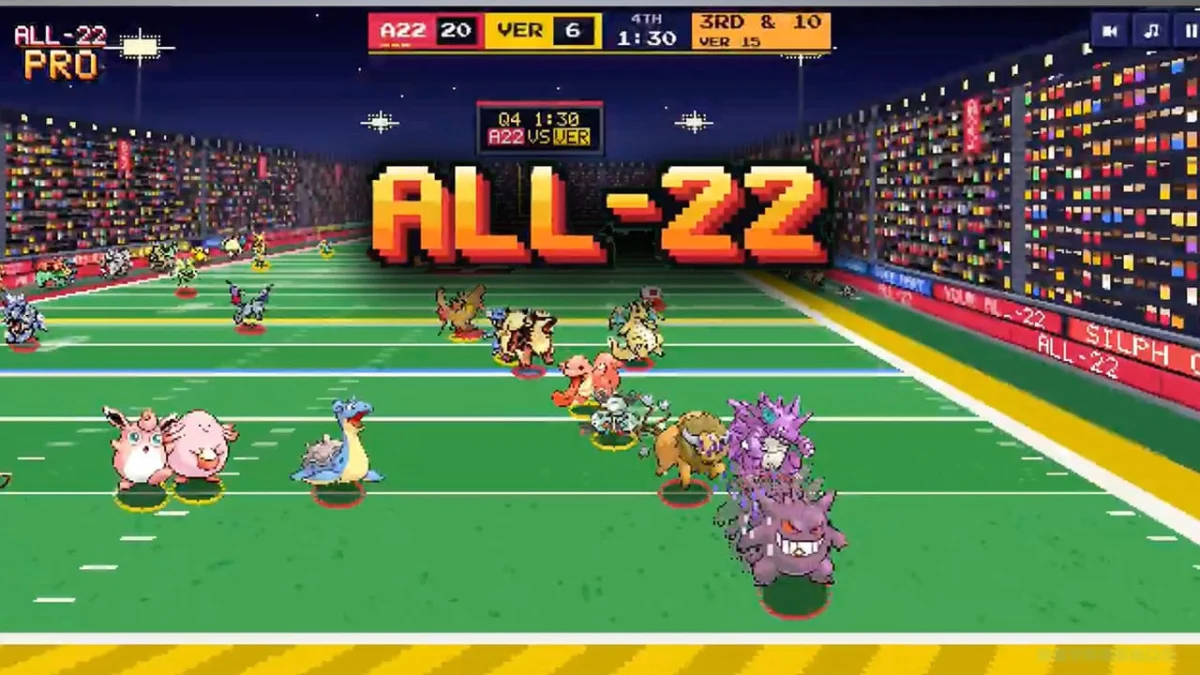
The intersection of sports entertainment and video game fan modifications has yielded a novel creation with the official release of All 22, a browser-based American Football simulation featuring creatures from the Pokémon franchise. Developed entirely by independent creator Cole Thereum, the title bridges the tactical depth of traditional American football with the expansive roster of Nintendo and Game Freak’s intellectual property, spanning all nine generations of the long-running monster-taming series. Available directly through web browsers without the need for hardware emulators, ROM patching, or third-party installations, the project has quickly garnered attention within both gaming and sports simulation communities following its debut in October 2026.
Main Facts of the Release
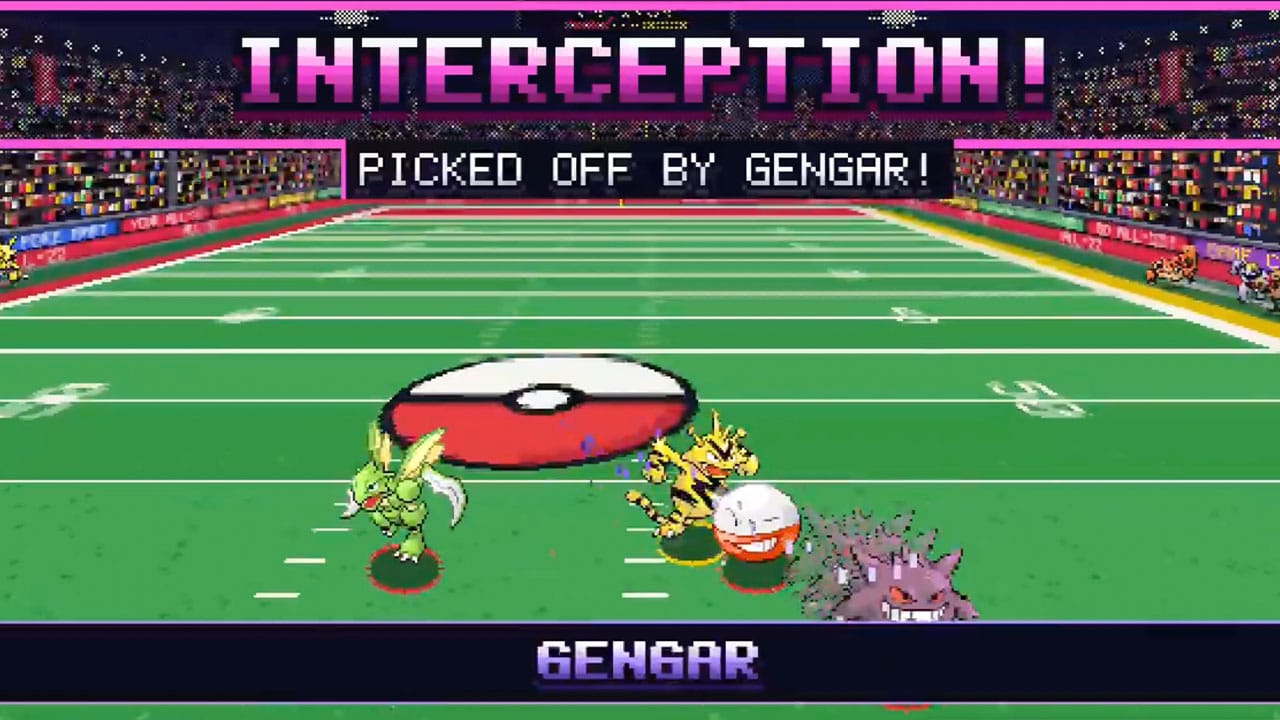
All 22 introduces a fully playable gridiron environment where iconic creatures—ranging from early Kanto favorites like Nidoking and Gengar to later generations—compete on the football field. The core gameplay loop requires users to assemble a comprehensive roster of Pokémon, strategize against computer-controlled Gym Leaders, and execute plays designed to secure touchdowns.
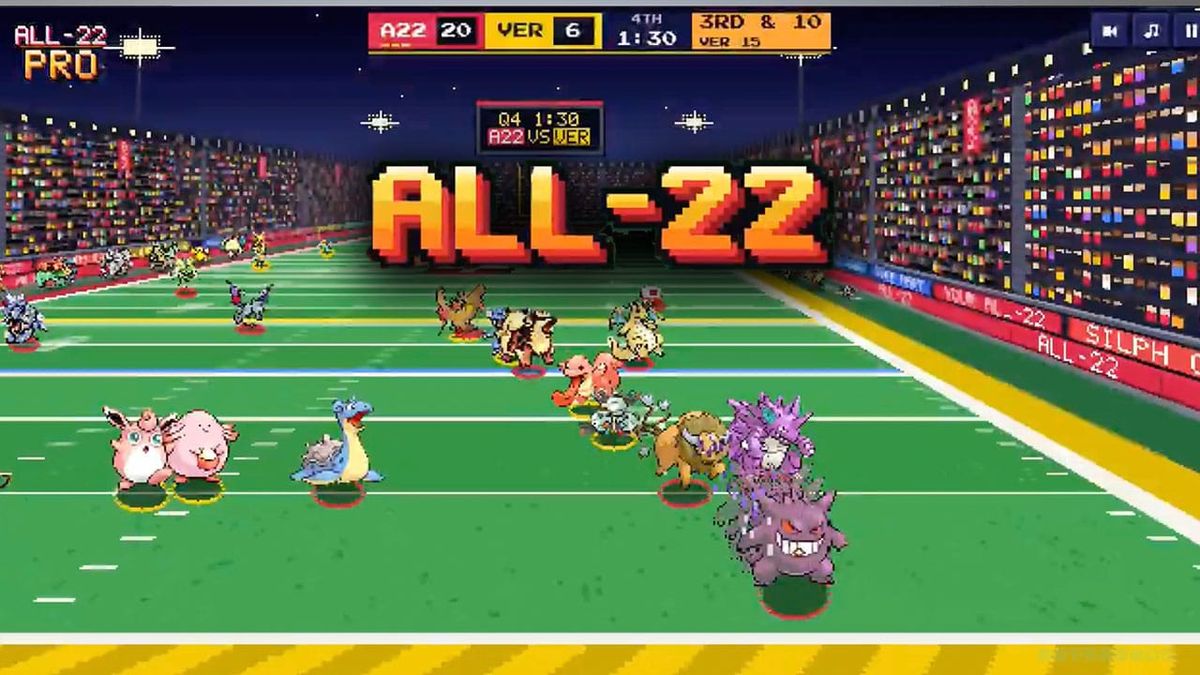
The software features two distinct presentation modes tailored to different visual preferences and tactical vantage points:
- Pro Mode: Replicates the broadcast camera angle utilized in modern televised American Football broadcasts, offering a deep-field perspective of routes, coverage, and blocking assignments.
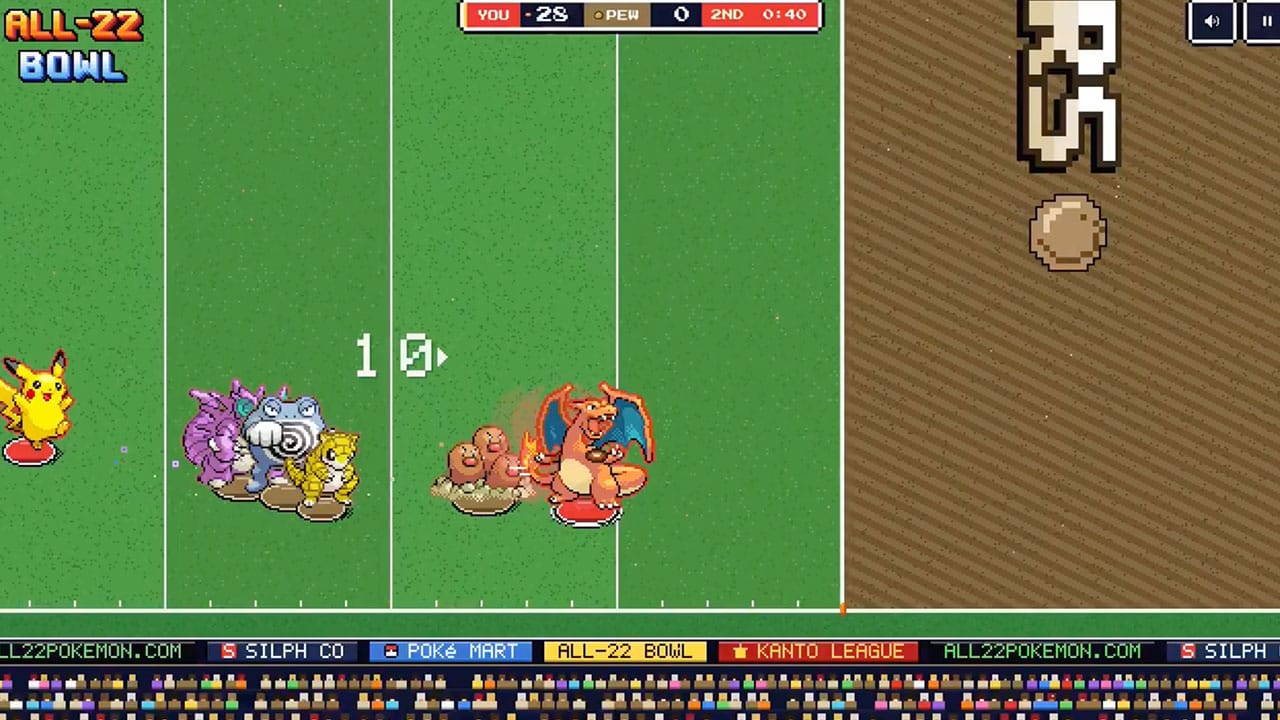
- Bowl Mode: Employs a classic, top-down perspective reminiscent of 16-bit sports titles from the Super Nintendo Entertainment System (SNES) era, prioritizing arcade-style clarity and positional tracking.
Crucially, Cole Thereum has confirmed that All 22 is a strictly non-commercial fan project. The game is free to play, and the developer has explicitly stated that no monetization systems, microtransactions, fantasy sports betting integrations, or pay-to-win mechanics will be incorporated into the platform. Its browser-based architecture ensures immediate accessibility across desktop environments, positioning it as a lightweight alternative to traditional, resource-heavy sports video games.
Background Context and Fan-Made Pokémon Projects
The launch of All 22 arrives during a prolific period for creative, non-commercial Pokémon fan projects. Over recent years, independent developers and hobbyist programmers have increasingly experimented with translating the core mechanics of the Pokémon universe into entirely different genres.

Recent notable fan projects highlight this diversification of game design:
- Pokémon 2D Arena: A real-time battle game that replaces traditional turn-based combat with fast-paced, side-scrolling mechanics reminiscent of classic 2D fighting franchises like Mortal Kombat, paired with the structural aesthetics of Pokémon Stadium.
- Kanto Tactics: A grid-based tactical role-playing game that applies the tactical depth and unit positioning of Nintendo’s Fire Emblem and Teamfight Tactics to classic Kanto region encounters.
Historically, Pokémon spin-off titles developed by official entities—such as Pokémon Rumble, PokéPark, and Pokémon Unite—have explored action, MOBA, and mini-game formats. However, mainstream sports simulations such as American football have remained largely untouched by official Nintendo or Game Freak releases. Filling this void, indie creators like Cole Thereum have utilized modern web technologies and accessible game engines to build customized sports crossovers that resonate with multi-generational gaming demographics.
Chronology and Development Trajectory
While specific timelines regarding the conceptualization phase of All 22 remain private, the project gained significant momentum leading up to its October 2026 launch window. Independent development of this scale typically spans several months to over a year, depending on the complexity of physics engines, sprite mapping, and database management required to catalog and animate hundreds of distinct creatures spanning nine generations.
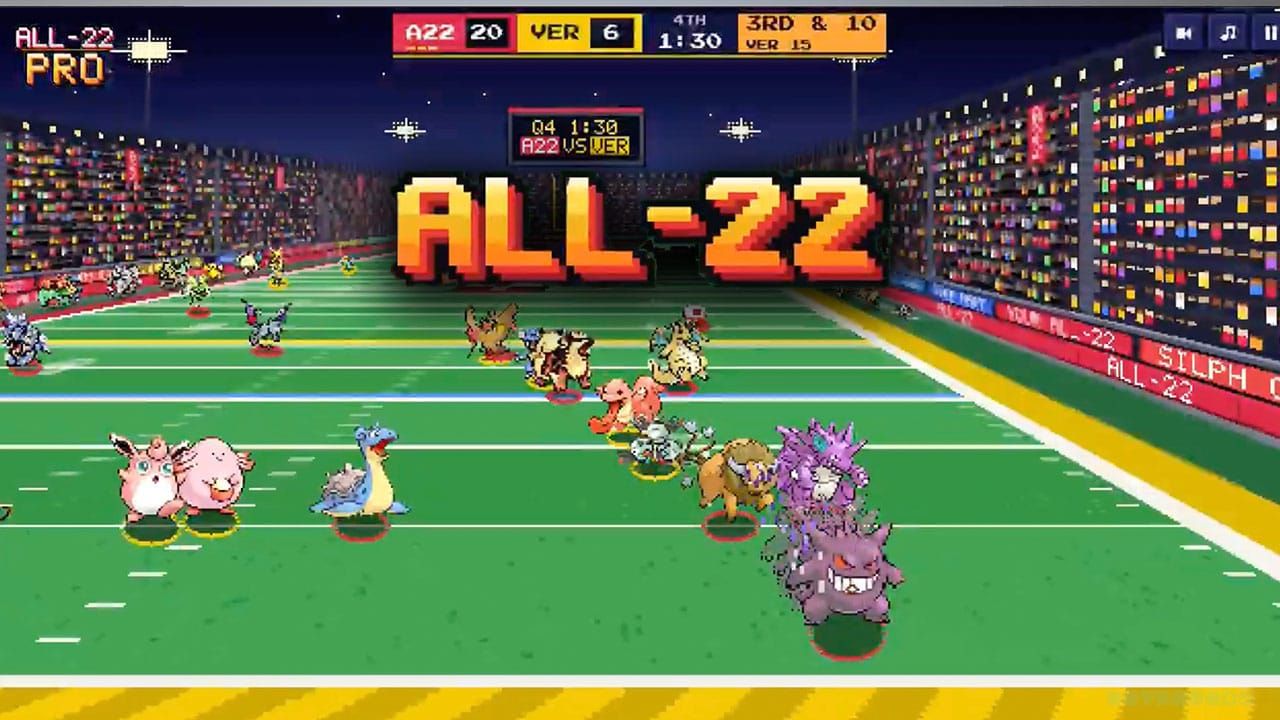
The release strategy prioritized an open, friction-free distribution model. By hosting the title directly on a dedicated web domain rather than distributing executable files or relying on console emulation, the developer mitigated many of the technical hurdles and security concerns often associated with fan-made software. Early adopters utilized integrated roster-building tools and randomized selection algorithms to manage team compositions, addressing the logistical challenge of balancing statistics and attributes across more than a thousand distinct Pokémon species.
Supporting Data and Technical Overview
Designing a sports simulation based on Pokémon requires reconciling divergent mathematical frameworks: the turn-based statistical attributes (HP, Attack, Defense, Speed, Special Stats) of role-playing games must be translated into positional metrics (speed, strength, agility, stamina) suitable for athletic performance on a football field.
While comprehensive official developer documentation detailing the exact formula translations has not been published, structural analysis of All 22 reveals several key technical pillars:
- Roster Scaling: Inclusion criteria encompass Pokémon from Generation 1 through Generation 9, resulting in a deep talent pool that necessitates specialized search and randomizer functions during team drafting.
- Input Complexity: The control scheme accounts for traditional football mechanics—including passing accuracy, route running, defensive coverage schemes, and tackling physics—requiring players to possess a functional understanding of American football rules to execute successful plays.
- Platform Architecture: Built for browser execution, the game minimizes hardware requirements, ensuring compatibility across standard office and home computing environments without dedicated graphics processing units.
Official Responses and Community Reception
The release of All 22 has been met with widespread enthusiasm across indie gaming circles and digital retrospectives. Reviewers have praised the project’s adherence to a pure, hobbyist ethos, noting the deliberate absence of monetization schemes or algorithmic data harvesting.
Public statements from the developer emphasize that the creation is an affectionate tribute to both American football culture and the Pokémon franchise. Because the project operates entirely on a non-profit basis as a fan work, it reflects a broader subculture of digital craftsmanship wherein programmers utilize modern web frameworks to realize hyper-niche genre crossovers. Furthermore, inquiries into the software’s production pipeline indicate a minimal reliance on generative artificial intelligence tools during the coding and implementation stages, reinforcing its status as a human-crafted indie endeavor.
Broader Impact and Industry Implications
The emergence of browser-based crossover games like All 22 illustrates shifting paradigms in independent game distribution and copyright-adjacent fan creation. As web technologies—such as WebGL, advanced JavaScript engines, and cloud hosting—continue to mature, developers can deliver surprisingly robust interactive experiences directly inside standard web browsers, bypassing traditional storefront curation and hardware certification processes.
At the same time, the project underscores the enduring cultural footprint of the Pokémon intellectual property. Even decades after the debut of the original Game Boy titles, the franchise’s creature designs continue to serve as a universal visual language for independent developers seeking to engage nostalgic audiences.
For the sports gaming market, All 22 demonstrates that consumer demand exists for alternative, arcade-style interpretations of traditional sports. While major studios remain focused on hyper-realistic annual simulation franchises, independent developers are increasingly filling the gaps with creative, rule-bending experiments that prioritize novelty, accessibility, and unmonetized play. As the platform receives community feedback and potential post-launch updates, it stands as a testament to the ingenuity of independent creators operating at the intersection of pop culture and sports entertainment.