Indra Gunadi
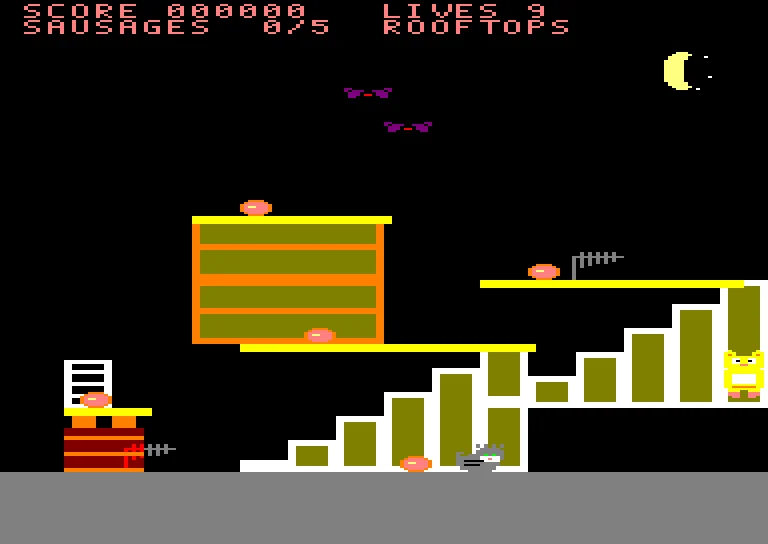
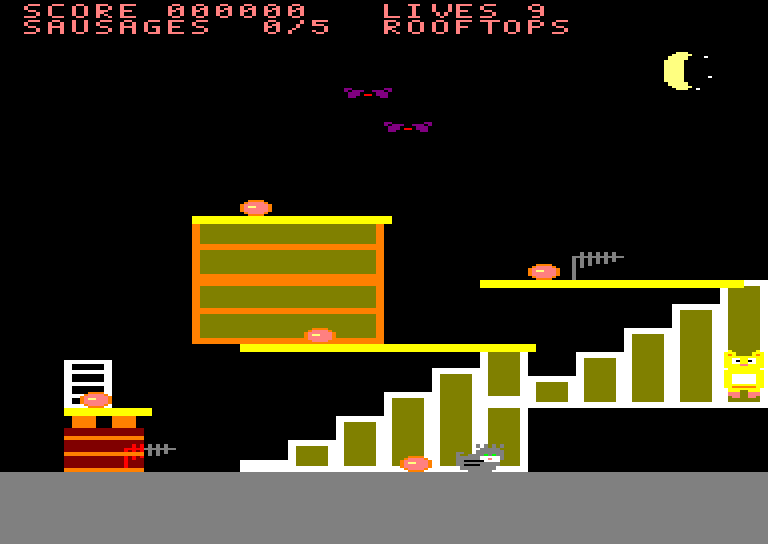
The retro gaming scene continues to demonstrate remarkable resilience and creative output, as evidenced by the recent release of Loukoumas for the Amstrad CPC platform. Developed by the independent studio Revive8Bit, the title marks a significant addition to the 8-bit software library, highlighting the ongoing technical fascination with hardware originally released in the mid-1980s. The game centers on a narrative involving a feline protagonist navigating a domestic landscape in pursuit of sustenance, blending traditional platforming mechanics with a distinct, character-driven aesthetic.
Project Origins and Development Context
The development of Loukoumas follows a growing trend in the homebrew community where developers utilize modern programming tools to breathe new life into legacy systems. The Amstrad CPC, once a dominant force in the European home computer market, remains a popular choice for hobbyist developers due to its accessible architecture and the dedicated nature of its user base.
Revive8Bit has utilized AI-assisted coding methodologies to optimize the game’s logic, a technique that has become increasingly prevalent in indie game development. By leveraging machine learning models to streamline the assembly code required for the Zilog Z80 processor—the heart of the Amstrad CPC—the developers have managed to squeeze sophisticated animation frames and room-transition logic into the machine’s constrained memory architecture. This approach represents a shift in retro-gaming development, moving away from purely manual machine-code entry toward hybrid workflows that maximize efficiency without sacrificing the "authentic" feel of 8-bit software.
The Narrative and Gameplay Experience
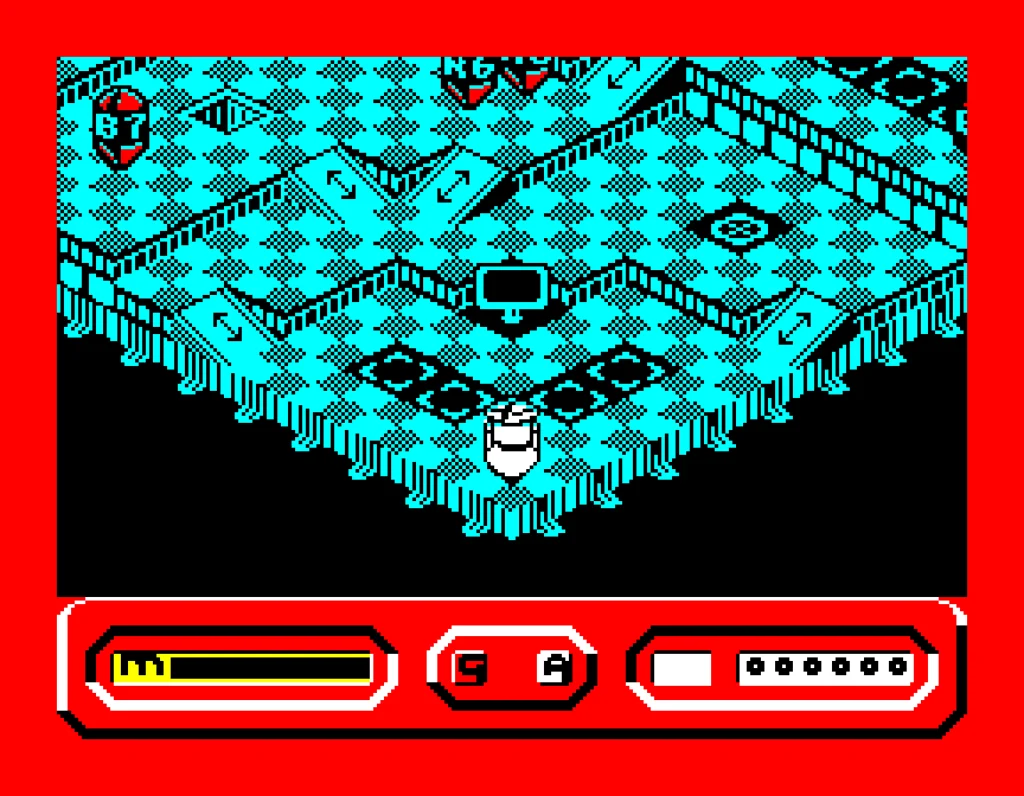
At its core, Loukoumas presents a straightforward yet challenging premise: a dieting cat, frustrated by an empty refrigerator, embarks on a quest to recover his lunch. The game’s design spans nineteen distinct rooms, set within the confines of a Kypseli flat and extending into the surrounding environment. This spatial progression requires players to navigate a variety of obstacles, utilizing environmental cues to advance through the levels.
The gameplay design adheres to the platforming conventions of the 1980s. Each room functions as a puzzle, demanding precise timing and an understanding of the game’s physics. The narrative hook—the pursuit of a lost meal—adds a layer of personality that elevates the experience beyond simple twitch-reflex gameplay. The choice of setting, the neighborhood of Kypseli in Athens, Greece, provides a localized, cultural context that is rare in the fantasy-dominated landscape of classic 8-bit games, grounding the feline’s odyssey in a recognizable, albeit stylized, urban reality.
Technical Specifications and Constraints
Developing for the Amstrad CPC presents specific technical hurdles. With the standard CPC 464, 664, and 6128 models operating with 64KB of RAM, developers must be exceptionally disciplined with asset management. Loukoumas navigates these constraints through efficient sprite-masking and a clever use of the CPC’s color palette.
The Amstrad CPC’s Mode 0 (160×200 pixels with 16 colors) is notoriously difficult to manage for high-speed animation, yet the technical documentation surrounding the game suggests that Revive8Bit has optimized screen updates to prevent the "flicker" often associated with earlier homebrew titles. The implementation of AI-assisted logic has specifically aided in the optimization of the collision detection routines, which often consume a disproportionate amount of processing cycles on 8-bit hardware. This optimization ensures that the cat’s movement remains responsive across all nineteen rooms, maintaining the fluid performance required for successful platforming.
The Evolution of the Homebrew Ecosystem
The release of Loukoumas is not merely an isolated event but a representative data point in the broader homebrew ecosystem. According to industry tracking data from platforms like PDROMS, the number of new releases for 8-bit systems has seen a steady incline since 2020. This "second golden age" of 8-bit development is driven by three primary factors:
- Accessibility of Cross-Compilers: Tools like SDCC (Small Device C Compiler) and specialized IDEs have reduced the barrier to entry for developers who might not be fluent in native Z80 assembly.
- Community Preservation: Enthusiast groups are increasingly focused on software preservation, creating a marketplace where developers are incentivized to produce physical or high-quality digital releases for vintage hardware.
- Hardware Emulation: The ubiquity of high-fidelity emulators has allowed a global audience to experience titles like Loukoumas without requiring the physical ownership of a 1980s-era CPC unit.
Analysis: The Role of AI in Retro Development
The explicit mention of "AI Code" in the developer notes for Loukoumas has sparked discussion within the community regarding the ethics and technical viability of automated coding in a vintage context. Critics of the practice argue that the essence of retro gaming lies in the "hand-crafted" nature of the code, where every byte was accounted for by a human programmer. Conversely, proponents argue that using AI to assist in the repetitive tasks of memory allocation and sub-routine generation allows for more creative freedom in game design.
By delegating the labor-intensive aspects of coding to AI models, developers like Revive8Bit can focus on level design, sprite art, and music composition—elements that define the "feel" of a game. This technological shift does not diminish the achievement; rather, it modernizes the development pipeline, allowing smaller teams to produce games of a complexity that would have previously required a team of four or five engineers in the 1980s.
Market Impact and Cultural Significance
The cultural impact of Loukoumas lies in its ability to bridge the gap between regional storytelling and global gaming tropes. By framing the narrative around a localized setting like Kypseli, the developers have injected a sense of place into the software, making it a point of cultural pride for the local Greek gaming community while remaining accessible to an international audience.
Furthermore, the game serves as a successful case study for the "indie-retro" business model. By releasing the game in 2026, long after the commercial death of the Amstrad CPC, the developers are participating in a niche economy that values preservation, challenge, and the aesthetic nostalgia of the 8-bit era. While the direct revenue generated by such titles is modest compared to the AAA gaming sector, the value to the archival and hobbyist community is immeasurable.
Future Implications for the Platform
Looking ahead, the success of titles like Loukoumas suggests that the Amstrad CPC platform will continue to see active development for the foreseeable future. The combination of hardware-level optimization and modern software assistance is likely to produce increasingly ambitious projects. We may soon see games that push the boundaries of what was thought possible on the CPC’s hardware, potentially incorporating advanced audio synthesis and more complex AI-driven non-player characters.
As the industry continues to evolve, the distinction between "modern" and "retro" gaming continues to blur. Developers are increasingly viewing platforms like the Amstrad CPC not as museum pieces, but as viable creative canvases. The effort put into Loukoumas—from the character-driven narrative to the meticulous attention to sprite detail—confirms that the spirit of innovation is alive and well, even when confined to the technical limitations of a 40-year-old machine.
In conclusion, Loukoumas represents a sophisticated marriage of heritage technology and contemporary development practices. For enthusiasts of the Amstrad CPC, the game is a reminder that even the most well-trodden platforms have the potential to surprise, provided the developer possesses the vision to bridge the gap between the past and the present. Whether one views the game through the lens of nostalgia or technical achievement, it stands as a testament to the enduring appeal of the 8-bit era.