Chalid Lutfie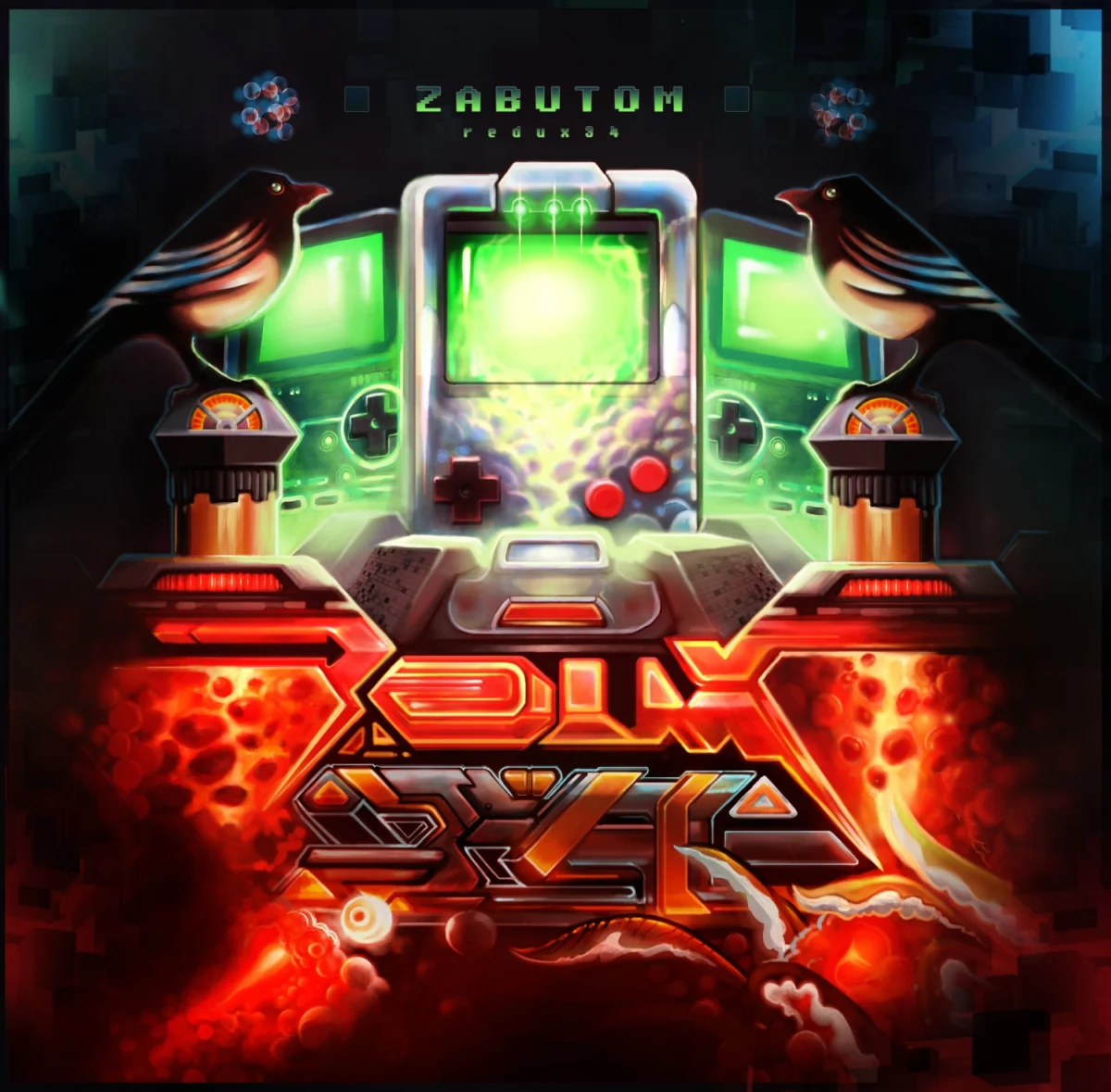
The release of Redux34 on September 18, 2015, serves as a significant milestone in the career of Swedish composer Niklas Sjösvärd, professionally known as Zabutom. By synthesizing the nostalgic aesthetic of 8-bit Nintendo sound chips with the rigorous complexity of progressive rock, IDM (Intelligent Dance Music), and folk instrumentation, the album represents a maturation of the chiptune genre. This collection of tracks does not merely replicate the sounds of the 8-bit era; rather, it embeds them within expansive, high-fidelity soundscapes that challenge the traditional boundaries of tracker-based music.
The Artistic Trajectory of Niklas Sjösvärd
Born in 1985, Niklas Sjösvärd emerged as a prominent figure in the global demoscene during the early 2000s. The demoscene, a subculture centered on the production of real-time computer-generated art, served as the primary training ground for Sjösvärd. These environments prioritize extreme technical efficiency—the ability to create high-quality audio or visuals within severe hardware limitations.
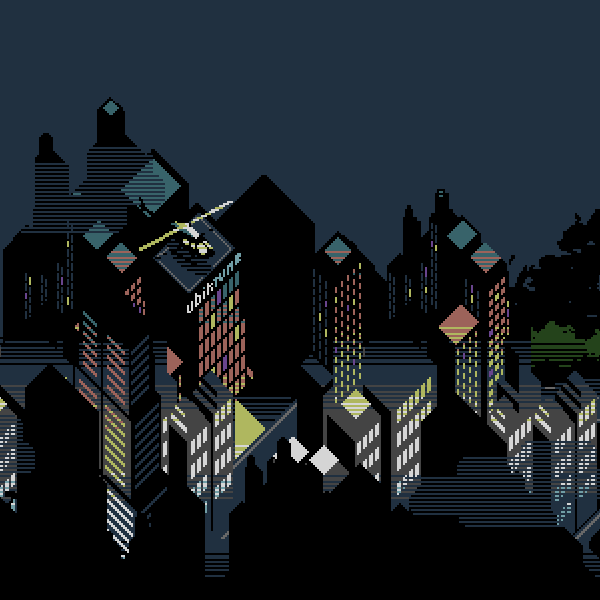
Sjösvärd’s transition from a participant in niche compilations to an internationally recognized composer was solidified with the 2011 release of Zeta Force on the label Ubiktune. Zeta Force was widely lauded for its shmup-esque (shoot ’em up) aesthetics, capturing the high-energy, rhythmic intensity of 1980s and 90s arcade gaming. Following this success, Sjösvärd sought to expand his formal knowledge, ultimately earning a bachelor’s degree in composition and electronic music from the Academy of Music and Drama in Gothenburg in 2014. This academic background provided the theoretical framework necessary to integrate modular synthesis, avant-garde electronic textures, and traditional instrumentation into his established chiptune foundation.
Chronology of the Redux34 Development
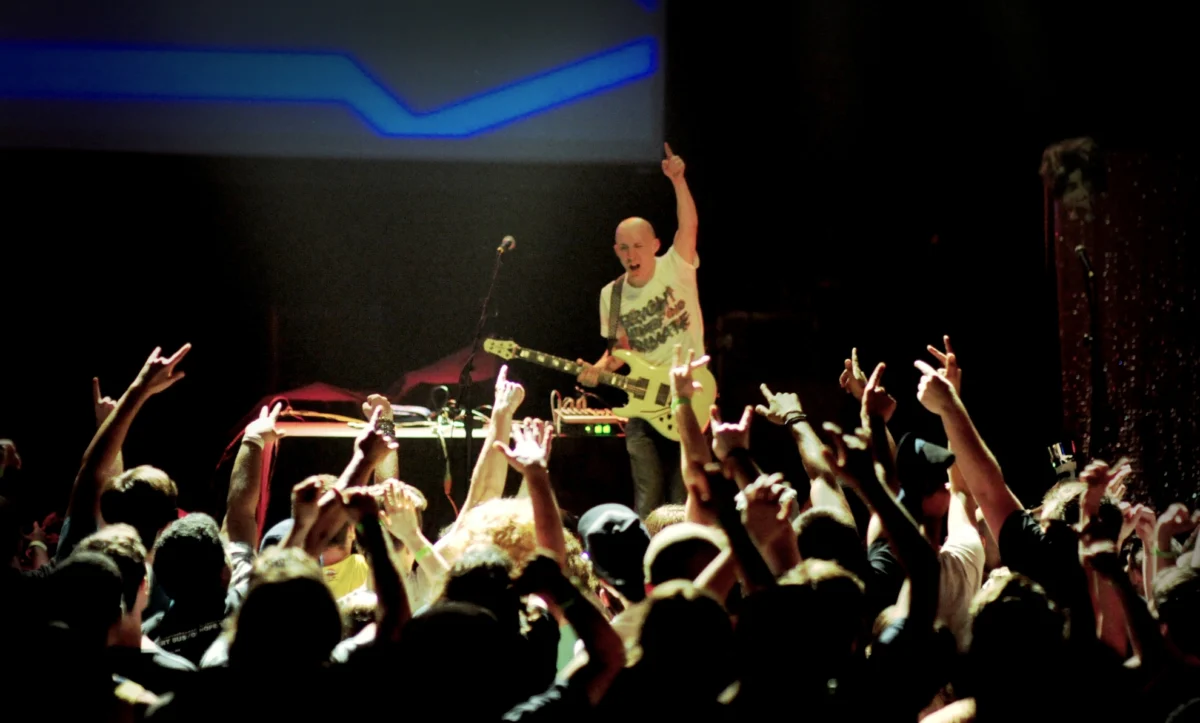
The gestation period for Redux34 was exceptionally long, spanning approximately seven years of intermittent development. The project originated in 2008, a time when Sjösvärd was actively performing at international chiptune festivals using the Game Boy-based music tracker Little Sound Dj (LSDJ).
The title track, "Redux34," serves as a microcosm for the challenges faced during the album’s creation. According to the artist, the initial groundwork for the track was completed in 2008, only to be permanently erased due to an LSDJ cartridge failure. The necessity of rebuilding the piece from scratch provided both the title "Redux" and the numerical designation "34," referencing the track’s unusual time signature. This cycle of loss and reconstruction became a defining theme for the album’s production, as Sjösvärd struggled with technical setbacks, lost patterns, and the constant refinement of complex mixes.

During this period, Sjösvärd did not remain stagnant. He branched into diverse musical disciplines, including experimental electronic music projects such as Friktion and Scratches and Petals, live modular techno under the Buchla Boys moniker, and acoustic folk performance as a guitarist and vocalist. These experiences provided a palette of influences that eventually found their way into Redux34, allowing for a departure from the strict, loop-based limitations of early chiptune.
Technical Analysis and Production Philosophy
Redux34 distinguishes itself through its production quality and its refusal to be tethered to a single sub-genre. While the core of the album remains rooted in the "bleeps and bloops" of 8-bit hardware, Sjösvärd utilizes these sounds as a foundational layer rather than the sole instrument. The inclusion of electric guitars, analog synthesizers, and intricate, spatial delay textures creates a dense, multi-layered environment that feels both retro-futuristic and modern.
The integration of IDM elements brings a sense of rhythmic unpredictability to the album, while the folk-inspired compositions introduce a melancholic, organic warmth that is rarely found in pure chiptune. By leveraging his formal education in composition, Sjösvärd ensures that these disparate elements—Nintendo sound chips and acoustic instruments—do not clash but instead coalesce into a cohesive narrative. The soundscapes are described as "strange new worlds," suggesting a deliberate attempt by the composer to craft a cinematic, storytelling experience rather than a mere sequence of dance-floor tracks.

Collaborative Efforts and Visual Presentation
The visual identity of Redux34 is a crucial component of the listener’s experience, reflecting the mysterious and melancholic themes of the music. The cover art, created by Anders Karlsson, a concept artist and painter based in Norrköping, provides a bridge between the listener and the retro-futuristic world constructed within the audio. Karlsson’s contribution serves to ground the high-concept electronic music in a tangible, visual aesthetic, reinforcing the notion that Redux34 is a multi-disciplinary work of art.
Broader Impact on the Chiptune Scene
The release of Redux34 arrives at a time when the chiptune genre is undergoing a period of re-evaluation. For years, the scene was defined by a strict adherence to the hardware limitations of the NES and Game Boy. However, as veterans like Sjösvärd move toward more experimental and hybrid forms, the genre is beginning to influence broader electronic music trends.
Industry observers note that Redux34 acts as a bridge between the "purist" chiptune community and the mainstream electronic music industry. By demonstrating that 8-bit sounds can function as high-end timbres in complex, prog-rock-infused arrangements, Sjösvärd has expanded the potential for future cross-pollination between these scenes. Furthermore, his ability to pivot from modular techno to folk-infused acoustic music suggests that the "chip musician" identity is becoming increasingly fluid.

Future Implications and Reception
As of its September 2015 release, Redux34 is available through various digital distribution channels and physical CD formats. The album’s reception is expected to be closely watched by the Ubiktune label and the broader electronic music community. It stands as a testament to the resilience of the independent musician, highlighting the value of long-term artistic development over the pressure for rapid-fire releases.
The implication for upcoming artists in the genre is clear: the mastery of legacy hardware is a powerful tool, but it is the ability to synthesize that legacy with contemporary composition and production techniques that yields truly lasting work. As Niklas Sjösvärd continues his career, Redux34 will likely be viewed as the pivotal point where he successfully bridged his past as a demoscene programmer with his present as a formally trained, experimental composer. The album’s complex, often challenging, and emotionally resonant soundscapes suggest that the "chip music" label, while accurate in its historical context, is perhaps too narrow to describe the full breadth of his current output. By reconciling his roots with his academic and experimental explorations, Sjösvärd has produced a work that invites both critical analysis and casual appreciation, securing his position as a vanguard in the evolution of electronic music.