Ganda Hendra Perkasa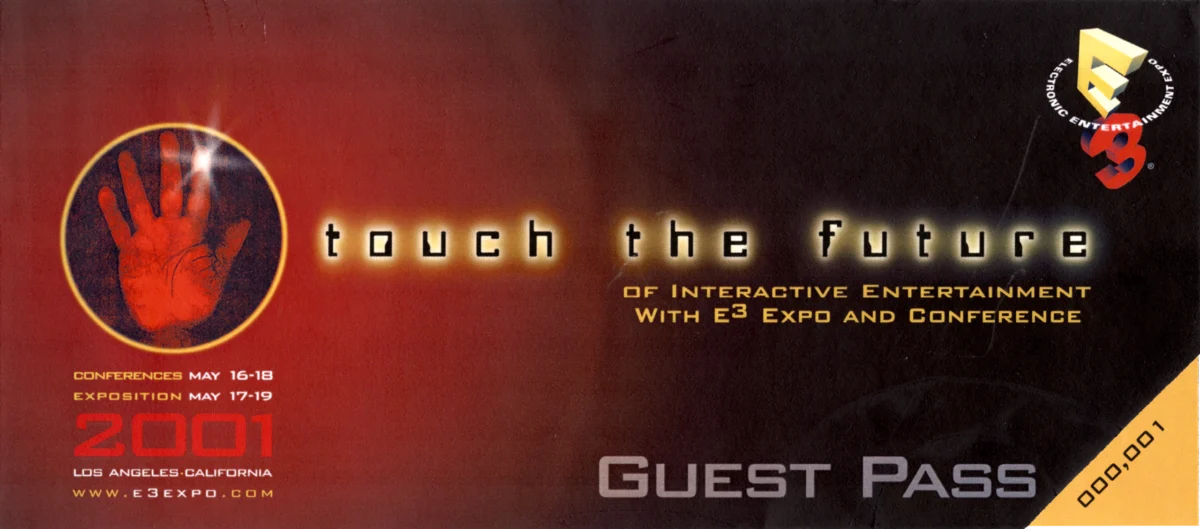
The Video Game History Foundation has officially launched a comprehensive, free-to-access digital archive dedicated to preserving the legacy of the Electronic Entertainment Expo, commonly known as E3. Operating as the premier trade show for the interactive entertainment industry for more than two decades, E3 served as the cultural and economic epicenter of video game development, marketing, and corporate rivalry from its inception in the mid-1990s until its eventual decline and formal cancellation.
The newly expanded digital repository features thousands of pages of historical ephemera, comprehensive convention floor maps, exclusive event directories, and nearly 12 hours of newly redigitized archival video footage. Sourced largely from foundational industry figures—including founding Interactive Digital Software Association (IDSA) member Carolyn Rauch, long-time event attendee Anthony Parisi, and former E3 show director Mary Dolaher—the collection provides researchers, academics, and gaming historians with an unprecedented, first-hand look at how the video game industry built its public identity.
From its humble beginnings as an industry response to marginalization at broader consumer electronics conventions to its status as a multi-million-dollar global media spectacle, E3 defined the modern commercial trajectory of video games. The opening of these archives not only safeguards ephemeral marketing materials that would otherwise have been lost to time but also offers critical institutional insight into how the business of gaming matured over a twenty-year period of explosive global growth.
The Shift from Consumer Electronics to Industry Autonomy
Before the establishment of E3 in 1995, the American video game industry lacked a dedicated platform of its own. Major publishers and hardware manufacturers historically showcased their upcoming software and hardware catalogs at the Consumer Electronics Show (CES). However, within the sprawling ecosystem of CES, video games were frequently treated as peripheral novelties, sharing floor space with household appliances, audio equipment, and emerging consumer technologies.
By the mid-1990s, the video game market was undergoing a massive paradigm shift. The transition from 16-bit cartridge-based systems to advanced 3D CD-ROM hardware—exemplified by the upcoming releases of the Sony PlayStation and the Sega Saturn—demanded a specialized stage that reflected the burgeoning cultural and financial weight of the medium. Recognizing this need, the IDSA, in collaboration with trade publication publisher Infotainment World, conceived an exclusive trade event designed strictly for interactive entertainment.
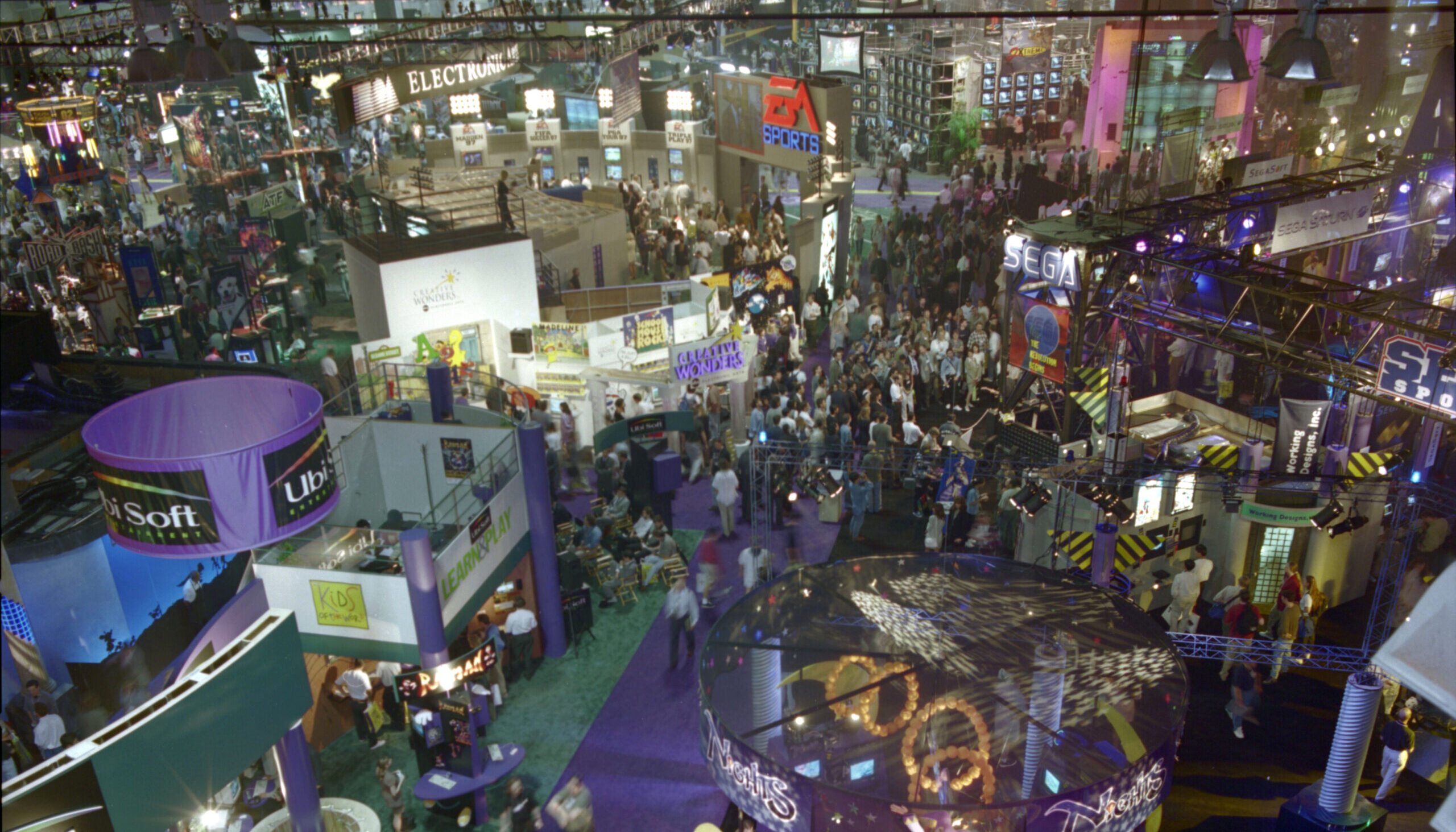
Launched at the Los Angeles Convention Center, E3 quickly established itself as a high-stakes arena. It was engineered to capture the attention of mainstream media, financial analysts, and retail buyers alike. The trade show transformed the business of selling video games into an annual theatrical event, characterized by colossal exhibitor booths, elaborate marketing campaigns, and high-profile keynote presentations that routinely dominated international news cycles.
Chronology of an Industry Colossus
The history of E3 can be structurally divided into several distinct eras, each reflecting the broader economic and technological shifts of the interactive entertainment sector:
1995–2001: The Formative Expansion Era. Marked by intense console competition, the birth of 3D gaming, and the rapid professionalization of the trade show floor. This era captured historic milestones, such as Sega’s surprise launch of the Saturn and Sony’s defining $299 price point announcement for the original PlayStation.
2002–2006: The Corporate Spectacle Era. During these years, E3 grew into an excessively lavish multi-million-dollar enterprise. Exhibitors competed for mainstream visibility through exorbitant booth designs, live musical performances, and heavy reliance on celebrity appearances.
2007–2008: The Intimate Business Summit Era. Driven by rising costs and industry fatigue regarding the sensory overload of the traditional convention floor, the Entertainment Software Association (ESA) temporarily abandoned the large-scale public format. They replaced it with the invitation-only E3 Media & Business Summit, a scaled-down executive gathering held in Santa Monica.
2009–2019: The Return and Modernization Era. E3 returned to the Los Angeles Convention Center in a modified format that eventually opened its doors to general consumers, shifting its focus toward digital live-streaming broadcasts as internet connectivity superseded traditional print journalism and physical press kits.
2020–2023: The Digital Pivot and Final Demise. Following the disruption of the global COVID-19 pandemic, E3 struggled to adapt to a landscape where major publishers—most notably Nintendo and Sony—pioneered direct-to-consumer digital presentations, ultimately leading to the permanent cancellation of the event in late 2023.
Archival Treasures: The Carolyn Rauch and Anthony Parisi Collections
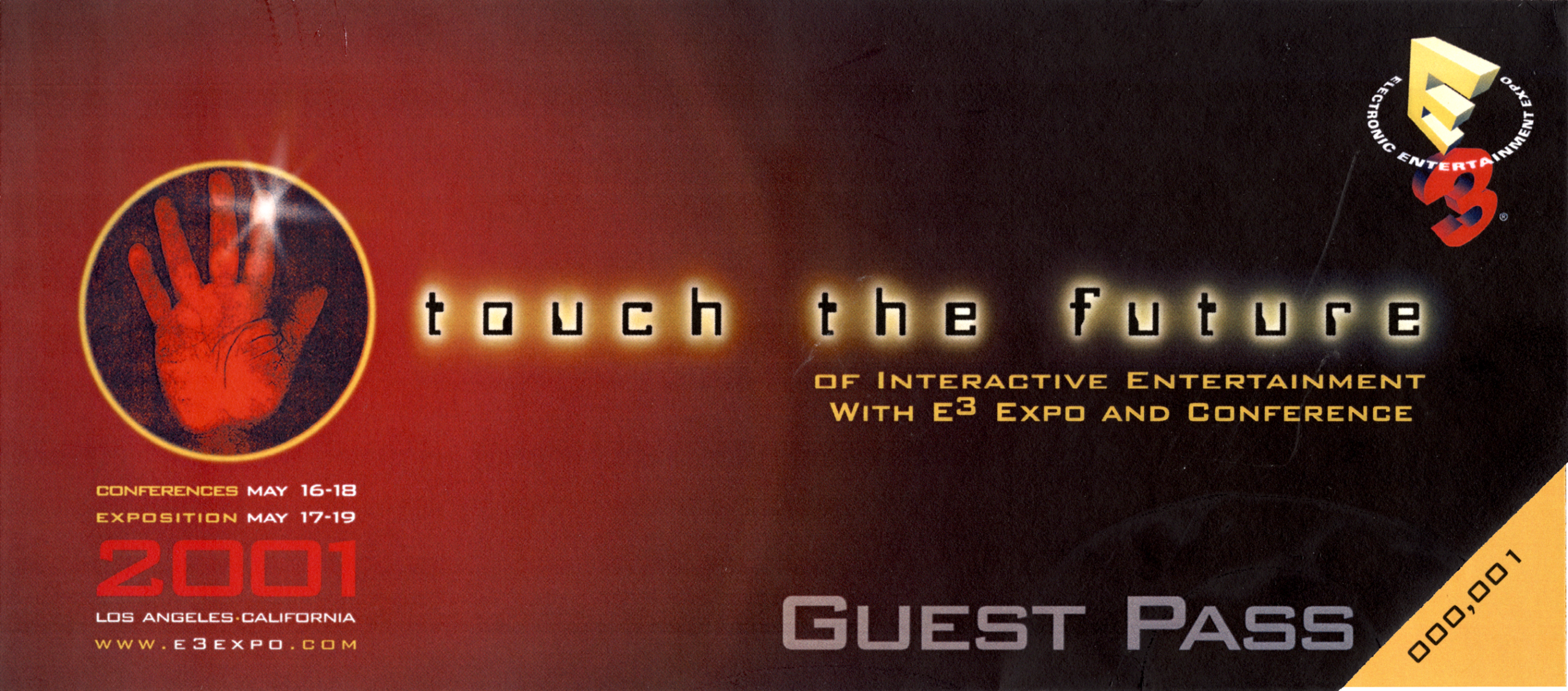
The backbone of the Video Game History Foundation’s new digital launch relies on comprehensive donations from individuals who managed the event from behind the scenes. Chief among these is the Carolyn Rauch event ephemera collection, which spans over 1,000 pages of internal documentation. As senior vice president of the IDSA, Rauch maintained exhaustive records of promotional materials, press kits, panel transcripts, industry economic reports, and administrative files dating from 1996 to 2011.
The collection sheds light on the administrative logistics of mounting a convention of that scale. Documents reveal the complex financial calculations behind exhibitor sponsorships, such as corporate investments into attendee badge lanyards and targeted convention center branding. Furthermore, the inclusion of materials from the 2007 and 2008 E3 Media & Business Summits fills a significant gap in academic literature regarding the industry’s experimental transitional phases.
Complementing the paper ephemera is a monumental video donation from Anthony Parisi, who attended the foundational E3 events armed with a camcorder. Parisi has officially transferred the copyrights of nearly 12 hours of uncompressed archival footage to the Video Game History Foundation. This footage captures early, pre-release development builds of culturally significant software—including Super Mario 64, Castlevania: Symphony of the Night, and rare B-roll reels of unreleased projects like Rareware’s Conker’s Quest for the Nintendo 64.
Additional donations from defunct media outlets, such as Atari Explorer Online, provide critical context regarding niche platform holders, preserving rare interviews with developers like Jeff Minter regarding titles like Defender 2000. Moreover, the complete digitization of all 2,500 pages of official E3 directory books from 1995 to 2006, alongside exhaustive scans of the daily trade newspaper E3 Show Daily, offers researchers granular floor-plan data and daily journalistic chronicling that traces the commercial fortunes of hundreds of development studios.
Operational Insights from the Showrunner
Reflecting on the monumental operational logistics required to execute the convention year after year, long-time E3 event director and IDG World Expo CEO Mary Dolaher provided rare administrative insight into the reality of managing the show floor.
"I was responsible for the day-to-day operations of E3 from its inception to its demise," Dolaher noted in a retrospective statement. "I oversaw every detail of the event, from rolling the carpet to hanging tanks from the ceiling to making sure garbage cans were placed correctly. E3 was its own world—its own community, its own celebration. We sold every square inch of the Los Angeles Convention Center and beyond it, into the surrounding hotels and streets."
Dolaher emphasized that beneath the corporate showmanship and high-budget marketing stunts, E3 served a vital human and cultural function. Beyond managing power outages, celebrity security details, and high-stakes exhibitor disputes, the event fostered enduring philanthropic partnerships. She highlighted the annual integration of Make-A-Wish foundation participants as one of the convention’s most profound, yet under-recognized, impacts.
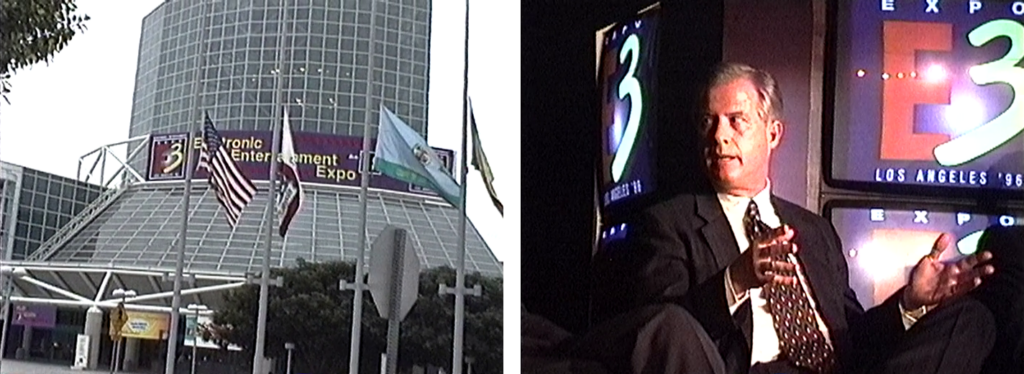
Furthermore, Dolaher pointed to the establishment of the Into the Pixel exhibition—a groundbreaking institutional initiative that successfully categorized video game concept art and digital graphics as fine art—as a defining milestone in shifting public perception away from dismissive cultural stereotypes regarding the medium.
Broader Impact and Implications for Digital Historiography
The systematic preservation of E3’s institutional memory carries profound implications for the academic study of digital media. Historically, the history of video games has been heavily reliant on fragmentary journalism, anecdotal developer recollections, and ephemeral marketing campaigns that degraded rapidly over time. By consolidating physical directories, internal business correspondence, broadcast-quality master tapes, and daily trade newspapers into a centralized, searchable database, the Video Game History Foundation establishes a rigorous evidentiary baseline for future scholarship.
As the interactive entertainment sector continues to transition toward entirely digital, decentralized promotional ecosystems—where physical trade shows have been supplanted by corporate livestreams and algorithmic content drops—the cultural distance from the analog era of E3 widens. The availability of these archives ensures that the foundational commercial strategies, labor dynamics, and artistic milestones that shaped the modern video game industry remain accessible for critical analysis, education, and historical posterity.
Researchers, historians, and enthusiasts can access the newly expanded collections immediately via the Video Game History Foundation’s official digital archive portal, with ongoing updates, essays, and companion podcast interviews slated for release across their digital channels in the coming weeks.