Hartono Sudibyo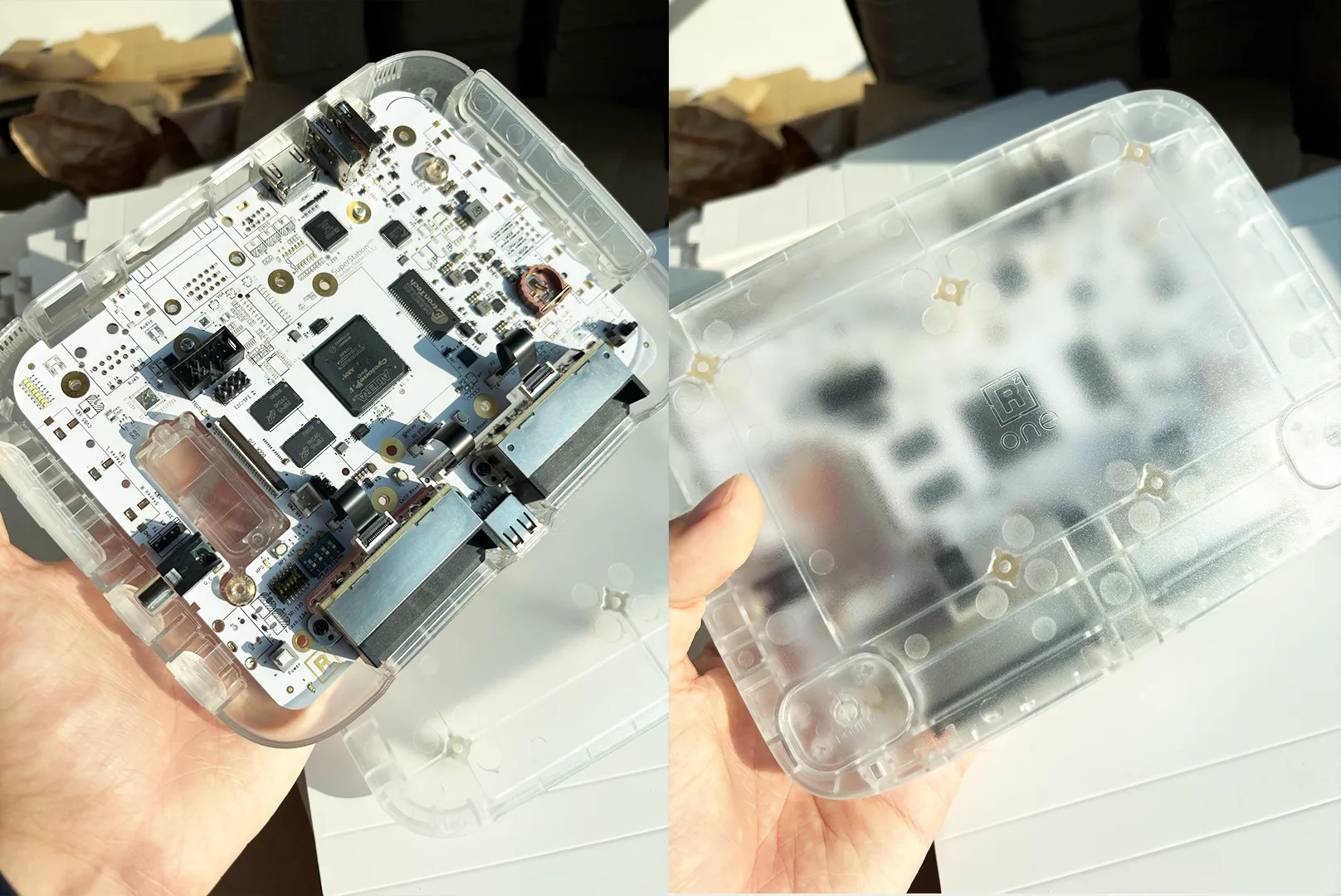
Retro gaming hardware development continues to evolve at a rapid pace, driven by consumer demand for authentic hardware emulation and modern display compatibility. Retro Remake, a prominent player in the retro gaming hardware ecosystem, has captured the attention of enthusiasts worldwide through the ongoing rollout of its flagship product, the SuperStation One (SS1). Designed to emulate the iconic aesthetics and architectural capabilities of the original PlayStation 1 while harnessing the versatile power of MiSTer FPGA cores, the console has established a notable presence in the retro gaming market since its rollout throughout 2026.
Building upon the initial market success of the standard hardware tier, company co-founder Taki Udon recently revealed that Retro Remake is actively prototyping a streamlined and more affordable iteration of the hardware, provisionally titled the SuperStation One Lite. This prospective development signals a strategic shift toward capturing a broader demographic of consumers by stripping away legacy analog features in favor of a streamlined, digital-first, and power-efficient profile. As Retro Remake balances production timelines for both the standard console lineup and emerging handheld hardware concepts, the introduction of an entry-level FPGA console could redefine accessibility in the high-end emulation market.
Background Context and the Evolution of the SuperStation One
The trajectory of the SuperStation One is deeply rooted in the broader renaissance of Field Programmable Gate Array (FPGA) technology within the retro gaming community. Unlike traditional software emulation—which relies on a host operating system to mimic processor architectures—FPGA technology configures hardware logic gates to physically replicate the circuits of original silicon chips. This method yields virtually zero input latency, highly accurate cycle-level timing, and exceptional compatibility with original media and software libraries.
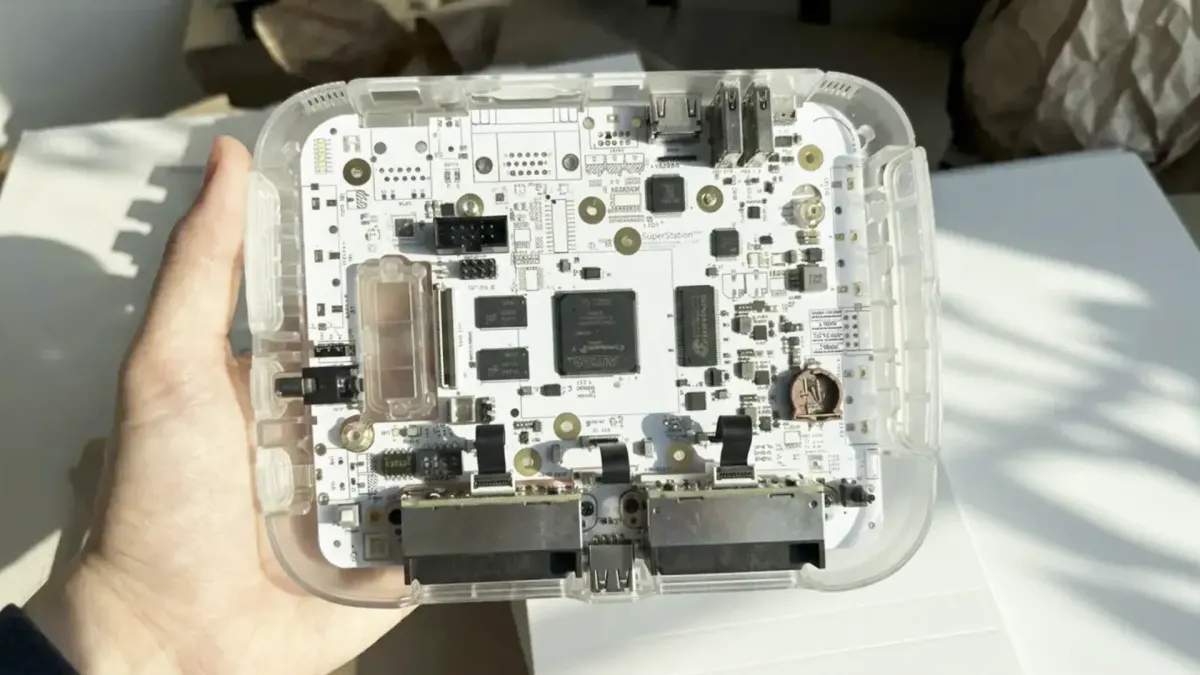
Retro Remake introduced the original SuperStation One to cater to enthusiasts seeking a dedicated, living-room-friendly device styled after classic console architecture. The standard hardware package is priced at $249, while a comprehensive bundle featuring the expansive SuperDock costs $299. The SuperDock elevates the platform’s versatility by introducing a comprehensive suite of legacy and modern connectivity ports, alongside an optional integrated optical disc drive. This modular approach allows purists to interact with physical media, such as original compact discs, while outputting video through multiple signal formats.
However, market research and consumer feedback indicated a distinct segment of the user base that utilizes modern digital displays exclusively and has little to no demand for legacy analog video standards. Recognizing this gap, the engineering team at Retro Remake utilized their ongoing development cycles to conceptualize a stripped-down variant that targets a more accessible price point without compromising core processing capabilities.
Technical Specifications and Prototype Insights
According to official statements and technical previews shared by Taki Udon, the proposed SuperStation One Lite prototype introduces significant architectural refinements compared to its predecessor. Most notably, the Lite variant is projected to retail at an aggressive price point of $200, making advanced FPGA-based retro gaming significantly more affordable.
To achieve this price reduction, the engineering team made deliberate choices regarding input/output capabilities and internal power delivery. The SuperStation One Lite omits all analog video output options entirely, pivoting to a strictly digital HDMI output architecture. Furthermore, the hardware drops support for the modular SuperDock system, meaning users will rely exclusively on the built-in port selection integrated directly into the primary console chassis.

Despite the removal of these features, the architectural adjustments yield tangible performance and thermal benefits. Taki Udon noted that the prototype operates with a notable reduction in power consumption, drawing two to three fewer watts than the standard model. This decrease in electrical load translates directly to lower thermal output, which, combined with internal chassis modifications, results in superior passive airflow and cooling efficiency. For end-users, this means a quieter, cooler-running device capable of sustaining long gaming sessions without thermal throttling or reliance on noisy active cooling fans.
Chronology of Development and Market Strategy
The conceptualization of the SuperStation One Lite follows a structured timeline of hardware iterations and community engagement pursued by Retro Remake throughout 2026.
- Early 2026: Retro Remake initiates global distribution and fulfillment of the standard SuperStation One console, alongside the modular SuperDock accessory, establishing baseline manufacturing and supply chain operations.
- Mid 2026: Engineering teams gather performance telemetry and consumer feedback regarding port utilization, revealing that a substantial portion of users exclusively utilize HDMI connectivity.
- September 2026: The engineering division develops and internally tests the first working prototype of the SuperStation One Lite, confirming the feasibility of a $200 price point and validating thermal improvements.
- October 2026: Leadership publicly acknowledges the existence of the Lite prototype via developer updates and social media channels, gauging consumer interest while simultaneously hinting at parallel developments, including upcoming FPGA handheld devices.
This measured approach to hardware iteration reflects a sophisticated understanding of consumer segmentation. By introducing a lower-cost tier, Retro Remake can capture budget-conscious enthusiasts who were previously priced out of the $249 to $299 ecosystem, while preserving profit margins on premium bundles tailored to hardcore purists.
Official Statements and Industry Reactions
While Retro Remake has not yet issued a definitive commercial release date or guaranteed mass-production schedule for the SuperStation One Lite, the transparency exhibited by leadership has generated substantial discussion within the retro gaming community.
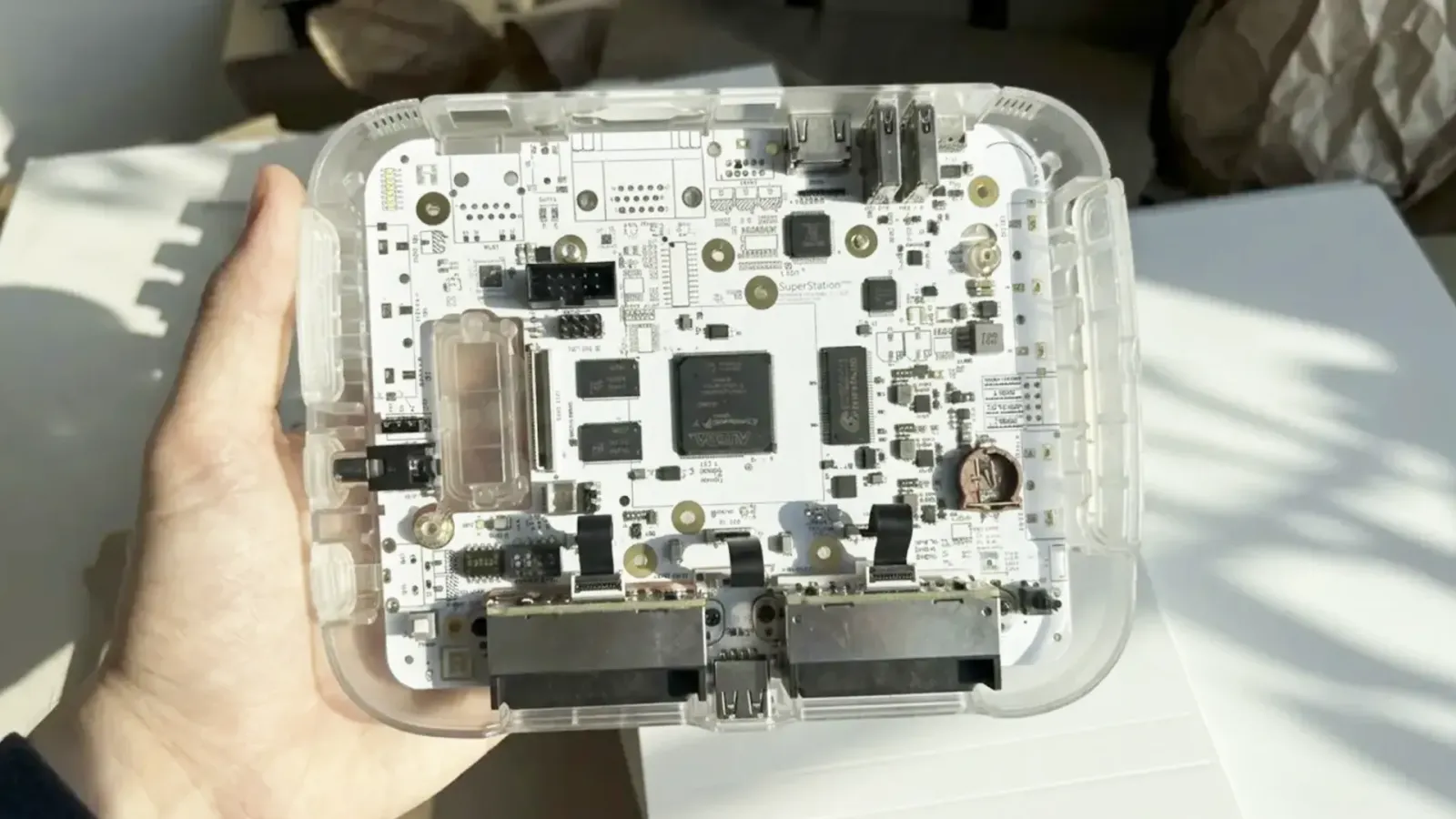
Detailing the rationale behind the hardware adjustments, Taki Udon stated, "Last month, we prototyped a $200 SS1 Lite version that has no analog output or Dock support. It uses 2-3W less power and has amazing airflow."
Industry analysts tracking the FPGA hardware market view this statement as a calculated indicator of product diversification. While legacy enthusiasts who value VGA, DIN10, composite, and component video outputs may express reservations regarding the loss of analog connectivity, the broader market potential for a streamlined $200 FPGA console is substantial. Competitors in the high-end emulation space have historically focused on feature-rich, high-cost assemblies; a streamlined, cost-effective alternative could pressure rival manufacturers to reevaluate their pricing strategies.
In addition to the stationary console market, social media communications from Retro Remake leadership have confirmed that the company is actively exploring a complementary lineup of FPGA-based handheld devices. This simultaneous expansion into portable form factors underscores an aggressive long-term product roadmap designed to position Retro Remake as a dominant hardware supplier across multiple gaming verticals.
Broader Impact and Market Implications
The potential introduction of the SuperStation One Lite carries several notable implications for the retro gaming hardware market:
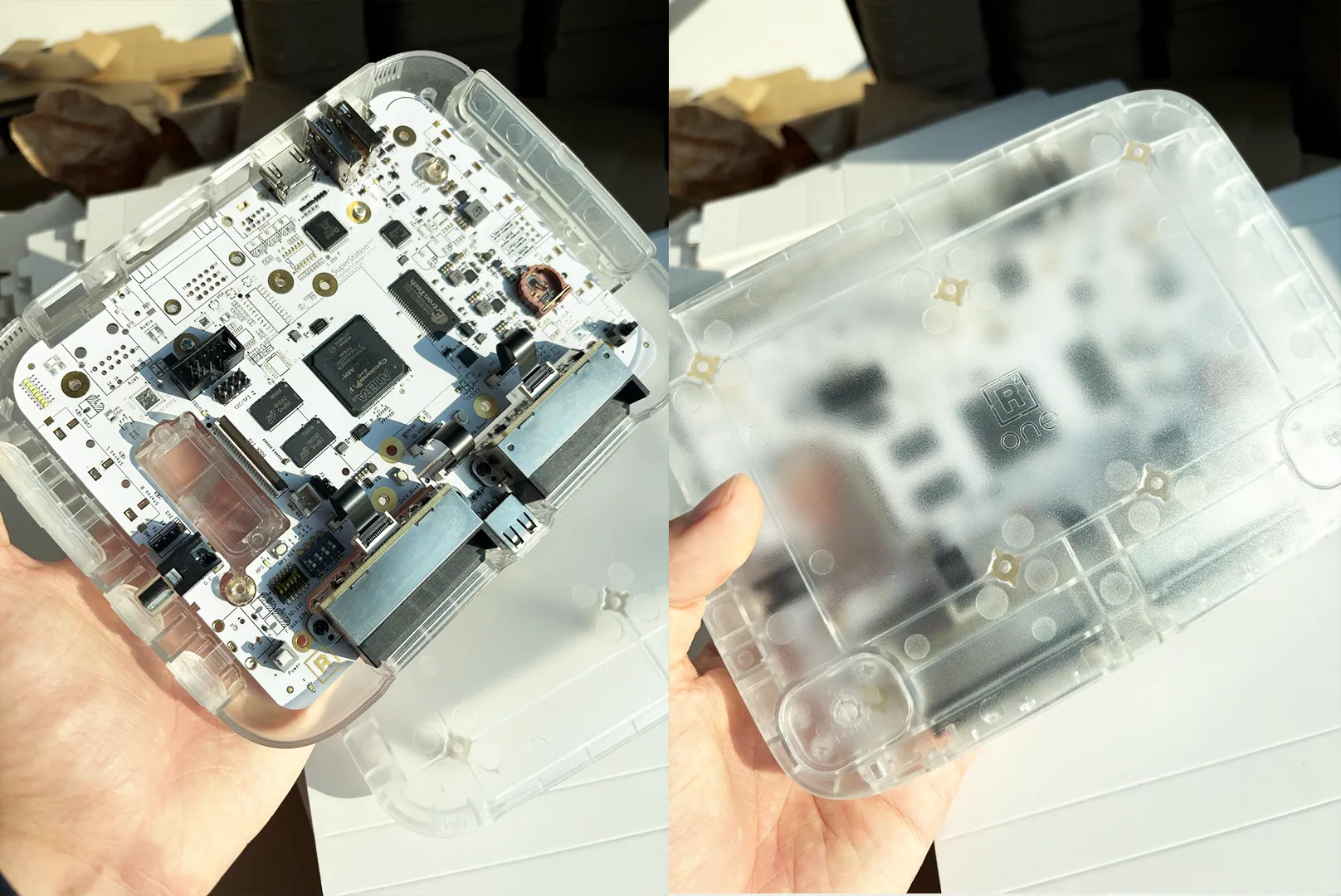
- Democratization of FPGA Technology: By lowering the entry barrier to the $200 threshold, high-accuracy hardware emulation becomes accessible to a broader consumer base that might otherwise rely on software-based emulation or budget-tier emulation handhelds.
- Streamlined Manufacturing and Supply Chains: Concentrating component sourcing around digital-only HDMI architecture reduces the complexity of motherboards, licensing requirements for legacy ports, and physical casing molds, potentially insulating the company from component shortages.
- Shift in Consumer Preferences: The viability of a "Lite" model will serve as a definitive market test to determine whether contemporary retro gamers prioritize authentic legacy connectivity or modern convenience paired with cost efficiency.
As Retro Remake navigates its production pipeline heading into 2027, industry observers and consumers alike will maintain a close watch on official announcements regarding the formal greenlighting and commercial rollout of the SuperStation One Lite. Whether this prototype transitions into a staple consumer product will depend heavily on sustained manufacturing feasibility and the final reception of its streamlined feature set by the global retro gaming community.