Chalid Lutfie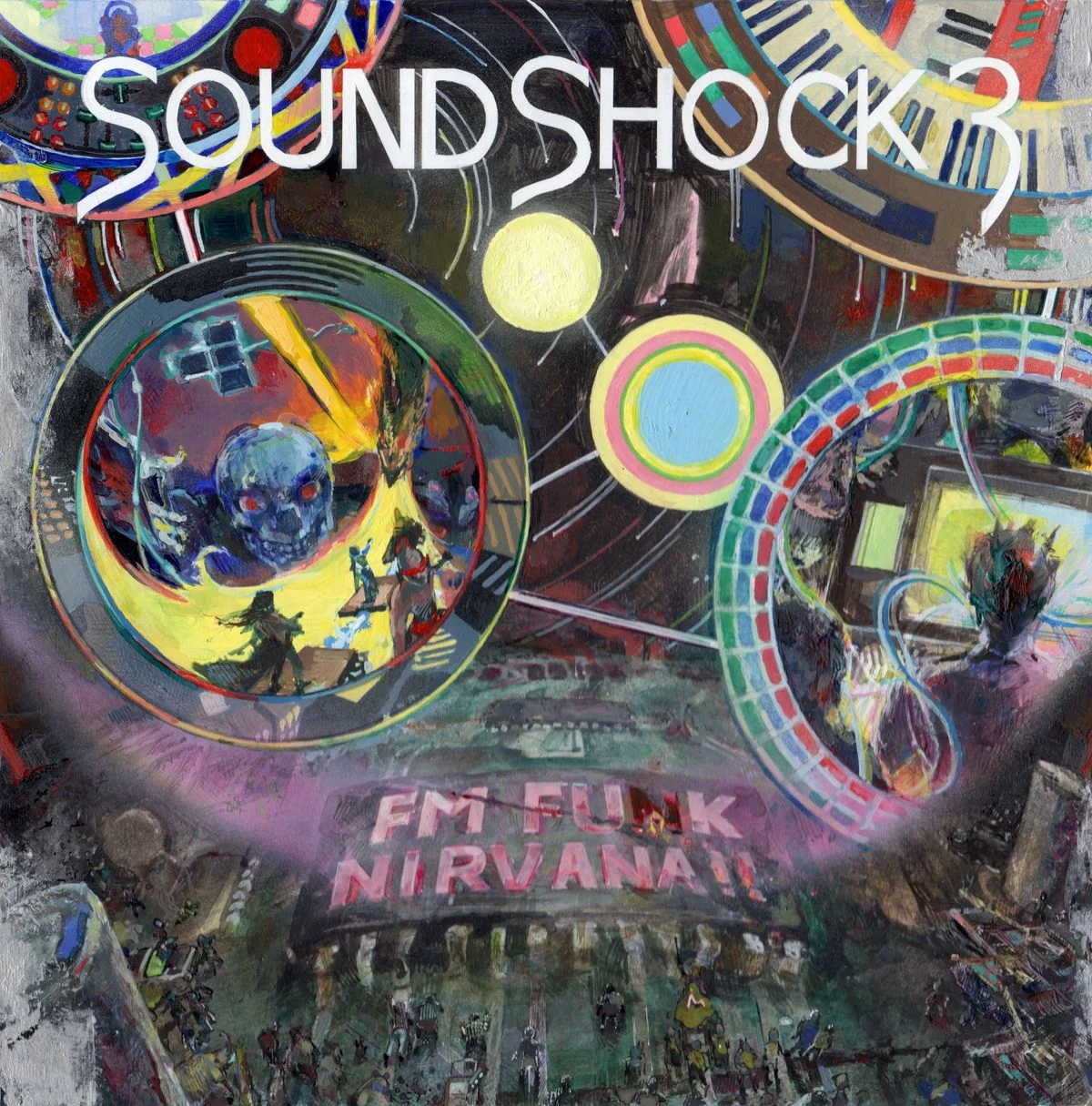
The SOUNDSHOCK series stands as a definitive milestone in the history of electronic music, specifically within the niche but culturally significant realm of chiptune and tracker-based composition. What began in 2010 as a modest proposal between composer zinger and the independent record label Ubiktune has since matured into a comprehensive, multi-volume compilation series that bridges the gap between Western demoscene culture and the legacy of Japanese arcade and computer game music. By curating a selection of artists who specialize in Frequency Modulation (FM) synthesis and retro-computing hardware, the project has successfully codified a digital subculture that honors the constraints of 8-bit and 16-bit sound chips while pushing the technical boundaries of modern sound design.
A Chronology of Artistic Convergence
The genesis of SOUNDSHOCK can be traced back to 2010, when C-jeff, the founder of Ubiktune, approached zinger with the intent of producing a solo album. During these initial discussions, zinger proposed an alternative project: a collective compilation that would serve as a platform for artists working within the chiptune, tracker, and demoscene communities. The proposal was accepted, and the first volume of SOUNDSHOCK was launched, marking a significant departure from standard artist-centric album releases.
The development of the series was heavily influenced by zinger’s formative experiences with the Sega Mega Drive, specifically titles such as Golden Axe II and Sonic the Hedgehog. These games introduced him to the distinctive, metallic, and punchy textures of FM synthesis, which would eventually become the sonic bedrock of the SOUNDSHOCK brand. Over the following decade, the project grew through a systematic curation process, connecting artists across continents—most notably between Sweden’s active chiptune scene and the established masters of Japanese game music.
By the time the third installment, FM FUNK NIRVANA!!, reached the public, the series had evolved into an international dialogue. This evolution mirrors the history of the chiptune movement itself, which transformed from a localized hobby for programmers into a globalized genre characterized by high-fidelity production and complex musical arrangements.
The Technological and Cultural Context of FM Synthesis
The prominence of FM synthesis in the SOUNDSHOCK series is not a stylistic coincidence; it is a deliberate exploration of a specific era of computing history. FM synthesis, popularized in the 1980s by Yamaha’s hardware and integrated into arcade boards and home consoles like the NEC PC-8801 and the Sega Mega Drive, offered a complex, multi-operator sound that differed significantly from the simpler pulse-wave synthesis of the Nintendo Entertainment System.
For the participants of the SOUNDSHOCK project, this technology represents a common language. The series has documented the work of key figures in the demoscene—an international computer art subculture that focuses on self-contained, real-time-generated audiovisual demonstrations. The convergence of Japanese game music legends, such as Keishi Yonao, with Western demoscene producers like zabutom and Metal, illustrates a unique cross-pollination of techniques. In this context, the project acts as an archive of a specific digital aesthetic, preserving the sounds of hardware that would otherwise be relegated to the history of obsolete computer components.
Bridging the East-West Divide: A Social Analysis
One of the most striking aspects of the SOUNDSHOCK project is its role in international cultural exchange. In the early 2010s, prior to the widespread adoption of real-time translation tools and global social media ubiquity, the community relied heavily on the mutual appreciation of game titles and composer names as a means of communication.
The project facilitated face-to-face and digital interactions between individuals like Ryu Takami and hex125, who found common ground in their shared devotion to specific sound palettes. This social phenomenon highlights the "language of aesthetics" inherent in music production. When Japanese composers, who grew up admiring the technical prowess of Western computer culture, met Western composers, who were equally enamored with the arcades of Japan, the resulting collaboration served to erase geographical and linguistic barriers. The inclusion of artists such as hally—a respected authority on the history of chiptune—further legitimized the series as a serious academic and artistic endeavor, providing the necessary context to appreciate the nuances of 1980s and 1990s Japanese game music.
Institutional Support and Label Dynamics
The role of Ubiktune in this endeavor cannot be understated. As a specialized label, Ubiktune provided the structural support necessary to turn individual tracks into a cohesive, high-quality compilation series. The label’s infrastructure allowed for the professional mastering and distribution of content that would have otherwise remained scattered across disparate internet forums and individual Soundcloud pages.
The collaborative nature of the project also involved a wide range of contributors, including Tsuyoshi Shimokura, Megus, Rufus Blacklock, and MmcM, among others. These contributors provided not only compositional support but also technical expertise in optimizing tracks for the specific hardware limitations that define the genre. By formalizing these contributions, the series created a sustainable model for independent digital labels, where the focus is shifted from individual fame to the preservation and advancement of a shared creative medium.
Broader Impact and Industry Implications
The implications of the SOUNDSHOCK series extend beyond the immediate satisfaction of its listeners. It serves as a case study for how modern, decentralized music communities can sustain themselves without the backing of major record labels. By leveraging the nostalgia for 16-bit hardware alongside a forward-looking approach to composition, the project has ensured that the "FM sound" remains relevant in contemporary electronic music.
Furthermore, the series provides a valuable repository of data for researchers interested in the history of interactive audio. As video game music continues to move toward orchestral and high-fidelity production, the study of the limitations of the 1990s sound chip—and the ingenuity required to overcome them—becomes increasingly important. The SOUNDSHOCK project essentially acts as a living history museum, where the "artifacts" are not static objects but evolving musical tracks that continue to challenge the capabilities of the hardware.
Looking Toward the Future
As of the latest release, FM FUNK NIRVANA!!, the series continues to emphasize the technical joy of FM synthesis. The project’s longevity is a testament to the fact that the aesthetics of the 8-bit and 16-bit era are not merely nostalgic, but are viable foundations for ongoing artistic innovation. The transition from a small-scale, niche compilation to a multi-volume series underscores the growth of the chiptune community and its ability to foster professional, high-quality artistic collaborations.
The success of SOUNDSHOCK suggests that there is a significant, dedicated audience for music that prioritizes hardware-based synthesis and technical craftsmanship. As technology continues to advance, the deliberate choice by these artists to remain tethered to the constraints of older systems—while simultaneously expanding the possibilities of what those systems can achieve—ensures that the legacy of the sound chip will endure.
Ultimately, the SOUNDSHOCK series has succeeded in its primary objective: to create a sense of community among those who find inspiration in the depths of digital worlds. By honoring the pioneers of the medium and welcoming new voices to the table, the project has solidified its place in the history of electronic music, proving that with enough passion and technical acumen, the sounds of the past can indeed inform the music of the future. The project stands as a tribute to the power of cross-cultural exchange and the enduring, universal appeal of the digital aesthetic.