Edi Durjana
The release of RetroArch 1.20.0 marks a significant milestone for the premier frontend for emulators, game engines, and media players. Available immediately across multiple operating platforms, the latest version of the open-source software introduces advanced graphical capabilities designed to improve motion clarity on modern hardware, alongside creative hardware integration features that bridge the gap between classic portable gaming and contemporary Linux devices. Developed by the Libretro team, the newly deployed software update maintains the project’s long-standing commitment to user-centric experiences, operating entirely free of monetization software development kits (SDKs), intrusive advertisements, or paywalled functionalities.
Groundbreaking Shader Technology Enhances Motion Clarity
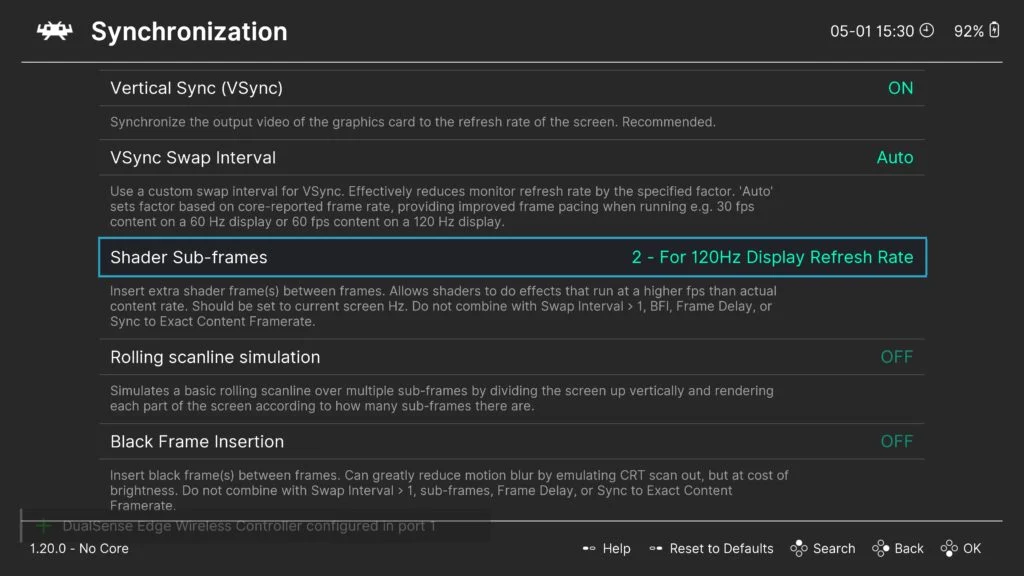
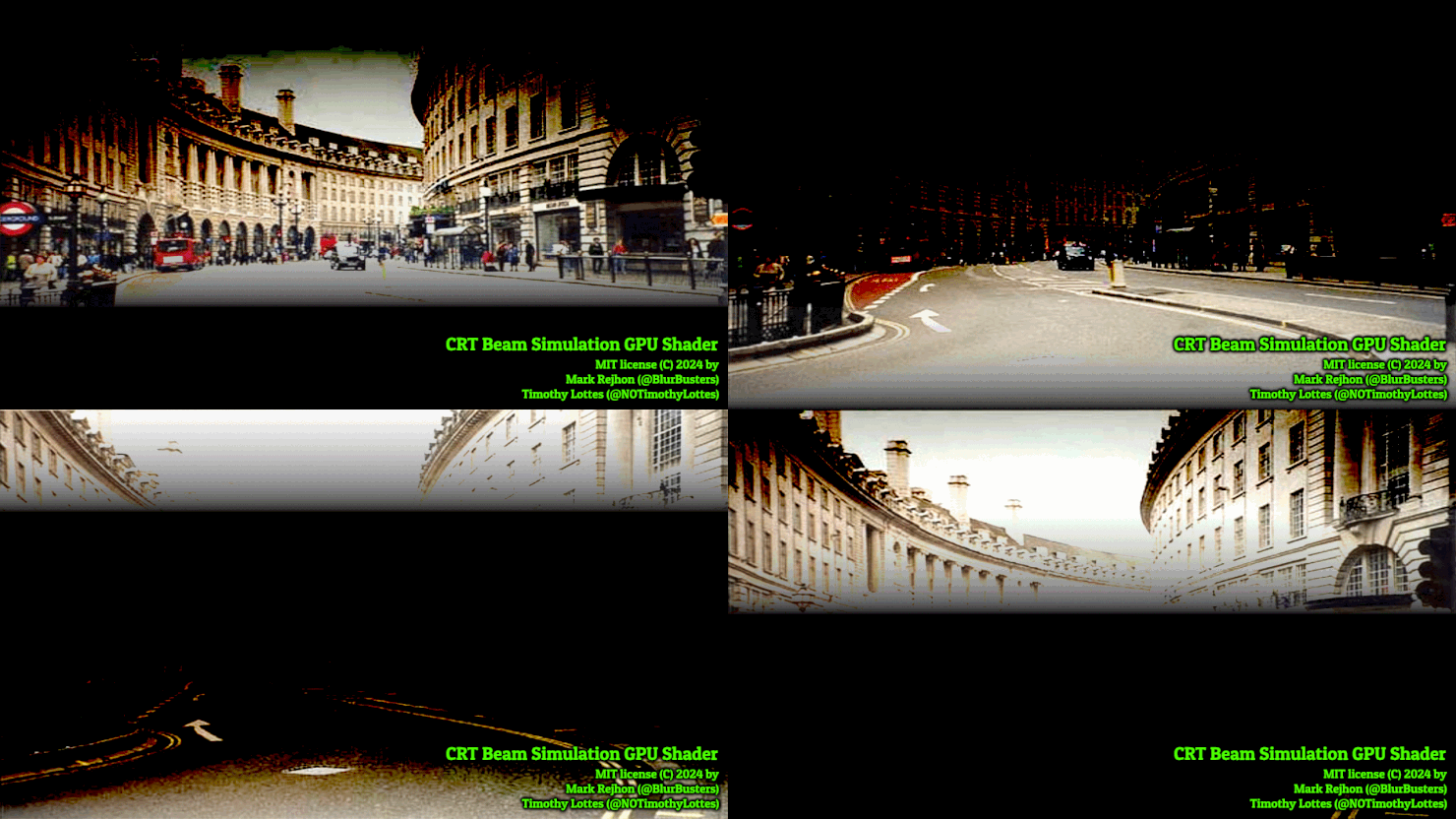
The standout technical achievement in RetroArch 1.20.0 is the introduction of a sophisticated CRT beam simulation shader. Developed collaboratively by Mark Rejhon of BlurBusters and Timothy Lottes—widely recognized for his work on the original Fast Approximate Anti-Aliasing (FXAA) shader and the foundational crt-lottes shaders—this new visual tool utilizes RetroArch’s recently implemented subframe shader architecture.
Historically, reproducing the look and feel of cathode-ray tube (CRT) monitors on modern liquid-crystal display (LCD) and organic light-emitting diode (OLED) panels has involved compromises. Traditional methods like black-frame insertion (BFI) often resulted in undesirable side effects, including a severe loss of overall screen brightness, washed-out color accuracy, and an increased risk of image persistence, an artifact common to certain panel technologies where static images temporarily linger on screen.
The newly integrated shader bypasses many of these traditional hurdles. By operating at the subframe level, the simulation successfully mimics the dynamic scanning beam of a classic CRT television. This provides users of contemporary high-refresh-rate displays with superior motion clarity without sacrificing the vibrancy of the color palette or compromising the hardware through excessive dimming. The implementation represents a major leap forward for simulation enthusiasts aiming for authentic visual feedback without upgrading to vintage hardware.
Expanding Hardware Horizons: Linux Illuminance Sensor Support
In addition to visual enhancements, RetroArch 1.20.0 brings novel hardware integration to Linux environments, spearheaded by developer Jesse Talavera. The update introduces native support for illuminance sensors running on Linux distributions, a feature that unlocks unique gameplay mechanics previously restricted to specific handheld hardware.
The most notable application of this new sensor support is experienced when playing titles designed around ambient light mechanics, most famously Konami’s Boktai series on the Game Boy Advance and its spiritual successors like Lunar Knights on the Nintendo DS. These original titles featured physical solar sensors built directly into the game cartridges, requiring players to step outside into actual sunlight to charge in-game weapons and progress through the narrative.
With the release of version 1.20.0, users running compatible Linux hardware—such as Valve’s Steam Deck—can now utilize built-in ambient light sensors to dynamically influence these games in real-time. Demonstrations provided by the development team show games like Lunar Knights responding fluidly as room lighting fluctuates, offering a modern, software-driven recreation of the original hardware gimmick. Furthermore, the Libretro team confirmed that upcoming updates to emulator cores, such as melonDS, will integrate direct solar sensor support alongside planned camera integration features slated for rollout on additional platforms following the 1.20.0 launch cycle.
Background Context and Evolution of the Libretro Ecosystem
To understand the weight of the 1.20.0 update, one must examine the broader evolution of the Libretro ecosystem. Established over a decade ago, RetroArch serves as a modular reference frontend for the Libretro API. It allows developers to port classic gaming systems, media players, and standalone applications into standardized dynamic libraries known as "cores." This architecture has transformed RetroArch from a niche enthusiast project into the de facto standard for software-based digital preservation.
Over the years, the project has steadily expanded its reach from traditional desktop environments on Windows, macOS, and Linux to mobile platforms including Android and iOS, as well as living room consoles and specialized handheld devices. Despite the massive fragmentation of the hardware landscape, the Libretro core maintainers have consistently adhered to a decentralized, volunteer-driven development model. The introduction of complex features like subframe shaders and hardware sensor integration demonstrates the maturity of the codebase, transitioning from basic emulation accuracy toward high-fidelity sensory reproduction and modern hardware synergy.
Sustainable Open-Source Development and Community Support
Unlike many commercial software suites in the gaming and emulation space, RetroArch and the underlying Libretro framework have steadfastly refused commercialization models that compromise user privacy or experience. The development team reiterated its policy against intrusive monetization practices alongside the launch of version 1.20.0, emphasizing that the software remains entirely free of paywalls, locked feature sets, and third-party advertising SDKs.
The project relies instead on a decentralized funding and support model. Operating costs, server maintenance, and developer bounties are financed entirely through community contributions. Alongside established channels such as Patreon, the organization recently expanded its fundraising efforts to include GitHub Sponsors, allowing developers and enthusiasts to contribute via recurring or one-off financial backing. Additionally, official merchandise stores managed through platforms like Teespring provide alternative revenue streams. Industry analysts and open-source advocates frequently point to Libretro as a sustainable model for long-term digital preservation projects, proving that complex, high-performance software can thrive outside traditional corporate structures through transparent community backing.
Broader Implications and Future Outlook
The deployment of RetroArch 1.20.0 carries wide-ranging implications for both the retro gaming community and the broader display technology sector. By partnering with industry experts like Mark Rejhon of BlurBusters, the Libretro project bridges the gap between grassroots emulation communities and professional display ergonomics. The successful implementation of subframe shaders establishes a benchmark that other display-focused software developers are likely to observe closely, particularly as consumer monitors increasingly adopt ultra-high refresh rates.
On the portable front, the integration of Linux illuminance sensor support highlights the growing viability of multipurpose handheld PCs, such as the Steam Deck and its growing array of competitors, as primary platforms for complex emulation tasks. As developers continue to leverage low-level operating system APIs to interact with embedded hardware sensors, the boundary between native software and emulated titles continues to blur, offering experiences that feel increasingly authentic to original platform designs.
Users wishing to experience these features firsthand can download the update directly via the official RetroArch platform directory. As the development roadmap unfolds past the 1.20.0 release, the community anticipates further core updates, expanded platform camera support, and continued refinement of the ecosystem’s graphical and hardware integration capabilities.