 Hartono Sudibyo
The landscape of retro video game emulation has expanded significantly with the release of VBoy Color, a novel software application designed to transform Nintendo’s notoriously monochromatic Virtual Boy library into full-colour experiences. Developed by independent programmer yuk27, the emulator is currently available for personal computers and Meta Quest virtual reality headsets via GitHub. By utilizing an array of built-in colour packs, the software automatically translates the platform’s signature, eye-straining bright red graphics into a modern, multi-coloured palette while preserving the original stereoscopic 3D depth that defined the short-lived 1990s console.
Main Facts and Technological Overview
VBoy Color operates by replacing the single-colour LED array that characterized the original hardware’s dual-display visor with dynamic colour mapping. When Nintendo originally launched the Virtual Boy in 1995, hardware limitations and cost constraints forced engineers to rely on red-on-black monochrome displays. This aesthetic choice quickly became infamous for causing severe eye fatigue and headaches among users, severely limiting the console’s commercial appeal and catalog size.
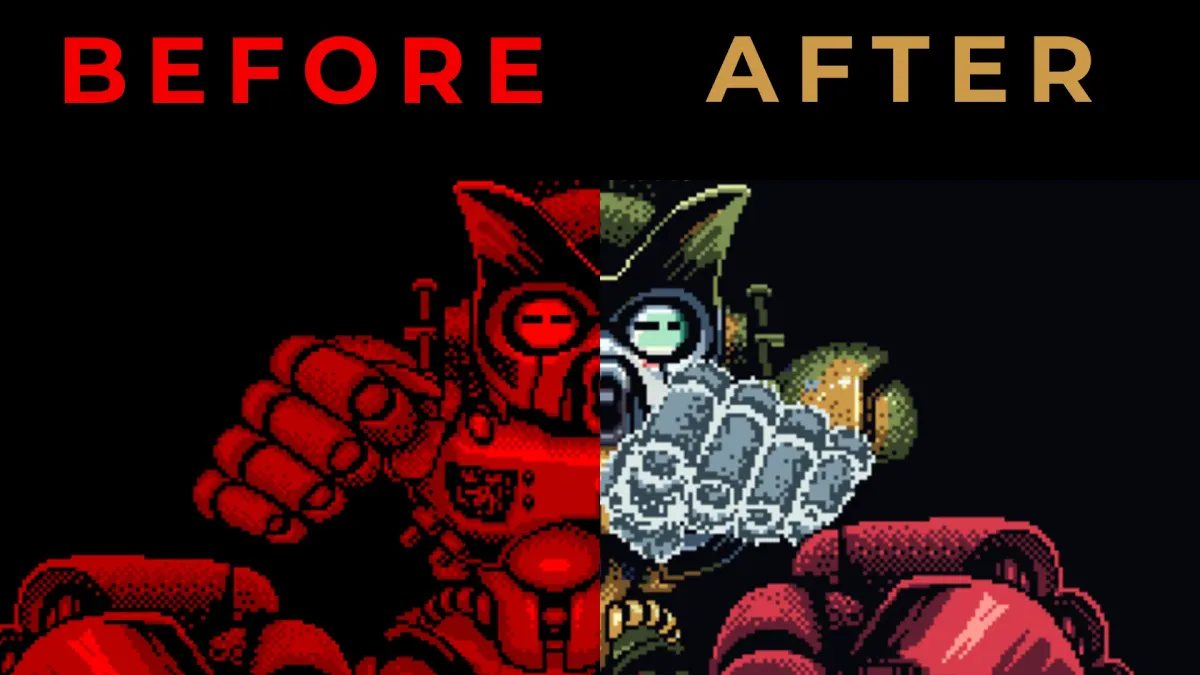
The new emulator addresses this historical bottleneck by introducing automated colour schemes tailored to individual titles. According to the developer, the core assets were generated through a hybrid process: the creator manually coloured a series of baseline character sprites before utilizing Anthropic’s Claude artificial intelligence model to extrapolate those artistic choices across the remainder of each game’s assets. While the developer has noted that users should expect occasional graphical inconsistencies or bugs inherent to automated colour mapping, the project marks a significant technical leap for a console that has long resisted modern graphical overhauls.
Historical Context and Chronological Background
Released in Japan in July 1995 and North America in August 1995, the Virtual Boy was conceived as Nintendo’s entry into virtual reality technology, spearheaded by legendary hardware designer Gunpei Yokoi. However, the system faced immediate challenges. Rushed to market to make way for the development of the Nintendo 64, the console suffered from a lack of third-party support, a high retail price point, and an uncomfortable tabletop design that required players to hunch over a mounted eyepiece.
The system was quietly discontinued less than a year later after selling fewer than 800,000 units globally, cementing its status as one of Nintendo’s most notable commercial failures. Despite its brief lifespan, the console accumulated a cult following of dedicated retro enthusiasts and collectors. Over the decades, hobbyists have attempted to make the hardware’s library more accessible through various emulation methods, homebrew patches, and VR adaptations, though none have offered a comprehensive, automated real-time colour conversion system quite like VBoy Color.

Supporting Data and Platform Compatibility
The release of VBoy Color bridges the gap between obsolete 1995 hardware and modern virtual reality platforms. By supporting Meta Quest headsets alongside traditional PC environments, the emulator taps into the native stereoscopic capabilities of modern VR hardware. The original Virtual Boy achieved its 3D effect by using two separate oscillating mirror displays—one for each eye—to create parallax scrolling.
Meta Quest headsets, equipped with high-resolution stereoscopic OLED or LCD panels, provide an ideal medium for emulating this dual-screen setup without requiring specialized physical lenses. Users can run ROM files of classic Virtual Boy titles—such as Wario Land, Mario’s Tennis, Red Alarm, and Teleroboxer—directly through the software, which applies the colour packs on the fly. The accessibility of the project via GitHub allows open-source contributors to inspect, modify, and potentially refine the automated colour-mapping algorithms to correct the bugs and inconsistencies noted by the original developer.
Industry Implications and Preservation Impact
The introduction of VBoy Color highlights ongoing debates within the video game preservation and emulation community regarding the ethical and practical use of artificial intelligence in software enhancement. While purists often argue that retro hardware should be experienced strictly in its original, unmodified state—monochromatic red display included—accessibility advocates maintain that removing physical barriers such as eye strain is vital for modern audiences to appreciate historical software catalogs.

Furthermore, the reliance on AI-assisted asset extrapolation opens new avenues for retro game modders looking to breathe new life into dormant libraries. As hardware preservation increasingly shifts toward software-based virtualization and VR integration, tools that lower the barrier to entry for obscure systems like the Virtual Boy ensure that gaming history remains accessible rather than locked away on deteriorating physical media. Whether VBoy Color will inspire official modern re-releases or spur further community-driven preservation efforts remains to be seen, but the software successfully redefines how a generation of forgotten 3D games can be experienced today.