 Arya Paningal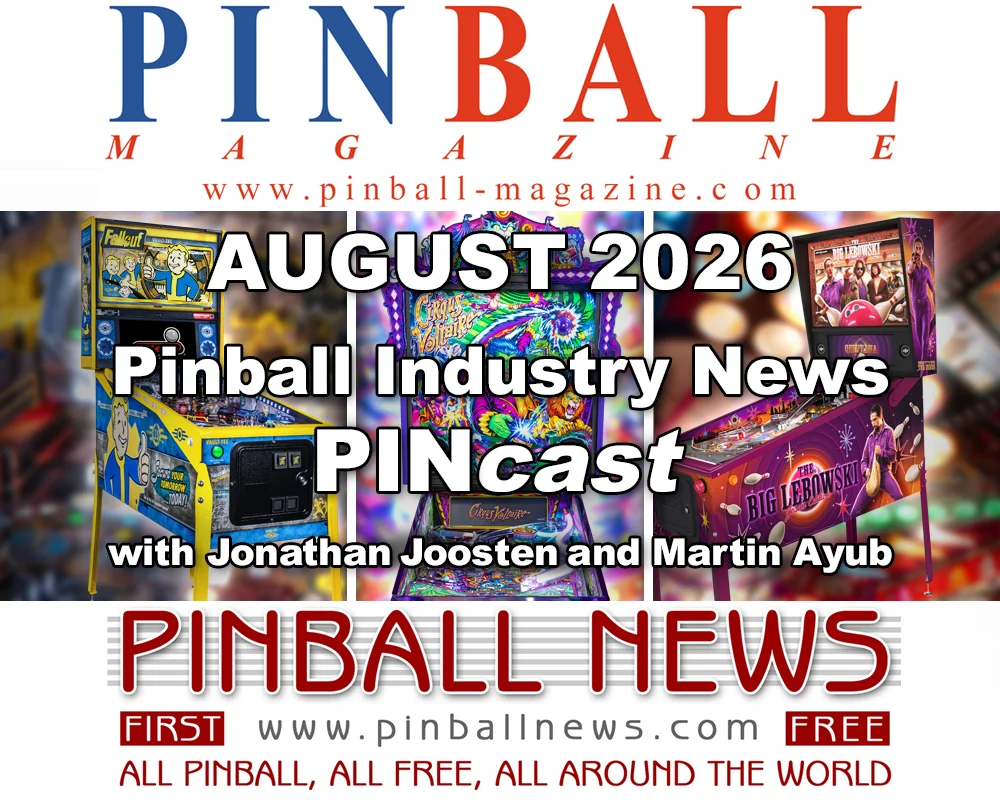
The global pinball manufacturing sector is currently experiencing a period of unprecedented production volume, characterized by a rapid succession of machine launches, technological integrations, and brand-licensing expansions. In the latest installment of the Pinball Industry News (PIN) PINcast, hosts Martin and Jonathan provide an exhaustive analysis of these industry shifts, focusing on the late-summer surge of new hardware reveals. This month’s episode, delayed slightly to accommodate the high-profile unveiling of Stern Pinball’s latest collaboration, serves as a definitive briefing for collectors, operators, and industry stakeholders.
The Fallout Reveal and Stern Pinball’s Strategic Expansion
The centerpiece of this month’s industry activity is the launch of the Fallout pinball machine by Stern Pinball. Designed by the renowned Keith Elwin, the machine represents a multifaceted licensing endeavor, drawing inspiration from both the foundational computer game franchise and the successful Amazon Prime television adaptation.
From an engineering perspective, the Fallout machine utilizes a complex architecture, featuring both upper and lower playfields. Key interactive elements, such as the integrated rocket launcher and a mechanical vault door, reflect a trend toward higher mechanical density in modern premium-tier machines. By synthesizing intellectual property from multiple media streams, Stern Pinball is clearly targeting a demographic that spans both legacy gamers and contemporary streaming audiences. Analysts note that this "cornerstone/studio" hybrid release strategy allows the manufacturer to maximize the visibility of the brand while justifying a higher price point for premium units. The inclusion of technical insights from Elwin regarding the machine’s development cycle underscores the industry’s shift toward treating pinball design as a high-fidelity creative process akin to AAA video game development.
Beyond the flagship Fallout release, Stern Pinball has demonstrated a commitment to market diversification with the launch of the Pokémon Home Edition Plus. Sold exclusively through Costco in the United States, this model serves as an entry-level bridge for the home-consumer market. Early market reception suggests that the streamlined design and competitive pricing are proving effective in lowering the barrier to entry for domestic buyers who may be intimidated by the cost and maintenance requirements of commercial-grade machines.
The Reimagining of Classics: American Pinball and The Big Lebowski
While new intellectual property dominates the headlines, the trend of “reimagining” legacy titles continues to gain momentum. American Pinball has officially moved forward with its remake of the 1997 Bally classic, Cirqus Voltaire. First teased in March 2026, the project has now entered its formal rollout phase with two distinct tiers: the Classic edition and the enhanced Ringmaster edition.
The strategy behind the Cirqus Voltaire remake involves the integration of modern digital hardware and updated lighting arrays into the original mechanical chassis. This approach satisfies the demand for “vintage” gameplay while addressing the reliability issues and aesthetic limitations associated with 20th-century components.
Simultaneously, the industry has seen a surprising resurgence of interest in Dutch Pinball’s The Big Lebowski. Despite the original machine being released a decade ago, the company has announced the “Jesus Edition,” a limited production run of 300 units themed around the iconic character portrayed by John Turturro. The significance of this release lies in the company’s commitment to legacy hardware; the new gameplay features developed for this edition are slated to be compatible with existing machines, demonstrating a post-purchase support model that is becoming increasingly critical for high-end collectors.
Technological Integration and Ecosystem Growth
The August report highlights significant shifts in how pinball machines interact with digital ecosystems. Turner Pinball has made significant strides in this area with the launch of "PinAccess," a centralized score and achievement tracking platform. This system is designed to provide a unified user experience, allowing players to log data across different manufacturers’ machines.

The integration of PinAccess into American Pinball’s Cirqus Voltaire marks a shift toward inter-manufacturer cooperation. By offering direct purchasing options and logistical benefits—such as preferential shipping windows and cost savings—through the platform, Turner Pinball is attempting to streamline the acquisition process. This vertical integration of the sales and post-purchase experience represents a major step in maturing the pinball supply chain, moving away from the fragmented, boutique sales models of the past.
Niche Markets and Platform Longevity
The P3 platform by Multimorphic continues to expand its utility, with Deluxia Studios recently releasing the “Carni-Ball Night” retheme for the Weird Al playfield module. As the 30th game available on the P3 platform, this release reinforces the viability of the modular pinball concept. By allowing operators and home users to swap playfields on a single cabinet base, Multimorphic remains the primary competitor in the modular hardware space, effectively insulating its users from the need to purchase entirely new cabinets to experience new software themes.
Furthermore, the Barrels of Fun Bon Jovi machine has transitioned from a factory-floor concept to an international touring entity. The game’s presence at the UK Pinfest and its association with the band’s residency at Wembley Stadium highlights the effectiveness of location-based entertainment (LBE) marketing. By aligning physical machine placement with live concert events, manufacturers are successfully tapping into the crossover appeal of music-themed pinball.
The Broader Industry Landscape: Production and Distribution
The relationship between Pinball Brothers, Pedretti Gaming, and Euro Pinball remains a primary focus for industry observers. As these entities navigate shared manufacturing resources and distribution networks, the CEO of Pinball Brothers has signaled a shift in operational focus. This consolidation of effort is likely a response to the increased costs of materials and the logistical pressures currently facing the manufacturing sector.
The August 2026 PINcast also serves as a primer for the upcoming Pinball Expo. With the industry currently operating at a breakneck pace, the Expo is expected to be a venue for further hardware announcements. Preliminary reports indicate that new code updates—critical for the long-term playability of modern games—are being prioritized, along with logistical preparations for the 2027 exhibition circuit, including advanced booking options for the UK Pinfest.
Summary of Market Implications
The current state of the pinball industry, as detailed in the August 2026 report, can be categorized by three primary drivers:
- IP Hybridization: The blending of gaming, television, and music intellectual properties to capture wider demographics.
- Modular Evolution: The increasing importance of digital platforms (like PinAccess) and modular hardware (like the P3) to provide value beyond the initial purchase.
- Lifecycle Management: The shift from “one-and-done” releases to long-term support, evidenced by the Jesus Edition of The Big Lebowski and ongoing code support for established titles.
For the collector and the operator, these developments indicate a market that is maturing rapidly. The transition from a niche hobbyist field to a more standardized, tech-integrated industry has increased both the quality of the product and the complexity of the supply chain. As manufacturers like Stern, American Pinball, and Turner Pinball continue to refine their distribution and software strategies, the barrier for entry for casual fans continues to fluctuate, while the depth of experience for the dedicated enthusiast continues to grow.
The August 2026 PINcast serves as a critical document for those looking to track these trends. With the industry showing no signs of slowing down, the ability to synthesize these disparate updates—from software patches to factory expansions—is essential for understanding the trajectory of modern pinball. The full report, which includes detailed gameplay analysis, interviews with designers, and insights into the upcoming show schedule, is available for streaming on all major podcast platforms and via the official Pinball News portal. As the industry looks toward the autumn exhibition season, the focus remains on sustaining this record-breaking pace while balancing the demands of a global and increasingly digital-savvy customer base.