 Hartono Sudibyo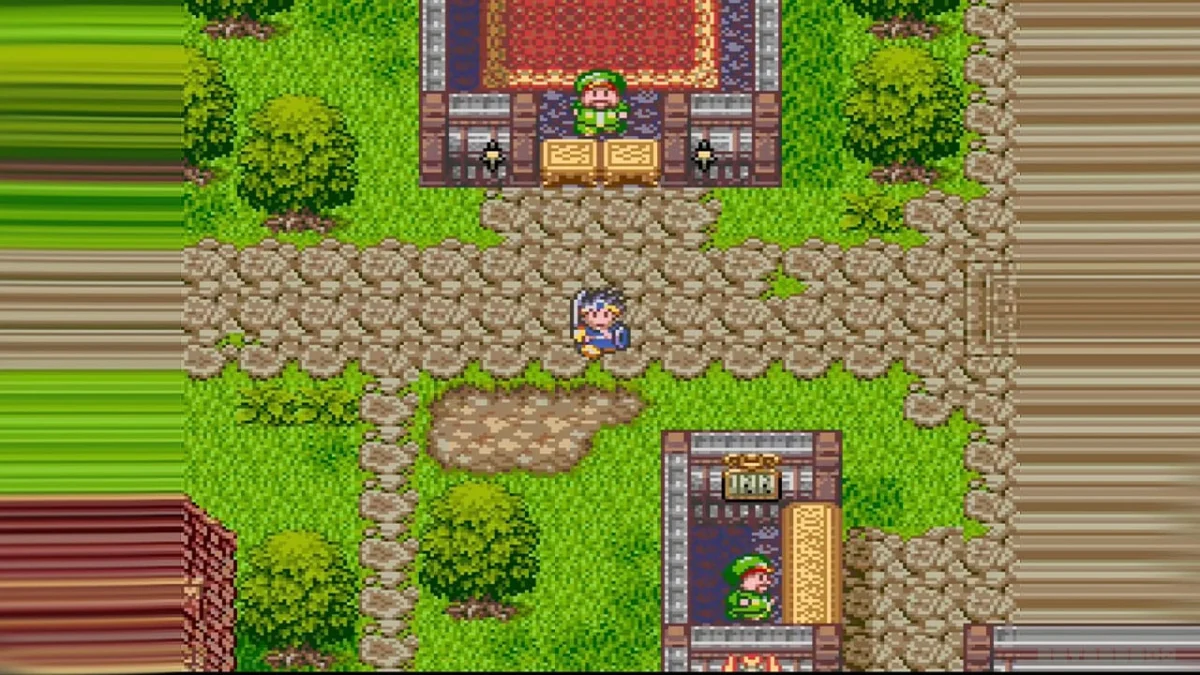
The landscape of retro gaming development has entered a fascinating new phase as an independent developer undertakes a project previously thought commercially and technically impossible: porting the legendary role-playing game Dragon Quest III to the Sega Mega Drive. Originally released by Enix (now Square Enix) in 1988 for Nintendo’s Famicom console—and later localized in North America as Dragon Warrior III in 1991 for the Nintendo Entertainment System (NES)—the title remains a cornerstone of the jRPG genre. Throughout its decades-long history, Dragon Quest III has seen official ports and remakes on numerous platforms, spanning Nintendo, Sony, and Microsoft ecosystems, as well as mobile devices. However, its classic 8-bit and 16-bit iterations famously bypassed Sega’s dominant 16-bit hardware entirely due to the intense corporate rivalry and distinct architectural differences of the era.
This long-standing platform barrier is now being challenged by developer junkatana, who has released early footage demonstrating an unofficial conversion of the game running on Sega Mega Drive hardware. The project, while still in its preliminary stages of development, highlights the enduring ingenuity of the retro homebrew community, which continues to breathe new life into vintage hardware decades after manufacturers have ceased production.
Main Facts of the Unofficial Port
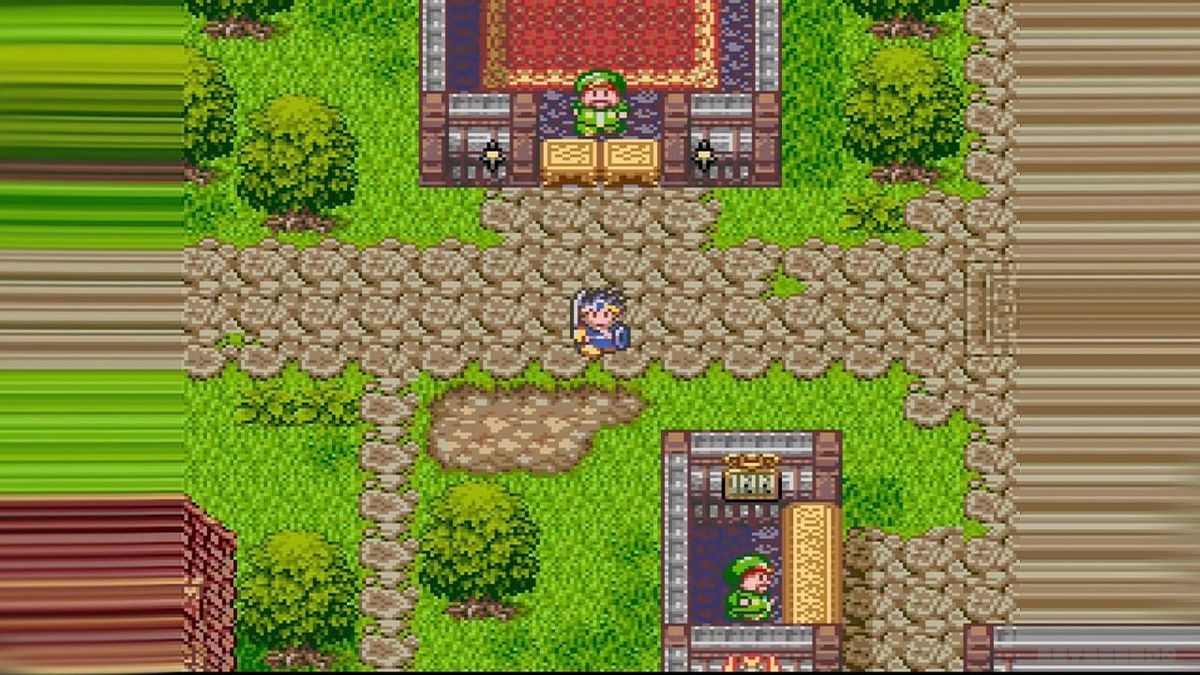
The existence of the port came to light following video demonstrations shared online, showcasing early builds of the project running natively on Sega hardware. Unlike the original 1988 Famicom release, which utilized limited 8-bit sprites and sound channels, visual evidence from the project suggests an aesthetic closer to the 1996 Super Famicom (SNES) remake. Observers have noted that the graphical fidelity, color palette, and character framing evoke comparisons to other 16-bit masterpieces like Square’s Chrono Trigger, albeit adapted to interface with the unique ergonomics of a Sega Mega Drive controller.
According to technical previews and commentary highlighted by community researchers—including social media coverage by figures like Renpou—the homebrew adaptation is not merely a cosmetic skin. The developer is actively implementing structural upgrades to the game environment, incorporating newly designed save systems, expanded shop interfaces, redesigned castles and inns, and optimized audio routines tailored to the Mega Drive’s Yamaha YM2612 sound chip.
The intersection of classic assembly programming and modern development assistance has also become a subject of discussion within the retro community. While precise details regarding junkatana’s workflow remain scarce, analysts within the homebrew sector note that modern developers frequently leverage auxiliary tools, scripts, and occasionally generative artificial intelligence to streamline repetitive tasks such as asset conversion, text parsing, and sprite sheet organization. While the core programming logic required to bridge Nintendo-centric game data structures with Sega’s Motorola 68000 processor architecture demands rigorous human engineering, the presence of polished promotional assets hints at a modern hybrid development pipeline.
Historical Chronology and Background Context
To understand the significance of this homebrew project, one must examine the fierce console wars of the late 1980s and early 1990s. The historical timeline of Dragon Quest III and its hardware ecosystem frames why this crossover is notable:
- February 1988: Enix launches Dragon Quest III: The Seeds of Salvation in Japan for the Nintendo Famicom, creating unprecedented cultural phenomena and retail queues that led to strict government advisories regarding release-day absenteeism.
- October 1988: Sega releases the Mega Drive in Japan, entering the 16-bit generation slightly ahead of Nintendo’s Super Famicom. Concurrently, Enix maintains a tight alignment with Nintendo, ensuring that its flagship franchise remains exclusive to Nintendo hardware platforms.
- March 1992: Enix finally publishes Dragon Warrior III in North America via Enix America Corporation, cementing the series’ legacy on the NES well into the lifespan of 16-bit consoles.
- 1996: Square Enix releases a comprehensive remake of Dragon Quest III for the Super Famicom, featuring overhauled 16-bit graphics, orchestrated soundtracks, and updated character classes.
- 2000s–2020s: The title receives subsequent ports to the Game Boy Color, mobile platforms, PlayStation 4, and Nintendo Switch, alongside announcements for high-definition 2D-HD remakes. Throughout this multi-decade expansion, the Sega Mega Drive and Genesis remain entirely absent from the title’s distribution history.
- October 2026: Independent developer junkatana unveils early video footage of an unofficial port running on Sega Mega Drive hardware, bridging a historical 38-year gap between the software franchise and Sega’s 16-bit architecture.
Technical Implications and Architecture Challenges
Porting a game designed for an 8-bit Ricoh-based processor or a 16-bit SNES architecture onto Sega’s Motorola 68000-powered Mega Drive is a formidable technical endeavor. The Mega Drive runs on a 16/32-bit CISC microprocessor operating at approximately 7.6 MHz, paired with a Z80 secondary processor handling backwards compatibility and audio processing. Conversely, Nintendo systems relied heavily on custom picture processing units (PPUs) and specific memory mapping configurations.
For junkatana, the primary hurdle involves reverse-engineering game logic, script engines, and map layouts from the established iterations of Dragon Quest III and recompiling them to execute within the memory limitations and graphical tile-rendering constraints of the Mega Drive’s Video Display Processor (VDP). The inclusion of enhanced save systems and modified infrastructural locations—such as customized inns and shops—indicates that the developer is writing custom routines rather than relying solely on a direct binary translation or basic emulation layer.
Furthermore, audio integration poses a distinct challenge. The Mega Drive’s FM synthesis sound chip produces a crisp, distinctively metallic acoustic profile compared to the Nintendo sound hardware of the era. Adapting the iconic musical compositions of Koichi Sugiyama to utilize the Yamaha chip requires meticulous arrangement, adding another layer of complexity to the homebrew production cycle.
Community Response and Industry Impact

The broader retro gaming community has responded with cautious optimism and keen analytical interest. Homebrew development for legacy consoles has grown into a thriving sub-industry, supported by physical cartridge manufacturers, crowdfunding platforms, and dedicated digital archives. Projects that cross historical hardware divides—such as bringing Nintendo-exclusive intellectual properties to Sega systems—frequently capture the imagination of enthusiasts who grew up during the console wars.
While copyright holders such as Square Enix maintain strict intellectual property rights over the Dragon Quest franchise, historical precedent shows that non-commercial homebrew software, ROM hacks, and technical demonstrations generally operate within a complex legal gray area unless commercial distribution or copyright infringement triggers corporate intervention. As of this writing, Square Enix has issued no formal statement regarding the project. Observers anticipate monitoring whether the development progresses toward a functional, open-source release or a physical cartridge prototype, or if it remains an isolated technical proof-of-concept.
Future Outlook for the Project
As development continues, attention will likely focus on whether junkatana releases the underlying source code or comprehensive technical documentation detailing the porting methodology. Analysts following the scene note that the transparency of homebrew projects often dictates their long-term viability, allowing community contributors to assist with debugging, balance testing, and hardware compatibility checks across various Mega Drive hardware revisions and clone consoles.
Whether this unofficial adaptation ultimately results in a fully playable, beginning-to-end version of Dragon Quest III on Sega hardware remains to be seen. Nevertheless, the initiative underscores the boundless creativity of software preservationists and developers determined to rewrite gaming history on their own terms, proving that even after nearly four decades, classic software can still find new frontiers on unexpected hardware.