 Chalid Lutfie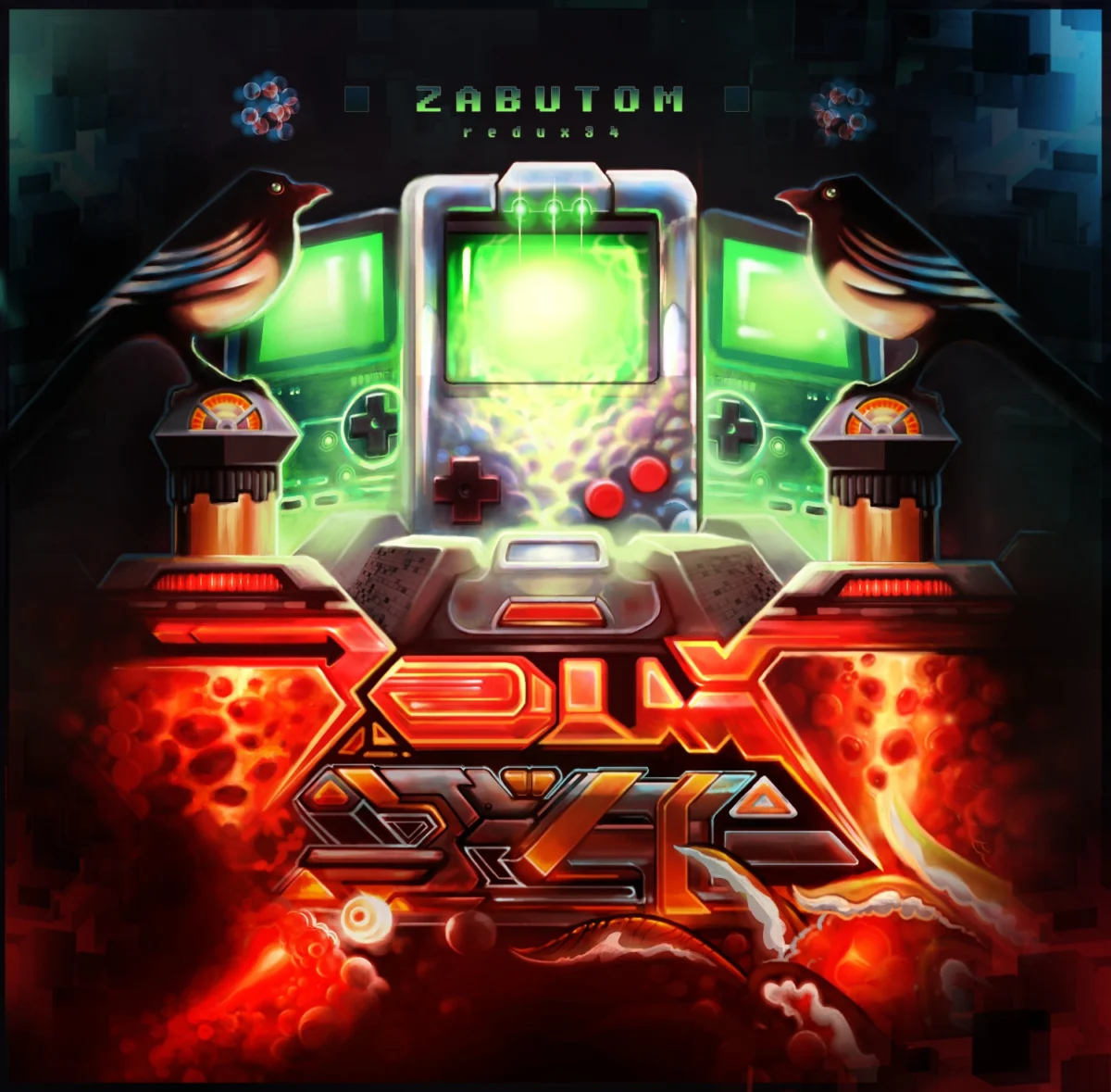
The release of Redux34 on September 18, 2015, serves as a significant juncture in the career of Swedish composer Niklas Sjösvärd, known professionally as zabutom. By synthesizing the rigid, nostalgic constraints of 8-bit sound hardware with the expansive, fluid structures of progressive rock, IDM, and folk music, the album challenges the traditional boundaries of the chiptune genre. This release does not merely serve as a collection of tracks; it acts as a retrospective on Sjösvärd’s technical maturation, bridging the gap between his early demoscene roots and his formal academic training in electronic composition.
The Evolution of a Chiptune Virtuoso
Niklas Sjösvärd, born in 1985, emerged from the highly technical environment of the early 2000s demoscene—a subculture defined by the creation of real-time computer-generated art and music. During this period, musicians were tasked with pushing the limitations of aging hardware, such as the Nintendo Entertainment System (NES) and the Game Boy’s internal sound chip. Sjösvärd’s work quickly gained traction, culminating in his 2011 debut release, Zeta Force. Published via the chiptune-centric label Ubiktune, the album was characterized by high-energy, shmup-inspired compositions that cemented his status as a leading voice in the genre.
However, the period between 2011 and 2015 represented a transformative phase for the composer. In 2014, Sjösvärd completed a bachelor’s degree in composition and electronic music at the Academy of Music and Drama in Gothenburg. This formal education provided him with a broader theoretical framework, allowing him to integrate complex sound design and structural variations into his compositions. Redux34 is the direct result of this synthesis, demonstrating a departure from the purely nostalgic "bleep-bloop" aesthetics of his predecessors toward a hybrid soundscape that utilizes analog synthesizers and electric guitars to augment the 8-bit core.
A Chronology of Artistic Reclamation
The genesis of Redux34 dates back to approximately 2008, a time when Sjösvärd was actively touring and performing at international chip music festivals. The album’s title and underlying theme are rooted in a technical disaster that occurred during the initial composition phase. While working on the title track, a fatal error in the Little Sound Dj (LSDJ) software caused a total loss of the project data. This forced the composer to reconstruct the piece from memory, a process that necessitated the invention of the track’s signature 3/4 time signature—the origin of the "34" in the album’s title.
The production of the album became an exercise in persistence. Sjösvärd describes a recurring cycle of "lost patterns, settings, and mixes" throughout the years. This cycle of destruction and recreation reflects the broader narrative of the album: the struggle to reclaim one’s artistic identity after engaging in diverse external projects. Between 2008 and 2015, Sjösvärd explored various facets of sound, ranging from modular live techno with the "Buchla Boys" to avant-garde projects such as Friktion and Scratches and Petals. These forays into experimental art installations and folk-inspired acoustic performance provided the varied color palette that distinguishes Redux34 from his earlier, more conventional chiptune output.

Technical Synthesis and Soundscape Construction
The production quality of Redux34 stands as a point of critical distinction. While many contemporary chiptune artists opt for a "lo-fi" aesthetic that celebrates the digital artifacts of old hardware, Sjösvärd employs a high-fidelity approach. He utilizes spaced-out delay textures and layered analog synthesis to soften the sharp, aggressive edges of the NES sound chip. This production choice serves to elevate the music, moving it away from the limitations of the medium and toward a more cinematic, retro-futuristic experience.
The integration of disparate genres—IDM’s rhythmic unpredictability and prog-rock’s epic structural arcs—is facilitated by the foundational chiptune elements. By keeping the NES sound as the glue for these disparate influences, the album avoids sounding disjointed. Instead, it creates a cohesive atmosphere that is simultaneously melancholic and hopeful, a hallmark of the "strange new worlds" Sjösvärd intends to evoke.
Collaboration and Visual Identity
In line with his interdisciplinary approach, Sjösvärd partnered with Anders Karlsson, a concept artist and painter based in Norrköping, to provide the visual identity for the release. The artwork for Redux34 is integral to the listener’s experience, providing a surreal, landscape-driven aesthetic that mirrors the melancholic undertones of the music. The collaboration underscores the importance of visual context in the digital music era, where album art often functions as the primary point of entry for the audience.

Market Context and Industry Implications
The release of Redux34 in 2015 arrived at a time when the chiptune scene was experiencing a shift. Once a niche community centered on forums and demoscene gatherings, the genre began to attract interest from broader electronic music listeners, largely due to the rise of independent game development and a growing cultural appreciation for 8-bit aesthetics. Ubiktune’s decision to distribute Redux34 across major streaming services and on physical CD reflects the label’s strategy to capitalize on this expanding market.
The album’s reception provides insight into the "post-chip" movement. Critics and listeners have noted that while the primary sound source is hardware-based, the music is no longer confined by the tropes of the genre. By introducing traditional instruments like electric guitars, Sjösvärd signaled that the chiptune medium can be used as a legitimate tool for complex composition rather than just a gimmick. This shift has implications for future artists who seek to use vintage hardware without being restricted to the genre’s original historical constraints.
Analytical Perspective on Artistic Maturation
From an analytical standpoint, Redux34 functions as a bridge between the "hacker" ethos of the early 2000s and the "academic" ethos of modern electronic production. Sjösvärd’s ability to move between modular synthesis, folk performance, and chip music indicates a level of technical versatility that is increasingly necessary for electronic musicians in the 21st century. The recurring theme of "re-doing" work from scratch acts as a metaphor for the musician’s process: a constant refinement of past ideas through the lens of newfound expertise.

The album does not shy away from the inherent sadness of abandoned digital projects, yet it transforms that frustration into a productive, creative energy. By the time the listener reaches the final track, the trajectory of the album suggests that the "redux" process—the act of revisiting, re-evaluating, and re-creating—is not a sign of failure, but a necessary step in the refinement of one’s artistic voice.
Conclusion: A Lasting Legacy
As of the September 2015 release, Redux34 occupies a unique space in the discography of zabutom. It stands as a testament to the longevity of the chiptune scene and the potential for its practitioners to evolve beyond their initial limitations. Niklas Sjösvärd has successfully translated the technical hurdles of the Game Boy and NES into a sophisticated, genre-defying work that honors the past while pointing toward an experimental future.
For followers of electronic music, Redux34 provides a compelling case study in how hardware constraints can be utilized to foster innovation rather than restrict it. Whether viewed as a collection of dance-oriented chip tracks or a deep dive into experimental sound design, the album remains a pivotal release that underscores the maturation of a composer who has transitioned from a demoscene participant to an accomplished musical architect. With its combination of technical prowess, emotional depth, and interdisciplinary collaboration, Redux34 continues to serve as a benchmark for what can be achieved when the digital limitations of the past are met with the ambitious creative vision of the present.