 Farhan hamdan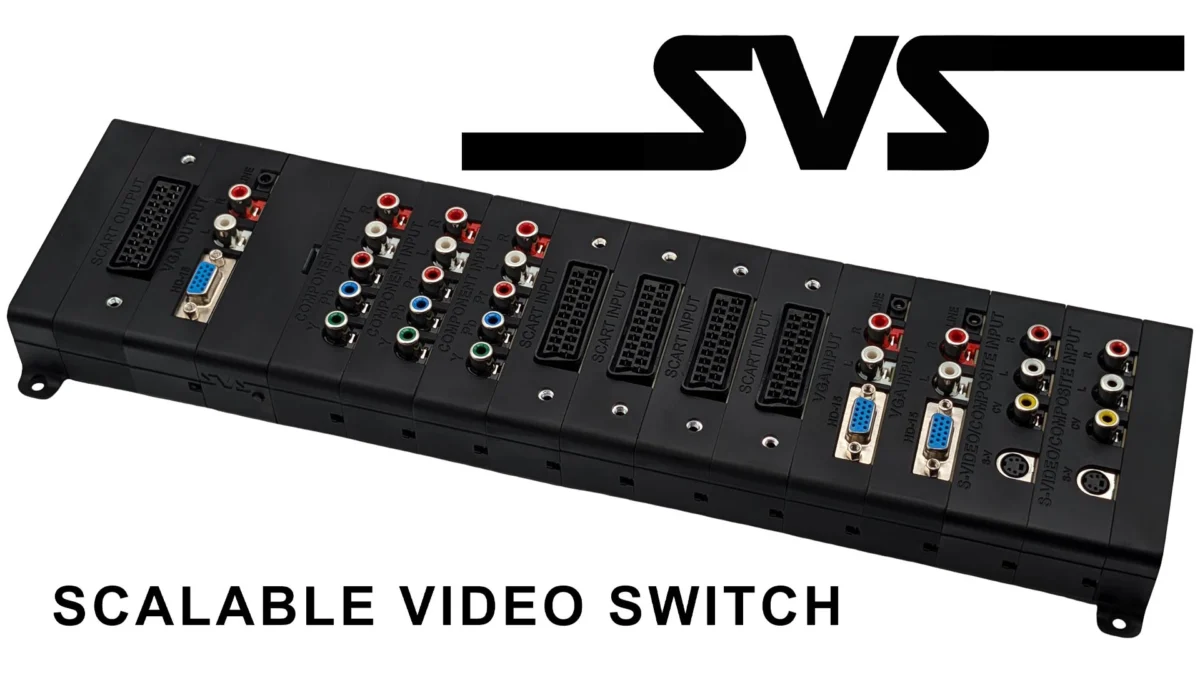
The retro gaming and hardware enthusiast communities are experiencing a significant milestone as all modules for the highly anticipated Scalable Video Switch (SVS) officially move into full stock status, with nationwide and international fulfillment scheduled to commence immediately. Developed by creator Arthrimus, the modular routing solution addresses long-standing challenges in analog and mixed-signal video distribution setups, a niche that has historically relied on rigid, proprietary, or custom-built hardware. Alongside the initial fulfillment wave, the production pipeline has been restructured to ensure that individual modules can be replenished within a matter of days rather than months, a strategic shift designed to phase out traditional pre-order cycles entirely.
For years, the enthusiast community surrounding retro video hardware, CRT displays, and high-end video processors has grappled with the logistical hurdles of managing complex multi-console and multi-display configurations. Traditional switchers often lacked the modularity required to adapt to evolving signal chains, forcing users to choose between expensive commercial broadcast equipment or cumbersome manual patch bays. The introduction of the Scalable Video Switch aims to resolve these persistent bottlenecks by offering a fully customizable, expandable architecture tailored specifically to the rigorous demands of preservationists, content creators, and collectors who work with legacy video formats ranging from composite and S-Video to RGB and component video.
Evolution and Chronology of the Scalable Video Switch
The journey toward a fully stocked, modular video switching ecosystem has evolved steadily over the past several years. Initially conceptualized to address the scarcity of reliable, high-bandwidth switching hardware in the consumer and enthusiast spaces, the project moved from early prototyping phases to public demonstrations. Industry observers and hardware analysts first caught glimpses of the device’s potential through deep-dive technical reviews and feature spotlights, most notably by prominent retro gaming media channels such as My Life In Gaming, which showcased the device’s signal integrity and flexibility in complex routing environments.
As demand for the hardware steadily climbed, Arthrimus faced the manufacturing constraints common to boutique electronics development. Like many independent creators in the open-source and enthusiast hardware space, initial batches were subject to the whims of global component availability, leading to periodic supply crunches and the reliance on pre-order models. These pre-order structures, while effective for gauging interest and funding initial production runs, often resulted in extended waiting periods for end users. The transition announced this week marks a definitive turning point in the project’s operational maturity, shifting from a cottage-industry production model to a streamlined, responsive manufacturing framework capable of maintaining consistent inventory levels.
Manufacturing Innovation and Supply Chain Resilience
A cornerstone of the recent announcement is the complete overhaul of the production and assembly methodology implemented by Arthrimus. By optimizing the supply chain and component sourcing strategies, the project has mitigated the vulnerability to component shortages that has crippled various sectors of the consumer electronics industry. The new manufacturing setup allows for discrete modules to be produced, tested, and restocked independently, ensuring that a bottleneck in one specific component category does not halt the availability of the entire ecosystem.
Industry analysts note that eliminating the pre-order model is a rare and ambitious move for specialized hardware manufacturers. Pre-orders have historically served as a financial safety net for small-scale creators, insulating them against the high upfront costs of bulk manufacturing. By establishing a rapid-restock protocol where individual modules can return to inventory within days, the SVS project demonstrates a high degree of supply chain confidence and capital efficiency. However, project stakeholders have noted one critical caveat: this streamlined availability assumes stability in the global electronics market, noting that only a severe, unforeseen industry-wide component shortage would force a return to pre-order protocols.
Technical Overview and Ecosystem Integration

To understand the significance of the Scalable Video Switch, one must examine the complexities of modern and legacy video routing. Enthusiasts utilizing vintage gaming consoles, professional broadcast monitors, upscalers such as the Open Source Scan Converter (OSSC) and RetroTINK series, and legacy capture cards often require intricate webs of distribution amplifiers, matrix switchers, and manual patch cables. Signal degradation, impedance mismatches, and ground loop interference represent constant threats to video fidelity.
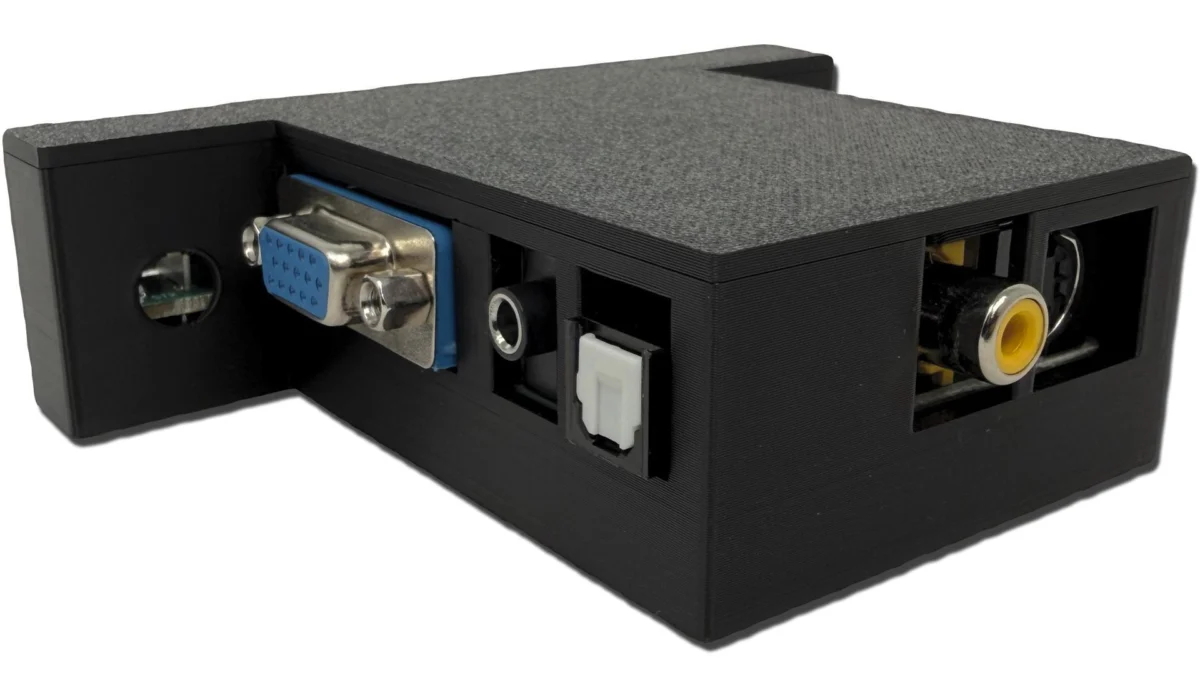
The SVS architecture is engineered to bypass these limitations through a modular design philosophy. Users can configure the switch to match their exact input and output requirements, scaling the hardware up or down as their collection or studio setup grows. Whether routing pristine RGB signals from third-generation consoles or managing complex component video distribution, the system maintains signal purity through careful PCB layout, high-grade switching components, and robust power regulation. This modularity ensures that users do not over-invest in unused ports or find themselves constrained by a fixed-port layout purchased years prior.
Community Reception and Content Creator Engagement
The broader retro gaming community has responded enthusiastically to the news of immediate stock availability. Content creators and technical analysts who specialize in legacy hardware integration have long championed the device as a potential definitive solution for complex home theater and streaming setups. The visibility of the platform has been further amplified by comprehensive video documentation from respected community authorities, establishing a baseline of trust and technical verification before the hardware reached mass-market availability.
Upcoming community engagement initiatives include specialized livestream broadcasts and stress-testing sessions designed to push the hardware to its absolute limits. These demonstrations aim to explore unconventional use cases, daisy-chaining configurations, and multi-format conversions that typify advanced enthusiast setups. By transparently showcasing the device handling edge-case scenarios, the creators provide prospective buyers with empirical data regarding thermal performance, crosstalk mitigation, and switching latency.
Broader Implications for the Enthusiast Hardware Market
The successful scaling and distribution of the Scalable Video Switch carry broader implications for the cottage hardware manufacturing sector. For decades, enthusiasts creating niche solutions for retro computing and gaming have struggled to transition from low-volume hobbyist projects to reliable, shelf-ready products. The operational strategies deployed by Arthrimus—focusing on modular sub-assemblies, localized manufacturing optimizations, and agile restock cycles—serve as a potential blueprint for other independent hardware developers facing similar market pressures.
Furthermore, the stabilization of high-end video routing hardware reflects the ongoing maturation of the retro gaming preservation movement. As vintage hardware appreciates in value and the technical standards for displaying these systems on modern digital displays become increasingly rigorous, the demand for professional-grade infrastructure has shifted from commercial broadcast liquidations to dedicated consumer electronics development. Solutions like the SVS ensure that the physical infrastructure supporting retro gaming preservation remains robust, scalable, and accessible to institutions, preservationists, and private collectors alike.
As the first wave of fully stocked modules prepares to leave the fulfillment center, market watchers will be closely monitoring how the supply chain holds up under sustained consumer demand. With manufacturing bottlenecks ostensibly resolved and a commitment to rapid inventory replenishment in place, the Scalable Video Switch stands positioned as a definitive standard in the realm of analog and mixed-signal video routing.