 Cecilia Chamidah Nur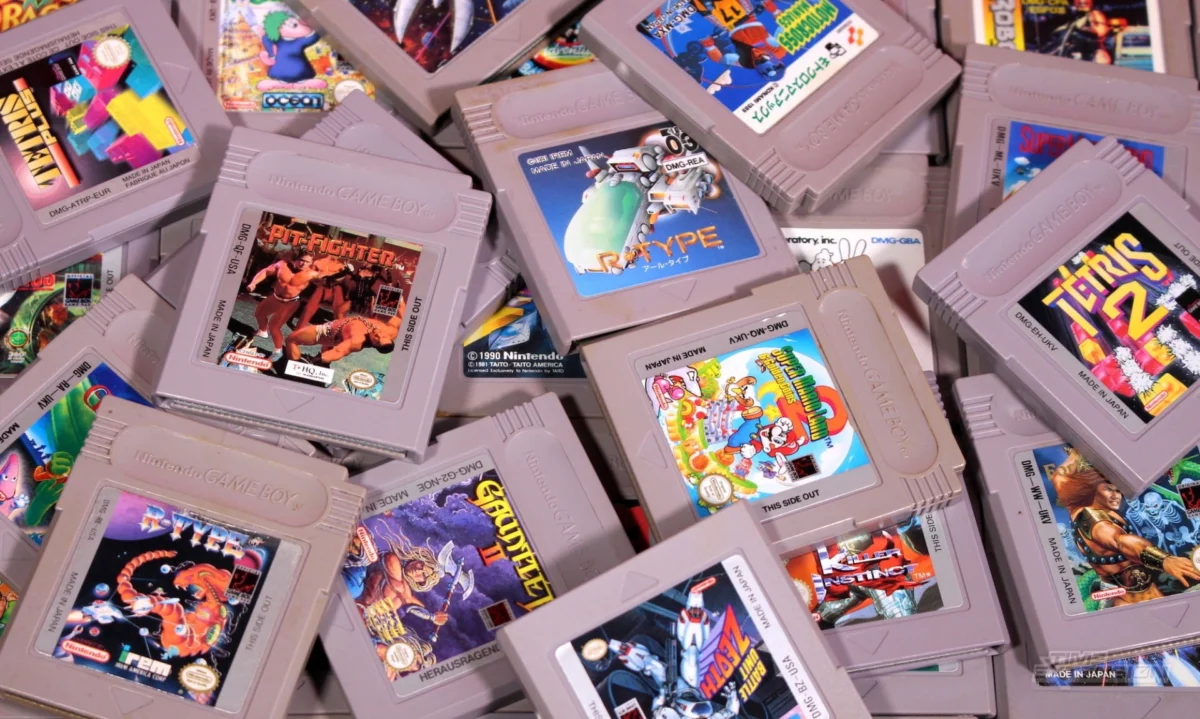
The landscape of retro gaming hardware is undergoing a significant evolution with the upcoming release of the Retro Song Bird, a multifunctional device designed to bridge the gap between vintage 8-bit software and modern audio production environments. While many devices in the current market focus solely on preserving the visual integrity of Game Boy software, the Retro Song Bird shifts the focus to the auditory experience, allowing users to extract and manipulate the original sound data from over 1,900 Game Boy and Game Boy Color titles. By utilizing register-level sound emulation, the device promises to provide an authentic, high-fidelity playback experience for enthusiasts, archivists, and modern music producers alike.
The Genesis of the Retro Song Bird
The project originated from a desire to address a long-standing limitation in the retro gaming ecosystem: the inability to easily access the rich, chiptune soundtracks locked within physical media without resorting to complex emulation software or cumbersome hardware modifications. The developer behind the project has stated that the core mission was to add "joy and whimsy" to the world, yet the technical execution suggests a more utilitarian objective. By creating a dedicated interface for Game Boy hardware, the developer has effectively turned a legacy storage format into a sophisticated audio-visual tool.
Development has proceeded over the past several months, with the team focusing on an open-architecture approach. This ensures that the device remains relevant long after its initial launch, as the inclusion of built-in WiFi and an open API for third-party developers suggests that the Retro Song Bird is intended to be a platform rather than a static piece of hardware.
Technical Capabilities and Audio Fidelity
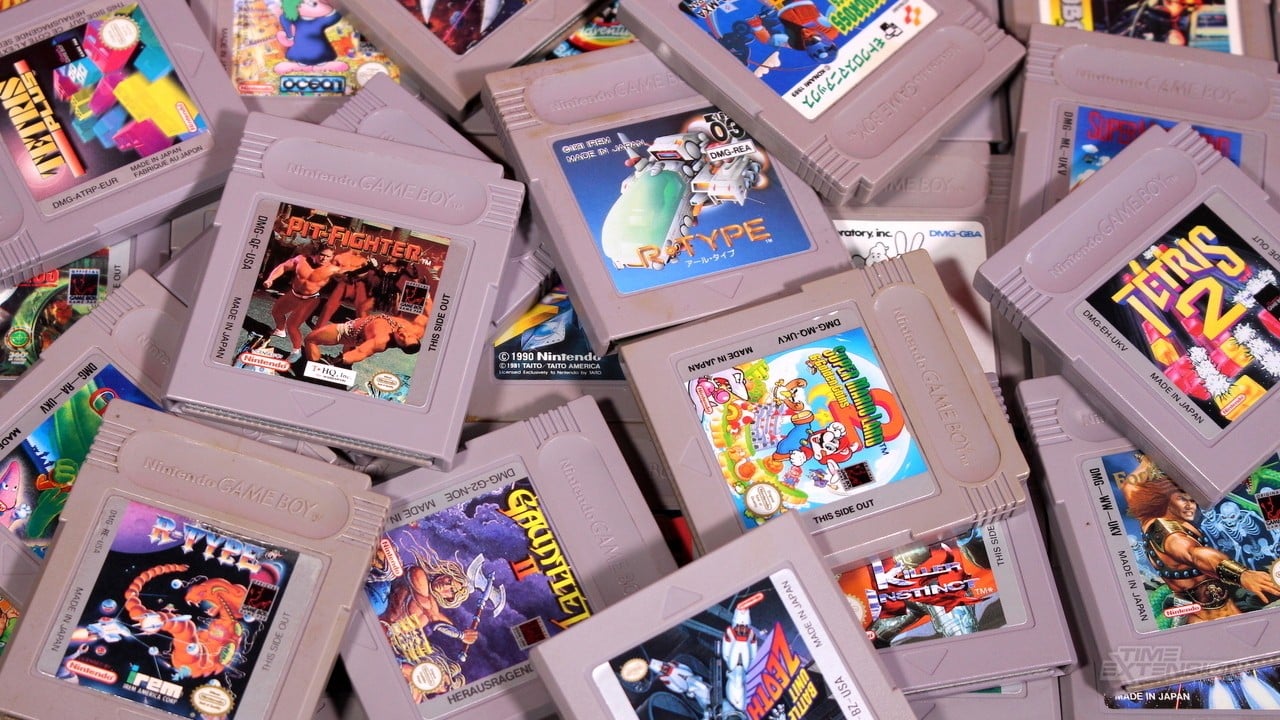
At its core, the Retro Song Bird operates by reading the raw data from a Game Boy cartridge and interpreting the sound registers exactly as the original handheld hardware would. Unlike simple recording solutions that capture output via a 3.5mm headphone jack, this device performs a register-level emulation, which theoretically eliminates noise floor issues and potential signal degradation associated with 30-year-old console capacitors.
For audiophiles and sound engineers, the device offers a "remix" feature that is arguably its most significant technical advancement. By splitting each of the four sound channels—two pulse waves, one programmable waveform channel, and one noise channel—into individual USB audio streams, the device allows for unprecedented control. Producers can isolate specific melodic lines, basslines, or percussion elements, effectively enabling them to deconstruct classic game soundtracks for use in modern compositions. Furthermore, the ability to export these tracks directly into WAV format provides a seamless workflow for digital audio workstations (DAWs).
Beyond Audio: ROM Management and Utility
While the audio features provide the headline appeal, the Retro Song Bird functions as a comprehensive utility tool for the preservationist community. The device allows users to perform the following critical operations:
- ROM Dumping: Users can create digital backups of their physical cartridge collections, ensuring the long-term preservation of game code.
- Save Data Management: The device facilitates the extraction and restoration of save files, allowing players to transfer their progress between physical carts and digital formats.
- Flash Cartridge Support: By allowing users to flash writable cartridges, the device supports the burgeoning homebrew gaming scene, where developers create and distribute new titles for legacy hardware.
- Hardware Integration: The inclusion of support for the Game Boy Camera—allowing it to function as a USB webcam—demonstrates the device’s versatility as a multi-purpose interface for Nintendo’s retro peripherals.
A Timeline of Retro Hardware Evolution
The emergence of the Retro Song Bird occurs at a pivotal time in the history of game preservation. The following timeline highlights the progression of the hobbyist hardware sector over the last decade:
- 2014–2017: The rise of high-quality "flash carts" allowed users to play ROMs on original hardware, but these devices were primarily focused on gameplay rather than audio extraction or peripheral utility.
- 2018–2020: FPGA-based handhelds, such as the Analogue Pocket, began to standardize the "cycle-accurate" playback of legacy hardware, setting a new benchmark for what gamers expect from retro devices.
- 2021–2023: The market shifted toward specialized peripherals, including custom Game Boy shells, improved backlit screens, and audio-centric modifications, fueling a massive secondary market for component parts.
- 2024–2025: The current era is defined by devices like the Retro Song Bird, which aim to treat vintage consoles as sophisticated computing tools rather than simple toys, prioritizing data access and professional-grade output.
Fact-Based Analysis: The Implications for Preservation
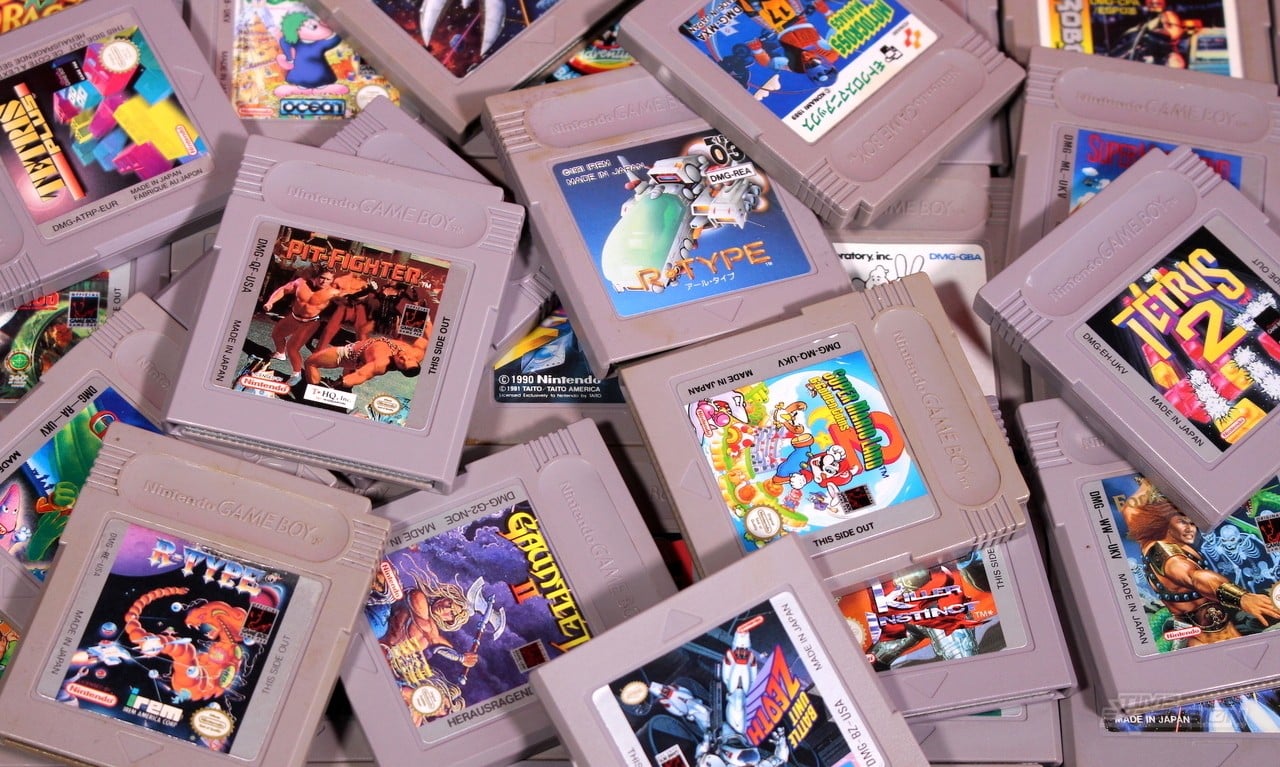
The launch of the Retro Song Bird has broader implications for the preservation of digital culture. As physical game cartridges age, the internal components—specifically the SRAM chips responsible for storing save data—are increasingly prone to failure due to battery depletion. By providing an easy, user-friendly way to dump save files and ROMs, the Retro Song Bird serves as a critical tool for those tasked with archiving the history of the Game Boy platform.
Furthermore, the decision to implement an open API is a strategic move that addresses the longevity of the device. By allowing the community to write their own firmware updates and software tools, the developer is crowdsourcing the future of the product. This creates a sustainable ecosystem where the device’s feature set can expand in response to user demand without requiring the manufacturer to release new hardware iterations every year.
Industry Reception and Market Positioning
While official reactions from major industry players have remained muted—as is standard for the niche retro-modding scene—the community reception has been largely positive. Tech-focused observers note that the Retro Song Bird fills a specific "prosumer" gap in the market. Existing solutions for audio extraction are often DIY-heavy, requiring soldering skills and custom-built circuits. By offering a plug-and-play solution that does not require hardware modification to the cartridges themselves, the Retro Song Bird lowers the barrier to entry for enthusiasts who wish to engage with their retro collection in a professional capacity.
The device’s secondary features, such as the alarm clock function and the USB webcam integration, position it as a lifestyle product as much as a technical tool. This dual-market appeal—targeting both the hardcore collector and the creative music producer—is likely to ensure its success in a competitive landscape where many hobbyist devices fail to reach mass-market adoption.

Looking Ahead
The Retro Song Bird is expected to enter its formal launch phase later this year, with pre-orders and interest registration currently open via the official project website. As the release date approaches, potential users are encouraged to monitor the official channels for technical specifications regarding firmware updates and compatibility lists for the 1,900+ supported cartridges.
The project represents a maturation of the retro gaming movement. No longer satisfied with simply playing games on original hardware, the community is now seeking to deconstruct, analyze, and repurpose the underlying technology of the 8-bit and 16-bit eras. Whether through the lens of archival preservation or artistic expression, the Retro Song Bird provides a robust, professional-grade platform that honors the technical ingenuity of the original hardware while embracing the possibilities of the modern digital era. As more developers utilize the open API to create new functionalities, the Retro Song Bird is poised to become a staple component of the retro-gaming and chiptune-production toolkit for years to come.