 Hartono Sudibyo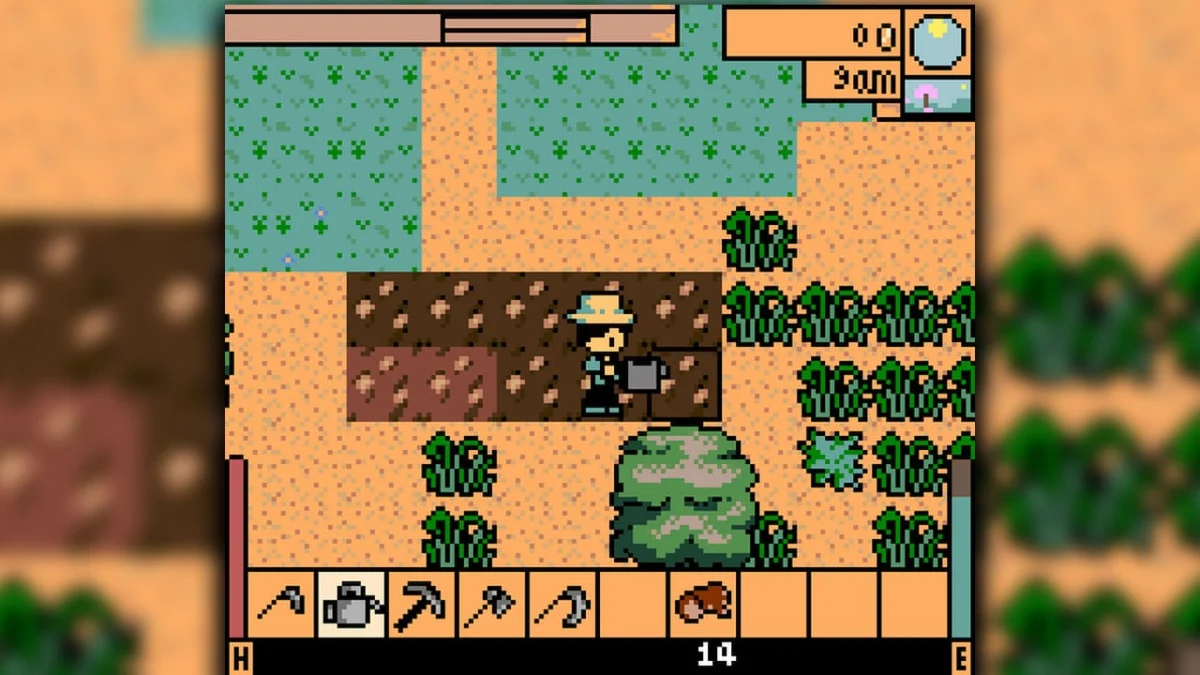
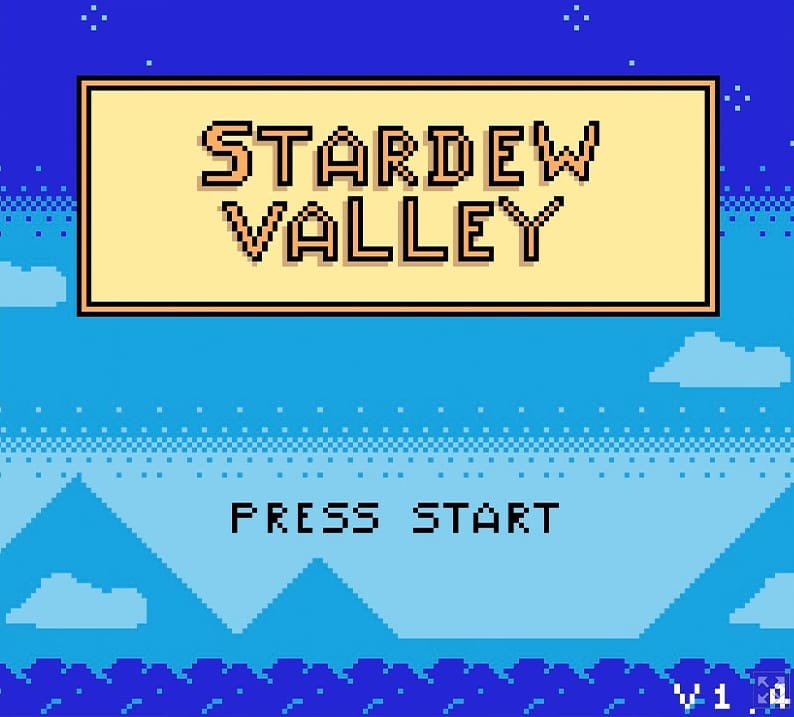
The enduring cultural footprint of ConcernedApe’s indie phenomenon, Stardew Valley, has expanded into the realm of retro hardware emulation through a newly released Game Boy Color (GBC) demake. Developed independently by AEProjects and made playable directly within web browsers and handheld emulators via platforms like Itch.io, this 8-bit adaptation successfully compresses the massive scope of the modern classic into the visual and technical constraints of a late-1990s handheld console. While not an official release from developer Eric "ConcernedApe" Barone, the project has quickly gained traction within both the retro-gaming and indie-development communities for its precise replication of core gameplay loops under severe hardware limitations.
Main Facts and Technical Scope
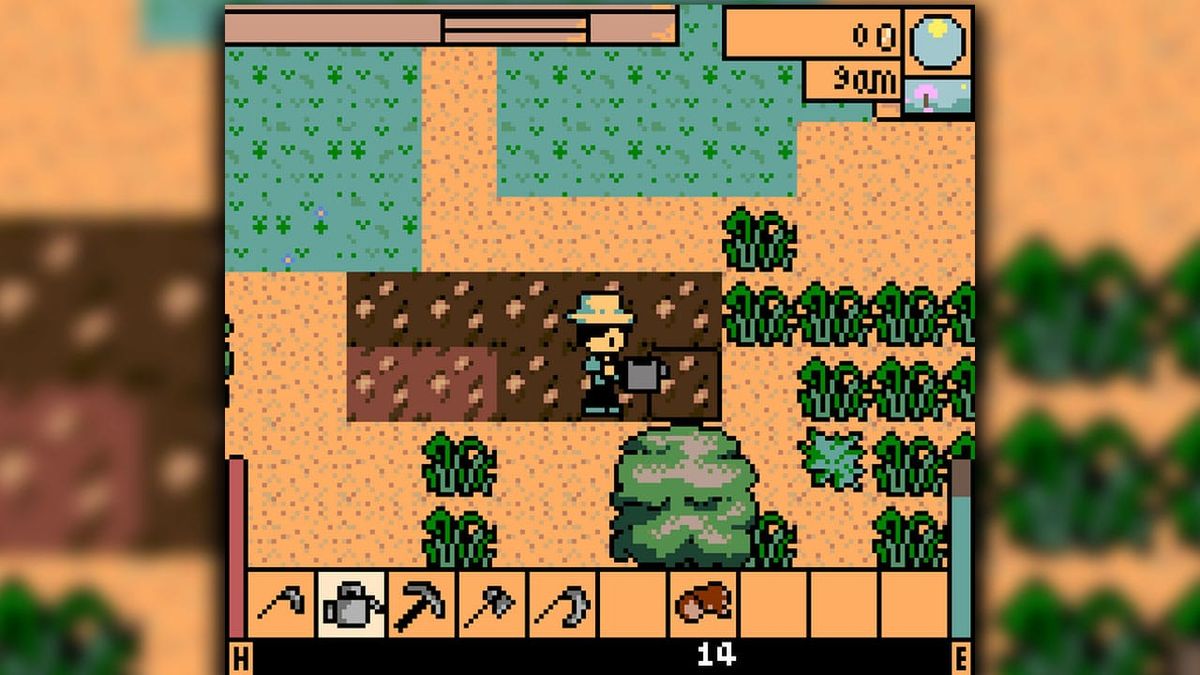
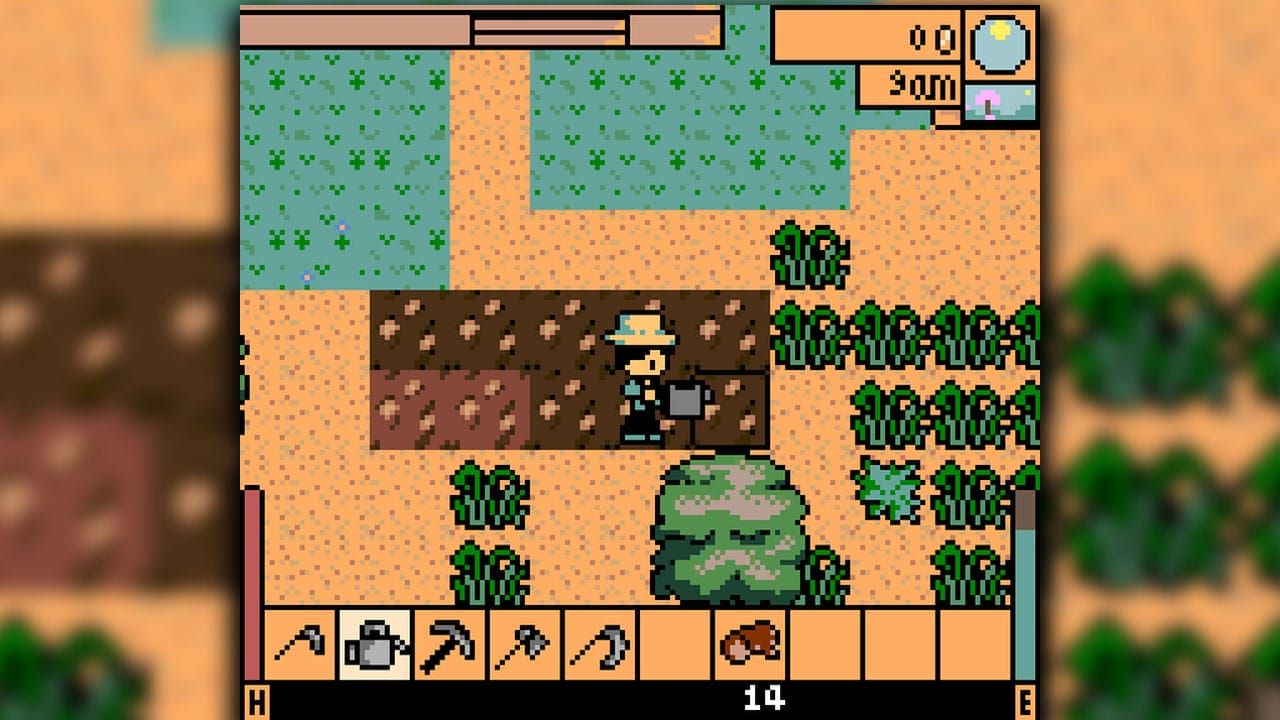
The Stardew Valley GBC demake reimagines the beloved 2016 farming simulation through a heavily restricted aesthetic lens, mimicking the characteristic four-shade green palette and chunky pixel art of Nintendo’s iconic Game Boy Color. Despite the stripped-down presentation, the browser-based project retains the foundational pillars that made the original title a multi-million-selling success: farming, fishing, foraging, and localized social interaction.
Players navigate a miniaturized version of Pelican Town using standard keyboard inputs—WASD for movement, Z for tool interaction and confirmation, Escape or I for the inventory and pause menus, and X and C for cycling through the item hotbar. Furthermore, the demake includes native controller support, allowing users to map inputs to a traditional D-pad, face buttons, and shoulder triggers to replicate the physical handheld experience. The project is hosted on Itch.io, where it is available for free public access as an in-browser executable or downloadable ROM file compatible with authentic retro hardware and modern emulation software.
Background Context and Evolution of Stardew Valley
To understand the significance of AEProjects’ demake, one must examine the monumental trajectory of Stardew Valley itself. Developed entirely by Eric Barone over four and a half years and released in February 2016 for Microsoft Windows, the game was conceived as an affectionate spiritual successor to Nintendo and Marvelous’s classic Harvest Moon series. Barone handled all programming, pixel art, writing, and musical composition single-handedly, crafting a deep rural simulation that contrasted sharply with the increasingly monetized landscape of mainstream AAA gaming.
Over the subsequent decade, Stardew Valley expanded exponentially. Ported to macOS, Linux, PlayStation 4, Xbox One, Nintendo Switch, PlayStation Vita, iOS, and Android, the title evolved through numerous major content updates—including cooperative multiplayer, new farm maps, additional marriage candidates, and extensive endgame content. By late 2026, cumulative global sales across all platforms surpassed 50 million copies, cementing its status as one of the best-selling independent video games in history.
Paradoxically, while modern iterations of Stardew Valley feature rich color palettes, orchestral soundtracks, and sprawling world maps, the game’s foundational design roots have always been unmistakably retro. Its tile-based movement, grid farming systems, and top-down perspective draw direct inspiration from 8-bit and 16-bit console titles. This innate architectural simplicity made the game a prime candidate for a "demake"—a modern practice wherein contemporary software is intentionally redesigned to run on obsolete or vintage hardware architectures.
Chronology of the Demake Development and Public Release

The emergence of the Stardew Valley GBC project represents a growing trend within the independent development scene of creating functional downgrades of popular modern titles. While AEProjects has operated largely independently, the rollout of the browser-based build follows a well-established community workflow typical of modern homebrew game design:
- Initial Concept and Asset Design: Developers typically begin by establishing the technical limitations of the target hardware—in this case, the Game Boy Color’s Z80-derived CPU and its strict resolution ceiling of 160×144 pixels with a maximum of four simultaneous colors per sprite tile.
- Core Mechanics Implementation: Priority is given to fundamental spatial interactions, such as tile-tilling, seed planting, and watering systems, which form the mechanical backbone of any agricultural simulator.
- User Interface Adaptation: Complex modern inventory screens are condensed into simplified list-based or grid menus navigable via limited button configurations.
- Public Deployment: The project is published on independent distribution platforms like Itch.io, utilizing web-assembly or JavaScript emulators (such as GB Studio toolsets) to enable instant in-browser playback without requiring external downloads.
The release of the Stardew Valley GBC project on Itch.io has drawn significant web traffic, temporarily spiking server engagement as retro gaming enthusiasts and curious players test the limits of the browser port during work and leisure hours alike.
Supporting Data and Industry Context
The phenomenon of demaking modern hits is not entirely new, but it has accelerated alongside the accessibility of retro game-creation toolsets like GB Studio, TIC-80, and PICO-8. Previous community-driven demakes have successfully translated titles such as Bloodborne, Resident Evil, and Cyberpunk 2077 into PlayStation 1 or Game Boy aesthetics. However, Stardew Valley occupies a unique position because its source material is already closely aligned with pixel-art traditions.
Market data regarding browser-based and independent retro projects highlights a sustained consumer appetite for low-friction, nostalgic gaming experiences. According to recent indie market analyses, retro-styled games account for a substantial percentage of digital storefront engagement on platforms like Itch.io and Steam, driven largely by aging millennial and Gen Z demographics seeking respite from high-fidelity, live-service digital environments. The accessibility of browser-based ports removes traditional hardware barriers, allowing office workers, casual players, and retro enthusiasts to engage with complex gameplay loops instantaneously.
Official Responses and Intellectual Property Considerations
As of late 2026, Eric Barone (ConcernedApe) and publisher Chucklefish have maintained a permissive stance toward non-commercial fan projects, provided they do not distribute copyrighted commercial assets or infringe upon official trademark protections. While official commentary from Barone regarding the specific AEProjects GBC demake has remained minimal, independent creators within the homebrew sector typically operate under the umbrella of fair use for transformative, non-commercial software art.
Historically, copyright holders in the gaming industry weigh the promotional value of fan-made homages against potential market confusion. Because the Stardew Valley GBC project is distributed freely on Itch.io as an artistic homage rather than a competing commercial product, it functions largely as a celebration of the franchise’s deep cultural penetration rather than a legal dispute. Representatives for indie developer communities have frequently noted that such grassroots tributes serve to keep older intellectual properties culturally vibrant between major official software releases.
Broader Impact and Economic Implications
The proliferation of browser-playable retro demakes carries several notable implications for the broader digital entertainment landscape. First, it highlights the democratization of game development tools. Software suites that once required specialized engineering knowledge to port between incompatible hardware architectures can now be executed by solo developers or small enthusiast teams within standard web browsers.
Second, projects like the Stardew Valley GBC demake underscore the shifting economics of workplace productivity and digital leisure. With remote and hybrid work models remaining prominent across global labor markets, browser-based games have increasingly become micro-distractions for office professionals. While traditional productivity metrics occasionally dip when viral browser titles launch, human resources analysts note that short-form, low-stakes digital engagement can serve as an effective cognitive reset for desk-bound employees.
Finally, the project reinforces the longevity of pixel art as a timeless artistic medium. As graphics technology marches toward photorealism, ray tracing, and artificial intelligence-driven asset generation, minimalist 8-bit interpretations remind the industry of the communicative power inherent in simple, well-designed mechanics. By reducing Stardew Valley to its bare mathematical and visual essentials, AEProjects has demonstrated that compelling gameplay transcends hardware generations, proving that a virtual watering can and a patch of tilled earth are just as engaging on a simulated Game Boy Color screen as they are on modern high-definition displays.