Cecilia Chamidah Nur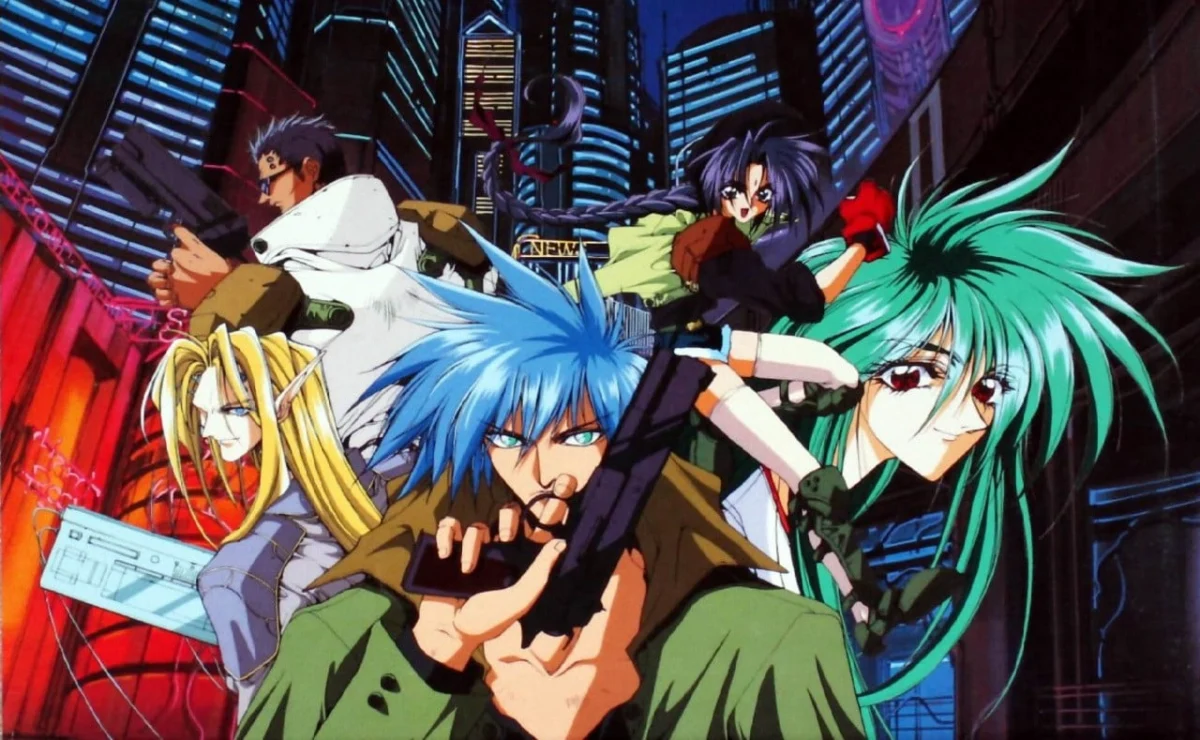
After three decades of obscurity, the 1996 Sega CD iteration of the cyberpunk role-playing game Shadowrun has finally received a fan-made English translation. Developed by Compile, this specific version of the cult-classic franchise remained inaccessible to non-Japanese speakers for nearly thirty years, existing only as a rare import item for collectors. The release of this translation patch marks a significant milestone in the preservation of the Sega CD library, though it has simultaneously ignited a complex debate regarding the role of Large Language Models (LLMs) in the amateur software localization community.
Historical Context and Development of the Sega CD Shadowrun
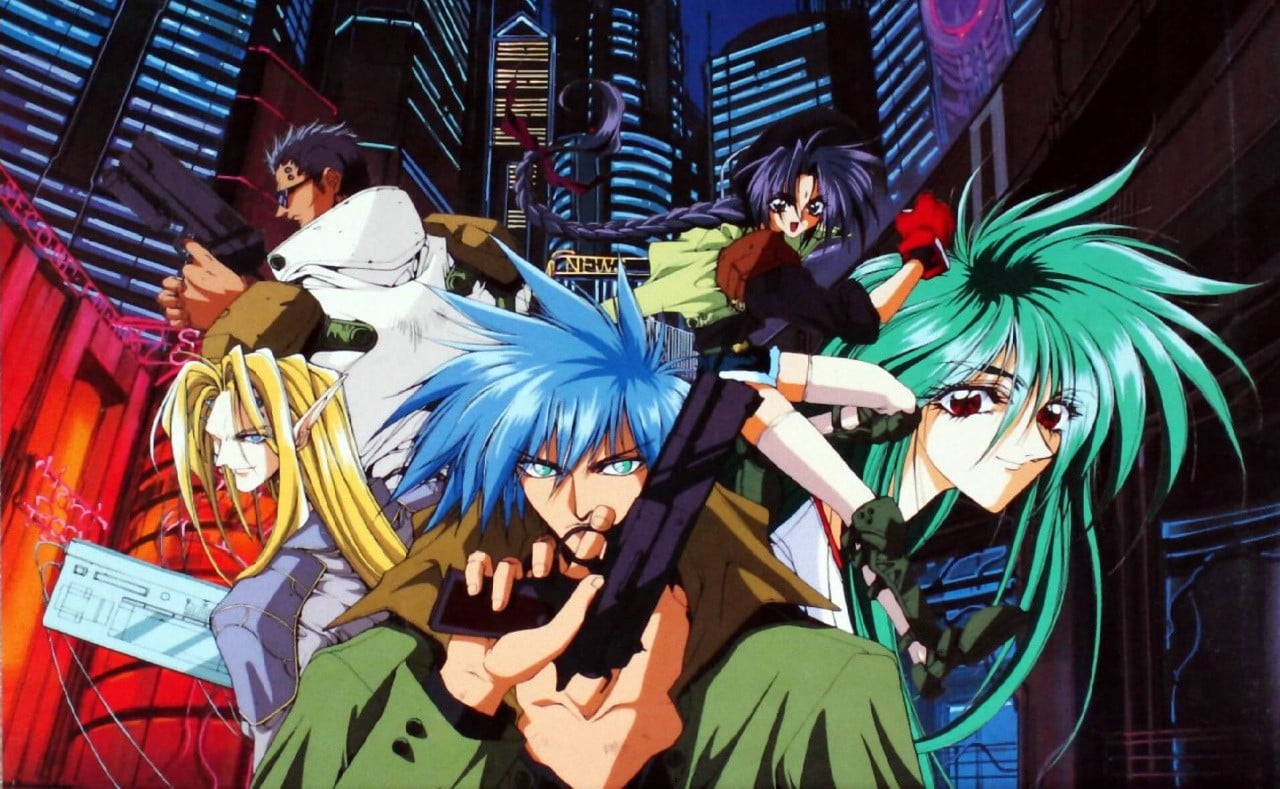
Shadowrun on the Sega CD represents a distinct departure from its counterparts on the Super Nintendo Entertainment System (SNES) and the Sega Genesis. While the SNES version is characterized by a point-and-click investigative style and the Genesis entry is known for its action-oriented, isometric gameplay, the Sega CD version, released exclusively in Japan, utilizes a sharp, anime-inspired aesthetic. The narrative, set in a futuristic Neo Tokyo, centers on a party of mercenaries—the street samurai Rikudo, the shaman Mao, the corporate defector Shuin, and the expert decker D-Head.
Mechanically, the game draws closer to the original FASA Corporation pen-and-paper tabletop role-playing game than its western peers. Combat and skill checks are governed by simulated dice rolls, emphasizing the strategic, turn-based roots of the Shadowrun franchise. Given the complexity of the Japanese text and the relative scarcity of the game’s original physical media, it was long considered a "lost" title in the global canon, with multiple failed attempts by fan groups to localize it throughout the early 2000s and 2010s.
Chronology of the Translation Efforts
The path to this translation has been fraught with technical hurdles and long periods of inactivity. Several amateur projects, most notably the high-profile effort by Iwakura Productions, began in the early 2010s but eventually ceased updates, leaving the community without a viable path forward.
The current breakthrough began on September 9, 2026, when a modder known as "MadMorigan" (also referred to as Erebus) released a functional patch. This patch allows for the translation of all in-game menus, dialogue, and critical interface elements. Initial reports from testers indicate that the patch is compatible with European Mega CD hardware and PAL-region Sega CD consoles, with an NTSC-compatible version currently in development for North American hardware.
Following the initial release, a secondary developer, RetchE, announced that their own independent translation project—which had been running concurrently—was nearing completion. This development cycle has been marked by rapid public discourse regarding the methodologies employed in modern amateur localization.
The Rise of AI in Amateur Localization
The discourse shifted shortly after the initial release when it was revealed that MadMorigan utilized Claude, an advanced large language model, to assist in the translation process. The developer confirmed that the AI was instrumental in managing text spacing, formatting, and the rapid iteration of dialogue blocks, which are notoriously difficult to implement in the aging architecture of the Sega CD.
"I use AI at work every day," MadMorigan stated in response to inquiries regarding the development process. "It’s helped with a lot of spacing issues and the manual playthrough iterations."
This revelation drew immediate attention from the retro-gaming community, sparking a debate regarding the ethics of using AI-assisted tools for software preservation. In response, RetchE, who is finalizing a separate translation, confirmed that they would also utilize AI tools to ensure their project reached the same technical standard as the first release. "Honestly at this point I’ll pass mine through AI so we’re all on the same page," RetchE noted. "I just want us all to enjoy these translations together as a community, regardless of how they were created."
Technical Implications and Data Integrity
The use of AI in this context is not merely a shortcut; it represents a fundamental change in how fan-made translations are produced. Traditionally, translating a game like Shadowrun required a dedicated team of fluent Japanese-to-English translators, ROM hackers, and playtesters over a period of years. The integration of LLMs allows for a more accelerated pipeline, though it brings risks regarding translation nuance, cultural context, and accuracy.
In the case of Shadowrun, the technical limitations of the Sega CD hardware—specifically the constraints of the console’s limited memory for variable-width fonts—make the process of inserting translated text particularly volatile. The AI’s ability to assist in the formatting of text to fit these rigid memory containers is perhaps its most valuable contribution to the project. However, industry observers warn that without rigorous human oversight, AI models can occasionally hallucinate technical details or misinterpret the specific slang-heavy "Shadowtalk" unique to the Shadowrun universe.
Broader Impact on Game Preservation
The release of the Shadowrun Sega CD translation serves as a case study for the future of game preservation. As the pool of available human translators for obscure, 30-year-old Japanese titles diminishes, the community is increasingly turning toward automated solutions to bridge the gap.
The implications are twofold:
- Accessibility: Titles that would have otherwise remained locked behind language barriers are now playable by a global audience, expanding the historical record of the Sega CD.
- Quality Control: The community now faces a new challenge in vetting the quality of these translations. With multiple "AI-assisted" versions entering the ecosystem, the criteria for a "definitive" translation have become increasingly fluid.
Professional localization experts suggest that while AI is an effective tool for mechanical tasks like string replacement, it remains insufficient for maintaining the specific tonal and stylistic voice required for narrative-driven RPGs. The success of the current Shadowrun patch, therefore, depends heavily on the "editing, corrections, and playtesting" mentioned by RetchE.
Looking Ahead
The Shadowrun Sega CD project remains a testament to the dedication of the hobbyist community. Whether or not the use of AI becomes the industry standard for future fan-led translations remains to be seen, but the urgency to preserve these titles has clearly overtaken the debate regarding the purity of the translation method.
As MadMorigan works on the NTSC-compatible build and RetchE prepares their own version for release, the community is set to have at least two distinct ways to experience this lost chapter of cyberpunk history. For a console that was officially discontinued in the mid-90s, the fact that its final release is now being scrutinized and played by a new generation is, in itself, a victory for digital preservation. The "wiz" days of the Sega CD may have ended three decades ago, but for the Shadowrun community, the final mission has only just begun.