Chalid Lutfie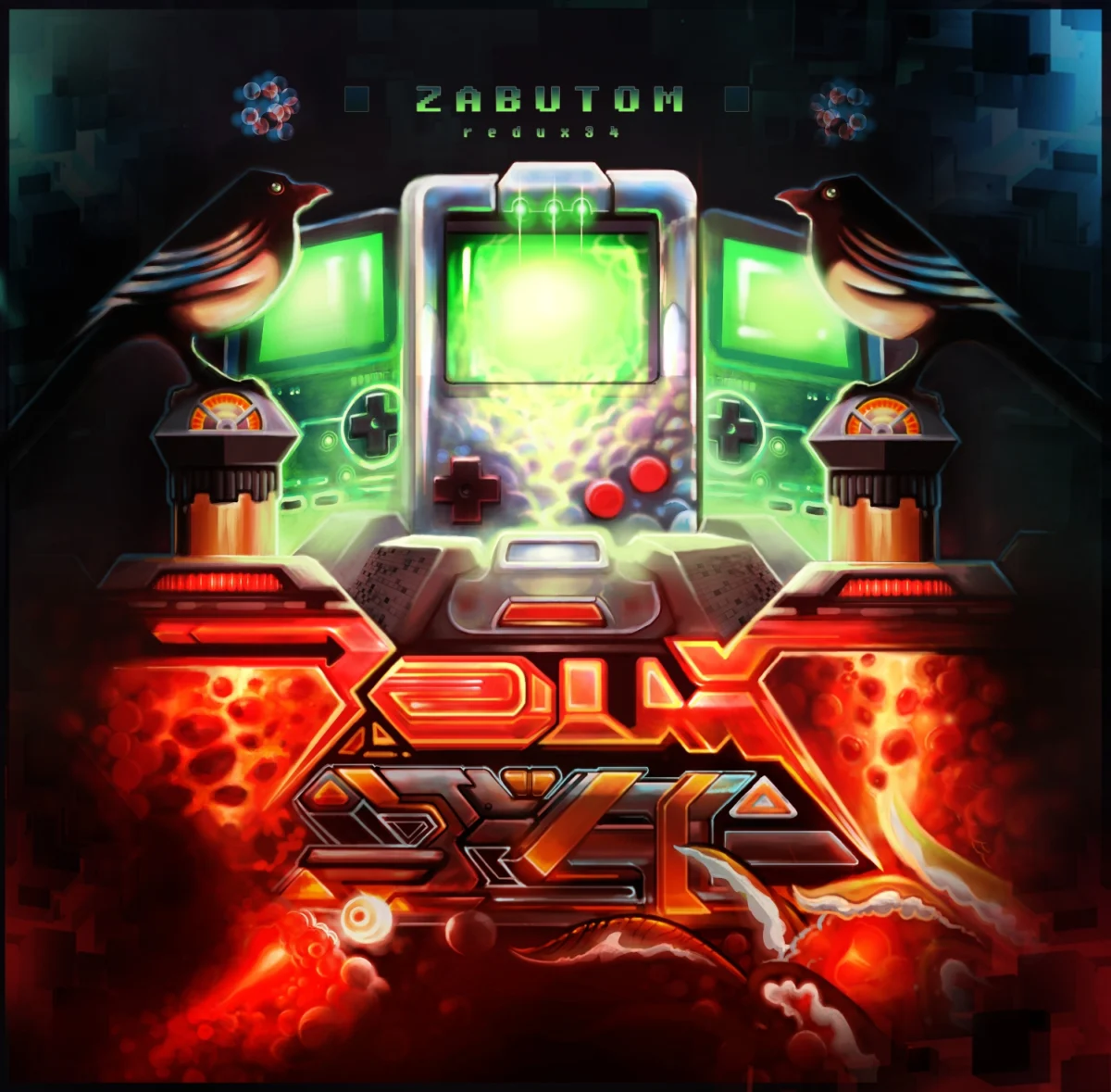
Released on September 18, 2015, the album Redux34 represents a pivotal moment in the discography of Swedish composer Niklas Sjösärd, known professionally as Zabutom. The project serves as a bridge between the rigid, nostalgic constraints of 8-bit hardware and the expansive, fluid possibilities of modern music production. By integrating traditional Nintendo-based sound synthesis with progressive rock structures, IDM (Intelligent Dance Music), and acoustic folk elements, Sjösärd has moved beyond the "chiptune" label, positioning himself within the broader tradition of experimental electronic composition.
Chronology of a Sonic Evolution
The development of Redux34 spans nearly a decade, reflecting a deliberate maturation process for Sjösärd. His career in the digital arts began in the early 2000s, deeply embedded in the "demoscene"—a subculture focused on creating self-contained, real-time computer programs that produce music and visuals. This period of his life was defined by the technical limitations of hardware like the GameBoy and the NES, which dictated the specific, percussive aesthetic that would eventually become his trademark.
Following his initial contributions to various compilations and his rise as a live performer in the global chiptune circuit, Sjösärd released his debut studio album, Zeta Force, via the Ubiktune label in 2011. That album established him as a key figure in the "shmup" (shoot-’em-up) aesthetic, characterized by high-tempo, energetic melodies that mirrored the adrenaline of classic arcade games. However, as Sjösärd pursued formal academic training at the Academy of Music and Drama in Gothenburg, his creative scope began to shift. Between 2011 and 2014, while working toward his bachelor’s degree, he began to reconcile his roots in chip music with the rigorous, theoretical framework of contemporary electronic music. Redux34 is the culmination of this transition, featuring compositions that were conceptualized as early as 2008 but were withheld until the artist felt he possessed the technical vocabulary to execute them with the necessary sophistication.
Technical Challenges and the Genesis of the Title
The title Redux34 is not merely an aesthetic choice; it is an autobiographical reference to the turbulent production process. Sjösärd notes that the title track was originally drafted in 2008 using Little Sound DJ (LSDJ). During a critical phase of the composition, a hardware crash resulted in the total loss of the project data. The necessity of reconstructing the track from memory—and the specific 3/4 time signature that defines the piece—led to the moniker "Redux34."
This theme of "lost patterns" and the reconstruction of musical architecture became a recurring motif throughout the album’s creation. The mixing and production phase was characterized by a cyclical process of creation, failure, and refinement. Unlike his earlier works, which prioritized the immediacy of the chip sound, Redux34 required a labor-intensive layering process. Sjösärd employed analog synthesizers, electric guitars, and complex delay textures to supplement the 8-bit bleeps, effectively creating a hybrid soundscape that defies the traditional "low-fidelity" constraints often associated with the genre.

Artistic Context and Collaborations
The visual identity of Redux34 was provided by Anders Karlsson, a concept artist and painter based in Norrköping. The cover art serves as a visual companion to the album’s narrative, which Sjösärd describes as a "retro-futuristic vision of strange new worlds." This visual collaboration was intended to mirror the melancholic yet hopeful trajectory of the music.
Sjösärd’s background outside of the chiptune sphere played a substantial role in the album’s sound. His participation in experimental electronic projects such as Friktion and Scratches and Petals, alongside his work in modular live techno with the "Buchla Boys" collective, provided him with a broader palette of textures. Furthermore, his involvement as a vocalist and guitarist in folk-inspired acoustic acts allowed him to incorporate organic instrumentation into the otherwise digital soundscapes, creating a "glued-together" effect where electronic precision meets human-driven harmonic structure.
Broader Impact on the Chiptune Genre
The release of Redux34 in 2015 signaled a maturation phase for the chiptune genre. During the early 2010s, the genre was often categorized as a niche, hardware-bound curiosity. Sjösärd’s work is part of a larger trend wherein producers with deep roots in the 8-bit scene began to leverage their technical expertise to engage with complex electronic music theory.

The analytical consensus regarding this shift is that it represents an "intellectualization" of the chiptune medium. By treating 8-bit sounds as one of many textures—rather than the sole focus—artists like Sjösärd are able to reach audiences beyond the core chiptune fanbase, including listeners of progressive rock and ambient electronic music. The integration of traditional academic composition techniques, learned during his time at the Academy of Music and Drama, into the "raw" medium of the GameBoy, distinguishes Redux34 as an important artifact in the hybridization of electronic music.
Industry Implications and Market Presence
The decision to release Redux34 through major digital distribution channels, coupled with a physical CD release, highlights the evolving business model of independent electronic labels like Ubiktune. In 2015, the industry was seeing a transition away from purely digital-only releases toward a hybrid model that emphasized the "collectability" of physical media. The production quality of Redux34—ranging from the fidelity of the synth integration to the mastering standards—reflects an industry-wide push for chiptune artists to meet the competitive technical benchmarks of mainstream electronic producers.
Furthermore, the album serves as a case study in the longevity of digital music archives. Sjösärd’s process of "re-learning" his older tracks suggests that for many contemporary artists, the composition process is not linear. Instead, it is a recursive practice where legacy data (old chiptune patterns) is constantly revisited, updated, and recontextualized against the artist’s current technical abilities.

Conclusion
Redux34 remains a quintessential example of how technological limitations, when met with creative resilience, can produce high-art outcomes. By refusing to let his early work remain stagnant and instead subjecting it to years of rigorous refinement, Niklas Sjösärd has provided a template for how genre-specific artists can evolve without abandoning their fundamental identity. Whether viewed as an electronic experiment, a piece of progressive composition, or a love letter to the 8-bit era, the album provides a sophisticated look at a composer who is as comfortable with a vintage GameBoy as he is with modern modular synthesis and academic theory. As of its release in September 2015, the work stands as a testament to the idea that the "chip music" label is far more porous and adaptable than its critics have historically suggested. The legacy of Redux34 is defined not by the hardware used to create it, but by the emotional and technical depth of the world Sjösärd successfully built within it.