Chalid Lutfie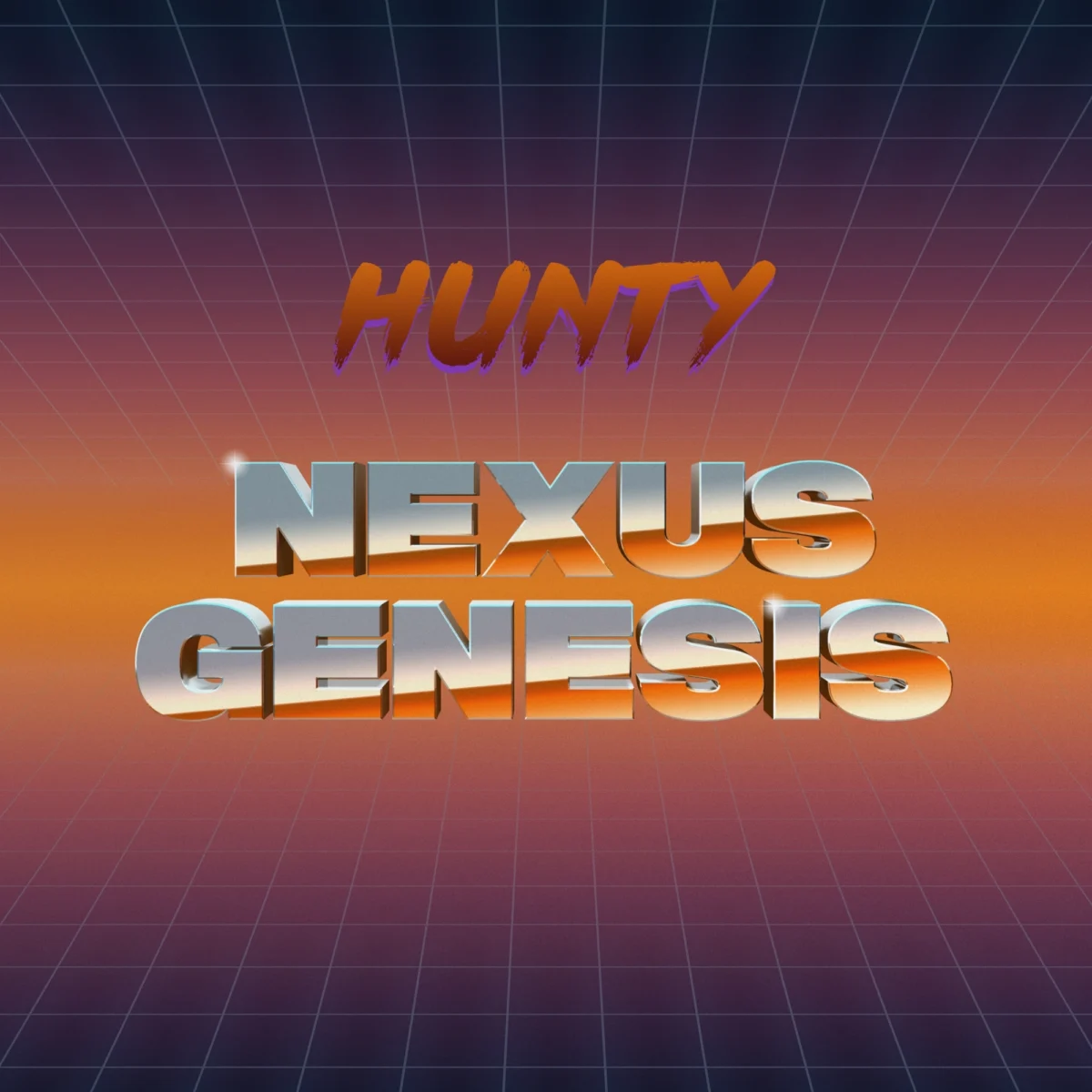
On August 16, 2015, the independent music collective Ubiktune officially welcomed composer Hunter Bridges to its roster, coinciding with the digital release of his debut album, Nexus Genesis. The album serves as a definitive resolution to a decade-long creative endeavor that began with the development of the widely acclaimed fan-made title, Sonic Nexus. By bridging the gap between nostalgic 16-bit aesthetics and contemporary production standards, Bridges has transformed what was once a dormant project into a finished, standalone work of art.
The Genesis of a Composer
Hunter Bridges’ career trajectory is deeply rooted in the cultural landscape of the early 1990s. Raised in Alabama, Bridges was exposed to music production from an early age; his father’s band frequently practiced at their family home, providing the young composer with an unconventional but effective musical apprenticeship. During the band’s intervals, Bridges would explore the percussion equipment, eventually leading to formal drum instruction.

His formative years coincided with the peak of the fourth generation of video game consoles—the Nintendo Entertainment System, the Super Nintendo, and, most pivotally, the Sega Genesis. These platforms served as his primary music theory classroom. Bridges developed a refined ear for melodic structure and sound design by obsessively studying the "Sound Check" menus of iconic titles such as Super Mario Bros. 3, Street Fighter II, Gauntlet IV, and the seminal Sonic the Hedgehog 3.
The digital transition for Bridges occurred in the sixth grade when he discovered VGMusic.com. This community-driven archive of MIDI transcriptions allowed amateur arrangers to dissect the architecture of classic game music. For a generation of musicians who grew up in the dial-up era, this site served as an essential hub for collaborative learning and technical skill-building, setting the stage for Bridges’ transition from a listener to a practitioner.
The Sonic Nexus Timeline: 2006–2010
The project known as Sonic Nexus began in the summer of 2006, spearheaded by developer Brad Flick, known in the enthusiast community as "Slingerland." The goal was to create a fan-made Sonic the Hedgehog title that captured the high-speed, physics-heavy gameplay of the 16-bit classics while utilizing modern engine technology.

The project’s timeline can be segmented into three distinct phases:
- 2006–2007 (The Prototype Phase): Under Flick’s leadership, the Nexus Team released three early technical demos. These were met with significant critical acclaim at the Sonic Amateur Games Expo (SAGE), establishing the game as one of the most promising fan-led projects in the Sonic community.
- 2008–2009 (The Engine Migration): As the team sought to improve the game’s performance, they shifted their focus toward the "Retro Engine." This proprietary tool, created by Christian Whitehead (The Taxman), was built through reverse engineering original Sega Genesis binaries. This period represented a professionalization of the fan-game movement, as developers began to prioritize engine accuracy over simple visual mimicry.
- 2010 (The Consolidation and Conclusion): In an effort to optimize resources, the development teams behind Sonic Nexus, Retro Sonic, and Sonic XG entered discussions to merge their efforts. However, this period also coincided with a major shift in the relationship between independent developers and Sega.
The Professional Intersection: The "Taxman" Effect
The eventual termination of the Sonic Nexus project was not a result of a lack of interest or technical failure, but rather a byproduct of the burgeoning professionalization of its contributors. In 2010, Christian Whitehead successfully demonstrated his Retro Engine to Sega by presenting a high-fidelity recreation of the "Palmtree Panic" level from Sonic CD, tailored for mobile hardware.
This demonstration caught the attention of Sega executives, leading to a professional partnership. Whitehead was hired to spearhead official ports of Sonic CD, Sonic the Hedgehog, and Sonic the Hedgehog 2 for modern mobile platforms. Given the legal sensitivities surrounding intellectual property, the team behind Sonic Nexus made a strategic decision to dissolve the project. This move was intended to ensure that Whitehead’s burgeoning business relationship with Sega remained untarnished. Consequently, while the game itself ceased development, a significant library of assets—specifically the musical compositions crafted by Bridges—remained in limbo.

Technical Evolution: From MIDI to FM Synthesis
Following the abandonment of the project, Bridges faced a creative crossroads. He held a deep catalog of themes written for Sonic Nexus, yet he felt they lacked the sonic authenticity of the original Sega Genesis hardware. The challenge lay in the limitations of standard digital production software; while MIDI allowed for composition, it often failed to capture the distinct timbre of the YM2612 sound chip that defined the classic Sonic aesthetic.
Bridges’ approach to resolving this disconnect was methodical. Throughout his college years, he delved into the intricacies of Frequency Modulation (FM) synthesis and music theory. This pursuit culminated in 2013 with the release of the "Sonic 3 & Knuckles FM8 Patch Collection," a technical milestone that provided him with the necessary tools to replicate the hardware’s unique synthesis capabilities within a modern Digital Audio Workstation (DAW).
By 2015, nine years after he first signed onto the project, Bridges possessed both the technical proficiency and the artistic clarity to finalize his work. Nexus Genesis is not merely a collection of leftovers; it is a re-imagining of those initial themes, polished through the lens of a mature composer.

Broader Implications for Fan-Game Culture
The release of Nexus Genesis serves as a case study in the evolving relationship between fan-created content and corporate IP. In the mid-2000s, the "fan-game" scene was largely an insular, hobbyist-driven ecosystem. Today, it is increasingly recognized as an incubator for professional talent. The journey of Hunter Bridges and Christian Whitehead illustrates a path from hobbyist enthusiast to professional contributor.
From an analytical standpoint, Nexus Genesis highlights the value of preservation in digital creative work. Many fan-led projects suffer from "vaporware" status, where assets are lost or discarded once a project is canceled. By releasing the soundtrack officially, Bridges has ensured that the creative output of the Nexus Team is archived and accessible to the public, effectively treating the "game-that-never-was" as a completed cultural artifact.
Official Reception and Legacy
The album features cover art by Daniel Warner Smith, reflecting a cohesive artistic vision that aligns with the professional standards of the Ubiktune label. For the contributors, the album is described as a "love letter" to the original composers of the Sonic series—specifically those who shaped the sound of Sonic the Hedgehog 3—and a tribute to the collaborative spirit that defined the Nexus Team.

As the industry continues to move toward a model where community-developed engines and assets are integrated into official releases, the story of Sonic Nexus remains a foundational example. The release of Nexus Genesis serves as a bookend to a specific era of internet-based game development, proving that while the software may be shelved, the creative spirit that fuels such projects often finds its way to completion. Through this release, Bridges has successfully converted a chapter of his early life into a lasting musical contribution, ensuring that the legacy of Sonic Nexus endures long after the code has gone silent.