Chalid Lutfie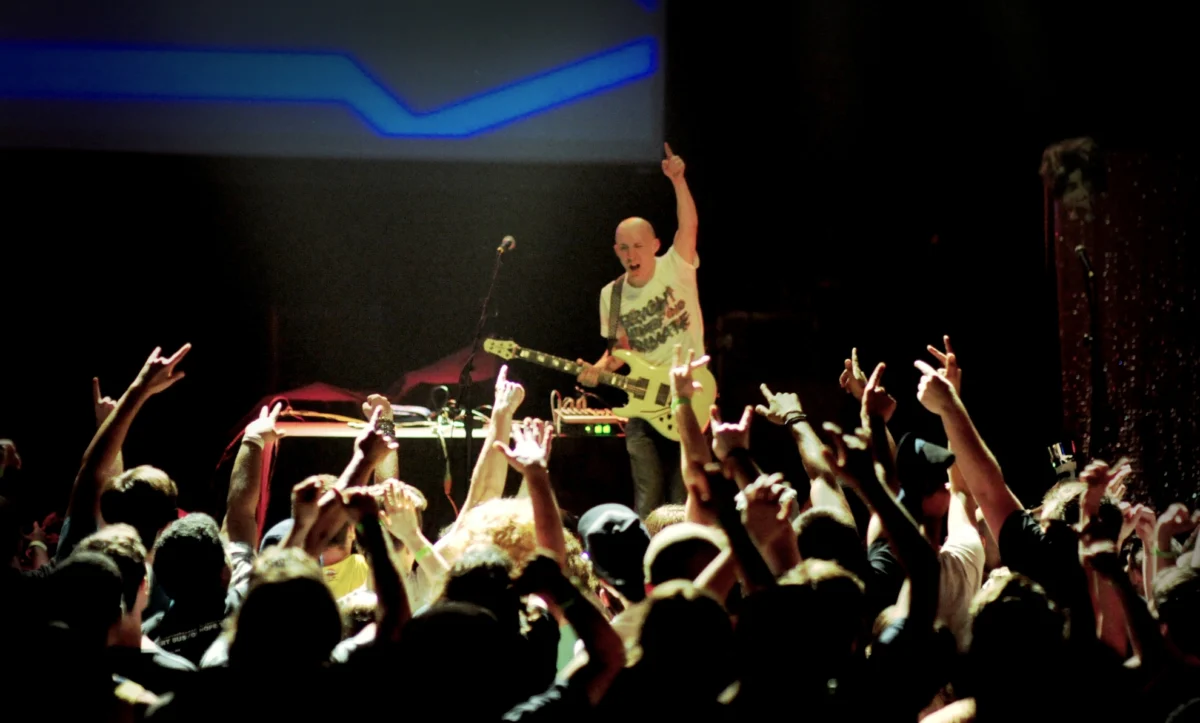
After a three-year hiatus following the release of the collaborative project Parallel Processing with Zef, Danimal Cannon—the moniker of electronic musician and guitarist Dan Behrens—is returning to the forefront of the chiptune-fusion scene. The announcement of his latest studio effort, Lunaria, marks a significant departure from his previous discography, representing a refined synthesis of high-fidelity guitar work and low-bit audio synthesis. While fans have long recognized the integration of these two elements during his high-energy live performances, the studio recording process has historically kept these domains largely separate. With the upcoming launch of Lunaria, slated for March 11, Behrens aims to bridge this technical divide, signaling a new chapter in his career and a maturation of the genre he has helped pioneer.
A Chronology of Artistic Evolution
The journey toward Lunaria began long before its official announcement. Behrens’ career in the chiptune circuit is marked by a steady progression from pure 8-bit soundscapes to complex, multi-instrumental compositions. In 2011, his album Roots served as an early testing ground for his ambition to marry the Game Boy’s rigid, digital architecture with the fluid, expressive potential of the electric guitar. At the time, Behrens noted that the technical difficulties of synchronizing the two instruments often resulted in a compromise, leading him to excise guitar parts from several tracks to maintain tonal consistency.
Following Roots, Behrens focused on live performance, where he refined the synergy between his modified hardware and his virtuosic guitar playing. This live-oriented experimentation became the blueprint for his current sound. The subsequent release of Parallel Processing in 2013 provided further opportunities for cross-genre collaboration, but it was the three-year period leading up to 2016 that Behrens credits as the necessary incubation time to master the compositional hurdles of his specific aesthetic. This four-year period of trial and error has culminated in an album that finally reflects the internal sonic landscape he has cultivated on stage.
Technical and Thematic Foundations
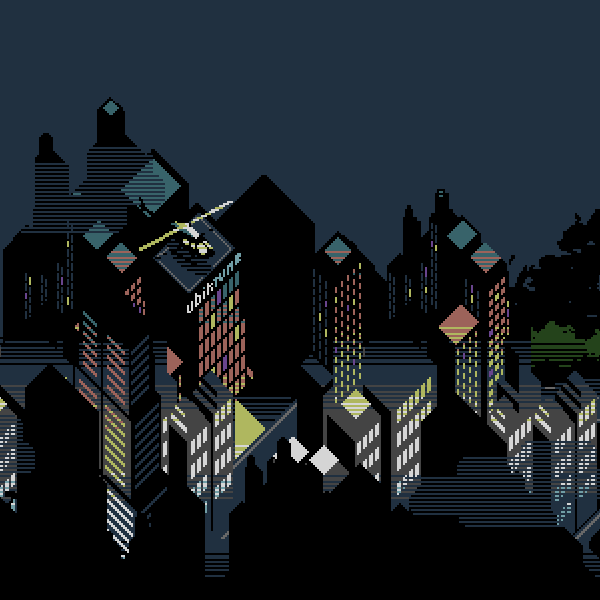
Lunaria is not merely a collection of tracks; it is a conceptual project rooted in both astrophysical theory and classical musical structures. According to Behrens, the album’s central theme is inspired by the "giant impact hypothesis," the prevailing scientific theory that the Moon was formed by a cataclysmic collision between Earth and a protoplanet known as Theia. Behrens has personified this celestial event, creating a central character named Lunaria to narrate the narrative arc of the album. This intersection of scientific curiosity and music composition reflects a growing trend in independent electronic music, where artists increasingly look toward non-musical disciplines to provide structure and depth to their projects.
The title itself serves a dual purpose, acting as both the name of the central character and a linguistic nod to the "Lunar-aria," suggesting a collection of operatic, celestial movements. This thematic depth is supported by a diverse array of musical influences that move well beyond the standard chiptune paradigm. Behrens cites the Shovel Knight original soundtrack, the experimental indie-rock duo Buke and Gase, the industrial sensibilities of Nine Inch Nails and KMFDM, and the choral/orchestral works of Mozart and Eric Whitacre as primary inspirations. This eclectic mix of influences informs the album’s aggressive, metal-leaning production, providing a dense, textured sound that defies the limitations often associated with 8-bit hardware.
Collaborations and Orchestration
A critical component of Lunaria’s production is its collaborative nature, which expands the album’s sonic reach beyond the capabilities of a solo performer. Behrens has enlisted the vocal talents of Emily Yancey, a professional singer whose background in opera was essential to the character-driven narrative of the record. Behrens noted that Yancey’s training provided the exact vocal timbre required to portray the celestial "moon goddess" archetype he envisioned for the project. The decision to incorporate professional, classically-trained vocals into an electronic album underscores the project’s ambition to move beyond the tropes of the chiptune scene.
Furthermore, the record features a significant contribution from Samuel Ascher-Weiss, better known as Shnabubula. Ascher-Weiss, who also appeared on the 2011 album Roots, was tasked with a solo piano rendition of the album’s most complex track, "Axis." This choice highlights a strategic contrast within the album: the juxtaposition of the digital, often "quirky" aesthetic of the Game Boy against the organic, resonant power of a grand piano. This move serves to validate the strength of the underlying composition, demonstrating that the melody stands on its own regardless of the instrument utilized to deliver it. The project is further rounded out by the visual contributions of illustrator Minerva Mopsy, whose artwork provides a tangible, physical component to the release via a poster included with the physical CD edition.
The Significance of the "Chiptune-Fusion" Movement
The release of Lunaria represents a broader trend within the niche electronic community: the transition from "chiptune" as a novelty or a constrained medium toward a sophisticated fusion genre. By embracing progressive metal elements, classical theory, and high-level production values, artists like Danimal Cannon are challenging the perception that 8-bit hardware is inherently limiting.
For the listener, this evolution signifies a move toward more cohesive and emotionally resonant experiences. Where early chiptune was defined by its constraints—the challenge of creating music within the strict limitations of 1980s console hardware—the current wave of music, exemplified by Lunaria, focuses on the creative output made possible by those constraints. Behrens’ insistence that the two instruments "sound like they’re supposed to be together" suggests a successful resolution of the technical friction that defined his early work.
From an industry perspective, the pre-order model and the inclusion of physical media—CDs and accompanying art posters—demonstrate a commitment to the "collector" culture that sustains independent electronic artists. The shift toward physical, high-quality merchandise alongside digital availability acknowledges that for many fans, the album is a comprehensive package rather than a collection of isolated files.
Implications and Future Outlook
The release of Lunaria on March 11 serves as a barometer for the current state of independent, hardware-based electronic music. If the project succeeds in reaching a wider audience, it may encourage other practitioners in the field to pursue more ambitious, multi-instrumental projects that break away from the "pure" chiptune aesthetic.
The integration of professional vocalists and acoustic piano performances is particularly telling. It signals a move toward mainstream viability, suggesting that the barrier between "chiptune" and "contemporary music" is becoming increasingly porous. Behrens’ willingness to incorporate industrial and orchestral influences further diversifies his listener base, potentially attracting fans from the metal and progressive rock communities who might not otherwise engage with electronic music derived from game consoles.
Ultimately, Lunaria stands as a testament to the benefits of a slow, iterative development process. By resisting the urge to rush the integration of his guitar work, Behrens has allowed his sound to evolve organically. The album’s success will likely hinge on its ability to balance its technical complexity with the accessible, melodic sensibilities that first made Behrens a household name in the chiptune scene. As the music industry continues to fragment into specialized, dedicated fanbases, projects that bridge multiple technical and stylistic worlds—much like the collision of Earth and Theia—may provide the most compelling and enduring contributions to the medium. With pre-orders already active on Bandcamp, the anticipation surrounding the release suggests that the market for this hybrid of digital and analog instrumentation is not only present but hungry for more nuanced, concept-driven works.