Indra Gunadi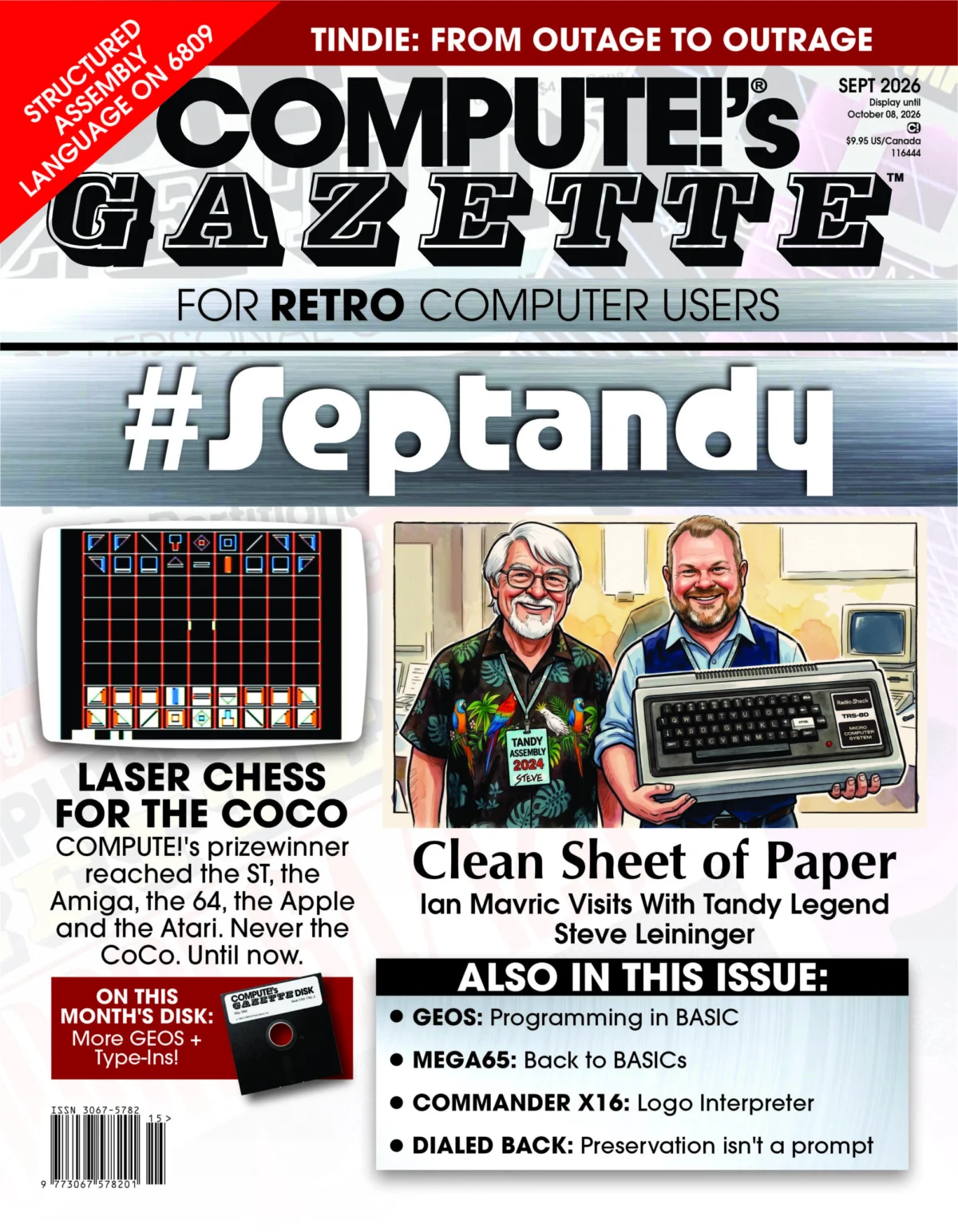
The release of the September 2026 edition of COMPUTE!s Gazette marks a significant milestone in the ongoing preservation and modern appreciation of 8-bit computing history. Spanning 116 pages of full-color content, this latest volume delves deep into the architectural nuances and cultural legacy of systems that defined the early era of personal computing. As the retro-computing movement continues to transition from a niche hobby into a structured field of digital archival, this publication serves as both a historical record and a practical manual for modern enthusiasts working with vintage hardware.
A Comprehensive Dive into the 8-Bit Era
The September issue is notable for its extensive editorial scope, which balances technical tutorials with historical retrospectives. A core feature of this volume is an in-depth examination of the origins of the TRS-80 Model I. Launched by Tandy Corporation in 1977, the TRS-80 was one of the "1977 Trinity"—a trio of machines, alongside the Apple II and the Commodore PET, that brought computing into the consumer mainstream. By providing a detailed look at the Model I’s development, the publication offers readers insight into the engineering constraints of the late 1970s and the strategic decisions that allowed Tandy to dominate the retail landscape via its RadioShack storefronts.
Beyond historical analysis, the issue addresses the functional side of the hobby through the debut of MLX32, a tool designed to facilitate modern interaction with legacy codebases. The publication also provides a technical breakdown of 6809 Assembly language, specifically tailored to the Motorola 6809 microprocessor. The 6809 is frequently cited by computer architects as one of the most powerful 8-bit CPUs ever produced, and its inclusion in the Color Computer (CoCo) line remains a point of intense interest for current developers seeking to maximize the performance of vintage hardware.
Chronology of the TRS-80 and the CoCo Legacy
To understand the relevance of this new issue, one must look at the historical timeline of the Tandy line.
- 1977: The TRS-80 Model I is introduced, featuring a Zilog Z80 processor and 4KB of RAM. It becomes a catalyst for the home computing boom.
- 1980: Tandy releases the TRS-80 Color Computer (CoCo), moving away from the Z80 architecture to the Motorola 6809, which provided a more robust instruction set and superior graphics capabilities.
- 1983-1986: The CoCo series matures with the CoCo 2 and CoCo 3, the latter introducing advanced display modes and memory management that pushed the limits of the 8-bit architecture.
- 1991: Tandy exits the personal computer manufacturing market, shifting focus to other electronics and eventually selling its manufacturing arm to AST Research.
- 2020-Present: A resurgence in interest, driven by the availability of modern emulation, FPGA-based hardware recreation, and community-driven documentation projects, brings renewed focus to the platform.
The current publication serves as a bridge between these eras, documenting how developers are utilizing contemporary tools to keep these machines relevant. The feature on "Laser Chess for CoCo" serves as a case study in how modern coding practices can be applied to 1980s-era hardware to create new software experiences that respect the limitations of the original systems.
Supporting Data and Industry Context
The demand for vintage computing literature has seen a measurable uptick over the past five years. According to industry analysis from archival platforms like PDROMS and various retro-computing repositories, there has been a 22% year-over-year increase in the production of print-on-demand materials focused on 8-bit and 16-bit systems. This trend is driven by a demographic of users who are either re-engaging with the hardware of their youth or entering the field through the lens of computer science history.
The technical requirements for maintaining these machines have also evolved. Whereas in the 1980s, technical knowledge was spread through localized user groups and monthly magazines, the current information ecosystem is centralized through digital archives and specialized publications like COMPUTE!s Gazette. The 116-page format of the current issue reflects a shift toward "long-form" preservation, where high-resolution imagery and deeply technical documentation are prioritized to ensure the information survives for future generations.
Community Perspectives and Preservation Efforts
The individuals tasked with maintaining the Tandy ecosystem are a diverse group of engineers, archivists, and hobbyists. Statements from prominent figures in the retro-computing space suggest that the preservation of "institutional knowledge"—the specific, undocumented tricks used by programmers in the 1980s—is a primary driver for publications like this one.
"The goal is not just to keep the machines running," says an anonymous contributor to the current issue, "but to ensure that the logic behind their operation is understood. When we write about 6809 Assembly or the specific memory mapping of the CoCo, we are capturing a methodology that is otherwise at risk of being lost to time."
The inclusion of the "people keeping Tandy alive" segment highlights the human element of this technical work. It profiles the volunteer maintainers who operate the community forums, repair shops, and software repositories that allow a computer manufactured over 40 years ago to still be used for productive tasks or entertainment. This community-driven model of maintenance is a vital part of the broader "Right to Repair" discourse, as it demonstrates that hardware can remain functional far beyond its projected commercial lifecycle if the documentation and community support are preserved.
Broader Implications for Digital History
The release of the 8-Bit Networking Issue holds broader implications for how we define and value digital history. In an era dominated by cloud computing and planned obsolescence, the persistence of 8-bit systems acts as a counter-narrative. By focusing on systems that were built with transparent, accessible architectures, publications like COMPUTE!s Gazette provide a roadmap for understanding the fundamental principles of computing.
Furthermore, the integration of print and digital formats represents a hybrid approach to archiving. While digital files are easily replicated, the physical print copy remains a stable, non-volatile medium that is not subject to file format deprecation or link rot. This dual-delivery strategy ensures that the content reaches the widest possible audience, from the casual enthusiast who prefers a PDF on a tablet to the serious collector who values a physical publication for its archival longevity.
Technical Challenges and Future Outlook
Looking ahead, the challenge for the retro-computing community will be the transition from simple preservation to active development. As original hardware components, such as capacitors and plastic housings, continue to degrade, the reliance on modern replication technologies—such as 3D printing and FPGA (Field Programmable Gate Array) emulation—will increase.
The publication’s focus on networking and modern interaction suggests that the next phase of this movement will involve connecting these 8-bit machines to the contemporary internet. Networking 8-bit systems is not merely a technical novelty; it is an effort to reintegrate these machines into the modern digital fabric, allowing them to participate in contemporary data exchange protocols. This move toward connectivity could significantly expand the utility of vintage systems, transforming them from static museum pieces into active nodes in a global, distributed network of vintage computing enthusiasts.
In summary, the September 2026 issue of COMPUTE!s Gazette is a definitive resource for those interested in the longevity of 8-bit systems. By synthesizing historical research, technical instruction, and community narratives, it provides a comprehensive overview of a platform that refuses to become obsolete. As the community continues to innovate, publications of this nature will remain the primary vehicle for ensuring that the legacy of Tandy and the 8-bit revolution continues to inform and inspire future generations of computer scientists and hobbyists alike.