Chalid Lutfie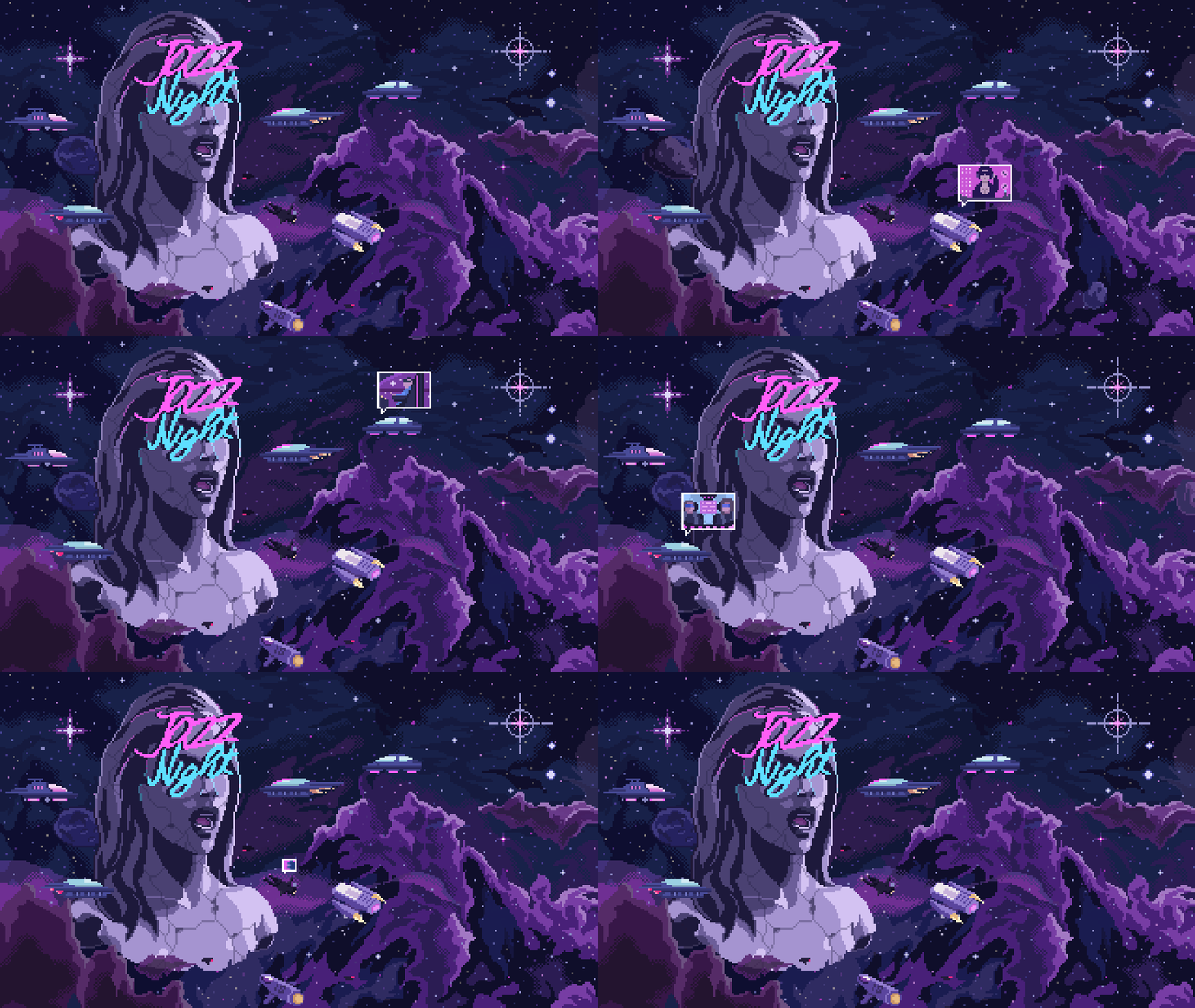
A Career Rooted in Demoscene History
The artistic trajectory of Juan Irming, professionally known as Amplitude Problem, provides essential context for the technical ambition displayed in this latest release. His career began in the late 1980s, a formative period for digital music production defined by the European "demoscene." As a composer for the Atari ST-based crew SYNC, Irming gained early recognition for his ability to push the limitations of hardware-restricted sound chips. This era of composition was characterized by strict memory constraints, requiring composers to maximize the impact of every byte—a discipline that remains evident in his current work.
Following his tenure in the demoscene, Irming attended the Musicians Institute in the early 1990s, where he refined his formal musical knowledge. This education allowed him to bridge the gap between traditional keyboard performance and the emerging world of video game scoring. Over the subsequent decades, Irming has become a fixture in the synthwave and chiptune communities, contributing to over ten LPs and collaborating with prominent figures such as YTCracker, Mitch Murder, Lazerhawk, and GUNSHIP. His professional portfolio also extends into the gaming industry, with credits for sound design and soundtrack composition on titles including Power Drive 2000 and VirtuaVerse.

Conceptual Origins and Technical Execution
The inception of The Frequency Modulators Orchestra, Vol. 1 can be traced back to 2014, specifically during the production of YTCracker’s cyberpunk album, Introducing Neals. During the composition of the track "Feel Like Leisure Suit Larry," Irming reported a creative breakthrough involving the FM-synth sound, noting its inherent suitability for percussive and jazz-oriented arrangements. This interest was further solidified by his 2015 solo track "Funky Mustache," which served as the stylistic prototype for the current project.
The production of the album spanned ten months, a period characterized by a deliberate rejection of vocal-centric songwriting. Irming sought to place the entire burden of narrative and engagement on the instrumental arrangement, a significant technical challenge in the context of electronic music. To ensure the project maintained a professional standard suitable for high-fidelity listening, Irming secured the services of Grammy Award-winning mastering engineer Don Grossinger. Grossinger’s involvement provided a critical layer of sonic polish, aligning the digital textures of FM synthesis with the acoustic standards expected in traditional jazz recordings.
The Intersection of Digital Synthesis and Improvisation
A central theme of the album is the attempt to reconcile "cold" digital synthesis with the "warm" nuances of jazz. FM synthesis, a method of sound generation that involves modulating the frequency of a waveform with another, is frequently criticized for its perceived sterility. Irming’s approach to subverting this involves a heavy reliance on improvisation. By treating the synthesizers as live instruments rather than programmed sequences, he attempts to capture the "in-the-moment" spontaneity characteristic of jazz ensembles.
Irming characterizes this process as a collaborative effort with his hardware. By anthropomorphizing the FM instruments as "band members," he granted each sound module the liberty to improvise within the tracks. This conceptual framework was designed to bypass the limitations of traditional, quantized electronic music, allowing for the introduction of "human grooves" and erratic, emotive fluctuations that define the jazz genre.
Visual Collaborations and Artistic Presentation
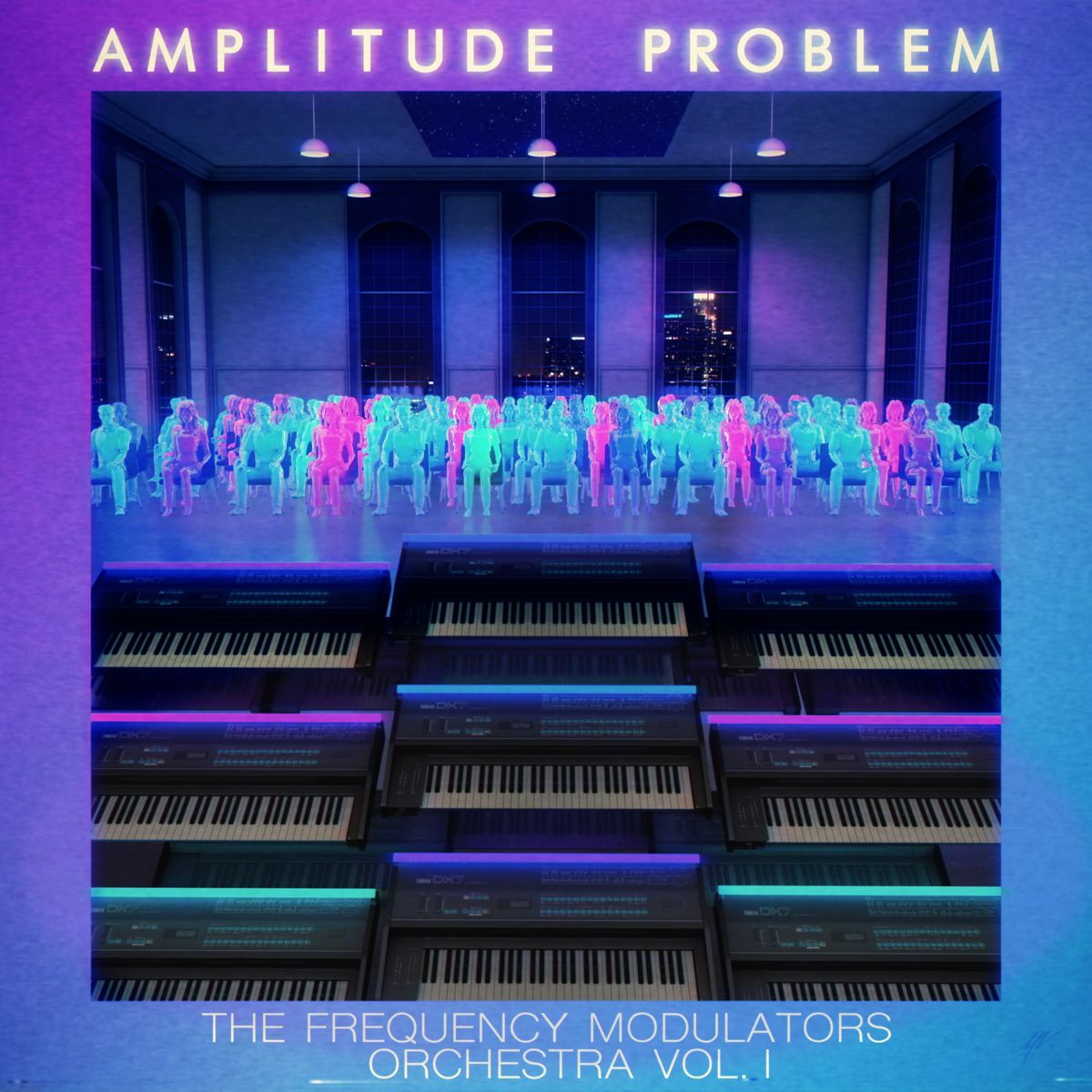
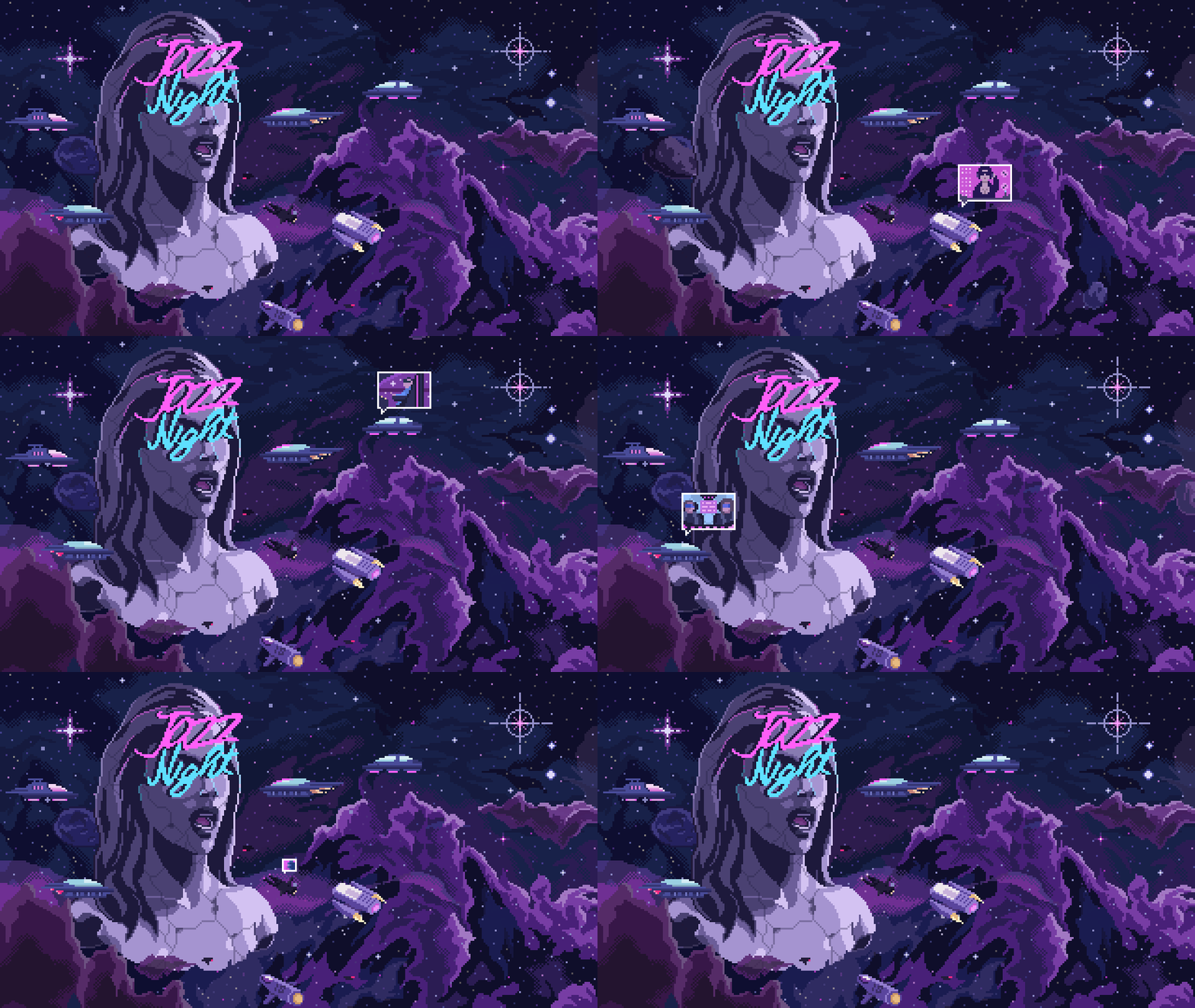
The presentation of The Frequency Modulators Orchestra, Vol. 1 is as much a visual statement as it is an auditory one. The cover art, created by the artist Mythical Vigilante, sets the tone for the retro-aesthetic of the album. Furthermore, the inclusion of animation by Valenberg, specifically the "Jazz Night" pixel-art sequence, serves as a digital companion to the music. Such collaborations underscore the album’s place within the broader chiptune subculture, where visual media and sound design are often inextricably linked.
Industry Impact and Broader Implications
The release of this album highlights a growing trend within independent music production: the reclamation of legacy synthesis methods to explore complex, non-commercial genres. By utilizing FM synthesis—technology that defined the sound of the 1980s—to create modern jazz-funk, Amplitude Problem contributes to a discourse regarding the longevity and versatility of vintage digital tools.

From a market perspective, the project reflects the niche but dedicated demand for conceptual electronic albums that bridge the gap between video game culture and high-brow musical performance. The participation of established industry figures like Don Grossinger suggests a professionalization of the chiptune genre, moving it away from its roots as a purely hobbyist pursuit toward a more respected position within the contemporary music landscape.
Chronology of Production and Release
- 1980s: Juan Irming begins his career as a composer for the SYNC demoscene crew.
- Early 1990s: Irming attends the Musicians Institute, expanding his expertise into formal composition and keyboard performance.
- 2014: During the production of YTCracker’s Introducing Neals, the concept for a jazz-influenced FM album begins to take shape.
- 2015: The release of the track "Funky Mustache" confirms the viability of the FM-jazz aesthetic.
- Late 2015: The official concept for The Frequency Modulators Orchestra is finalized.
- 2016: A ten-month production cycle begins, focusing on improvised instrumental tracks.
- April 25, 2017: The album is officially released via Ubiktune, featuring collaborations with Mythical Vigilante, Valenberg, and Don Grossinger.
Analysis of Stylistic Choices
The album structure reveals a deliberate emotional arc. Irming notes that the first four tracks are intended to facilitate a period of introspection, while the concluding three tracks serve as a broader commentary on the human experience and the universe. This narrative-driven approach is uncommon in purely electronic releases, which frequently prioritize rhythmic consistency over thematic depth.
By choosing to omit vocals, Irming avoids the risk of misinterpretation, yet he acknowledges the increased difficulty in sustaining listener interest. The success of the project relies on the listener’s ability to engage with the "synth-funk soundtrack" on a cerebral level. Tracks like "Ghosts in My Medicine Cabinet" represent the culmination of this approach—a composition that requires a high degree of conviction and, as the artist notes, an unapologetic commitment to the chosen sound.
Conclusion
The Frequency Modulators Orchestra, Vol. 1 stands as a testament to the potential for digital tools to transcend their original purposes. Through a combination of historical demoscene technicality, formal jazz training, and a willingness to embrace improvisational risk, Amplitude Problem has produced a work that challenges the conventions of synthwave and chiptune. Whether the project achieves lasting status as a crossover success remains to be seen, but it provides a compelling case for the continued exploration of FM synthesis in the context of human-centered, improvisational music. The album is currently available across major streaming platforms and digital music retailers, cementing its place in the 2017 independent electronic release catalog.