Chalid Lutfie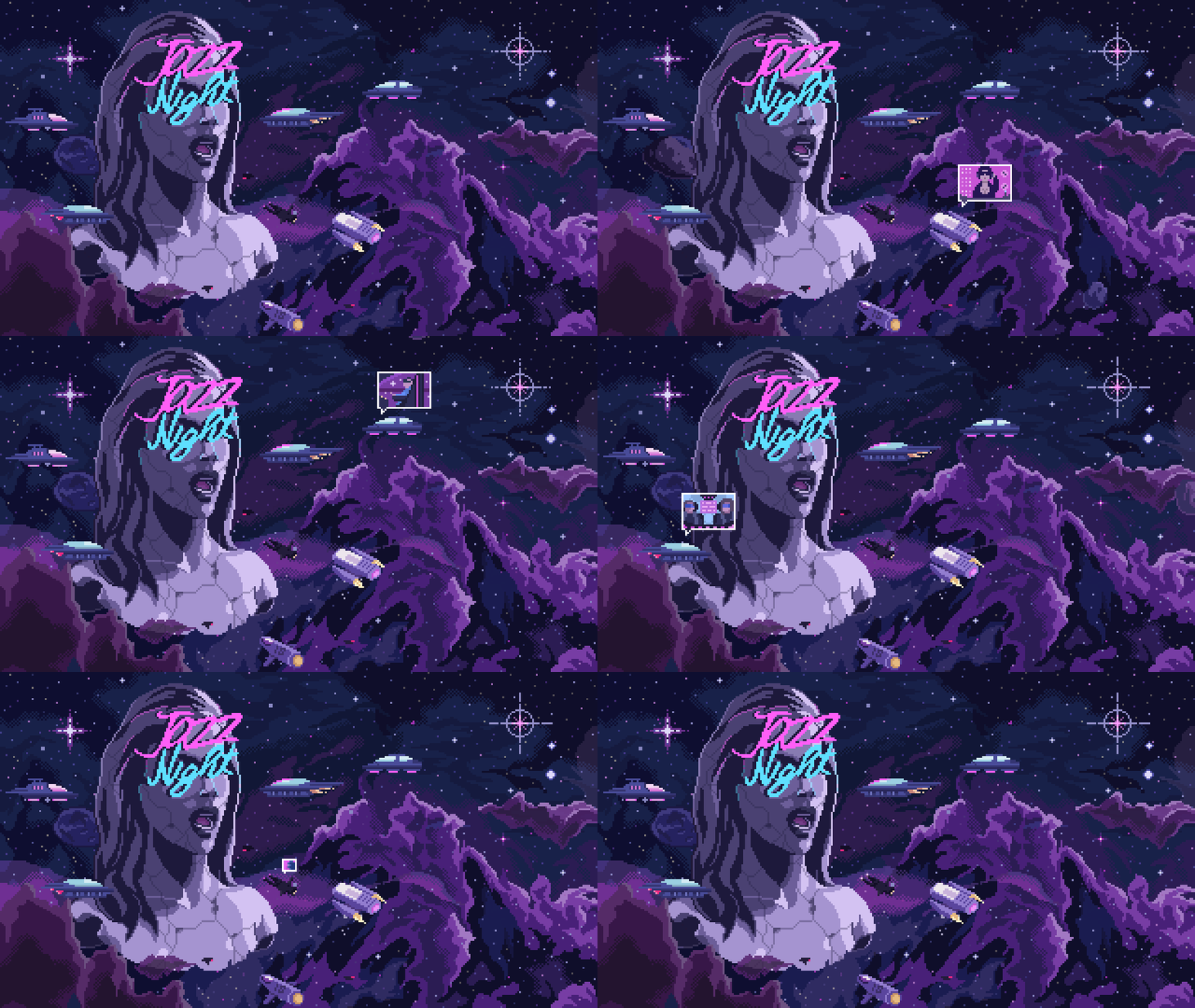
Los Angeles-based producer and composer Juan Irming, performing under the moniker Amplitude Problem, has officially released his debut album with the Ubiktune label, titled The Frequency Modulators Orchestra, Vol. 1. The project represents a sophisticated intersection of mid-20th-century jazz theory and late-20th-century digital synthesis, specifically utilizing Frequency Modulation (FM) synthesis as its primary sonic engine. This release marks a significant milestone for both the artist and the label, as it seeks to challenge the long-held perception of digital synthesis as a "cold" or "sterile" medium by applying it to the "warm," improvisational structures of jazz-funk and fusion.
The album is structured as a conceptual exploration, featuring a collection of tracks composed exclusively using FM synthesizers and lo-fi drum samples. By limiting the technical palette to these specific tools, Irming has created a focused aesthetic that pays homage to the hardware-constrained era of the 1980s while pushing the boundaries of modern electronic production. The Frequency Modulators Orchestra, Vol. 1 is now available across all major digital distribution platforms and streaming services, signaling a new chapter in the evolution of the synthwave and chiptune subgenres.
Technical Foundation and the FM Synthesis Paradigm
To understand the significance of The Frequency Modulators Orchestra, Vol. 1, one must consider the technical history of Frequency Modulation synthesis. Developed by John Chowning at Stanford University in the late 1960s and later popularized by Yamaha in the 1980s with the release of the DX7, FM synthesis became the hallmark of 80s pop and television scores. Unlike subtractive synthesis, which removes harmonics from a rich waveform, FM synthesis generates complex timbres by modulating the frequency of one oscillator (the carrier) with another (the modulator).
The result is a metallic, percussive, and often "glassy" sound that defined the digital revolution in music. However, FM synthesis has frequently been criticized for its lack of organic "warmth" compared to analog counterparts. Irming’s project specifically addresses this dichotomy. By applying the complex, often unpredictable language of jazz improvisation to the rigid architecture of FM operators, Amplitude Problem attempts to humanize the machine. The album serves as a technical demonstration of how nuanced programming and expressive keyboard performance can transform digital algorithms into "human grooves."

The Chronology of Juan Irming: From Atari ST to Los Angeles
The release of The Frequency Modulators Orchestra, Vol. 1 is the culmination of a career spanning nearly three decades. Juan Irming’s roots are firmly planted in the European demoscene of the late 1980s. As a member of the world-renowned Atari ST demo crew known as SYNC, Irming (then operating under different aliases) established himself as a premier composer within the constraints of early home computing hardware. His work during this period was characterized by an ability to extract maximum musicality from the Atari ST’s Yamaha YM2149 sound chip, earning him first-place honors in several international demo music competitions.
In the early 1990s, Irming transitioned from the hobbyist demoscene to formal musical education, attending the Musicians Institute in Hollywood. This period was critical in bridging his technical proficiency with the theoretical foundations of jazz and contemporary composition. Following his studies, he became a versatile fixture in the Los Angeles music scene, working as a producer, sound designer, and keyboardist.
His professional portfolio includes credits on ten long-playing records and collaborations with prominent figures in the retrowave and cyberpunk communities. Notably, Irming produced the instrumental for "Feel Like Leisure Suit Larry" on the 2014 album Introducing Neals by the legendary "geek rapper" YTCracker. This specific collaboration served as the catalyst for The Frequency Modulators Orchestra. The positive reception to the track’s "chip-like" FM sound and its synergy with percussive, jazzy grooves inspired Irming to pursue a full-length exploration of the style.
Production Timeline and Creative Methodology
The development of The Frequency Modulators Orchestra, Vol. 1 spanned a ten-month period beginning in late 2015. According to Irming, the objective was to move away from the vocal-centric structures of his previous work with YTCracker and embrace the "pure musical expression" afforded by instrumental arrangements.
The production process was characterized by a heavy reliance on live improvisation. Rather than meticulously sequencing every note—a common practice in electronic and chiptune music—Irming prioritized spontaneous studio "jams" on his keyboards. This methodology was intended to ensure the album remained within the realm of jazz, where the "in-the-moment" energy of a performance is paramount.
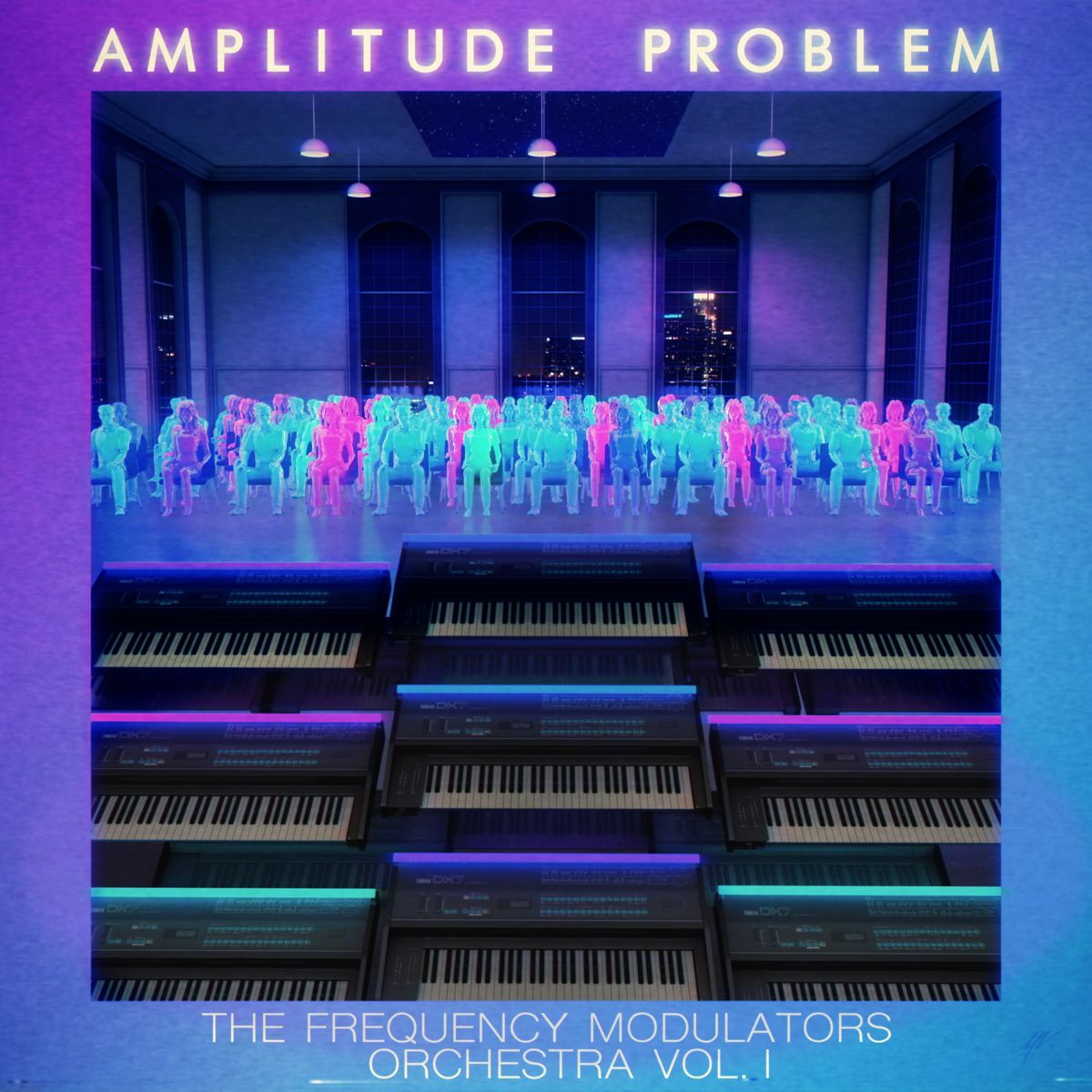
The album’s title also reflects a specific conceptual framework. Irming envisioned "The Frequency Modulators" not as a solo project, but as a virtual band. In this metaphor, each FM instrument is treated as an individual ensemble member, granted the "privilege" to improvise and interact with other tracks. This approach allowed for the creation of complex, multi-layered compositions like "Ghosts in My Medicine Cabinet," a track Irming describes as a "deeply personal" piece that required a "no-apologies" delivery to be effective.
Collaborative Elements and Visual Identity
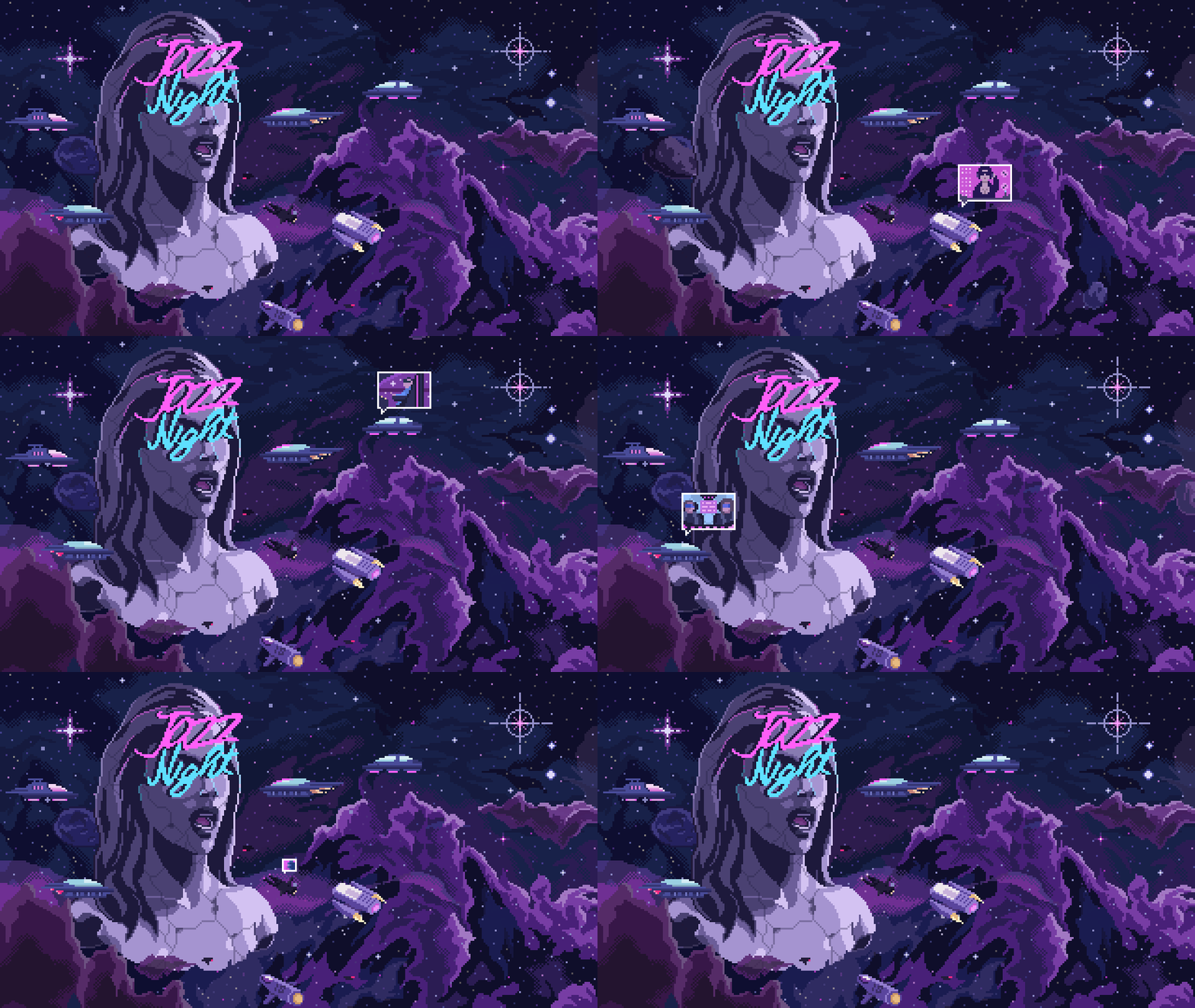
While the musical composition was a solo endeavor, the project’s final presentation involved high-level collaborations across the visual and technical spectrums. The album’s front cover art was created by Mythical Vigilante, whose work often evokes the neon-soaked, retro-futurist aesthetics of the 1980s. Additional art and a signature "Jazz Night" pixel-art animation were provided by the artist Valenberg.
The inclusion of high-quality visual art is a staple of the Ubiktune label’s philosophy, which seeks to treat electronic music as a holistic sensory experience. Valenberg’s animations, in particular, provide a visual counterpart to Irming’s soundscapes, grounding the abstract digital synthesis in a recognizable, pixelated world that resonates with fans of vintage gaming and cyberpunk culture.
On the technical side, the album underwent a rigorous mastering process. To ensure the record met the standards of "discerning jazz fans," Irming enlisted the services of Grammy Award-winning mastering engineer Don Grossinger. Grossinger’s pedigree includes work with jazz legend Miles Davis, as well as a diverse array of icons like The Flaming Lips and Maroon 5. The decision to hire a high-profile engineer known for his work in the traditional jazz and pop worlds underscores the project’s ambition to be viewed as more than a niche electronic release.
Market Implications and the Evolution of Synth-Jazz
The release of The Frequency Modulators Orchestra, Vol. 1 comes at a time when the boundaries between "chiptune," "synthwave," and "contemporary jazz" are increasingly blurred. In 2017, the global music market saw a significant resurgence in the popularity of hardware-based electronic music, driven in part by the "retromanic" trends in popular culture (as seen in the success of series like Stranger Things and films like Blade Runner 2049).

Irming’s work represents a more sophisticated "Phase 2" of this trend. While early synthwave often relied on simple nostalgia, Amplitude Problem’s debut on Ubiktune suggests a move toward "high-fidelity chiptune" or "digital fusion." By incorporating the improvisational complexity of jazz, the album appeals to a demographic of listeners who value technical musicianship as much as retro aesthetics.
Industry analysts suggest that this hybrid genre—often referred to as "synth-funk" or "electro-jazz"—has the potential to expand the audience for electronic music into more traditional listening circles. The involvement of artists like Mitch Murder, Lazerhawk, and GUNSHIP in the broader scene, alongside Amplitude Problem, indicates a robust ecosystem for this style of production.
Broader Impact and Future Outlook
The Frequency Modulators Orchestra, Vol. 1 is positioned as the first installment of an ongoing series. The "Vol. 1" designation implies that Irming intends to continue his exploration of the FM synthesis/jazz hybrid, potentially expanding the "orchestra" to include more varied digital textures or live instrumental collaborations in the future.
For the Ubiktune label, this release reinforces its reputation as a curator of forward-thinking electronic music that honors its 8-bit and 16-bit ancestors. By providing a platform for an artist with Irming’s pedigree—ranging from the Atari ST demoscene to professional game soundtracks like Power Drive 2000 and VirtuaVerse—Ubiktune bridges the gap between historical computer music and contemporary artistry.
The album’s narrative structure, moving from "deeply introspective" opening tracks to "heartfelt commentary on life and the universe" in its conclusion, suggests that Amplitude Problem is utilizing electronic tools to explore universal human themes. As digital synthesis continues to evolve, projects like The Frequency Modulators Orchestra, Vol. 1 serve as a reminder that the "warmth" of music resides not in the hardware itself, but in the intent and execution of the composer.
The Frequency Modulators Orchestra, Vol. 1 is currently available for purchase and streaming, marking a definitive moment in the 2017 electronic music calendar and establishing Juan Irming as a pivotal figure in the modern FM synthesis revival.