Farhan hamdan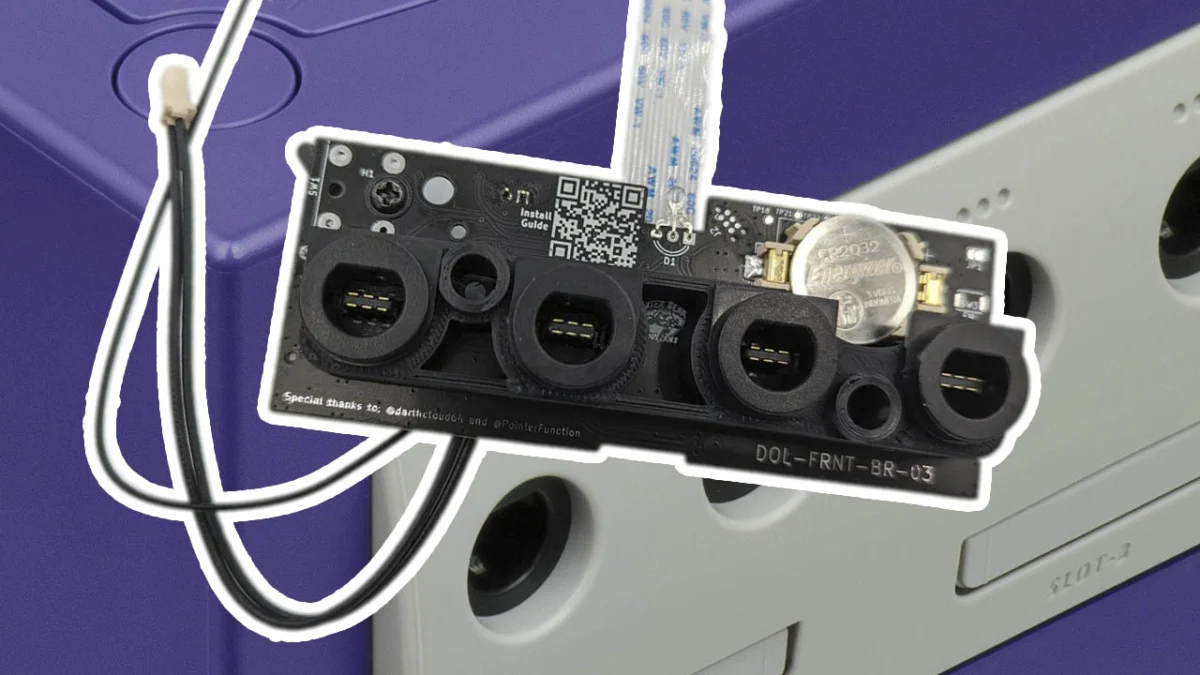
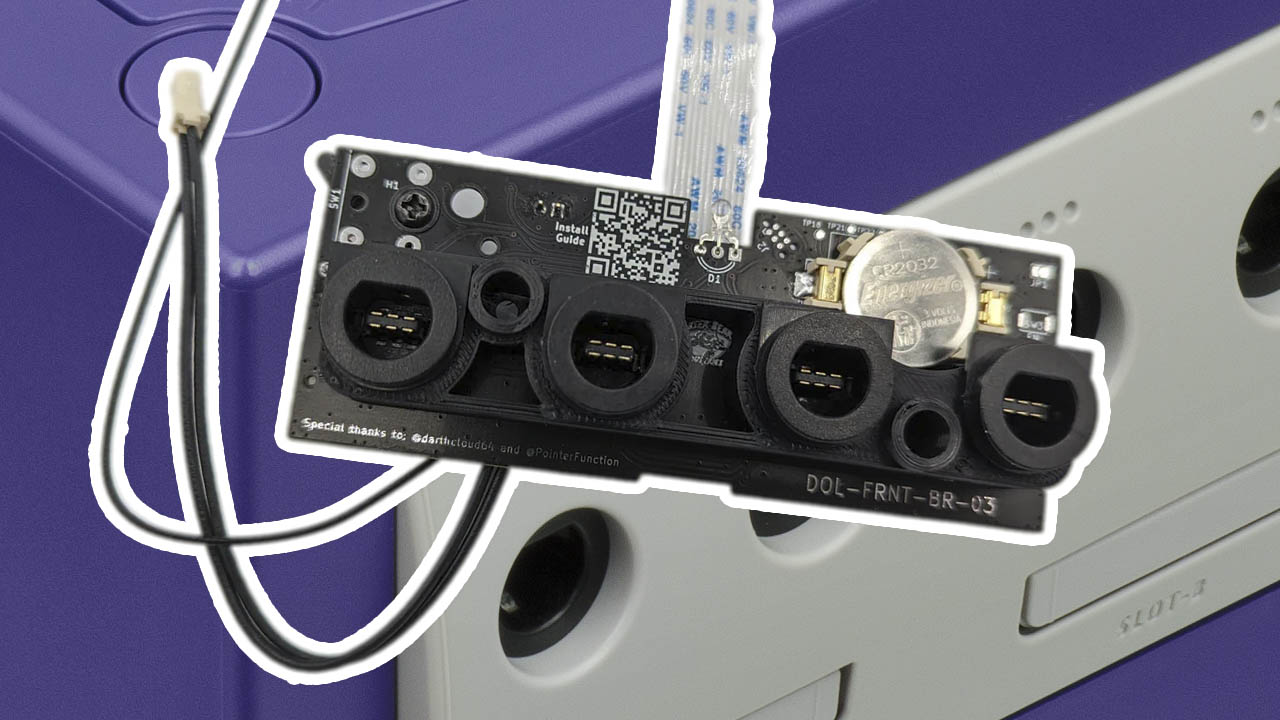
Greg from LaserBear has officially opened pre-orders for his highly anticipated internal Bluetooth kit designed specifically for the Nintendo GameCube. This innovative upgrade, now available in its version 3.5 iteration, promises to integrate modern wireless controller functionality seamlessly into the beloved retro console, offering features that surpass the capabilities of traditional plug-and-play Bluetooth adapters, including the unique ability to remotely power on the console. Priced at approximately $100, the kits are expected to commence shipping within a few weeks, signaling a significant advancement for enthusiasts seeking to modernize their GameCube experience.
The LaserBear Internal Bluetooth Kit: Features and Design Evolution
The core appeal of LaserBear’s new offering lies in its internal installation, which provides a clean, integrated aesthetic, eliminating the need for external dongles or adapters protruding from the console’s front ports. This design choice is not merely cosmetic; it underpins enhanced functionality and reliability. The kit is engineered to support up to four Bluetooth controllers simultaneously, ensuring that multiplayer gaming, a cornerstone of the GameCube’s appeal, remains robust and accessible with modern peripherals. Crucially, the upgrade retains full compatibility with original wired GameCube controllers, allowing users the flexibility to switch between modern wireless and classic wired setups without compromise.
A standout feature of this internal solution is its capability for remote console power-on. This functionality, typically absent in external Bluetooth adapters, allows users to power up their GameCube directly from a paired Bluetooth controller, enhancing convenience and streamlining the startup process for a more contemporary user experience. The current batch, designated as version 3.5, incorporates minor refinements and improvements over previous iterations, reflecting an ongoing commitment to product development and user feedback. While specific details of the 3.5 changes are often subtle, they typically involve optimizations in component layout, firmware stability, or minor hardware tweaks to improve manufacturing efficiency or user installation.
Technical Deep Dive: Blueretro and Latency Performance
At the heart of LaserBear’s internal Bluetooth kit is the open-source Blueretro platform, an initiative spearheaded by developer Darthcloud. Blueretro has garnered significant acclaim within the retro gaming community for its exceptional performance, particularly regarding Bluetooth latency. When paired with high-performance, low-latency controllers, such as the PlayStation 5’s DualSense, the Blueretro platform delivers some of the lowest wireless input lag ever recorded in a retro gaming context. This is a critical factor for competitive players and those sensitive to input delay, as it ensures that button presses and joystick movements translate almost instantaneously into in-game actions, replicating the responsiveness of a wired connection.
The Blueretro project’s open-source nature is a cornerstone of its success, fostering a collaborative environment where developers and enthusiasts contribute to its continuous improvement. This community-driven approach ensures ongoing support, firmware updates, and compatibility expansions for new controllers as they emerge. The ability to connect a wide array of modern Bluetooth controllers, including those from PlayStation (DualShock 4, DualSense), Xbox (Xbox One, Series X/S), Nintendo (Switch Pro, Wii U Pro), and various generic Bluetooth gamepads, makes this kit incredibly versatile. The specific mention of the PS5 controller in the original announcement underscores its reputation for low latency, making it an ideal pairing for the Blueretro system to achieve peak performance.
Installation and User Experience: A Modern Retro Aesthetic
The description of "minimal installation" for the LaserBear kit is targeted at individuals with basic soldering skills and familiarity with console disassembly. Typically, such an internal mod involves opening the GameCube console, carefully removing certain components, soldering a few points on the motherboard, and physically integrating the new circuit board within the console’s chassis. While this might seem daunting to a novice, comprehensive guides and community support often simplify the process, making it achievable for dedicated enthusiasts. The reward for this effort is a GameCube that maintains its original external appearance while gaining advanced wireless capabilities.
The clean aesthetic afforded by an internal solution is a significant draw. Unlike external dongles that can clutter the front of the console and potentially interfere with other peripherals or cables, the LaserBear kit integrates discreetly. This preserves the iconic design of the GameCube while enhancing its functionality, appealing to purists who value both authenticity and modern convenience. The ability to connect up to four controllers wirelessly eliminates cable management issues, particularly in multi-player settings, creating a more organized and enjoyable gaming environment. This fusion of classic hardware with contemporary wireless technology extends the GameCube’s relevance and appeal into the 21st century, allowing it to compete with modern consoles in terms of control input flexibility.
Beyond the Wires: Remote Power and Multi-Controller Support
The remote power-on function is a critical differentiator. Traditionally, GameCube users would need to physically press the power button on the console itself. With LaserBear’s kit, a simple press of a button on a paired Bluetooth controller can awaken the console from a powered-off state. This level of convenience mirrors that of contemporary gaming systems, where users are accustomed to seamlessly turning on their console and immediately jumping into a game from the comfort of their couch. This feature, combined with the multi-controller support, transforms the GameCube into a more accessible and user-friendly system, particularly for casual gaming sessions or when the console is tucked away in an entertainment center.
Market Position and Cost-Benefit Analysis
The pricing of the LaserBear internal Bluetooth kit at approximately $100 positions it strategically within the retro gaming accessory market. While seemingly a substantial investment for a single console modification, its cost-effectiveness becomes apparent when considering scenarios involving multiple wireless controllers. If a user intends to connect three or four Bluetooth controllers to their GameCube, the cumulative cost of individual external plug-and-play adapters would likely exceed or match the price of the internal kit. For instance, if a high-quality external adapter costs around $30-40 per unit, acquiring three or four would amount to $90-$160, making the internal solution a more economical choice in such cases, especially when factoring in its superior features like remote power and integrated design.
Internal vs. External: Choosing the Right Solution
The decision between an internal kit and an external plug-and-play dongle largely depends on individual user needs and preferences. For users who primarily require connectivity for a single Bluetooth controller, or those who wish to use Bluetooth controllers across multiple GameCube consoles without the commitment of an internal modification for each, external dongles remain a highly viable and potentially more practical option. These external adapters offer immediate plug-and-play functionality, require no installation, and can be easily moved between consoles.
However, for dedicated GameCube enthusiasts who prioritize a clean, integrated setup, multi-controller support with advanced features like remote power-on, and the absolute lowest possible latency, the LaserBear internal kit presents a compelling value proposition. It represents a premium upgrade that significantly enhances the user experience, transforming the GameCube into a more modern and versatile gaming platform without sacrificing its retro charm. This dichotomy highlights a mature market for retro gaming accessories, offering tailored solutions for different segments of the enthusiast community.
The Open-Source Ethos and Community Impact
The reliance on Darthcloud’s open-source Blueretro platform is a testament to the collaborative spirit prevalent within the retro gaming modding community. Open-source projects thrive on collective contributions, allowing for rapid iteration, bug fixing, and feature expansion that might not be possible in proprietary development environments. This model ensures transparency and builds trust, as the underlying code is publicly auditable. For a product like the LaserBear kit, leveraging Blueretro means that users benefit from a robust, well-tested, and continually improving firmware, ensuring long-term viability and compatibility with new Bluetooth devices.
The Role of Darthcloud and Content Creators
Darthcloud’s pioneering work with Blueretro has established a benchmark for low-latency Bluetooth connectivity in retro gaming. His dedication to providing a high-quality, open-source solution has empowered various hardware developers, including LaserBear, to create derivative products that integrate this technology into console-specific modifications. This ecosystem of collaboration between firmware developers and hardware manufacturers is crucial for the advancement of the retro gaming scene.
Furthermore, the role of content creators like Tito from Macho Nacho Productions cannot be overstated. Their detailed reviews, installation guides, and demonstration videos serve as vital resources for the community. By showcasing products like the LaserBear kit (even previous versions), they provide practical insights, build awareness, and foster confidence among potential buyers, bridging the gap between developers and end-users. Tito’s video, though based on an earlier version of the kit, remains relevant due to the foundational stability of the Blueretro platform and the consistent design philosophy of LaserBear. These creators are instrumental in disseminating information and showcasing the practical benefits of such intricate modifications.
The GameCube’s Enduring Legacy and Modding Culture
The Nintendo GameCube, launched in 2001, holds a special place in gaming history, renowned for its distinctive design, powerful hardware for its era, and an exceptional library of games, including titles like Super Smash Bros. Melee, Metroid Prime, and The Legend of Zelda: The Wind Waker. Despite being over two decades old, the console continues to enjoy a vibrant community of players and modders. This sustained interest drives the demand for innovations like the LaserBear internal Bluetooth kit, as enthusiasts seek to preserve and enhance their gaming experience.
Evolution of Wireless Gaming for Retro Consoles
The evolution of wireless gaming controllers for retro consoles has followed a fascinating trajectory. In the GameCube’s heyday, Nintendo offered the WaveBird, an innovative proprietary RF-based wireless controller that set a high standard for wireless responsiveness. However, the WaveBird was limited to GameCube compatibility and required its own receiver dongle. With the advent of universal Bluetooth technology, the focus shifted towards integrating widely available modern controllers with older systems. Initial attempts often involved external adapters with varying degrees of latency and compatibility. Projects like Blueretro, and products like LaserBear’s internal kit, represent the pinnacle of this evolution, offering near-native performance and seamless integration, far surpassing the capabilities and convenience of earlier solutions. This demonstrates a broader trend in retro gaming: moving beyond mere emulation or preservation to actively enhancing and modernizing the original hardware.
Broader Implications for Retro Gaming Hardware
The introduction of products like the LaserBear internal Bluetooth kit has broader implications for the retro gaming hardware scene. It signifies a growing sophistication in console modding, moving beyond simple cosmetic changes or storage upgrades to fundamental improvements in input methods and user interface. This trend suggests a future where classic consoles are not just collectors’ items but fully functional, modernized gaming platforms capable of competing with contemporary systems in terms of convenience and control options.
This continuous innovation fosters a dynamic ecosystem where hardware developers, firmware engineers, and content creators collaborate to push the boundaries of what’s possible with retro technology. It also encourages a deeper engagement with the history of gaming, as new technologies breathe fresh life into beloved classics. As demand for seamless, low-latency wireless experiences continues to grow across all gaming demographics, these types of internal modifications are likely to become increasingly popular, cementing the legacy of consoles like the GameCube for generations to come. The LaserBear internal Bluetooth kit stands as a prime example of how ingenious design and community-driven development can successfully bridge the gap between retro hardware and modern gaming expectations.