Hartono Sudibyo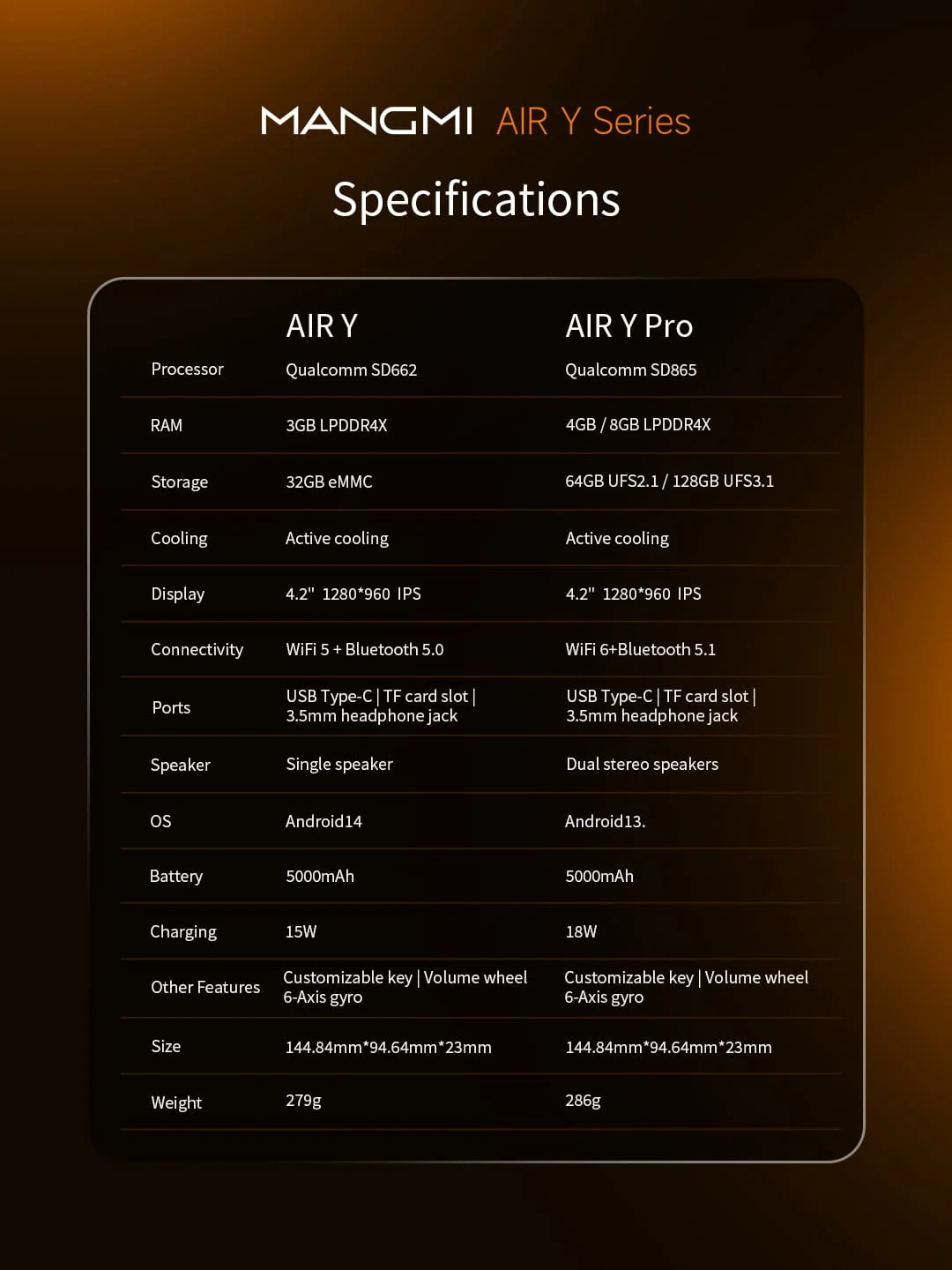
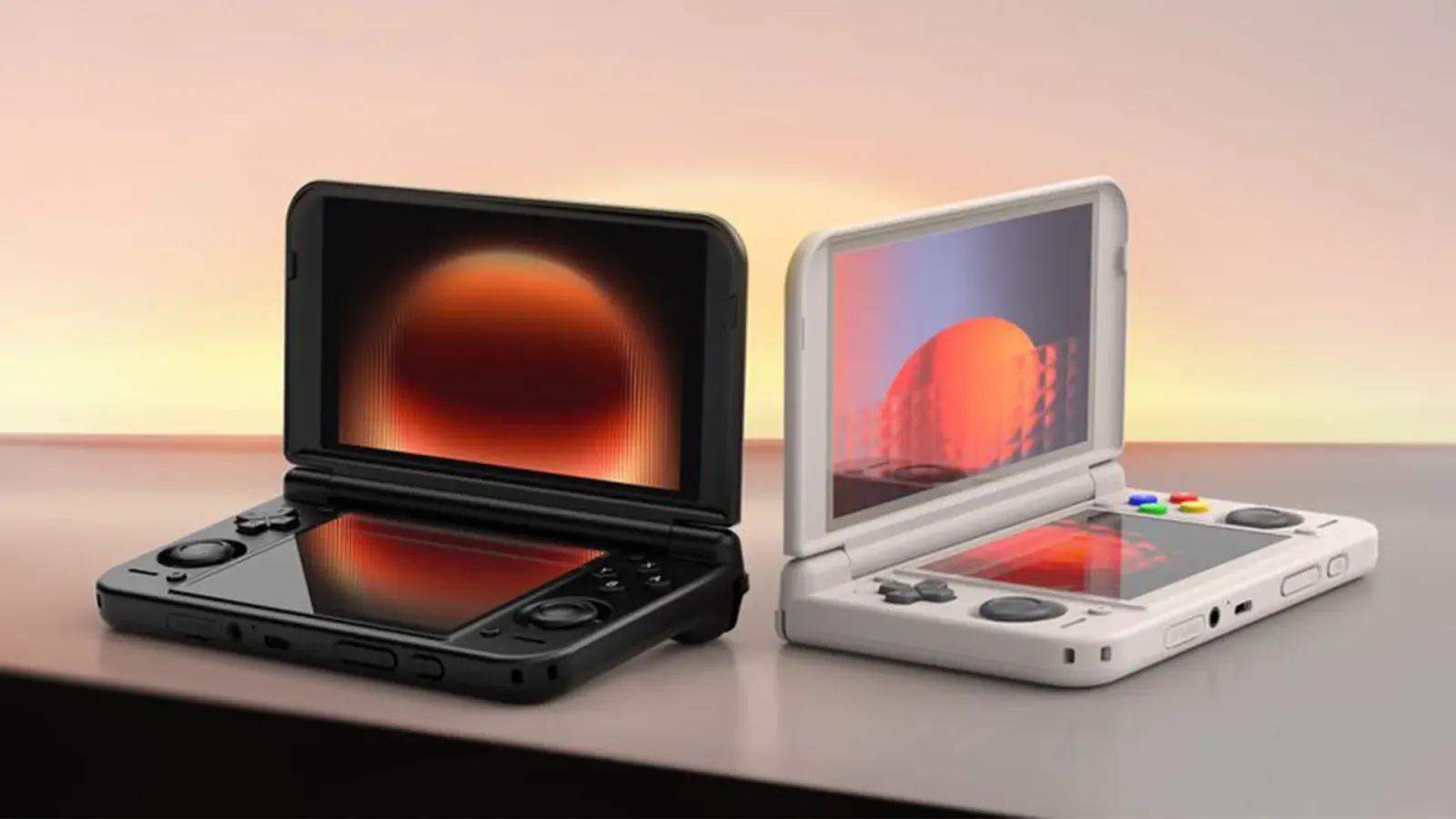
The handheld retro gaming market is abuzz with anticipation following Mangmi’s comprehensive revelation of the full specification list for its upcoming Air Y and Air Y Pro devices. This detailed disclosure, released across the company’s social media channels, follows a week after the initial tease of their Snapdragon processor lineup. The unveiled specs strongly suggest a strategic segmentation of the product line, with the Air Y poised to handle emulation up to the Dreamcast and N64 era, while the more powerful Air Y Pro targets demanding platforms such as PlayStation 2, Wii, and Nintendo 3DS. This dual-pronged approach is expected to translate into distinct pricing tiers and potentially alleviate the staggered release issues that plagued a previous offering from TRIMUI.
Strategic Segmentation: A Tale of Two Handhelds
Mangmi’s decision to offer two distinct models, the Air Y and the Air Y Pro, signals a sophisticated understanding of the diverse needs and budgets within the retro gaming community. While both devices share a foundational architecture, the divergence in their internal components, particularly their processors and RAM configurations, is designed to cater to different emulation capabilities and, consequently, different price points. This strategy mirrors successful product launches in various consumer electronics sectors, aiming to capture a broader market share by offering tailored solutions.
The standard Air Y is anticipated to deliver robust performance for a wide array of classic consoles, likely encompassing systems such as the Super Nintendo Entertainment System (SNES), Sega Genesis, PlayStation 1, Nintendo 64, and Dreamcast. This tier is ideal for enthusiasts seeking to relive the golden age of 32-bit and 64-bit gaming with excellent accuracy and smooth frame rates.
In contrast, the Air Y Pro is engineered for the more ambitious emulator, capable of tackling the computationally intensive requirements of the PlayStation 2, Nintendo Wii, and Nintendo 3DS. Emulating these platforms presents significant challenges due to their complex architectures and demanding processing power. The inclusion of more potent processors and potentially higher RAM allocations in the Pro model are crucial for achieving playable performance and acceptable visual fidelity on these more modern, yet still retro, systems.
A Detailed Look at the Specifications
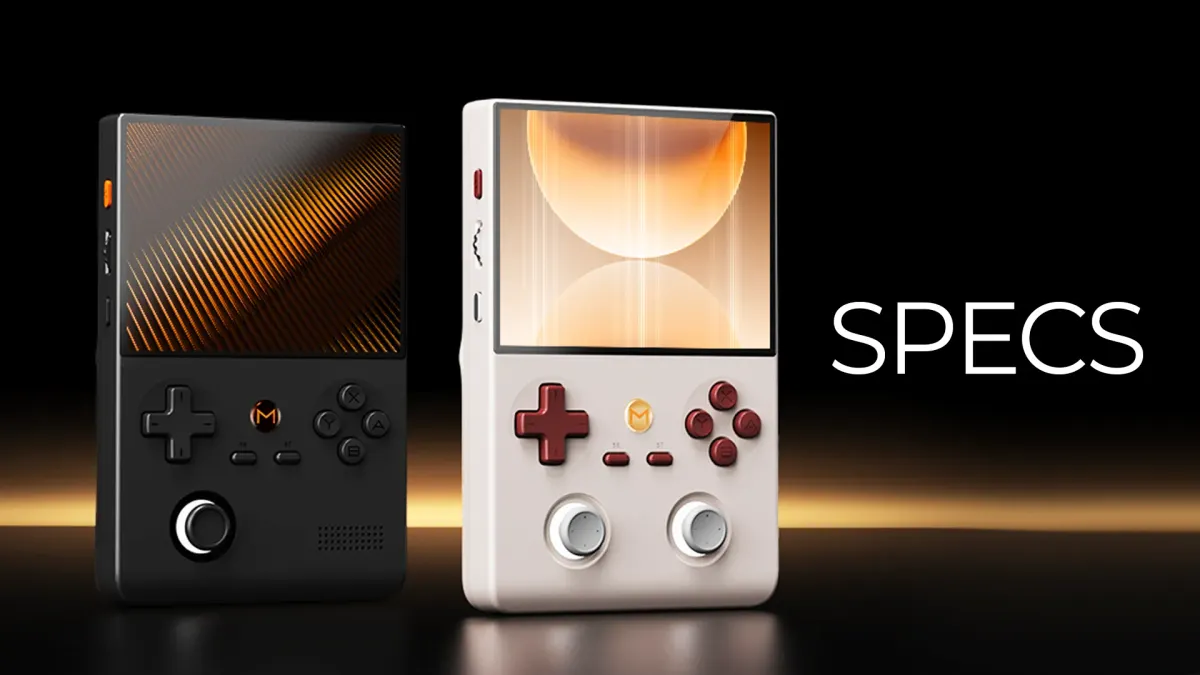
While the original announcement provided a high-level overview, the complete specification sheets reveal a nuanced differentiation between the two models. The core similarities likely lie in their display technology, build materials, and general form factor, aiming for a consistent user experience in terms of ergonomics and visual presentation. However, the critical distinctions reside in the following areas:
Processors: This is the most significant differentiator. The teaser last week alluded to Snapdragon processors, and the full reveal confirms different tiers of these powerful chipsets. The Air Y is expected to feature a capable Snapdragon processor suitable for its target emulation range. The Air Y Pro, on the other hand, will house a significantly more powerful Snapdragon variant, specifically chosen to handle the increased demands of PS2 and Wii emulation. This strategic choice of a widely recognized and performant processor family suggests a focus on established emulation software compatibility and optimized performance.
RAM: Memory capacity is directly correlated with emulation performance, especially for more complex systems. The Air Y Pro will undoubtedly feature a higher RAM capacity compared to the standard Air Y. This will allow for larger game assets to be loaded into memory simultaneously, reducing stuttering and improving overall responsiveness, particularly in demanding PS2 and 3DS titles. While specific figures were not immediately provided in the initial excerpt, industry standards suggest the Pro model could feature double or even quadruple the RAM of its counterpart. For instance, a 4GB or 6GB RAM configuration for the Air Y Pro would be a sensible choice to facilitate smooth PS2 emulation, whereas the Air Y might operate comfortably with 2GB or 3GB for its emulation targets.
Charging Speed: Modern handhelds benefit greatly from fast charging capabilities, minimizing downtime. The Air Y Pro is likely to incorporate a faster charging standard, such as Quick Charge 3.0 or even 4.0, enabling users to quickly top up the battery between gaming sessions. The standard Air Y might utilize a more conventional charging speed, which, while sufficient, would offer a longer charging duration. This difference can be a subtle but impactful convenience factor for power users.
Speakers: Audio fidelity plays a crucial role in the immersive retro gaming experience. The Air Y Pro could be equipped with higher-quality stereo speakers, offering richer sound reproduction and a more engaging audio output. This might involve larger speaker drivers or enhanced audio processing capabilities. The standard Air Y might feature adequate speakers for general use, but the Pro model’s enhancement would cater to audiophiles and those who appreciate the sonic nuances of classic games.

Operating System: While both devices will likely run on a form of Android or a custom Linux-based OS optimized for emulation, there could be subtle differences in the user interface or pre-installed software. The Air Y Pro might come with a more streamlined OS or additional emulation-focused tools pre-loaded, reflecting its premium positioning and target audience. Conversely, the standard Air Y’s OS might be more basic, focusing on core functionality.
Addressing Past Market Challenges
The mention of TRIMUI’s previous release of the Brick Pro and Brick Pro U serves as a pertinent historical context. The staggered release of these two models, where one variant became available significantly later than the other, led to consumer frustration and a fragmented market. Mangmi’s apparent commitment to releasing both the Air Y and Air Y Pro concurrently, or at least with minimal temporal disparity, addresses a key pain point experienced by consumers in this niche market. This integrated launch strategy can help maintain market momentum and prevent the dilution of interest that can occur with sequential releases.
A Look Ahead: Pricing, Pre-Orders, and Future Expectations
The revelation of the full specifications is a significant step towards the official launch and pre-order phase for the Mangmi Air Y devices. Industry observers anticipate that the pricing structure will directly reflect the performance differential. The standard Air Y is expected to be positioned as an affordable entry point for retro gaming emulation, while the Air Y Pro will command a premium price commensurate with its enhanced capabilities and ability to emulate more demanding consoles.
Pre-order windows are likely to open soon, with many speculating that a full announcement and the commencement of pre-orders could occur later in July 2026. This timeline aligns with the "Updated on Jul 20, 2026" marker, suggesting that the article is reporting on very recent developments.
The retro gaming community is keenly awaiting further details, including the exact pricing, confirmed battery life, screen resolution and type, and the specific software compatibility of the emulators that will be bundled or recommended for these devices. The success of the Mangmi Air Y line will hinge not only on the hardware specifications but also on the optimization of the software ecosystem that supports it.
Broader Impact on the Handheld Emulation Landscape
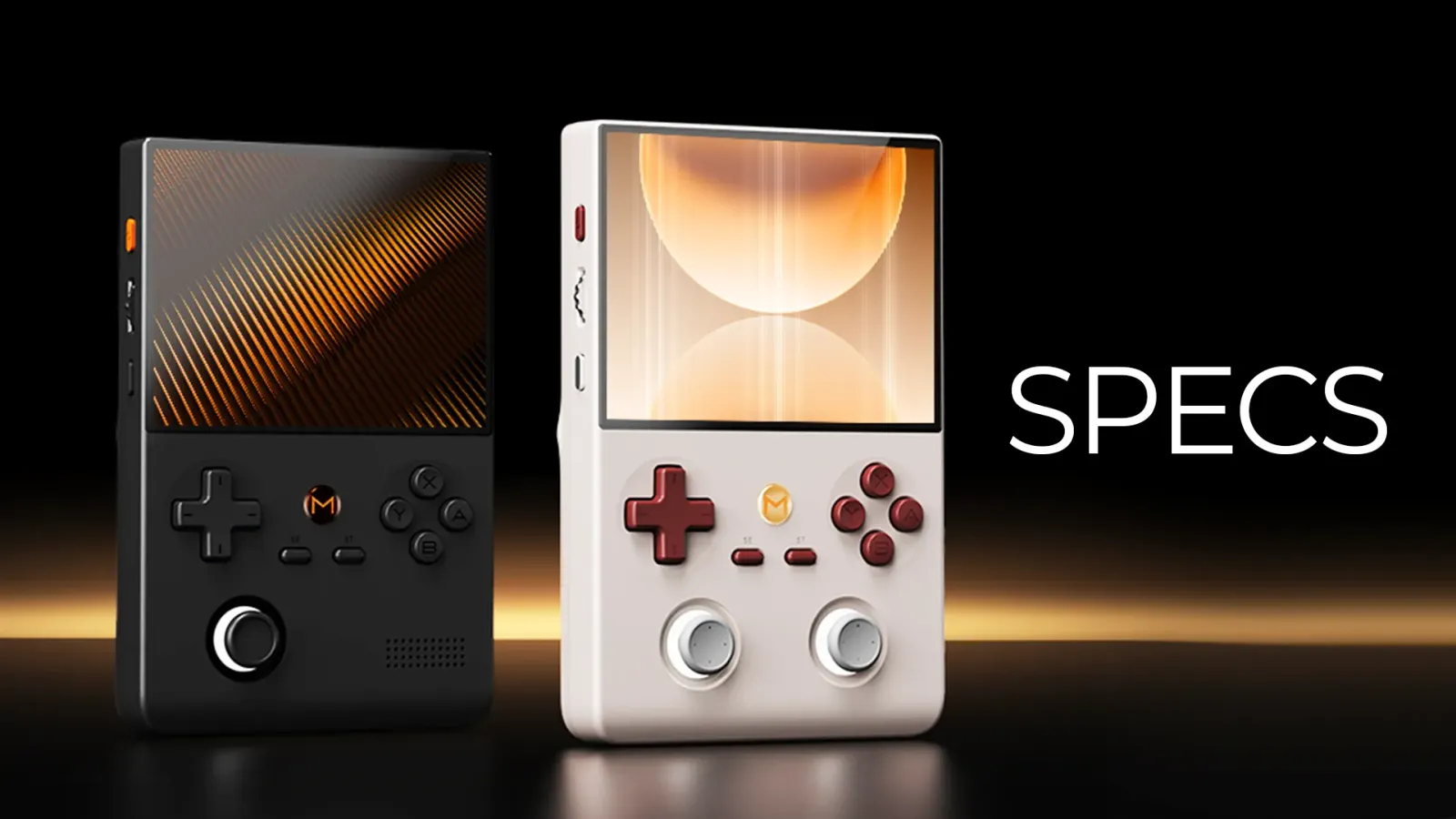
The introduction of the Mangmi Air Y and Air Y Pro is poised to further intensify competition in the dedicated handheld emulation market. Companies like Anbernic, Retroid, and Miyoo have established strong presences, each with their own loyal followings and distinct product philosophies. Mangmi’s strategic approach, particularly the dual-tier offering, could appeal to a wider demographic.
For consumers, this increased competition is beneficial. It drives innovation, pushes manufacturers to offer better hardware at competitive prices, and ultimately provides a more diverse range of choices. The clear distinction between the Air Y and Air Y Pro sets a precedent for how manufacturers can segment their offerings to cater to different user needs, moving beyond a one-size-fits-all approach.
The success of the Air Y Pro in reliably emulating PS2, Wii, and 3DS titles will be a significant benchmark. These platforms represent a leap in graphical and processing complexity compared to earlier generations, and achieving smooth, enjoyable emulation on a portable device is a considerable technical feat. If Mangmi can deliver on this promise, it could elevate the expectations for future handheld emulation devices and further blur the lines between dedicated retro hardware and powerful mobile computing.
The market will be watching closely as Mangmi prepares to launch these new devices. The full specifications are a promising start, but the real test will be in the execution: delivering a polished user experience, robust emulation performance, and a fair pricing strategy that resonates with the passionate and discerning retro gaming community. The coming weeks will be crucial for Mangmi as they transition from product reveal to market release, aiming to carve out a significant space in the ever-evolving landscape of handheld emulation.