Hartono Sudibyo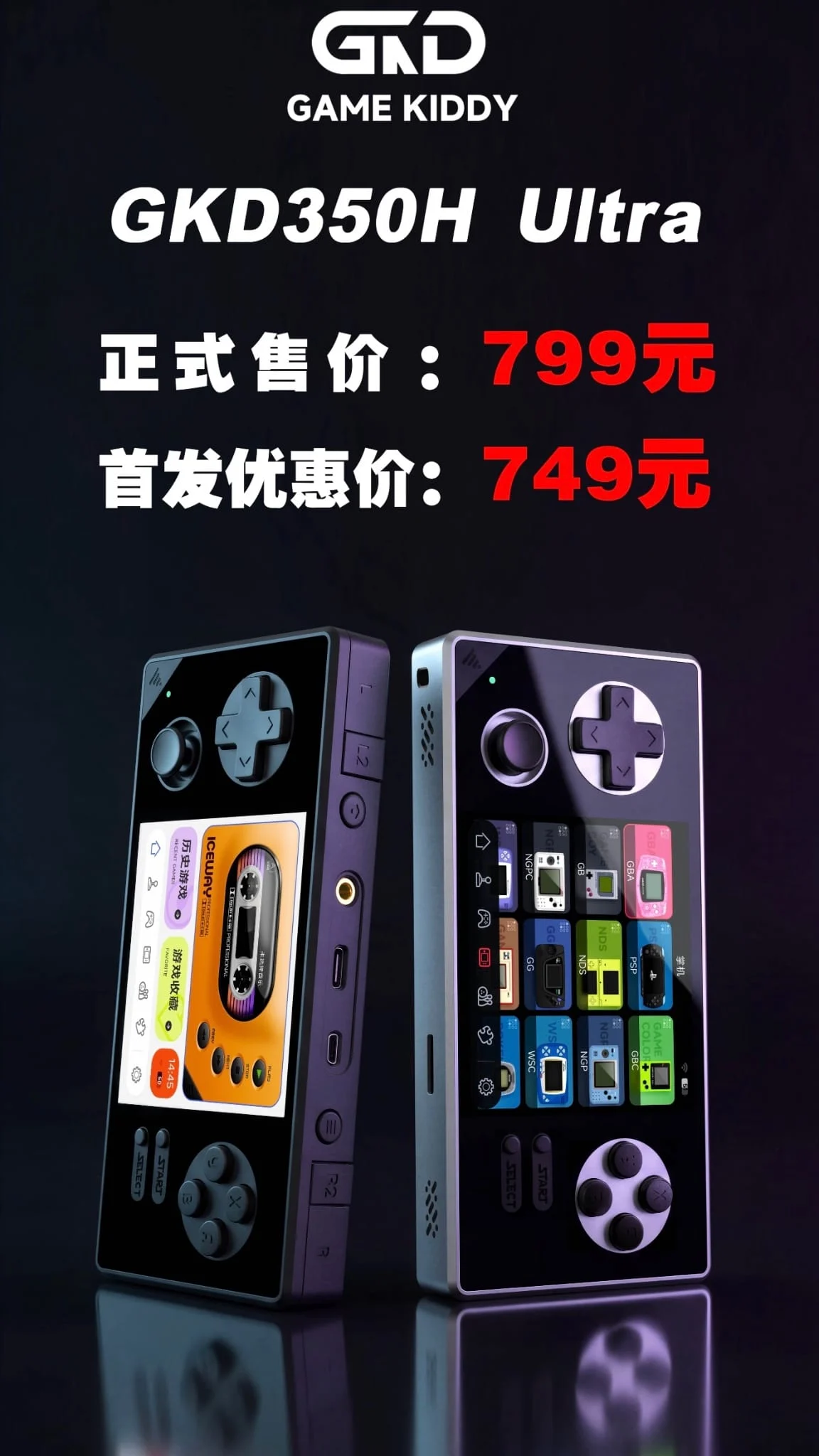
The retro gaming community has been buzzing with anticipation for the GKD 350H Ultra, a new handheld emulator that has been in development for an extended period. First teased in December of last year, the device’s release has been subject to various delays, a situation not uncommon in the electronics industry, particularly given the recent global fluctuations in component costs, such as the price increase of RAM which has impacted manufacturers across the board. However, recent revelations from X user ForTheNext have provided a comprehensive look at the upcoming device, detailing its full specifications, pricing, and intended market, offering a clearer picture of what GKD aims to deliver.
The protracted development cycle of the GKD 350H Ultra suggests a deliberate effort by the company to refine its design and capabilities. Initial glimpses of the project hinted at a potential remake or successor to earlier GKD models, fueling speculation about significant upgrades. While GKD has a history of delivering a diverse range of retro handhelds, their market reception has often been varied, with some devices praised for their innovative features and others criticized for performance inconsistencies or build quality issues. This makes the detailed specifications and pricing announcement for the 350H Ultra a crucial moment for the company, offering a potential turning point in their product lineup.
Unveiling the GKD 350H Ultra: A Deep Dive into Specifications
The core of the GKD 350H Ultra’s performance will be driven by a chipset that has not been extensively tested in consumer-grade handheld emulation devices. While the exact processor model has not been officially confirmed by GKD at the time of this report, industry analysts anticipate it will be capable of handling emulation up to the Dreamcast and Nintendo 64 console generations. The performance ceiling for these systems is often a benchmark for mid-range retro handhelds, and the success of the 350H Ultra will largely depend on how effectively this new chipset is optimized for gaming. The industry has seen a trend towards more powerful, yet efficient, processors in these devices, aiming to balance emulation capabilities with battery life and thermal management.
Key Specifications (as revealed by ForTheNext):

- Processor: (Specific model undisclosed, anticipated to be capable of N64/Dreamcast emulation)
- Display: (Resolution and size details pending official confirmation)
- RAM: (Impacted by industry-wide price increases)
- Storage: (Likely expandable via microSD)
- Build Material: Metal shell
- Front Panel: Glass
- Controls: TMR joysticks, flat shoulder buttons
- Connectivity: Headphone jack, USB-C (presumed for charging and data transfer)
- Operating System: (Likely a Linux-based custom OS or Android variant)
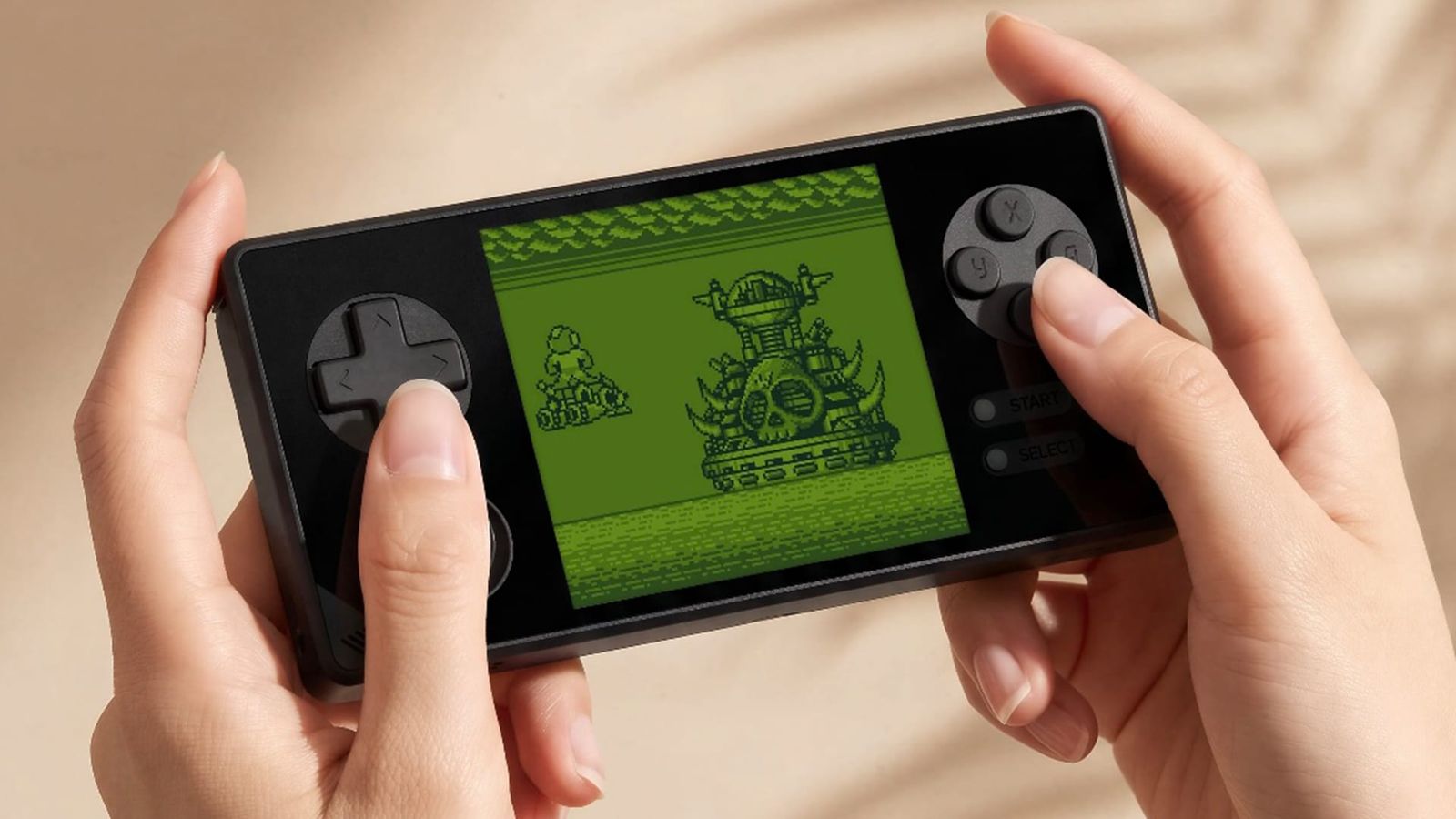
The inclusion of a metal shell and a glass front panel is a significant design choice, elevating the perceived premium quality of the GKD 350H Ultra. In a market segment often dominated by plastic construction, a metal chassis can offer improved durability, heat dissipation, and a more substantial feel in hand. The TMR joysticks, if they refer to tactile mechanical switches, could provide a more responsive and durable gaming experience compared to standard potentiometers, a feature highly sought after by retro gaming enthusiasts who demand precision. The flat shoulder buttons suggest a modern design aesthetic, potentially offering a comfortable and ergonomic layout.
Pricing and Market Positioning: An Aggressive Strategy
The pricing of the GKD 350H Ultra has been set at 799 RMB, which converts to approximately $118 USD and £90 GBP. This price point positions the device as a competitive offering within the mid-range retro handheld market. Many comparable devices with similar build materials and emulation capabilities often retail for higher prices. For instance, devices with all-metal construction and advanced control schemes can frequently exceed the $150 mark. GKD’s aggressive pricing strategy suggests an intent to capture a significant share of the market by offering strong value for money.
The affordability of the device, coupled with its premium materials, makes it an attractive proposition for gamers looking for a capable and well-built retro emulation experience without breaking the bank. However, the success of this strategy hinges on the actual performance and build quality. Past GKD devices have experienced inconsistencies, leading to a degree of caution among consumers. If the 350H Ultra delivers on its promise of solid performance and robust construction, its pricing could prove to be a major differentiator.
A Chronology of Anticipation and Revelation
The journey of the GKD 350H Ultra from concept to near-release has been marked by a series of teasers and industry shifts.
- December of Last Year: The first public hint of GKD’s next handheld emerged, sparking initial interest and speculation within the retro gaming community. This early announcement likely aimed to gauge market reception and gather feedback.
- Early to Mid-2026: Throughout the development period, intermittent updates and leaks likely surfaced, contributing to the ongoing discussion and anticipation. The industry faced significant challenges, including supply chain disruptions and the aforementioned RAM price hikes, which could have directly impacted GKD’s production schedule. The projected release date of July 20, 2026, as indicated by the article’s metadata, suggests a final push towards market entry.
- June 2026: The crucial reveal by X user ForTheNext occurred, providing concrete specifications, images, and pricing. This event served as the most significant unveiling of the GKD 350H Ultra to date, moving it from the realm of speculation to a tangible product with defined characteristics. This timing also allows potential consumers a window to assess the device before its updated release.
The extended timeline underscores the complexities of hardware development in the current global economic climate. The price of electronic components can fluctuate rapidly, influencing manufacturing costs and, consequently, retail pricing. Companies like GKD must carefully balance market demand, component availability, and profitability. The decision to proceed with a July 2026 release date, despite potential earlier targets, likely reflects a strategic assessment of market conditions and production readiness.

Industry Context and Competitive Landscape
The retro handheld emulation market is a dynamic and increasingly crowded space. Competitors range from small, independent manufacturers like GKD to larger corporations venturing into the portable gaming arena. Devices such as the Anbernic RG35XX, Retroid Pocket series, and Miyoo Mini have established a strong presence, each with its unique strengths and target audience.
The GKD 350H Ultra appears to be aiming for a segment that values premium build quality and robust emulation capabilities at a competitive price. Its metal construction and the promise of N64/Dreamcast emulation place it in direct competition with devices that often cost significantly more. The success of the 350H Ultra will depend on its ability to deliver a consistent and enjoyable user experience that matches its premium exterior.
Supporting Data on Market Trends:
- Growth in Handheld Emulation: The global market for handheld gaming consoles, including emulation devices, has seen consistent growth. Reports from market research firms indicate a compound annual growth rate (CAGR) of over 10% in recent years, driven by nostalgia, the accessibility of emulation software, and the portability of these devices.
- Component Cost Volatility: The semiconductor industry has experienced significant price volatility in recent years. The cost of DRAM modules, a key component in modern electronic devices, saw a substantial increase in late 2023 and early 2024, affecting the Bill of Materials (BOM) for many manufacturers. This trend highlights the challenges GKD may have faced in maintaining its initial cost projections.
- Consumer Demand for Premium Features: While affordability remains a key driver, there is a growing segment of consumers willing to pay a premium for devices with superior build quality, better displays, and more refined control schemes. The inclusion of a metal shell and glass front panel by GKD directly addresses this demand.
Analysis of Implications and Future Outlook
The launch of the GKD 350H Ultra, if successful, could signal a renewed focus for GKD on delivering high-quality, well-rounded retro gaming devices. The company’s history of "hit or miss" products has created a cautious consumer base, but the detailed specifications and aggressive pricing of the 350H Ultra suggest a determined effort to win over skeptics.
The implications for the retro handheld market are noteworthy. A strong showing from the 350H Ultra could:
- Drive Down Prices: If GKD can offer a premium-feeling device at a competitive price point, it may compel other manufacturers to re-evaluate their pricing strategies, potentially making higher-quality emulation devices more accessible to a broader audience.
- Set New Standards: The combination of a metal chassis, glass screen, and advanced controls at this price point could establish a new benchmark for value in the mid-range segment.
- Reinforce GKD’s Market Position: A successful launch would solidify GKD’s reputation as a capable manufacturer of retro handhelds, fostering greater consumer trust and encouraging future investment in their product development.
However, challenges remain. The performance of the undisclosed chipset will be critical. If it struggles to emulate N64 and Dreamcast titles smoothly, or if the software optimization is lacking, the premium build quality might not be enough to compensate. Furthermore, GKD’s ability to maintain consistent quality control across production runs will be paramount in building long-term consumer confidence.
The inclusion of a headphone jack and a minimalist design aesthetic suggest a user-centric approach, prioritizing core functionality and a clean user interface. While GKD has not released official statements regarding the 350H Ultra’s performance benchmarks or specific software compatibility beyond the anticipated emulation targets, the market eagerly awaits hands-on reviews. The company’s past product releases have sometimes been accompanied by firmware updates that significantly improve performance, a factor that will likely be closely monitored post-launch.
In conclusion, the GKD 350H Ultra represents a significant development in the retro handheld emulation landscape. With its competitive pricing, premium materials, and ambitious performance targets, it has the potential to disrupt the market and appeal to a wide range of retro gaming enthusiasts. The coming weeks and months, following its projected July 20, 2026 release, will reveal whether GKD has finally delivered a device that consistently meets the high expectations set by its promising specifications and attractive design. The industry will be watching closely to see if the 350H Ultra can overcome GKD’s historical inconsistencies and establish itself as a leading contender in the portable retro gaming arena.