Hartono Sudibyo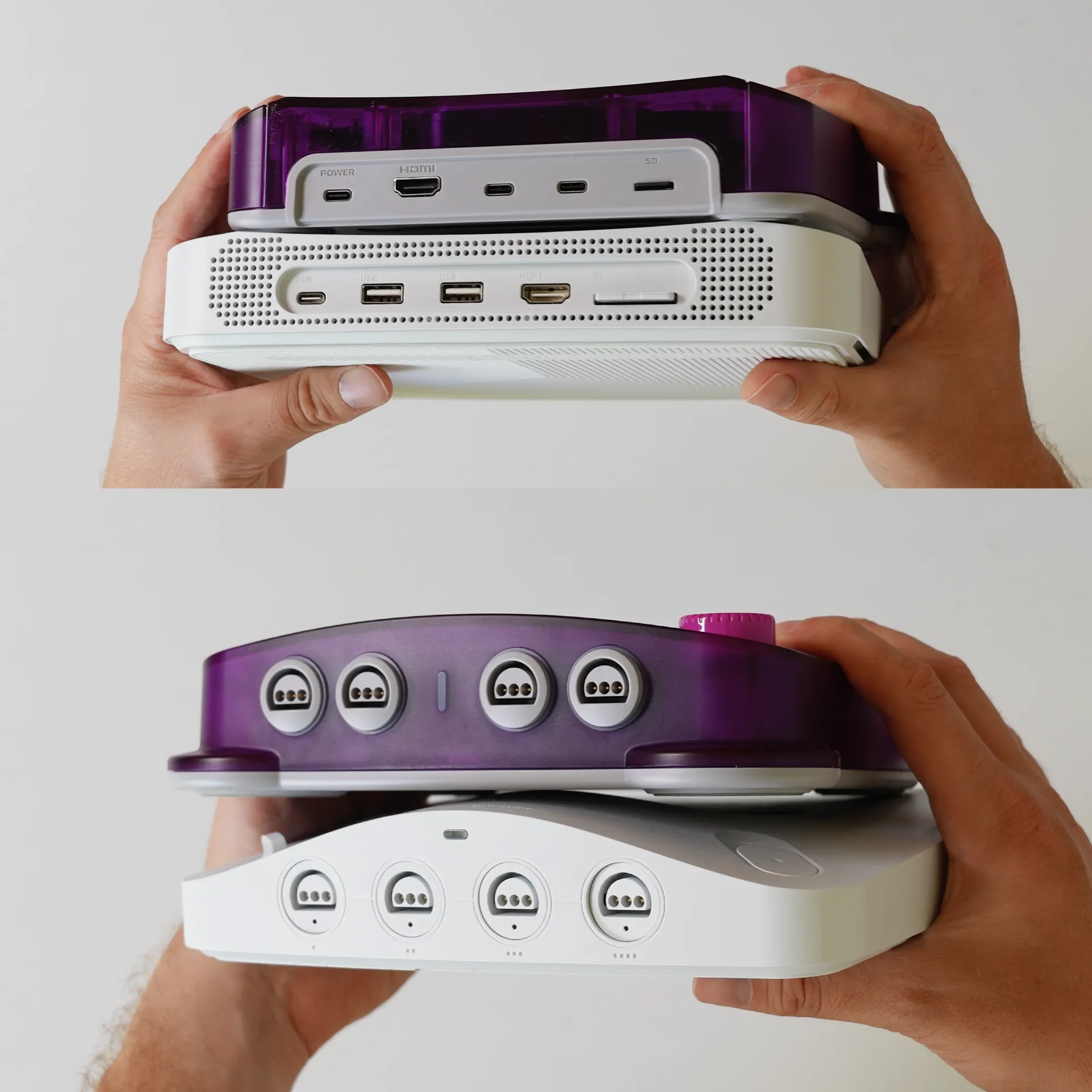
The Nintendo 64, a titan of the 1990s gaming era, continues to hold a special place in the hearts of many enthusiasts. Its unique controller and groundbreaking 3D graphics defined a generation of gameplay. In recent years, the retro gaming community has witnessed a surge in high-fidelity hardware designed to bring these classic experiences to modern displays. Leading this charge is Analogue, a company that established itself as a pioneer in premium FPGA (Field-Programmable Gate Array) consoles. Their Analogue 3D, released in November 2025, aimed to provide an unparalleled modern interpretation of the N64. However, their dominance has been challenged by the emergence of ModRetro, a newcomer that burst onto the scene in late 2024 with its own FPGA-focused offerings, most notably the Game Boy’s Chromatic. Now, ModRetro has set its sights on the N64 market with the M64, a direct competitor to Analogue’s offering. This in-depth comparison explores both consoles, dissecting their design, functionality, and overall user experience to determine which contender best captures the essence of the Nintendo 64 for today’s discerning retro gamer.
A Tale of Two Approaches: Console Design
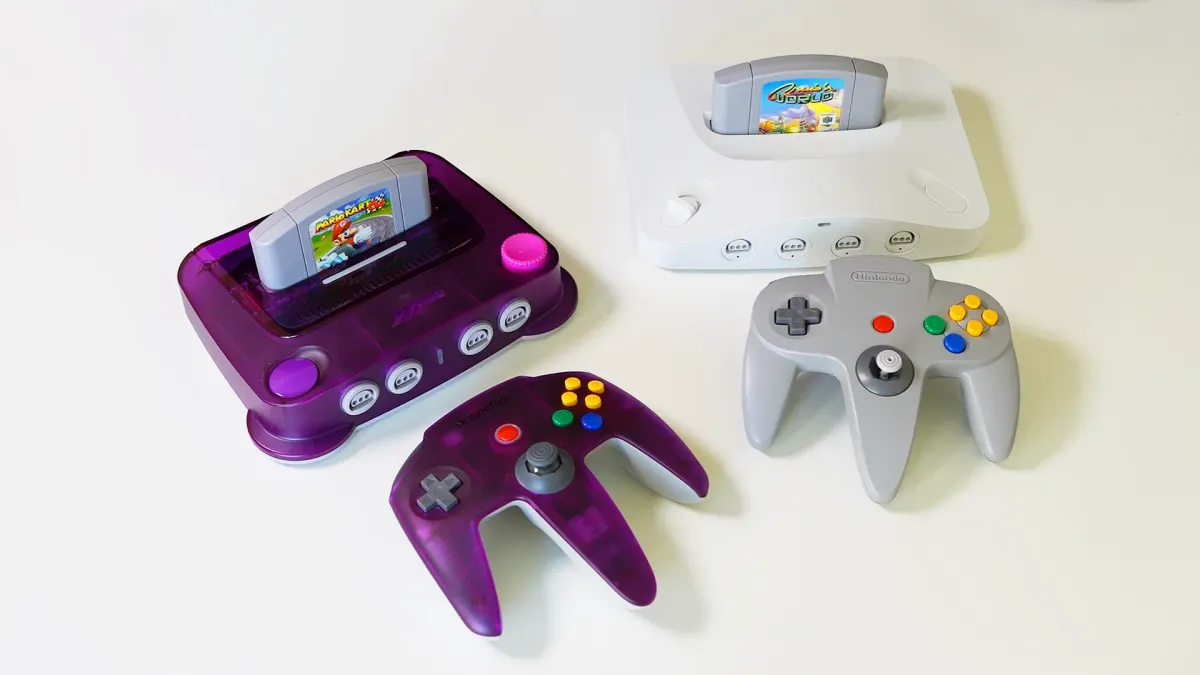
The physical design of the Analogue 3D and the ModRetro M64 represents a stark divergence in philosophy, catering to different aesthetic preferences within the retro gaming community. The Analogue 3D embodies a minimalist, modern design ethos. Its smooth, clean lines and understated color palette are intended to blend seamlessly into contemporary living spaces. Buttons and ports are integrated discreetly, adhering to a "less is more" principle that prioritizes unobtrusive elegance. This approach aligns with Analogue’s established brand identity, which often emphasizes sophisticated, premium hardware.
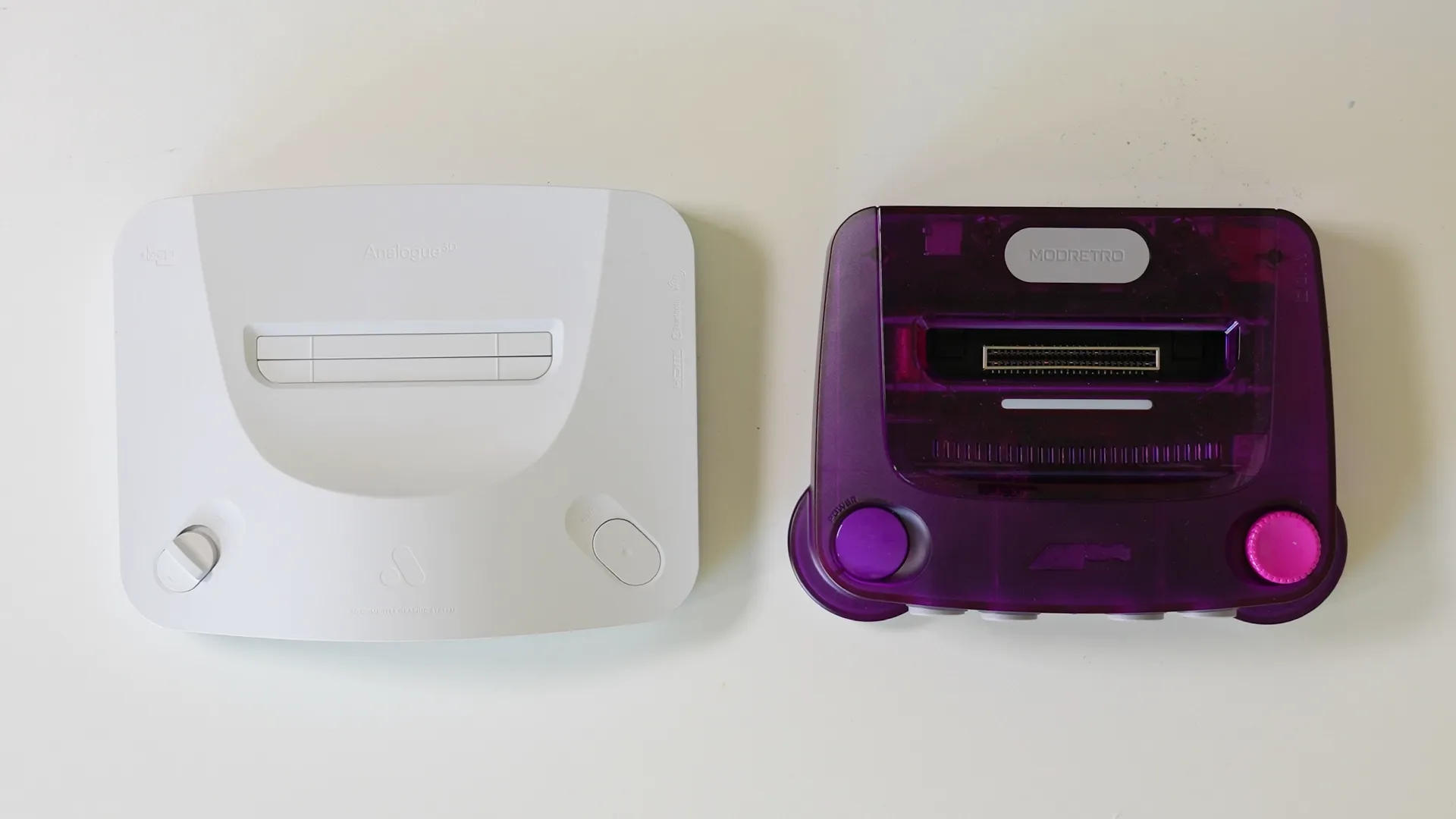
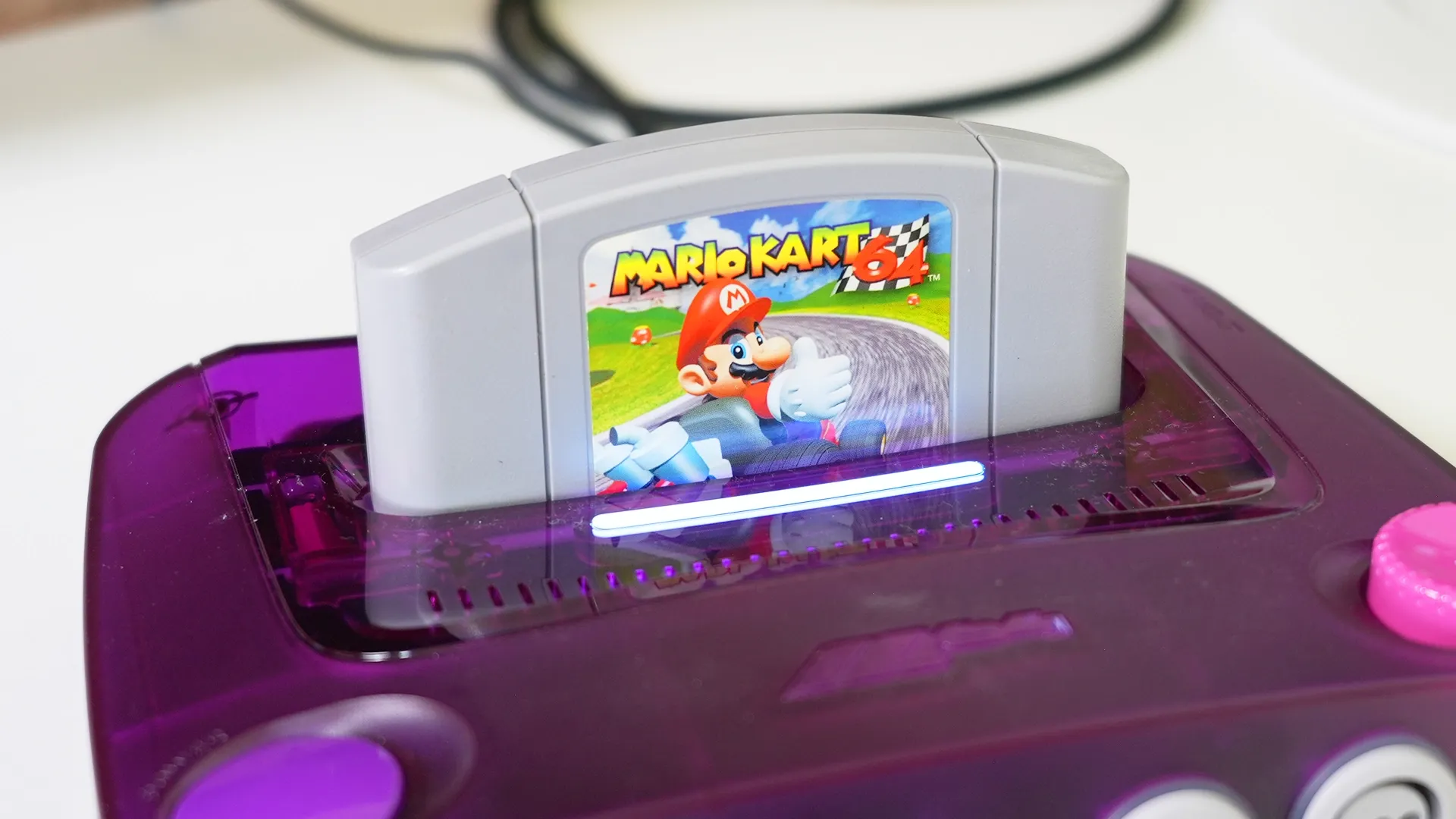
In contrast, the ModRetro M64 embraces a more exuberant, nostalgic aesthetic. It draws inspiration from the transparent and brightly colored consoles of the late 1990s and early 2000s, featuring playful and deliberately exaggerated design elements. The M64’s visual language is intended to be eye-catching and conversation-starting, designed to evoke a sense of fun and retro flair. This is evident in its unique dual-color navigation buttons on the top of the console, one a spinning dial and the other a pressable button, both rendered in contrasting hues to amplify the visual statement.
While Analogue opted for a subtle sliding power button, reminiscent of the original N64’s design, and a standard reset button, ModRetro has incorporated several thoughtful, albeit more visually prominent, hardware features. The M64 boasts a satisfyingly tactile cartridge eject button, a significant quality-of-life improvement that simplifies the removal of cartridges, especially those that might be a bit stubborn. This contrasts with the Analogue 3D, where cartridge removal can occasionally require more manual effort. Furthermore, the M64 includes a clasp mechanism to secure the cartridge slot cover, allowing users to keep it open or closed as desired. A particularly striking addition is the front-facing LED light, which not only serves as a notification indicator but also subtly illuminates the cartridge art, adding a touch of display flair, especially in low-light conditions. While these features might not be deal-breakers for every user, they represent a level of user-centric hardware innovation from ModRetro that enhances the physical interaction with the console.
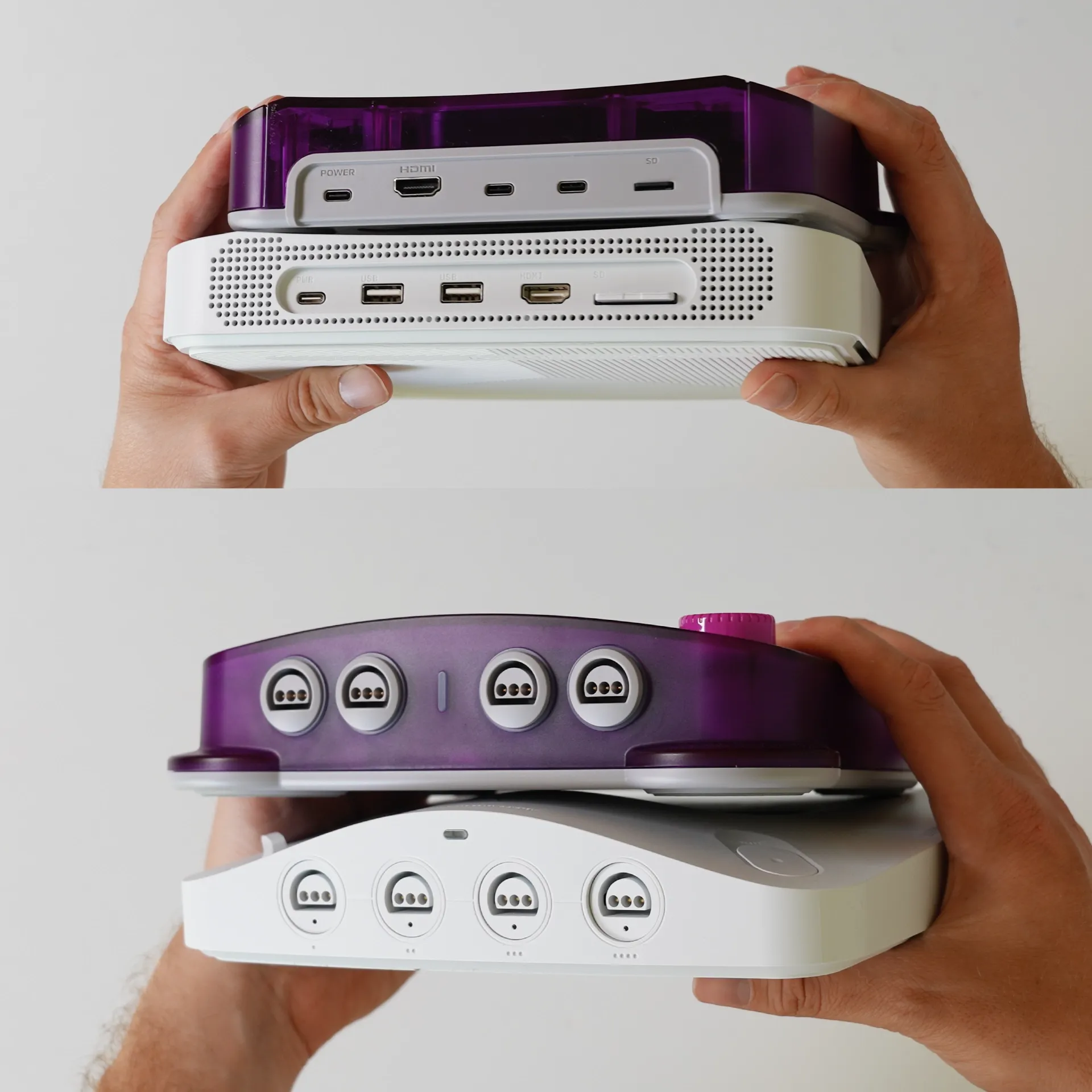
The choice between these two consoles on a design level is entirely subjective. For those who prefer a sophisticated, unobtrusive addition to their entertainment setup, the Analogue 3D is the clear choice. For enthusiasts who relish bold, nostalgic design and enjoy a console that makes a statement, the ModRetro M64 offers a compelling alternative. Analogue does offer limited edition transparent versions of the 3D, which lean into a more visually dynamic aesthetic but come at a higher price point.
An Ergonomic Showdown: The Controllers
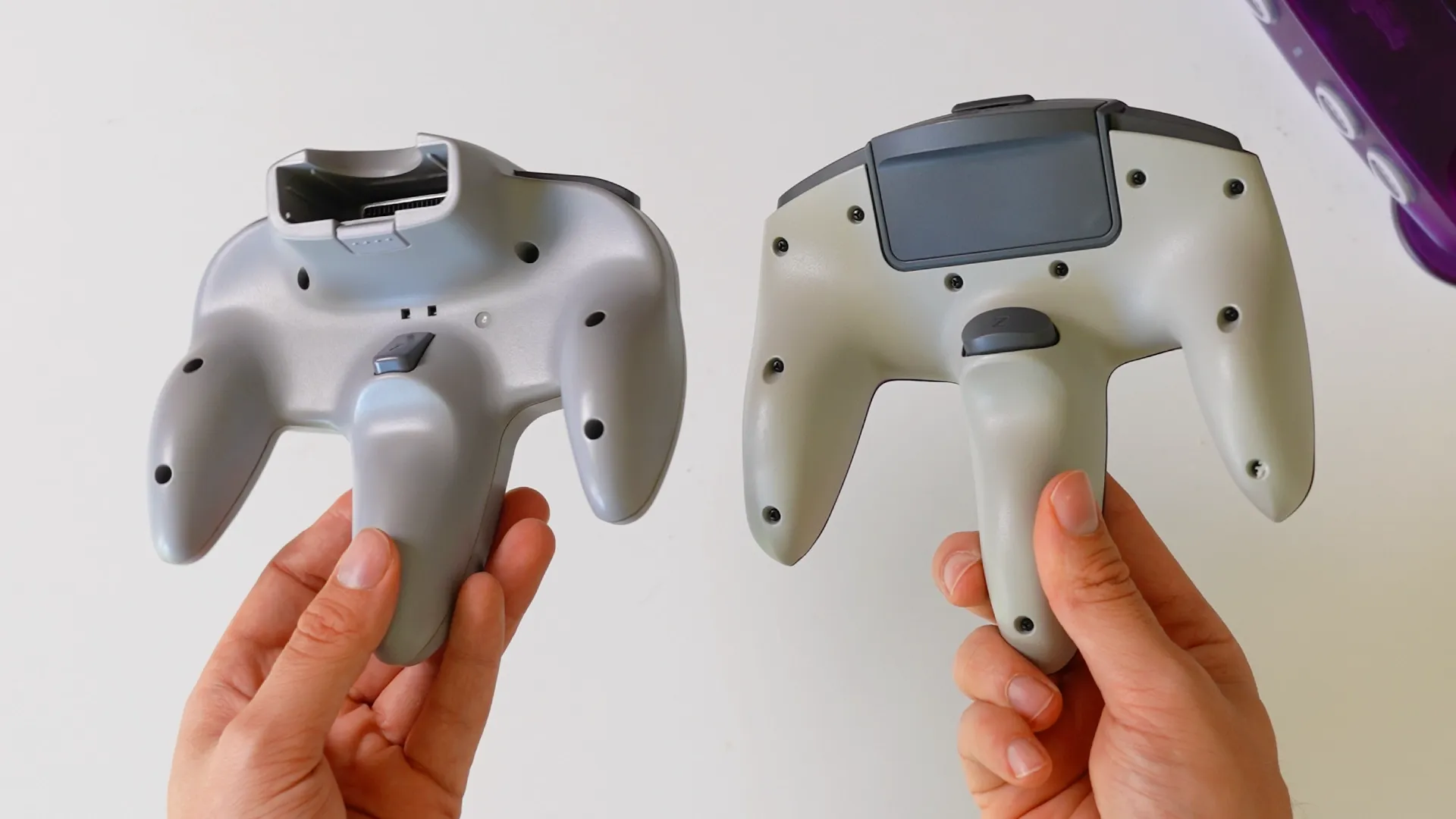
The controller experience is a critical component of any gaming console, and here, the two contenders present vastly different offerings. The Analogue 3D’s approach to controllers is, for many, its most significant oversight. The console is sold without an official Analogue-designed controller. Instead, users are expected to source their own compatible Nintendo 64 controllers, whether original hardware or third-party Bluetooth options. While Analogue does offer an 8BitDo controller as a separate purchase, the decision not to create a bespoke, upgraded controller to accompany their premium console has been widely perceived as a missed opportunity. Given Analogue’s reputation for meticulous product design, the absence of a dedicated controller feels like a lapse in their otherwise cohesive product strategy.
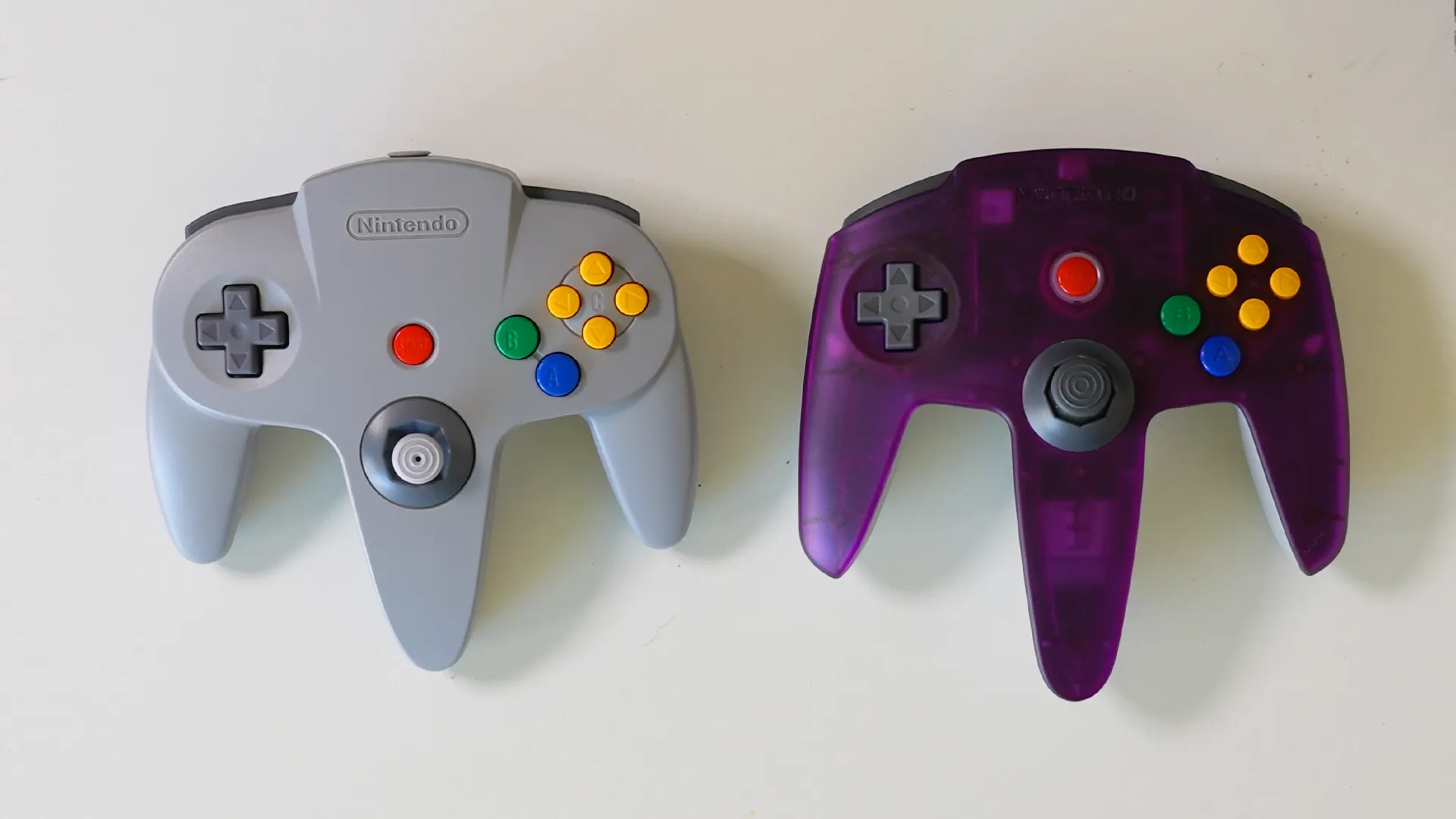
ModRetro, on the other hand, has clearly prioritized the controller as a central element of the M64 experience. They have developed an impressive, custom controller that aims to modernize the iconic N64 layout while retaining its nostalgic feel. This controller is available in multiple colors to match the console and features a premium aluminum die-cast backplate, adding both durability and a satisfying weight. It offers both wireless and wired connectivity, with a lengthy 10-foot braided cable that includes a USB-C port clasp to prevent accidental disconnections – a thoughtful touch for households with children or pets. The controller’s internal components have also seen significant upgrades, most notably the analog stick. Replacing Nintendo’s notoriously fragile original design, ModRetro has implemented a modern TMR thumbstick, promising enhanced longevity. While the tactile feel and sound of the analog stick might differ slightly from the original, its robustness is a significant advantage. The buttons retain a similar size and feel to the originals, with slightly thicker shoulder and Z buttons for improved ergonomics. The inclusion of a built-in rumble motor further enhances immersion.
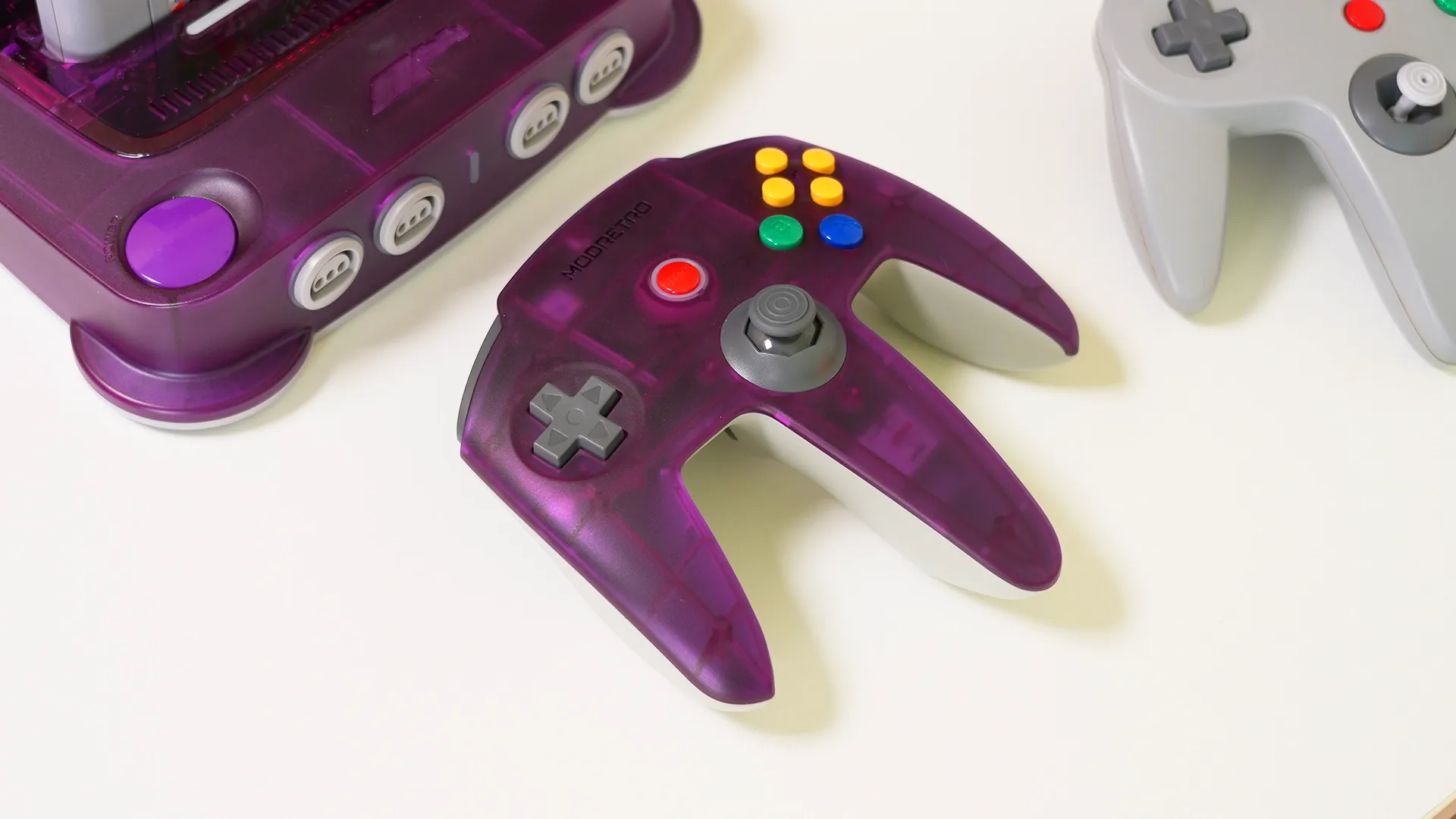
However, the ModRetro controller is not without its minor drawbacks. While it supports wireless connectivity and includes a long cable, it does not charge the controller when plugged in, necessitating a separate charging solution. Furthermore, the much-anticipated Controller Pak functionality is currently absent, though ModRetro has indicated it is planned for future updates. Despite these minor issues, the ModRetro controller stands out as a superior offering, providing a more comfortable, durable, and feature-rich gaming experience compared to the barebones approach taken by Analogue. Its compatibility with PC, Mac, and Android also broadens its utility beyond the M64 console itself.
Navigating the Digital Realm: User Experience and Operating System
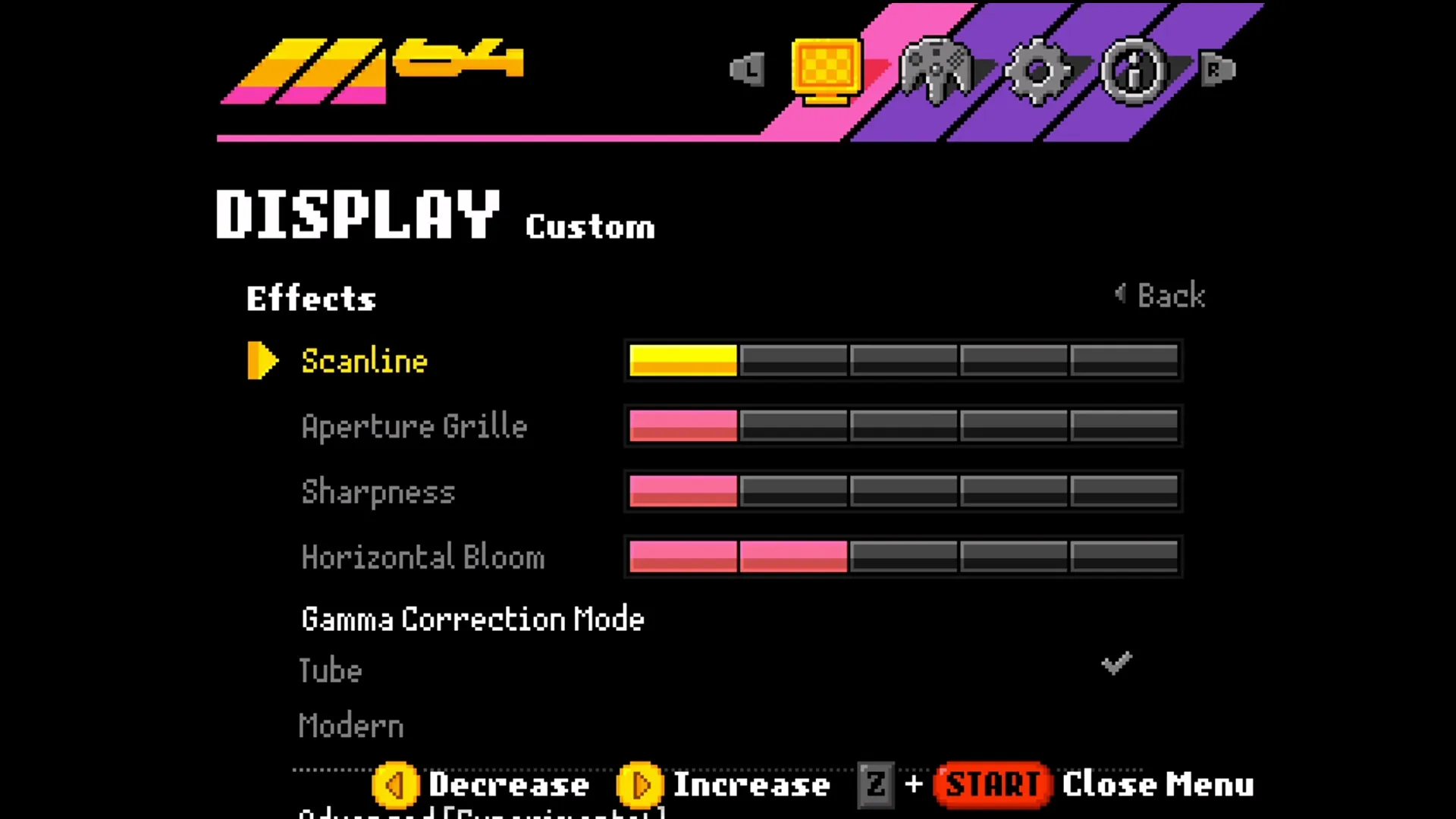
The user experience and operating system (OS) of a console play a pivotal role in shaping the overall perception and usability of the device. Analogue’s OS, mirroring its hardware design philosophy, is characterized by minimalism and a focus on clarity. The interface is clean, intuitive, and designed to minimize distractions, allowing users to quickly access their games and settings. While some might find it somewhat subdued, its deliberate design ensures that the focus remains squarely on the gaming experience. AnalogueOS has proven its mettle on the Analogue Pocket, and its implementation on the 3D maintains that high standard, offering a smooth and responsive navigation. The OS’s strength lies in its straightforwardness, making it easy to learn and navigate, even if it takes a short period to discover the location of all features. A significant recent addition to the Analogue 3D’s OS is the implementation of save states, a crucial feature for many retro gamers, enhancing the ability to pause and resume gameplay at any point.
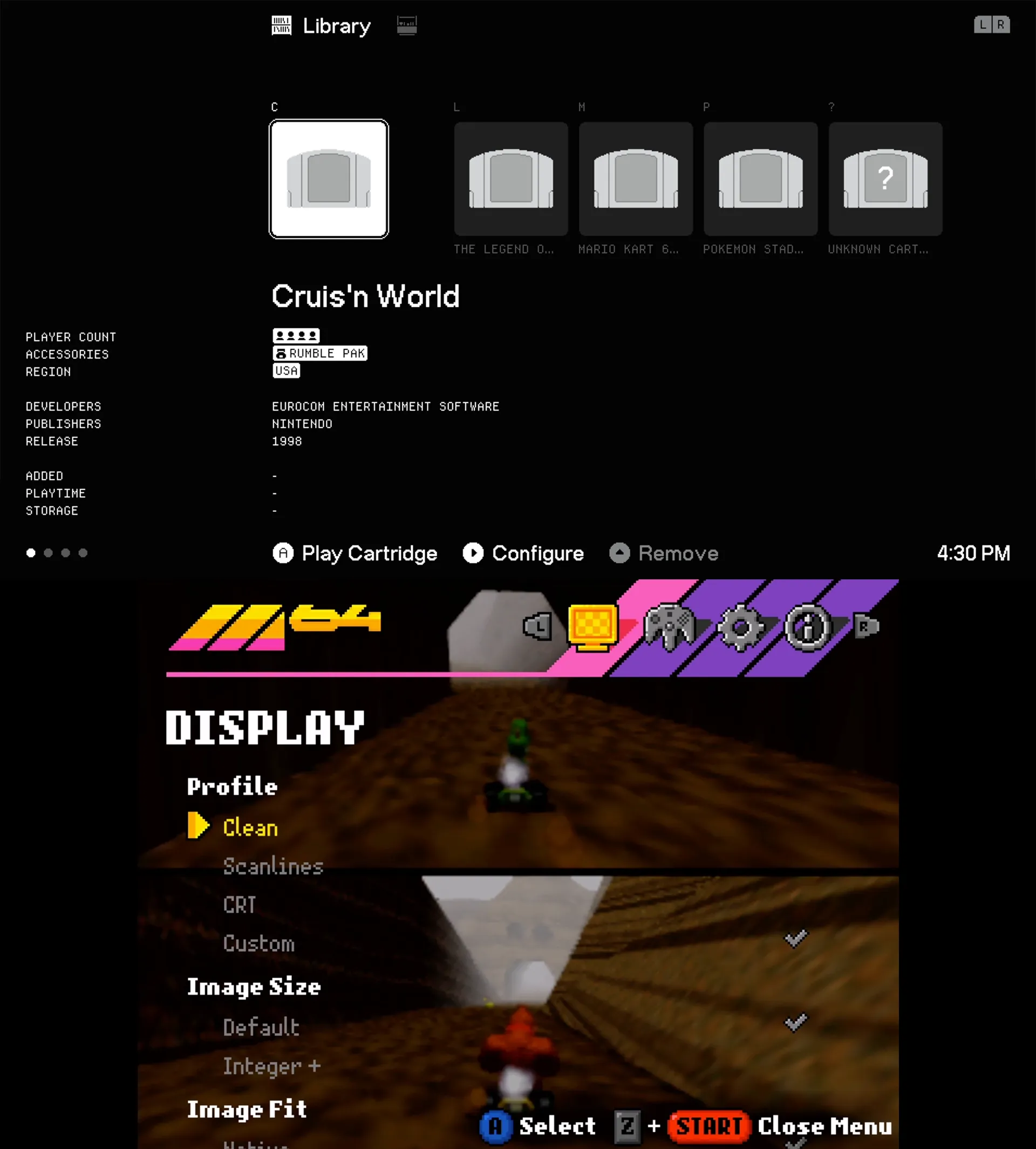
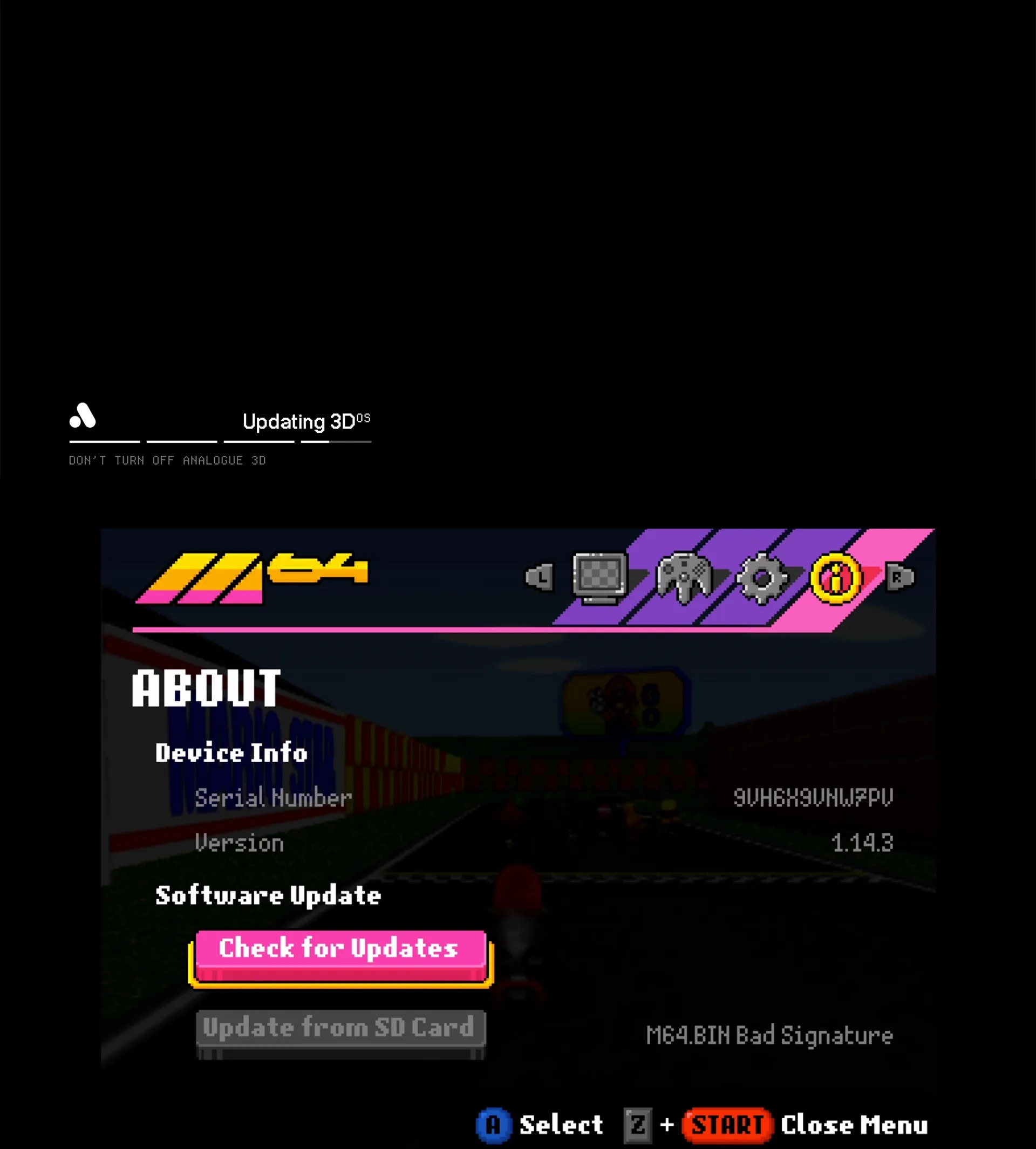
ModRetro’s M64 OS, in contrast, leans into a more visually vibrant and perhaps slightly more complex interface. While undeniably easy to grasp, its design can sometimes feel less cohesive with the overall gaming experience, with menu text occasionally proving difficult to read against certain game backgrounds. This is an area where ModRetro could refine its software to ensure better integration. However, the M64 OS excels in certain practical aspects. It offers seamless controller syncing and, crucially, the convenience of over-the-air (OTA) updates via Wi-Fi. This stands in stark contrast to Analogue’s current reliance on manual SD card updates, a process that is significantly more time-consuming and less user-friendly. The M64’s ability to update its firmware with a few clicks is a considerable advantage in terms of user convenience and responsiveness to community feedback.
Despite the M64’s advantages in OTA updates and controller syncing, Analogue’s OS generally offers a more polished and aesthetically pleasing user experience. The recent introduction of save states on the Analogue 3D further solidifies its position in this category. While ModRetro is rapidly iterating on its software, Analogue’s current OS, with its cleaner design and more refined game settings, currently holds a slight edge. The decision here hinges on whether one prioritizes ease of updates and advanced hardware features (ModRetro) or a more streamlined, visually appealing, and feature-rich core OS experience (Analogue).
Emulation Performance: A Tight Race
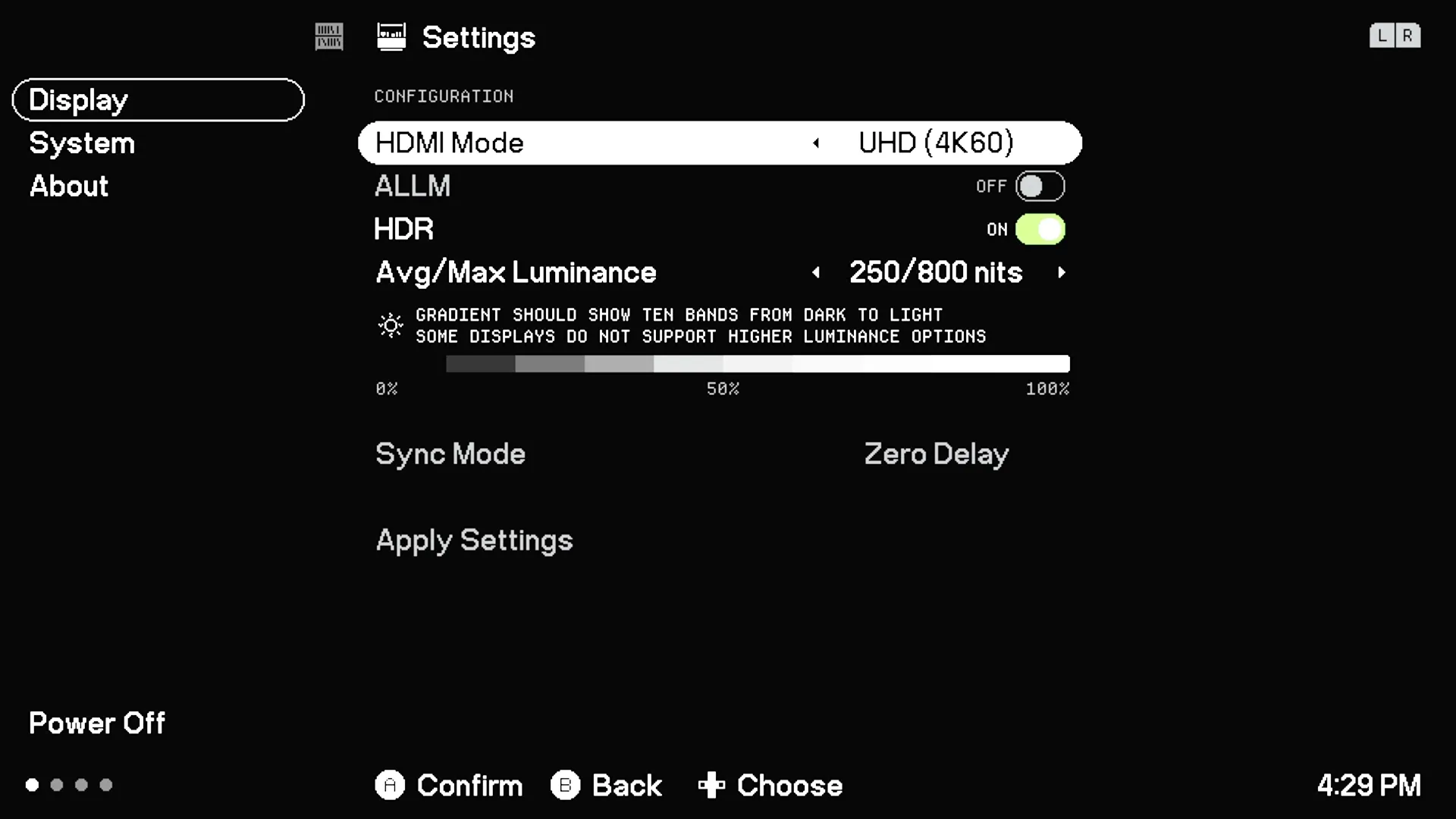
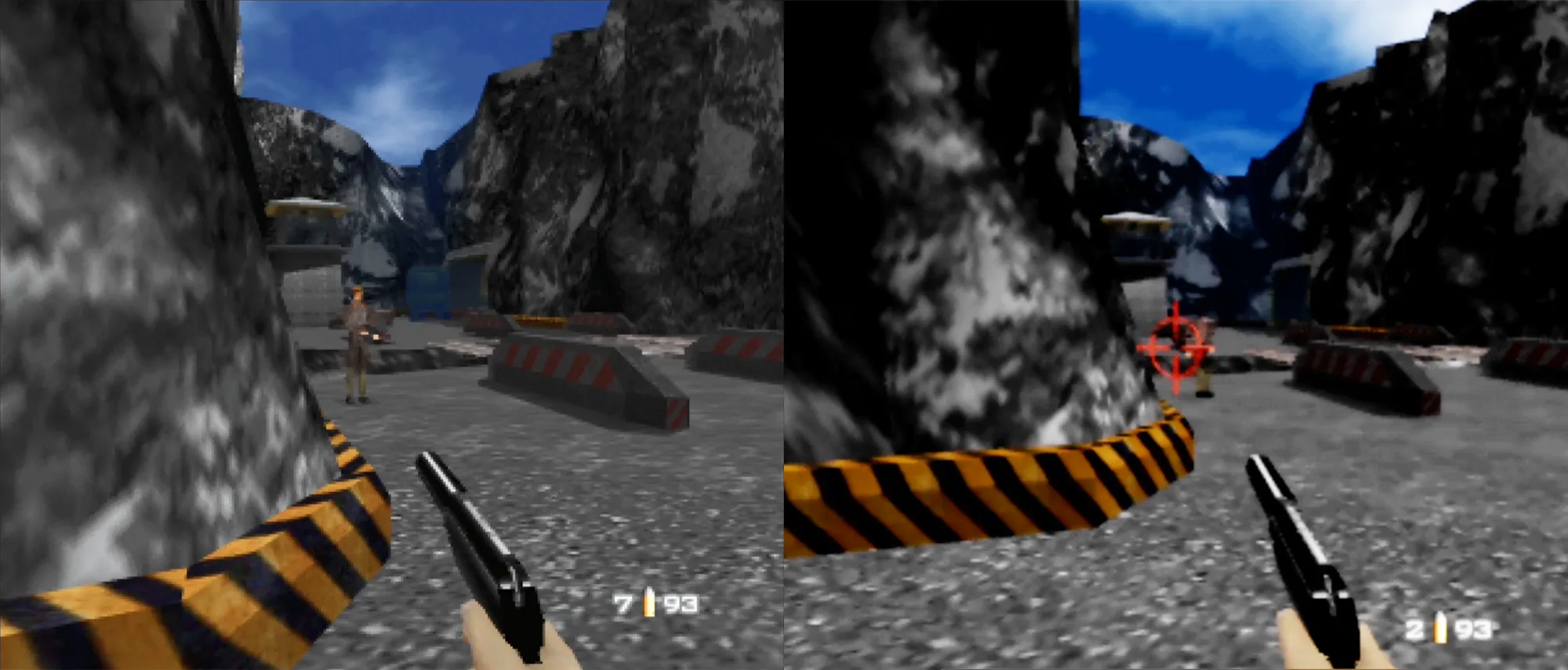
The core function of any FPGA console is to replicate the original hardware’s performance with utmost accuracy. In this regard, both the Analogue 3D and the ModRetro M64 deliver exceptionally well. For the vast majority of users, the performance differences between the two consoles will be imperceptible. Both systems are capable of upscaling N64 games to modern resolutions (720p, 1080p, and 4K) without introducing significant visual artifacts, screen tearing, or glitches. This high-fidelity upscaling is a primary draw for consumers looking to experience their classic N64 library on contemporary displays.
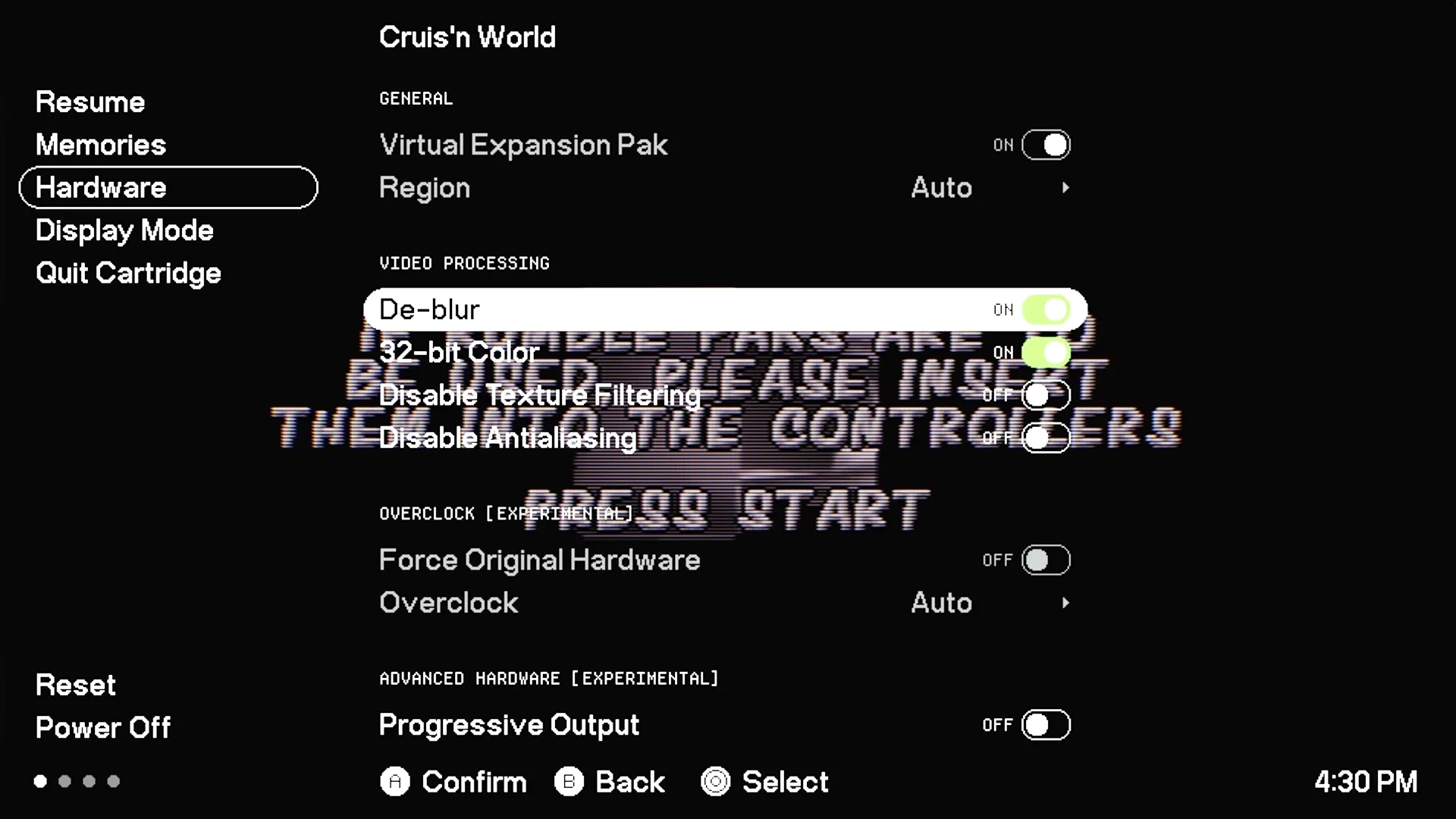
The true differentiator in performance lies in the nuances of game compatibility and specific optimizations. ModRetro has made significant strides in this area, particularly with the implementation of an overclocking feature. Initially, before this feature was available, the Analogue 3D held a clear performance advantage. However, with overclocking enabled, the M64 can achieve performance levels comparable to, and in some cases exceeding, the Analogue 3D, particularly in demanding titles like GoldenEye 007. ModRetro reports a high game compatibility rate, with only a small fraction of the N64 library potentially exhibiting minor bugs. Analogue has not publicly released detailed game compatibility figures, making a direct comparison difficult. However, based on anecdotal evidence and extensive testing, both consoles generally handle a wide range of N64 cartridges effectively.
ModRetro’s overclocking settings, while offering a range of options from "Super" to "Insane," can be seen as slightly overcomplicated for a feature that primarily needs an on/off toggle. However, the fact that such options are available speaks to their commitment to pushing the hardware’s capabilities. Analogue, while not offering such granular overclocking controls, provides a robust and stable emulation experience that has been refined over a longer period since its release.
Ultimately, in terms of raw emulation performance, the gap between the Analogue 3D and the ModRetro M64 is remarkably slim. Both consoles excel at replicating the original N64 experience on modern hardware. The choice between them in this regard is less about which one is technically superior and more about which one offers the specific features and compatibility that matter most to the individual user. The ability to upscale games to high resolutions is a standard expectation, and both consoles meet this requirement admirably.
Beyond the Hardware: Software Updates and Community Engagement
The ongoing development and support provided by console manufacturers are crucial for the longevity and user satisfaction of any gaming device. Both Analogue and ModRetro have demonstrated a commitment to improving their respective consoles through software updates, albeit with different approaches and priorities.
Analogue has been proactive in releasing updates for the Analogue 3D, introducing features such as save states and the ability to boot directly into cartridges, mirroring a key functionality of the M64. This demonstrates their responsiveness to user feedback and their dedication to enhancing the console’s capabilities. However, their reliance on manual firmware updates via SD card remains a point of contention for many users, especially when compared to the convenience of OTA updates.
ModRetro, with its emphasis on user experience and community engagement, has implemented OTA updates as a standard feature. This allows for quick and easy installation of new features and bug fixes, fostering a more dynamic and responsive development cycle. Furthermore, ModRetro has taken a unique and commendable initiative by actively developing new games for their FPGA hardware. This includes collaborating with indie developers and even revitalizing classic franchises. The release of new titles, such as an enhanced version of Buck Bumble, not only provides fresh content for retro gamers but also supports the broader retro gaming ecosystem by creating opportunities for developers. ModRetro’s commitment to paying royalties to developers and fostering new game creation sets them apart, creating a more holistic retro gaming experience that extends beyond hardware emulation. This focus on building an ecosystem around their hardware is a significant differentiator.
While Analogue excels in delivering a polished hardware and software experience, ModRetro’s proactive software updates, innovative approach to game development, and dedication to supporting the retro game development community offer a compelling value proposition. This broader ecosystem approach, combined with hardware niceties like the improved controller and cartridge eject, positions ModRetro as a company deeply invested in the long-term vibrancy of retro gaming.
Pricing and Final Verdict
When considering the purchase of a premium retro console, price is invariably a significant factor. The Analogue 3D is priced at $269, while the ModRetro M64 comes in at $229. This price difference of $40, while not astronomical, is substantial enough to influence purchasing decisions. The savings on the M64 could be allocated towards additional accessories or games.
Both consoles offer compelling reasons for purchase, and the "better" option ultimately depends on individual priorities. The Analogue 3D boasts a more refined operating system and a minimalist design that appeals to a certain aesthetic. Its recent inclusion of save states and robust game settings further enhances its appeal. However, the lack of an included proprietary controller and the manual update process are notable drawbacks.

The ModRetro M64, while slightly less polished in its OS design, compensates with a superior bundled controller, thoughtful hardware features like the cartridge eject button and LED illumination, and the convenience of OTA updates. Its commitment to fostering new game development and supporting the retro gaming industry adds another layer of value.
As of the current assessment, both consoles are strong contenders, and the competitive landscape is rapidly evolving with promised future updates from both manufacturers. Analogue’s recent feature additions are closing the gap, while ModRetro continues to innovate on both hardware and software fronts, including its ambitious game development initiatives.

For a user who prioritizes a premium, minimalist aesthetic and a highly polished OS experience, the Analogue 3D remains a strong choice, particularly with its recent software enhancements. Conversely, for those who value a more feature-rich hardware package, a superior bundled controller, the convenience of OTA updates, and a company actively contributing to the creation of new retro games, the ModRetro M64 presents a highly attractive proposition. The decision hinges on which set of strengths aligns best with the individual retro gaming enthusiast’s desires. The ongoing competition between these two companies is a boon for consumers, driving innovation and offering a diverse range of high-quality options for experiencing the beloved Nintendo 64.