Cecilia Chamidah Nur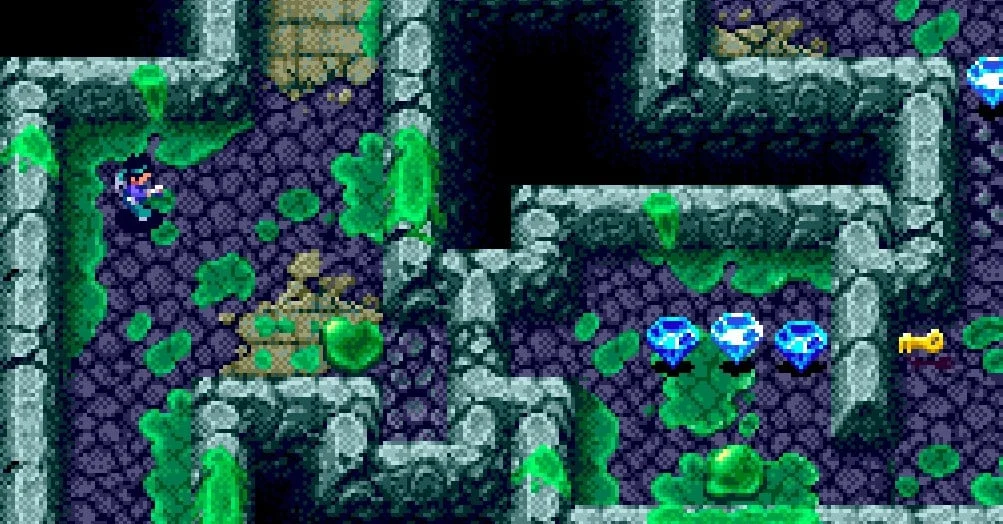
London, UK – July 20, 2026 – Veteran British game developers Tony Warriner and Stoo Cambridge have officially announced the expansion of their highly anticipated retro-inspired action-adventure title, UrbX Warriors, to include versions for the Amiga AGA and Sega Genesis/Mega Drive platforms. This significant development follows the successful launch of the game’s initial Kickstarter campaign for PC and ZX Spectrum Next editions, and marks a renewed commitment to classic hardware platforms that shaped their illustrious careers. The duo, operating under the banner of Brazen Gameplay, is poised to launch a second Kickstarter campaign, specifically for this "16-bit edition," scheduled to go live on Thursday, July 30th, at 3 pm UK time. This strategic move aims to tap into the fervent retro gaming community, which has shown a consistent appetite for new titles on beloved, albeit aged, systems.
The decision to port UrbX Warriors to these iconic 16-bit machines represents a substantial undertaking, one that resonates deeply with the personal histories of Warriner and Cambridge. Both developers possess extensive experience working on games for Amiga hardware, a platform that was a cornerstone of European computer gaming in the late 1980s and early 1990s. Stoo Cambridge, in particular, boasts a more direct commercial legacy with the Sega Mega Drive/Genesis, having contributed to several titles on the console during its heyday, while Warriner’s focus during the 90s was primarily on the burgeoning home computer market. This latest announcement, while fulfilling a portion of earlier teasers that included platforms like the PSX, Switch, and Dreamcast, firmly plants UrbX Warriors within the heart of the 16-bit era.
The Journey of UrbX Warriors: A Chronology of Retro Ambition
The genesis of UrbX Warriors can be traced back to an initial announcement on Friday, May 30th, 2025. At that time, the gaming world learned that Tony Warriner, celebrated programmer behind Revolution Software’s iconic point-and-click adventures like Broken Sword and Beneath a Steel Sky, would be collaborating with Stoo Cambridge, the renowned artist from Sensible Software, credited for the distinctive visuals in classics such as Cannon Fodder and Sensible World of Soccer. This pairing of two titans from British game development immediately captivated the imagination of long-time fans and retro enthusiasts.
Their inaugural Kickstarter campaign, launched concurrently with the announcement, sought funding for versions targeting the modern PC and the ZX Spectrum Next. The latter, a modern spiritual successor to the legendary 8-bit ZX Spectrum, represented a niche but passionate segment of the retro computing community. Warriner and Cambridge framed UrbX Warriors as their "most challenging project to date," an endeavor designed to push the advanced hardware capabilities of the Spectrum Next while leveraging their decades of collective industry experience.
The initial campaign quickly garnered support, driven by the developers’ pedigree and the intriguing premise of the game. Rewards for backers ranged from digital copies at £15 to physical standard (£30) and big-box (£50) editions, with higher tiers offering exclusive merchandise such as UrbX Warriors-themed joysticks, all slated for shipment in 2026. A playable demo for Windows, macOS, and ZX Spectrum Next was also made available on itch.io, allowing prospective players to experience the game’s nascent mechanics and aesthetic firsthand. Crucially, even at this early stage, the developers tantalizingly hinted at the possibility of future versions for a broader array of platforms, specifically mentioning the PSX, Switch, Dreamcast, and Amiga. This foreshadowing has now materialized, at least in part, with the confirmation of Amiga AGA and Sega Genesis/Mega Drive versions.
The latest update on Monday, July 20th, 2026, officially confirmed these new platform targets and unveiled plans for a dedicated second Kickstarter. This phased approach to crowdfunding allows the developers to focus development efforts and tailor campaigns to specific audiences, recognizing the distinct hardware and fanbases associated with each platform. While a logo has been revealed for the "16-bit edition," detailed visual or gameplay demonstrations for these new versions are yet to be showcased, building anticipation for the upcoming campaign launch.
The Vision Behind UrbX Warriors: A Blend of Retro Aesthetics and Modern Storytelling
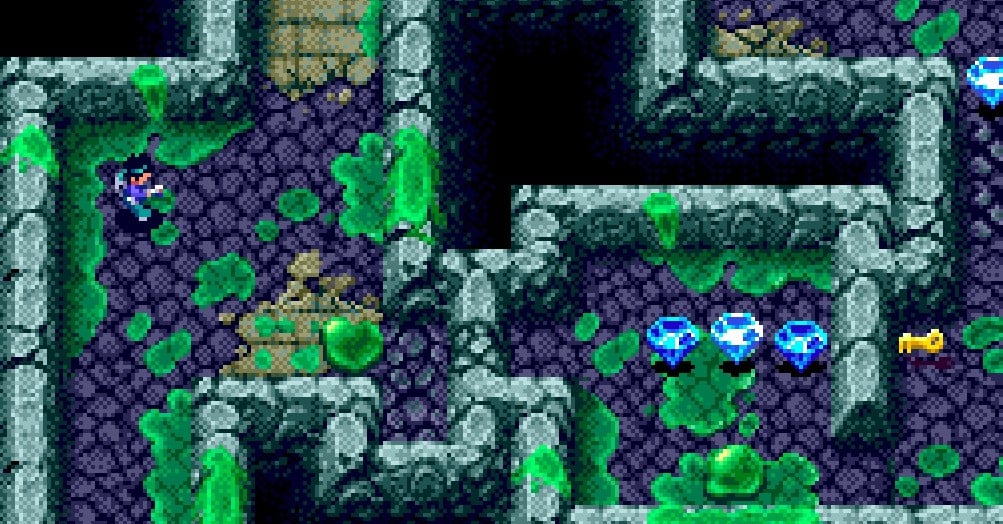
UrbX Warriors is envisioned as an action-adventure game that marries classic gameplay tropes with a compelling narrative. The story centers on a pair of intrepid urban explorers, Alejandro and Ramona, whose quest for adventure leads them to what they initially believe to be an uncharted Mayan temple, hidden deep within the dense, verdant rainforest. However, their discovery quickly escalates into a perilous ordeal as they uncover more than just ancient ruins. The temple’s labyrinthine chambers are teeming with deadly threats, including reanimated zombies, opportunistic robbers, and an array of treacherous booby traps, all designed to guard its secrets – or perhaps, to ensure no one ever leaves.
Players will assume control of either Alejandro or Ramona, navigating the temple’s foreboding dungeons. The gameplay loop combines exploration, combat, and resource management. Survival hinges on strategic movement, avoiding or engaging enemies, and meticulously searching for vital provisions. Food items are crucial for maintaining the characters’ strength and vitality, while bottles of magic offer special abilities or advantages in combat and puzzle-solving. The ultimate goal, beyond mere survival, is to unearth the temple’s hidden treasures, offering both material reward and a deeper understanding of its mysteries. This design philosophy suggests a game that values careful planning and observation as much as quick reflexes, echoing the intricate challenges found in many classic adventure titles. The urban explorer theme, combined with the exotic setting and supernatural elements, provides a unique backdrop for a game that aims to be both nostalgic and fresh.
Developers’ Legacy: Maestros of the Pixel Age
The collaboration between Tony Warriner and Stoo Cambridge is a significant event in the British gaming scene, bringing together two individuals whose work has profoundly influenced generations of players.
Tony Warriner is best known as a co-founder of Revolution Software, a company synonymous with the golden age of point-and-click adventure games. His programming prowess was instrumental in creating the engine and systems for seminal titles such as Lure of the Temptress (1992), Beneath a Steel Sky (1994), and the globally acclaimed Broken Sword: The Shadow of the Templars (1996). These games, characterized by their compelling narratives, intricate puzzles, and distinctive art styles, established Revolution Software as a leader in the genre and Warriner as a master of interactive storytelling. While his primary focus was on PC and Amiga home computer platforms, the design principles of these games – exploration, problem-solving, and character interaction – are clearly discernible as foundational elements for UrbX Warriors.
Stoo Cambridge, on the other hand, made his indelible mark as a highly influential artist at Sensible Software, another legendary UK developer. Cambridge’s unique, often caricatured, yet highly expressive pixel art defined the look of some of the most beloved games of the 16-bit era. His contributions to titles like Cannon Fodder (1993), Sensible World of Soccer (1994), and Mega Lo Mania (1991) are iconic. Cannon Fodder, in particular, combined a seemingly cute aesthetic with a gritty anti-war message and tactical gameplay, becoming a critical and commercial success across multiple platforms, including the Amiga and Sega Mega Drive. Cambridge’s artistic vision was crucial in making Sensible Software games instantly recognizable and immensely appealing, and his expertise in crafting visuals for limited hardware environments will be invaluable for the 16-bit edition of UrbX Warriors.
The combined experience of Warriner’s structural design and programming acumen with Cambridge’s distinctive artistic flair promises a game that is both mechanically sound and visually engaging. Their shared history in pushing the boundaries of available technology during the 8-bit and 16-bit eras positions them uniquely to craft a game that feels authentic to the period while offering modern sensibilities.
The 16-Bit Edition: A Technical and Creative Endeavor
The decision to develop a "16-bit edition" for the Amiga AGA and Sega Genesis/Mega Drive is more than a simple port; it signifies a deliberate creative and technical challenge. The Amiga AGA (Advanced Graphics Architecture), found in models like the Amiga 1200 and 4000, represented the pinnacle of Commodore’s home computer line. It boasted a 24-bit color palette with up to 256,000 colors on screen, improved sprite capabilities, and enhanced blitter and copper chips compared to its OCS/ECS predecessors. This allowed for more sophisticated visuals, parallax scrolling, and richer environments. Developing for AGA often required a deep understanding of its custom chips to extract maximum performance.
The Sega Genesis/Mega Drive, a global powerhouse in the console wars, offered a different set of technical characteristics. Its Motorola 68000 CPU was known for speed, while its Yamaha YM2612 sound chip provided distinctive FM synthesis audio. The console’s video capabilities, while not as color-rich as AGA, excelled at fast-paced action and sprite manipulation. Developing for the Genesis meant optimizing for speed and mastering its 64-color palette (from a 512-color master palette) and sound capabilities.
For Warriner and Cambridge, adapting UrbX Warriors to these platforms will necessitate a careful re-evaluation of its assets and engine. The game’s visual style, originally conceived for the ZX Spectrum Next’s enhanced 8-bit aesthetic and PC’s modern capabilities, will need to be re-rendered or redesigned to suit the color limitations, sprite counts, and processing power of 16-bit hardware. This is where Cambridge’s expertise in 16-bit pixel art will be paramount. Similarly, Warriner’s programming will need to be meticulously optimized to ensure smooth performance and responsive controls, often requiring direct hardware access and assembly language optimization, a skill set increasingly rare in modern development.
The "16-bit edition" implies that this will not merely be a reduced version of the PC game, but rather a carefully crafted experience designed to feel native to its target platforms, leveraging their unique strengths while respecting their limitations. This commitment to authenticity is a hallmark of quality in the retro gaming community and often dictates the success of such projects.
Crowdfunding the Retro Future: The Kickstarter Strategy
The decision to launch a second, platform-specific Kickstarter campaign for the 16-bit edition of UrbX Warriors highlights a sophisticated understanding of modern crowdfunding dynamics and niche market engagement. The initial Kickstarter successfully funded the core game for PC and ZX Spectrum Next, demonstrating a demand for the project from fans of the developers and retro computing enthusiasts. By separating the campaigns, Brazen Gameplay can:
- Segment Audiences: Target specific communities – Amiga users and Sega Genesis/Mega Drive aficionados – who might not have been interested in the ZX Spectrum Next or PC versions, or who specifically desire a physical release for their preferred vintage hardware.
- Manage Development Scope: Focus resources and development efforts for each platform category. Developing for an 8-bit enhanced system (Spectrum Next), modern PC, and then two distinct 16-bit systems (Amiga AGA and Genesis) presents different technical challenges and timelines. Phased funding allows for more realistic planning.
- Gauge Interest Accurately: Determine the specific demand for 16-bit versions without diluting the initial campaign’s goals or over-promising.
- Offer Tailored Rewards: Create specific tiers and physical editions that appeal directly to collectors of Amiga or Genesis games, such as cartridge releases for the Mega Drive or Amiga disk/CD-ROM versions, which carry their own production costs and logistics.
The success of the first campaign, which likely provided initial capital and validated the core concept, now paves the way for this ambitious expansion. The current strategy of asking people to sign up and register their interest ahead of time, even before showing extensive new visuals, is a common pre-launch tactic designed to build an email list, generate buzz, and gauge initial momentum, which is crucial for a strong launch day performance on Kickstarter.
Industry Implications and Fan Engagement
The development of UrbX Warriors across such a diverse range of platforms, from the 8-bit enhanced Spectrum Next to modern PC and now 16-bit consoles and computers, reflects a broader trend in the video game industry: the enduring power and commercial viability of retro gaming. Publishers and independent developers alike are increasingly looking to past eras for inspiration, not just in terms of aesthetics but also gameplay mechanics and development philosophy.
This project, spearheaded by two highly respected figures, acts as a beacon for the retro community. It demonstrates that passion projects for legacy hardware can attract significant talent and funding, potentially inspiring other veteran developers to revisit their roots or encouraging new creators to explore the unique challenges and rewards of retro development. The Amiga and Sega Genesis/Mega Drive communities are particularly vibrant, characterized by dedicated forums, fan sites, and homebrew development scenes. These communities often crave new, high-quality titles that feel authentic to their beloved machines. UrbX Warriors directly caters to this demand, offering not just a new game but a new experience crafted by the very individuals who helped define the original eras.
The decision to pursue a 16-bit edition implies a belief in the longevity of these platforms and the willingness of their fanbases to support new content. It also highlights the technical skill of the developers to adapt a contemporary vision to restrictive, albeit charming, hardware. The anticipation for the upcoming Kickstarter is palpable within these communities, as they eagerly await concrete visual evidence of how UrbX Warriors will translate to their preferred systems.
Looking Ahead: The Road to Release
With the second Kickstarter for the "16-bit edition" of UrbX Warriors scheduled for July 30th, the coming weeks will be critical for Brazen Gameplay. While the initial announcement has generated significant excitement, the absence of detailed visuals for the Amiga AGA and Sega Genesis/Mega Drive versions means that the launch of the campaign itself will be the moment of truth. The presentation of gameplay footage, screenshots, and technical details showcasing how the game leverages the specific capabilities of these 16-bit platforms will be crucial for convincing potential backers.
The successful funding and subsequent release of these expanded versions could solidify UrbX Warriors as a landmark title in the modern retro gaming landscape. It would not only serve as a testament to the enduring creative partnership of Tony Warriner and Stoo Cambridge but also as a powerful example of how classic gaming experiences can be revitalized and delivered to new generations of hardware enthusiasts. The journey of Alejandro and Ramona into the heart of a mysterious Mayan temple is just beginning, and with the expansion to Amiga AGA and Sega Genesis/Mega Drive, a whole new cohort of players is now poised to join their perilous adventure.