
 Hartono Sudibyo
In an era dominated by the rapid evolution of smartphones and an ever-present digital landscape, a curious counter-trend is emerging: a growing number of individuals are intentionally disconnecting from their modern devices and opting for older, more analog forms of technology. This movement, often termed "digital detoxing," is driven by a desire for reduced screen time, a rejection of algorithm-driven content, and a yearning for a more focused and intentional lifestyle. Recent observations suggest that this shift is not merely a fleeting fad but a significant recalibration of how people engage with information and manage their daily lives.
The Allure of Analog in a Digital Age
The impetus behind this trend is multifaceted. For many, the constant barrage of notifications, the curated perfection of social media feeds, and the pervasive presence of artificial intelligence-generated content have led to a sense of digital overload. This inundation, rather than enriching lives, often results in a feeling of being perpetually distracted, leading to wasted time and a diminished capacity for deep focus. The author’s personal experience of attempting to minimize social media usage due to its perceived lack of genuine value exemplifies this sentiment. The observation that feeds are "flooded with AI rubbish and people smiling over their food" highlights a widespread dissatisfaction with the quality and authenticity of online interactions.
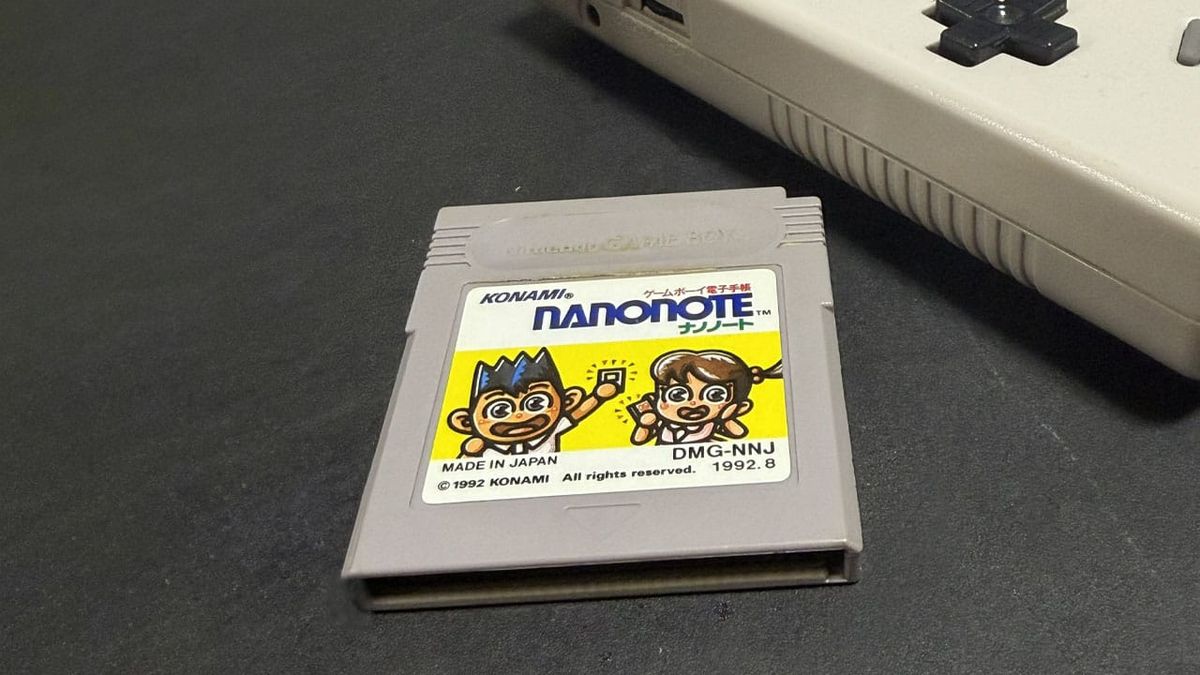
This discontent is fueling a search for alternatives that offer a more tangible and less intrusive user experience. The exploration of older technologies, such as the Konami NanoNote, represents a desire to reclaim control over one’s digital environment and foster a more mindful approach to information consumption and personal organization. The author’s contemplation of using a device like the NanoNote for article writing, even expressing a wish to revert to a typewriter, underscores a profound longing for a simpler, more deliberate interaction with their work. This sentiment is further amplified by the pursuit of tools that can aid in personal organization without the inherent distractions and data-gathering practices of modern devices.
The Konami NanoNote: A Glimpse into Early Pocket Organizers
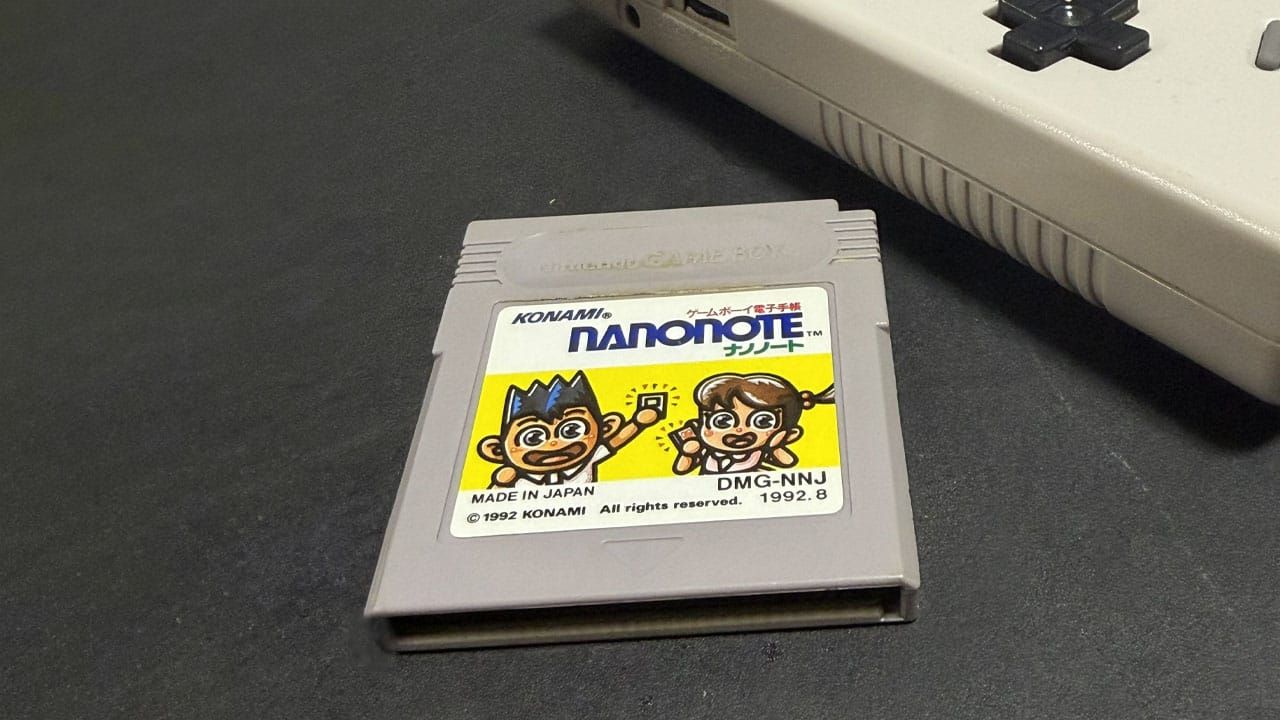
The Konami NanoNote, originally released in Japan in 1992, stands as a compelling artifact of this burgeoning interest in retro technology. Far from being a gaming cartridge, the NanoNote was designed as a data entry device, ingeniously transforming the ubiquitous Game Boy into a portable personal organizer. This innovation allowed users to manage appointments, jot down notes, and store important information, all within a device that also offered the familiar entertainment of video games. The ability to seamlessly switch between functional organization and recreational gaming exemplified a more integrated approach to portable computing, a stark contrast to the specialized, single-purpose nature of many modern gadgets.
Historical Context and Technological Evolution
The release of the NanoNote in the early 1990s occurred during a pivotal period in the evolution of portable technology. The Game Boy itself, launched in 1989, had already revolutionized handheld gaming, demonstrating the immense potential of compact, battery-powered devices. The NanoNote represented a logical extension of this platform’s capabilities, moving beyond entertainment to address practical needs. Its introduction predated the widespread adoption of PDAs (Personal Digital Assistants) like the PalmPilot, which would become popular in the late 1990s and early 2000s. The NanoNote, therefore, can be seen as an early pioneer in the concept of a multi-functional handheld device, offering a glimpse into the future of personal computing.

The development of such devices was influenced by several converging technological advancements. Miniaturization of electronic components, improvements in battery life, and the increasing demand for mobile solutions all contributed to the feasibility of creating portable organizers. Companies like Konami, known primarily for its video game development, were exploring new avenues for their hardware platforms, seeking to expand their market reach and cater to diverse consumer needs. The NanoNote’s success, while modest by today’s standards, demonstrated a market appetite for portable productivity tools.
Market Availability and Accessibility
Despite its age, the Konami NanoNote remains relatively accessible to enthusiasts and collectors. Reports suggest that the cartridge can be acquired for approximately £10, including postage from Japan, indicating that it is not an exceptionally rare item. This affordability contributes to its appeal for individuals seeking to experiment with older technologies without significant financial investment. The availability of such items through online marketplaces, like eBay, further democratizes access to these historical pieces of technology, allowing a wider audience to explore and engage with them.
Language Barriers and Learning Opportunities
A significant consideration for prospective NanoNote users is its original Japanese-only interface. While the device allows for data entry in English, the instructional materials and system prompts are in Japanese. For individuals interested in learning the Japanese language, this presents a unique and engaging opportunity. The author’s intention to use the NanoNote as a tool for practicing Japanese exemplifies how these older technologies can be repurposed to serve modern learning objectives. The need to decipher instructions and navigate menus in a foreign language can transform a simple organizational task into an immersive linguistic exercise, fostering a deeper connection with both the technology and the culture it represents.
A Nostalgic Appreciation for Simplicity
The appeal of technologies like the NanoNote, gaming watches, and even typewriters extends beyond mere functionality. It taps into a sense of nostalgia, evoking memories of a time when technology was less pervasive and interactions were more deliberate. The author’s comparison to Nelsonic gaming watches and their preference for a Game Boy over an Apple Watch highlights a rejection of the intrusive advertising and data-mining practices often associated with modern smart devices. The desire for a "gaming watch" over an "Apple Watch" signifies a preference for dedicated, single-purpose devices that offer a more focused and less integrated user experience. This sentiment suggests a broader cultural shift where the perceived benefits of constant connectivity are being re-evaluated against the value of intentional disconnection and a more tangible engagement with the world.
Broader Implications of the Digital Detox Movement
The increasing embrace of older technologies is indicative of a wider societal conversation about the impact of digital saturation on well-being and productivity. As more individuals seek to curate their digital environments, the demand for analog alternatives is likely to grow. This trend has several implications:
- Resurgence of Niche Markets: The demand for retro technology could lead to the revitalization of niche markets for older devices, accessories, and repair services.
- Focus on Mindfulness and Intentionality: The digital detox movement encourages a more mindful approach to technology use, promoting intentionality in how devices are utilized and the information they provide.
- Re-evaluation of Innovation: The trend may prompt a re-evaluation of what constitutes meaningful technological innovation, shifting the focus from sheer processing power and connectivity to user experience, privacy, and well-being.
- Educational Opportunities: Older technologies can serve as valuable educational tools, offering insights into the history of computing and providing unique learning experiences.
- Potential for New Product Development: The growing interest in analog and minimalist technology could inspire the development of new products that blend retro aesthetics with modern functionality, catering to the demand for simpler, more focused digital tools.
The movement towards digital detox and the rediscovery of older technologies like the Konami NanoNote are not simply about nostalgia; they represent a deliberate choice to reclaim time, attention, and mental clarity in an increasingly complex digital world. As individuals continue to seek balance, the allure of simpler, more tangible technological experiences is likely to remain a significant force, shaping how we interact with the tools that define our modern lives.








