Cecilia Chamidah Nur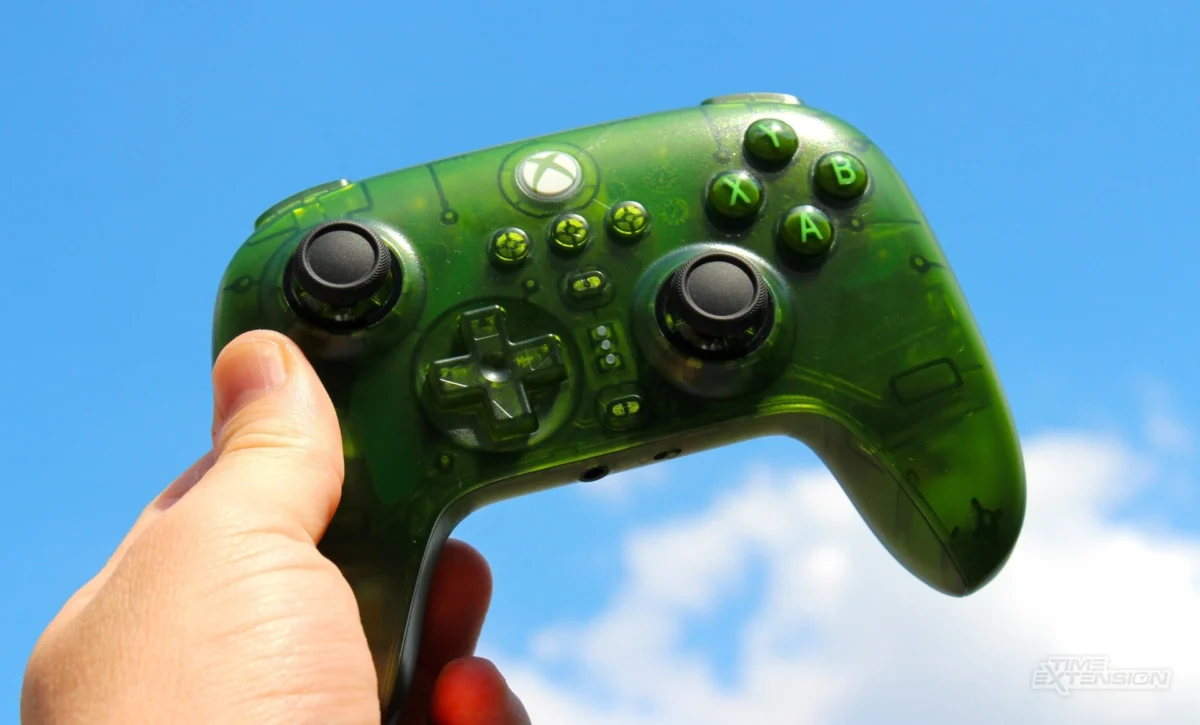
The gaming industry is currently navigating a period of significant turbulence, marked by widespread corporate restructuring, evolving content strategies, and consumer apprehension. Against this backdrop, the release of the 8BitDo 2.4G Ultimate 3-mode Controller in a distinctive transparent ‘jade’ finish emerges not merely as a new peripheral, but as a symbolic gesture towards an era of simpler gaming, offering a tangible connection to the past amidst the uncertainties of the present. This controller, officially dubbed ‘jade’ by its manufacturer, arrives at a time when both Microsoft’s Xbox division and Sony’s PlayStation brand are grappling with their own distinct challenges, inadvertently creating a market for products that evoke nostalgia and offer a sense of stability.
The Shifting Sands of Xbox: Layoffs, Strategy, and Fan Sentiment
Microsoft’s Xbox division has been a focal point of concern within the gaming community for several months. A series of extensive layoffs has deeply impacted numerous studios under the Xbox Game Studios umbrella, including significant cuts at Bethesda, Tango Gameworks, Arkane Austin, and, more broadly, across Activision Blizzard following its colossal acquisition. These personnel reductions, reportedly affecting thousands of talented employees, have been framed by Microsoft as necessary steps to "refocus" and "streamline" operations after years characterized by what many analysts and fans perceive as "confusing and misguided management."
The first major wave of these layoffs occurred in January 2024, impacting approximately 1,900 employees across Activision Blizzard and Xbox, representing about 8% of the total Microsoft Gaming division. This was followed by further, smaller but equally impactful, rounds, such as those in May 2024 that led to the closure of Tango Gameworks (known for Hi-Fi Rush and The Evil Within) and Arkane Austin (developer of Redfall). These closures sent shockwaves through the industry, raising questions about Microsoft’s commitment to diverse game development and its long-term strategy for acquired studios. Phil Spencer, CEO of Microsoft Gaming, acknowledged the difficulty of these decisions in internal memos, citing the need for "alignment and efficiencies" to "invest in areas that are growing" and "deliver our promise to players around the world."
The strategic shifts underlying these personnel decisions are multifaceted. For years, Xbox pursued an aggressive growth strategy centered on Game Pass subscriptions and high-profile studio acquisitions. While Game Pass initially saw rapid expansion, its growth has reportedly slowed, prompting a re-evaluation of its financial sustainability and content pipeline. Simultaneously, the performance of some first-party titles, such as the critically divisive Starfield and the poorly received Redfall, did not consistently meet expectations, further fueling internal reassessments.
Another significant strategic pivot is Xbox’s exploration of a multiplatform release strategy. Historically, Xbox’s strength lay in its console exclusivity. However, recent decisions to bring titles like Hi-Fi Rush, Sea of Thieves, Grounded, and Pentiment to rival platforms such as PlayStation and Nintendo Switch have signaled a potential shift towards a software-centric model, where Xbox content is available more broadly, rather than being strictly tied to its own hardware. While this approach broadens audience reach, it has generated concern among some loyal Xbox fans who question the long-term value proposition of the Xbox console itself. The absence of a mid-generation refresh for the Xbox Series X/S, coupled with rumors and leaks about future hardware, further contributes to this sense of strategic ambiguity.
For many Xbox enthusiasts, this period has been marked by a palpable sense of disappointment and uncertainty. The loss of creative talent, the closure of beloved studios, and the perceived dilution of the Xbox exclusive library have eroded morale, leading to a desire for a return to what many consider the "good old days" of the brand – a sentiment perfectly tapped into by nostalgic products like the 8BitDo controller.
Sony’s Own Brand of Drama: The Physical vs. Digital Divide
While Xbox grapples with internal restructuring, Sony’s PlayStation division has been generating its own set of controversies, albeit centered on a different aspect of the gaming experience: the future of physical media. Sony’s increasing emphasis on digital distribution has led to a growing perception among a segment of the gaming community that the company is gradually phasing out physical game releases and disc drive support.
This "drama" intensified with reports and official statements indicating a stronger push towards digital sales. Sony’s financial reports have consistently highlighted the increasing proportion of digital game sales over physical ones, aligning with broader industry trends. However, specific actions and rumors have fueled consumer concern. For instance, the introduction of the PlayStation 5 Digital Edition, lacking a disc drive, was an early indicator. More recently, reports suggested that future iterations of PlayStation hardware, potentially including a rumored "PS5 Pro" or a next-generation console, might either come exclusively without disc drives or offer them as detachable, optional peripherals.
Furthermore, Sony’s past actions, such as the initial announcement (later reversed) to close the PlayStation Store for PlayStation 3, PlayStation Vita, and PlayStation Portable, underscored the company’s evolving priorities and raised concerns about game preservation in an increasingly digital-only landscape. The strong "No Disc, No Buy" movement among certain consumer groups reflects a significant backlash against these perceived shifts. Advocates for physical media cite concerns about ownership rights, game preservation, the ability to resell games, and the aesthetic appeal of physical collections. For these consumers, the prospect of a fully digital future represents a loss of control and a threat to the long-term accessibility of games.
The contrast between the two companies’ challenges is stark. Xbox’s issues stem from internal operational changes and strategic repositioning that directly impact its development capabilities and platform identity. Sony’s challenges, while perhaps less existential in terms of internal structure, touch upon fundamental consumer preferences and the future of game ownership, sparking a passionate debate about media formats. Both scenarios, however, contribute to a broader sense of unease within the gaming world, making any product that offers a reliable, well-designed, and perhaps nostalgic experience particularly appealing.
The 8BitDo Ultimate Controller: A Beacon of Quality and Nostalgia
It is within this turbulent environment that the 8BitDo 2.4G Ultimate 3-mode Controller arrives, offering a refreshing counterpoint. 8BitDo has carved out a strong reputation in the gaming accessory market as a manufacturer of high-quality, often retro-inspired, peripherals that combine modern functionality with classic aesthetics. Their Ultimate series controllers, in particular, have garnered critical acclaim for their robust build quality, precise input, and versatile connectivity options.
Design and Aesthetics: A Nod to the Past
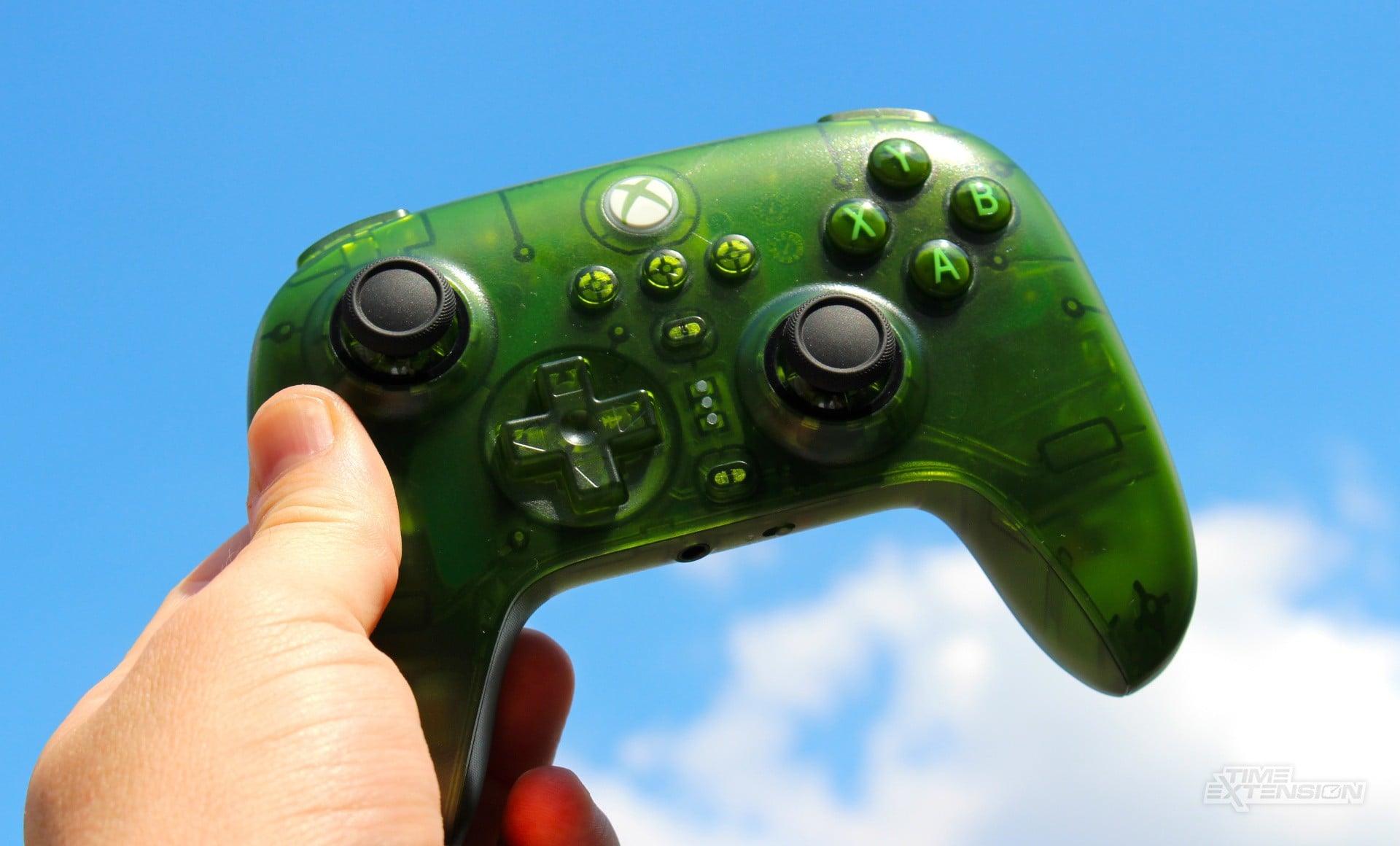
The most striking feature of this particular model is its transparent ‘jade’ finish. This "skeleton" look is a deliberate homage to a popular trend from the late 1990s and early 2000s, where transparent electronics, from Nintendo 64 controllers to Game Boy Color consoles, allowed users to peer into the internal workings of their devices. For Xbox, this aesthetic carries particular significance. The original Xbox console, launched in 2001, featured a distinctive green and black color scheme, and transparent green controllers were often associated with special editions or debug units, becoming a cult classic among enthusiasts.
The ‘jade’ color of the 8BitDo controller perfectly captures this retro Xbox vibe. Its release coincides with the announcement of a special 25th-anniversary Xbox Series X console, which reportedly features its own transparent design elements. The synergy between the 8BitDo controller and such a console is undeniable, offering a cohesive and deeply nostalgic setup for those wishing to celebrate Xbox’s heritage. The reviewer notes that the only minor aesthetic disappointment is the charging dock, which remains black rather than matching the controller’s transparent green hue, a testament to how well the core design resonates.
Performance and Ergonomics: Modern Precision Meets Classic Comfort
Beyond its nostalgic appeal, the 8BitDo Ultimate 3-mode Controller stands on its own merits as a high-performance peripheral. It inherits the lauded design and engineering of its predecessors in the Ultimate series. Key features include:
- Hall Effect Joysticks: A significant technological advantage, Hall Effect joysticks use magnets and electrical conductors to detect movement, rather than physical contact. This design virtually eliminates joystick drift, a common and frustrating issue with traditional potentiometric joysticks, thereby enhancing controller longevity and precision.
- Three Connectivity Modes: The "3-mode" designation refers to its versatile connectivity: 2.4G wireless (via a dedicated dongle for low-latency performance, ideal for gaming), Bluetooth (for broader compatibility with mobile devices, PCs, and some consoles), and wired USB (for zero-latency connection and charging).
- Programmable Buttons and Software Support: The controller typically features back paddle buttons that can be mapped to various inputs, and it is supported by 8BitDo’s Ultimate Software. This companion application allows for deep customization of button mapping, trigger sensitivity, joystick dead zones, and macro creation, catering to diverse gaming preferences.
- Ergonomics: The Ultimate series has consistently received praise for its comfortable form factor, which strikes a balance between traditional console controller designs and 8BitDo’s own ergonomic refinements. The tactile feedback of the buttons and D-pad is also frequently highlighted as superior.
The reviewer, having extensively tested other controllers in the Ultimate family, confirms that this ‘jade’ edition maintains the high standards of performance and ergonomics, reinforcing 8BitDo’s reputation for consistency and quality.
Multi-Platform Utility and Value Proposition
Despite its strong Xbox branding and aesthetic ties, the 8BitDo Ultimate 3-mode Controller offers significant multi-platform utility. While it is officially licensed for Xbox, its Bluetooth and 2.4G modes extend its compatibility to PCs, Android devices, and even handheld gaming PCs like the AYANEO 3 and Valve Steam Deck. The reviewer specifically highlights using it as their "weapon of choice" when playing their AYANEO 3 in docked mode, underscoring its versatility and reliability across different gaming ecosystems. This broad compatibility enhances the controller’s value proposition, making it an attractive investment for gamers who play across multiple platforms.
Priced at approximately £60, the controller presents a compelling alternative to official first-party controllers, especially when considering its advanced features like Hall Effect joysticks and a dedicated charging dock, which are often absent or significantly more expensive in competing products.
Broader Implications: Nostalgia as an Escape and Market Opportunity
The success and appeal of products like the 8BitDo ‘jade’ controller underscore several broader trends in the gaming market.
Firstly, nostalgia continues to be a powerful force. In times of uncertainty and rapid change, consumers often seek comfort in the familiar. For many long-time gamers, the transparent aesthetic and the specific ‘jade’ color evoke memories of foundational gaming experiences and a period when the industry felt less volatile. This desire to "forget what Xbox has become in 2026 and instead wallow in the good old days" is a clear market signal.
Secondly, the rise of third-party peripherals that offer superior features at competitive prices is becoming increasingly prominent. As first-party manufacturers face pressures to innovate while controlling costs, companies like 8BitDo are stepping in to fill gaps, particularly in areas like drift-free joysticks and extensive customization options, often integrating features that consumers demand but which are slow to appear in official products.
Finally, the convergence of gaming platforms (consoles, PC, handheld PCs, mobile) creates a demand for versatile accessories. A single, high-quality controller that seamlessly transitions between various devices offers significant convenience and value, aligning with modern multi-device usage patterns.
In conclusion, the 8BitDo 2.4G Ultimate 3-mode Controller in its striking ‘jade’ finish is more than just a gaming accessory. It represents a confluence of thoughtful design, advanced engineering, and a keen understanding of the current gaming landscape. As major industry players navigate complex strategic shifts and consumer anxieties, this controller offers a welcome blend of reliable performance and comforting nostalgia, serving as a tangible reminder of gaming’s enduring appeal amidst its evolving future.