Cecilia Chamidah Nur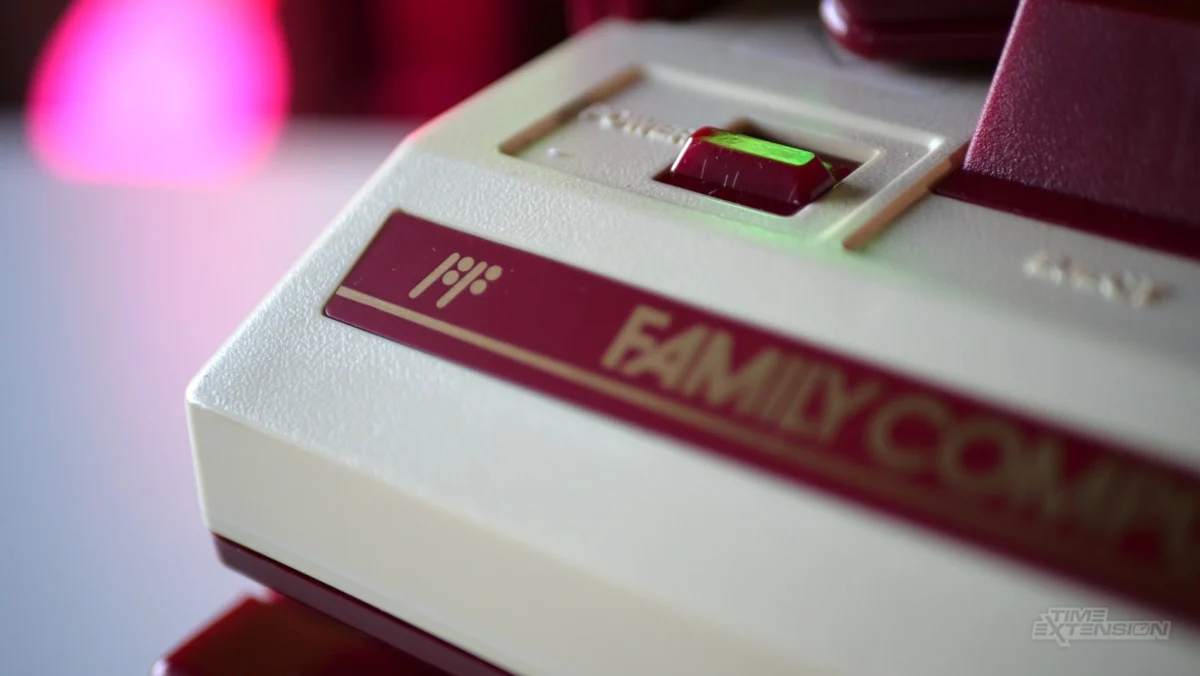
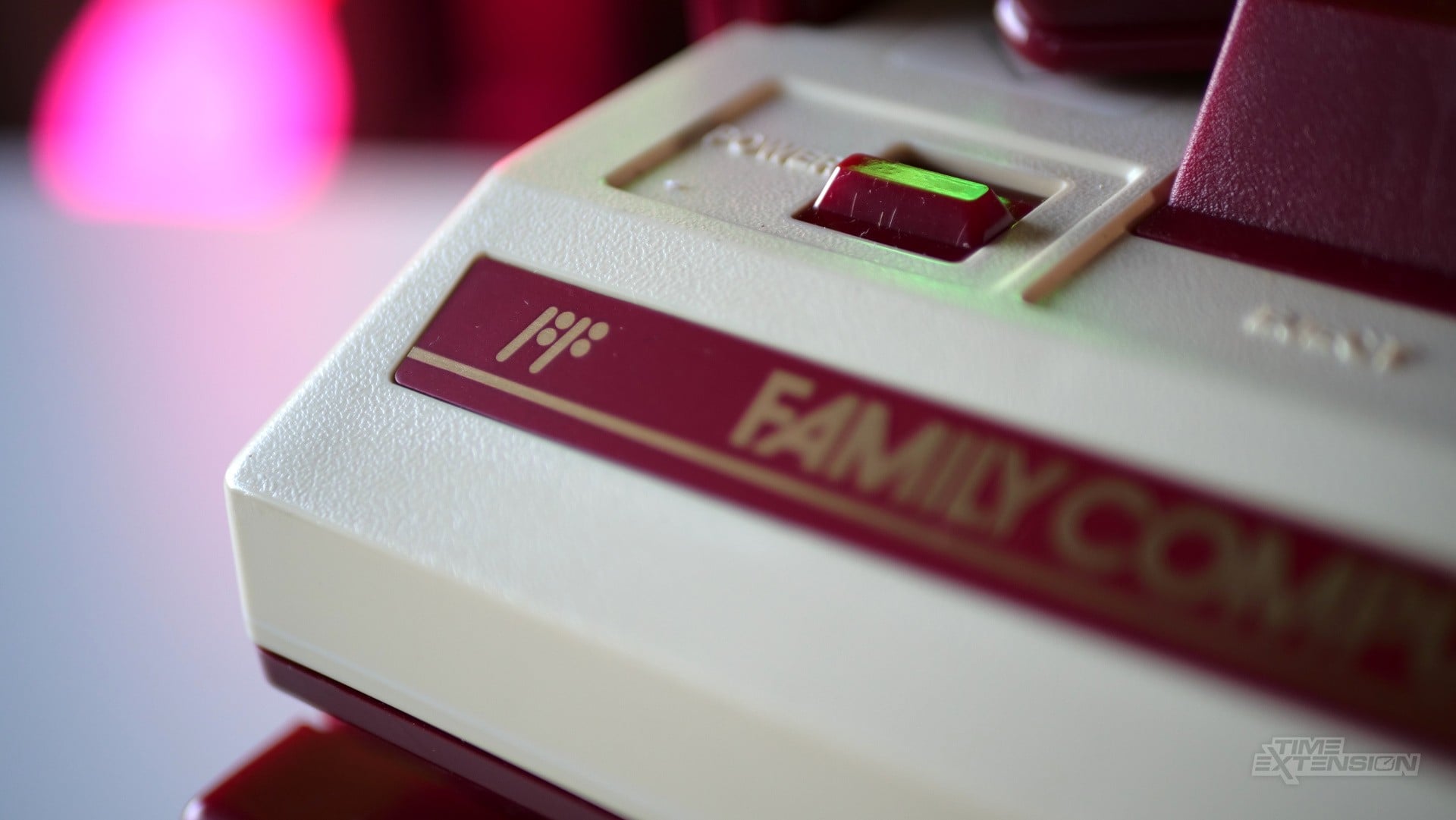
The prevailing narrative surrounding the Nintendo Famicom’s monumental success often paints a picture of unwavering corporate conviction and a foregone conclusion of triumph. However, recent recollections from Hirokazu "Hip" Tanaka, a pivotal figure in the console’s development, challenge this popular perception, revealing an internal atmosphere far removed from triumphant certainty. As Nintendo celebrates the Famicom’s 43rd anniversary, Tanaka’s insights shed light on a company navigating a tumultuous market, making strategic shifts not out of supreme confidence, but from a pragmatic sense that "there was no other path but this one."
Tanaka, now better known as Chip Tanaka, shared these candid thoughts on Twitter/X, offering a rare glimpse into the palpable uncertainty that permeated Nintendo’s halls in the lead-up to the Famicom’s release in 1983. As the developer intimately involved with the Famicom’s internal sound chip, his perspective is uniquely positioned to capture the mood of the hardware development team. His account debunks the myth of preordained success, suggesting that one of the most iconic pieces of gaming hardware in history was born less from visionary zeal and more from strategic necessity in a rapidly evolving, and at times collapsing, industry.
Nintendo’s Pre-Famicom Trajectory: A History of Adaptability and Innovation
To fully appreciate Tanaka’s revelations, it is crucial to contextualize Nintendo’s corporate journey leading up to the Famicom. Founded in 1889 as a hanafuda (Japanese playing cards) manufacturer, Nintendo had a long history of adapting to changing markets. By the mid-20th century, it had experimented with various ventures, from love hotels to taxi services, before finding its footing in the toy industry in the 1960s. This period saw the rise of innovators like Gunpei Yokoi, who created the immensely popular Ultra Hand toy, signaling Nintendo’s nascent foray into electronics.
The 1970s marked Nintendo’s definitive pivot into electronic entertainment, first with light gun games and then arcade cabinets. The late 1970s and early 1980s were Nintendo’s golden age in the arcade market, spearheaded by the global phenomenon Donkey Kong, released in 1981. Designed by a young Shigeru Miyamoto, Donkey Kong not only introduced Mario (then "Jumpman") to the world but also established Nintendo as a formidable player in the nascent video game industry. Its commercial success was staggering, generating hundreds of millions of dollars and proving Nintendo’s ability to create compelling, marketable digital experiences.
However, even with arcade triumphs, Nintendo recognized the inherent volatility and saturation of the arcade business. The continuous need for new, innovative titles to draw players, coupled with the rising costs of manufacturing and distribution, made it a high-risk, high-reward endeavor. This realization was a significant driver behind the company’s eventual shift towards home entertainment, seeking a more stable and scalable market.
The Game & Watch Era: A Bridge to Home Gaming
Before the Famicom, Nintendo made a crucial stride into consumer electronics with the Game & Watch series. Conceived by Gunpei Yokoi, these handheld electronic games, first released in 1980, capitalized on the burgeoning market for portable entertainment. Each unit typically featured a single game and also functioned as a clock, hence the "Game & Watch" moniker. Their simplicity, affordability, and portability made them an instant hit. By 1983, the series had sold over 43 million units globally, establishing Nintendo as a leader in handheld electronic devices and providing invaluable experience in mass-producing consumer electronics.
Tanaka’s recollections confirm the significance of this period. He noted how, within three years of his joining Nintendo, his superior highlighted the "booming sales of the Game & Watch" as a primary reason for the company’s strategic decision to "pull out of the arcade market." This wasn’t merely a casual observation; it was a clear signal of a corporate pivot. Yet, as Tanaka describes, this strategic redirection lacked the enthusiastic conviction one might expect from such a successful company. Instead, it felt like a pragmatic retreat, a realization that the company was cornered and had to seek new horizons.
The Looming Shadow of the Atari Shock (1983): A Market in Turmoil
The feeling of being "cornered" was exacerbated by the dramatic events unfolding in the Western video game market. The year 1983, the same year the Famicom launched, saw the full impact of what became known as the Atari Shock or the North American video game crash. This catastrophic downturn was caused by a confluence of factors: market saturation due to an explosion of consoles (Atari 2600, Intellivision, ColecoVision, Odyssey2), a flood of low-quality, shovelware titles (epitomized by E.T. the Extra-Terrestrial and Pac-Man for the Atari 2600), and fierce competition from increasingly affordable home computers like the Commodore 64 and Apple II.
The crash led to a precipitous decline in video game sales, plummeting from $3.2 billion in 1982 to just $100 million by 1985. Major players like Atari faced immense financial losses, layoffs, and a loss of consumer trust. Retailers, burdened with unsold inventory, drastically reduced shelf space for video game products. This unprecedented market collapse created an incredibly hostile environment for any company contemplating a new home console.
For Nintendo, observing this chaos from Japan, the Atari Shock served as both a cautionary tale and a paradoxical reinforcement of their decision. While the home console market in the West was in ruins, the alternative – remaining solely in the volatile arcade sector – seemed equally perilous. The crash, rather than deterring them, solidified the idea that if they were to enter the home market, they had to do it differently, with an absolute focus on quality control and a compelling value proposition. It was a stark reminder that innovation and strategic differentiation were not just desirable, but essential for survival.
The Famicom’s Genesis: A Path of Necessity, Not Pure Conviction
Against this backdrop of market uncertainty and internal pragmatism, the Famicom project took shape. Tanaka’s memories paint a vivid picture of a development process driven by immediate challenges rather than grand visions. "Not everyone was brimming with confidence and imagining a brilliant future ahead of such an epoch-making event," he recounted. Instead, the team felt they were "grinding through the immediate challenges one by one, feeling increasingly cornered." The idea of a "gaming computer" was discussed, but without the "excitement" or hype seen in modern product launches.
This sentiment of "no other path" suggests that the Famicom was, in many ways, a defensive maneuver. Nintendo’s leadership, particularly Hiroshi Yamauchi, the visionary president, recognized the need to secure a foothold in the rapidly evolving home entertainment space. Masayuki Uemura, the lead architect of the Famicom, was given a clear mandate: design a powerful, yet affordable, home console. The project was code-named "Game & Watch on a TV," reflecting its roots in the successful handhelds and the ambition to translate that success to the living room. The development was not characterized by bold pronouncements of a revolution, but by diligent problem-solving under pressure.
The Lean, Young Team Behind a Revolution
Perhaps one of the most striking aspects of Tanaka’s revelations concerns the composition of the Famicom’s development team. He notes that "The in-house development team working on the Famicom hardware was mostly centred around people in their mid-20s to late 20s, and you could count them on one hand (excluding folks from partner companies)." He described this small, youthful group as "innocent and carefree," feeling as though the project was more like an "extracurricular activity."
This detail is profoundly significant. A small, young team often implies several things:
- Agility and Efficiency: Fewer layers of bureaucracy and quicker decision-making.
- Fresh Perspectives: Less constrained by established industry norms or past failures, allowing for more innovative solutions.
- Intense Camaraderie: A tight-knit group working under pressure often fosters strong bonds and a shared sense of mission, even if that mission is born of necessity.
- Resourcefulness: With limited personnel, each member likely took on multiple responsibilities, encouraging versatility and a deep understanding of the entire system.
The "extracurricular activity" description, while seemingly lighthearted, could also hint at a lack of formal corporate oversight or perhaps a lower initial expectation from higher management, allowing the team greater freedom to experiment and iterate. This youthful energy and relative autonomy might have been a hidden asset, enabling the team to focus intently on the hardware’s core functionality and user experience without the burden of excessive corporate scrutiny that might accompany a "guaranteed" blockbuster project.
Crafting the Core: Sound and Hardware Innovation

As the developer of the Famicom’s internal sound chip, Tanaka’s contribution was fundamental to the console’s identity. In an era where graphical capabilities were limited, sound played an even more critical role in conveying atmosphere, feedback, and emotional depth in games. The Famicom’s Ricoh 2A03 CPU, which also handled sound generation, was capable of producing five distinct sound channels: two pulse waves, one triangle wave, one noise generator, and one DPCM (Delta Pulse Code Modulation) channel for sampled sounds. This architecture, while rudimentary by today’s standards, offered significant versatility for its time, allowing composers like Tanaka to craft iconic soundtracks for games that would define a generation.
The hardware design itself, overseen by Uemura, emphasized durability and cost-effectiveness. Nintendo learned from the mistakes of competitors who had rushed poorly designed or unreliable hardware to market. The Famicom was designed to be robust, able to withstand the rigors of enthusiastic gameplay, and critically, easy to manufacture at a competitive price point of 14,800 yen (approximately $100 USD at the time). This focus on quality extended beyond the hardware, with Nintendo famously implementing strict quality control measures for all games released on the platform, a direct response to the "shovelware" that had plagued the Atari 2600.
The Famicom’s Launch and Initial Challenges (July 15, 1983)
The Famicom launched in Japan on July 15, 1983, with three arcade conversion titles: Donkey Kong, Donkey Kong Jr., and Popeye. Despite its promising technical specifications and attractive price, the initial launch was not without its hurdles. Early batches of the console suffered from a faulty chip, leading to system crashes. Nintendo, demonstrating a commitment to quality that would become its hallmark, swiftly recalled the affected units and replaced them free of charge. This proactive response, though costly, helped rebuild consumer trust and cemented Nintendo’s reputation for standing behind its products.
Following the recall, sales began to pick up rapidly. The console’s simple, intuitive design, robust build quality, and Nintendo’s strong library of first-party titles quickly distinguished it in the Japanese market. Its success paved the way for its eventual release in North America as the Nintendo Entertainment System (NES) in 1985, where it single-handedly resurrected the dying video game industry.
Beyond the Famicom: Tanaka’s Enduring Legacy at Nintendo
Hirokazu Tanaka’s journey at Nintendo did not end with the Famicom’s release. He candidly described his immediate post-Famicom assignment to Game & Watch development as a "bitter" experience, recounting it with a laugh. However, his 20-year career at Nintendo would see him become one of the company’s most celebrated composers and sound designers. He is arguably best known for creating the iconic soundtracks for seminal titles such as Metroid, Kid Icarus, Tetris, Mother, and EarthBound. His work defined the sonic landscape of countless Nintendo experiences, imbuing them with unique character and emotional resonance. Beyond composition, Tanaka also played a crucial role in the development of the Game Boy sound chip and the innovative Game Boy Camera, further solidifying his status as a key technical and creative force within the company.
Broader Implications: The Famicom as a Catalyst for a New Era
Tanaka’s recollections offer a valuable historical corrective, demonstrating that even groundbreaking success can emerge from a crucible of doubt and strategic necessity. The Famicom, far from being a project born of unbridled confidence, was a calculated risk, a "no other path" solution to an uncertain future. Its development under a small, young team, navigating the treacherous waters of the post-Atari Shock era, speaks volumes about Nintendo’s adaptability and resilience.
The Famicom’s eventual triumph had profound implications:
- Resurrection of the Home Console Market: In Japan, it established Nintendo as the dominant force, and its North American counterpart, the NES, famously revitalized the entire Western video game industry.
- Establishment of Quality Control: Nintendo’s stringent licensing policies and quality standards for third-party developers were a direct response to the Atari Shock, ensuring a higher caliber of games and rebuilding consumer trust.
- Shift in Corporate Strategy: The Famicom marked Nintendo’s definitive shift from arcade manufacturer to a global leader in home and portable entertainment, a trajectory that continues to this day.
- Cultural Phenomenon: The console became a cultural touchstone, introducing generations to characters like Mario and Zelda and laying the groundwork for modern gaming as we know it.
The story of the Famicom, as revealed by Hirokazu Tanaka, is not just a technical history but a human one – a testament to the ingenuity, perseverance, and strategic acumen of a company and its small, dedicated team who, despite not "brimming with confidence," nevertheless forged a brilliant future out of what felt like their only viable path. It serves as a powerful reminder that some of the greatest innovations are born not from absolute certainty, but from a determined effort to navigate immediate challenges and seize opportunities in the face of daunting odds.