Ganda Hendra Perkasa
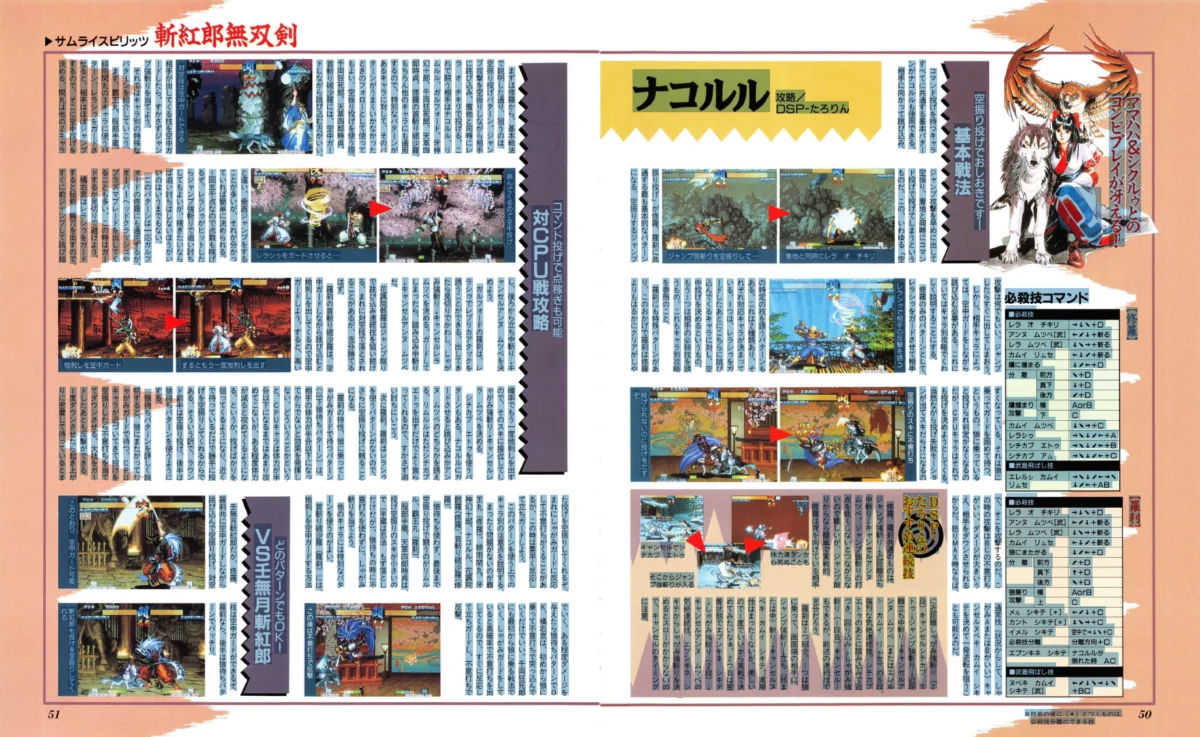
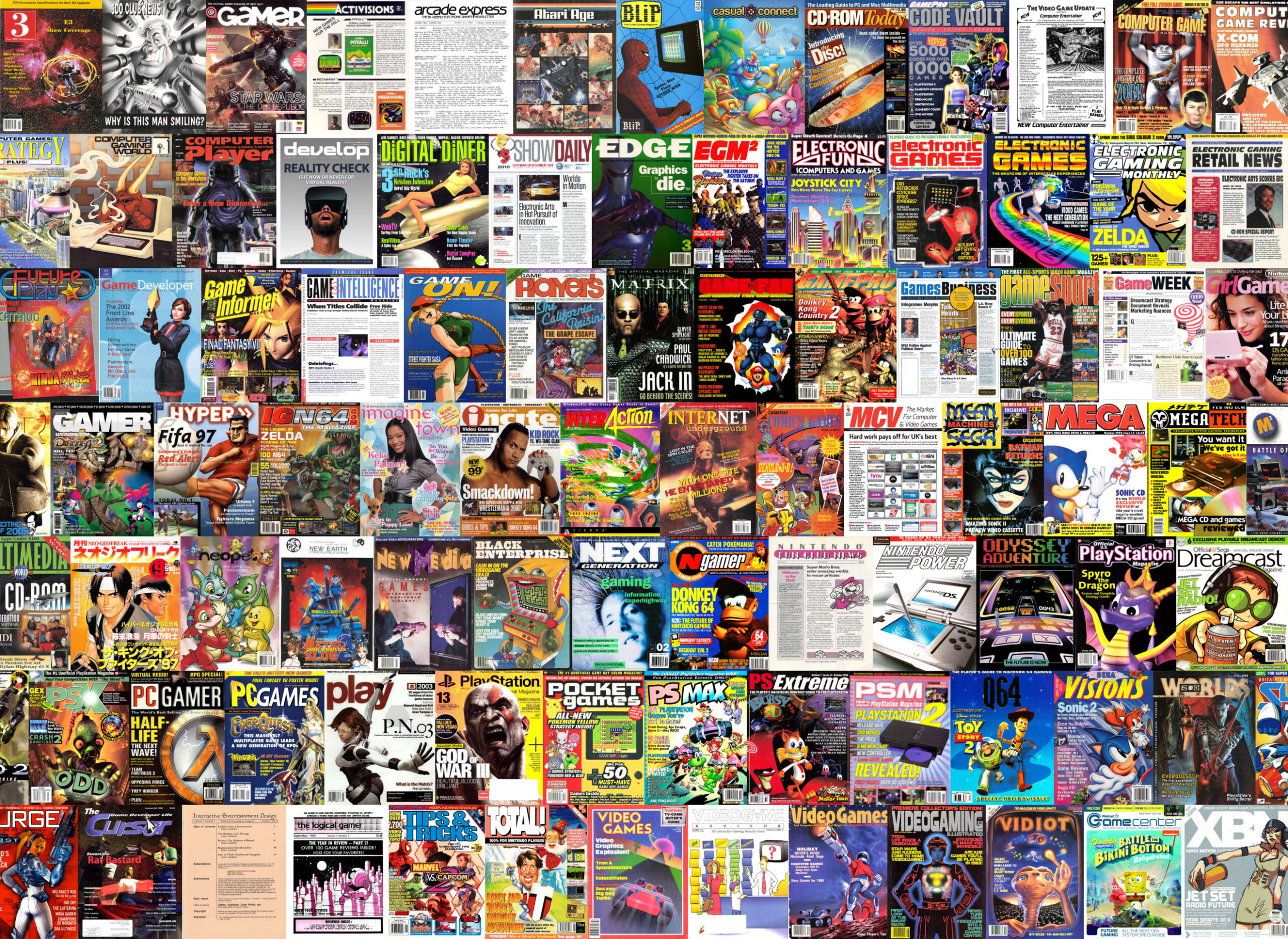
The landscape of interactive entertainment preservation has achieved a significant milestone as the Video Game History Foundation announced the expansion of its digital archive to encompass more than 5,000 out-of-print gaming magazines, totaling approximately 600,000 pages of historically significant material spanning a 46-year timeline from 1981 through 2026. This comprehensive expansion represents roughly 60 percent of the foundation’s total physical magazine holdings cataloged to date. Alongside this massive scaling of its English-language database, the foundation has officially launched a pilot program to introduce Japanese-language publications into its research library, beginning with the complete run of the 1990s publication Neo Geo Freak. This strategic development addresses a critical historical gap by opening access to primary source materials, rare developer interviews, and localized player culture that have historically remained inaccessible to Western researchers and historians.
The journey of the digital archive began modestly over a year and a half ago when the institution unveiled its initial collection of 1,500 text-searchable, out-of-print periodicals designed to provide free access for academic and journalistic research. In the months following that inaugural launch, collaborative efforts with community-run scanning projects have more than tripled the repository’s physical footprint. The newly integrated material equates to nearly 100 vertical feet of conventional library shelf space, transforming what was once a localized physical collection into a globally accessible, text-searchable research utility. Major additions to the catalog include specialized trade magazines that document the behind-the-scenes business machinations of the industry, historically influential newsletters such as Computer Entertainer, and targeted niche community publications that catered to specific demographic subsets of early gamers.
The transformative utility of this growing repository has already manifested within academic and reference spaces. Most notably, the foundation’s digital archive has rapidly emerged as the preferred reference source for out-of-print gaming periodicals on Wikipedia, accumulating over 500 citations since its inception. This rapid integration into mainstream research platforms underscores a broader industry hunger for verified, primary-source documentation regarding the medium’s formative decades. By converting fragile, disintegrating print media into robust, digitally searchable data, the foundation has mitigated the perpetual threat of media decay that has long plagued the video game preservation sector.
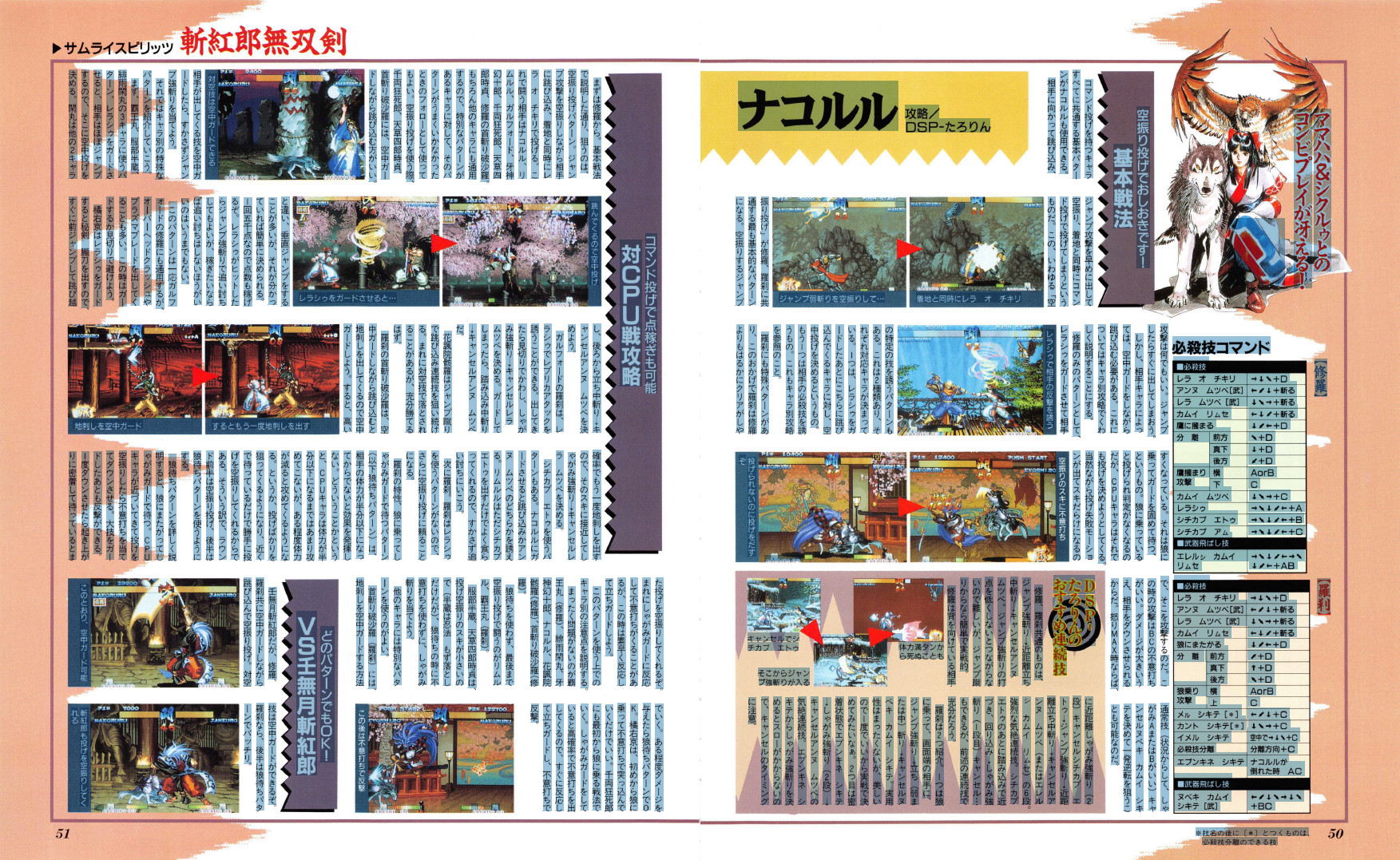
Building upon user feedback and analytical demand, the institution’s leadership directed its focus toward international media, identifying Japanese-language publications as the most vital missing link in comprehensive video game scholarship. Japanese print media from the 1980s, 1990s, and 2000s frequently served as the exclusive outlet for intimate developer interviews, post-mortems, and conceptual art that never found translation in Western markets. However, integrating these foreign-language documents presented formidable technical and linguistic hurdles. Unlike alphabetical scripts, Japanese typography utilizes complex vertical and horizontal alignments, variable character spacing, and kanji, hiragana, and katakana characters that standard Western optical character recognition software fails to process accurately.
To overcome these technical barriers, foundation staff collaborated extensively with professional Japanese archivists and software developers to identify superior transcription libraries. These specialized OCR tools were subsequently engineered into the repository’s existing mapping architecture. To verify the reliability of the system, the foundation enlisted fluent game history researchers to audit the outputs, resulting in what is believed to be the most accurate text-searchable Japanese-language integration within any institutional digital archive. Furthermore, to maximize utility for non-Japanese-speaking researchers without resorting to error-prone automated bulk translations, bilingual volunteers meticulously indexed major articles and interviews across the complete run of Neo Geo Freak, providing a reliable navigational framework while allowing users to apply their own translation workflows to the source text.
The inclusion of Neo Geo Freak—which covered SNK’s prominent home and arcade hardware from 1995 to 2000—serves as an ideal pilot case. Because Neo Geo hardware achieved disproportionately higher market penetration and cultural significance in Japan compared to North America and Europe, the magazine offers sustained, localized coverage that is entirely absent from Western gaming journalism. The physical volumes themselves were acquired through a combination of a generous donor who provided the complete magazine run and high-quality scans previously completed by digital preservationists operating under the moniker Japanese Magazine Scans.
Accommodating these non-English resources necessitated substantial infrastructural upgrades to the underlying archive platform. Engineers implemented advanced filtering capabilities to sort items by language, integrated native right-to-left page-turning layouts to match traditional reading formats, and adjusted search algorithms to process continuous Japanese text strings devoid of standard Western interword spacing. Additionally, existing Japanese promotional materials within the repository—such as rare documentation originating from FromSoftware—were re-processed to comply with these rigorous new indexing standards.
This expansion arrives at a critical juncture for digital preservation, a field historically constrained by legal ambiguities, funding deficits, and the sheer physical degradation of print media. Historically, independent preservationists have operated in legal gray areas, often facing cease-and-desist orders or copyright enforcement actions from corporate entities that no longer actively monetize or publish these legacy magazines. By establishing institutional frameworks, partnering with community scanning collectives, and providing free, non-commercial research access, organizations like the Video Game History Foundation aim to establish a sustainable, legitimate pathway for cultural heritage preservation that satisfies academic standards while respecting the historical integrity of the material.
The implications of this archive expansion extend far beyond academic curiosity, offering vital empirical data for game developers, legal scholars studying intellectual property evolution, and sociologists analyzing the globalization of youth culture. As interactive entertainment matures into a multi-billion-dollar cultural juggernaut, the ability to trace the iterative design philosophies, marketing strategies, and critical reception of classic titles relies entirely on the preservation of contemporary journalism. Prior to the existence of centralized digital databases, verifying the historical context of a 1990s Japanese release required physical access to rare, imported print copies held in private collections or specialized university libraries, effectively gatekeeping deep historical research.
Looking forward, the Video Game History Foundation views the successful integration of Neo Geo Freak as merely the foundational stepping stone for a much broader international archiving initiative. Foundation leadership has already expressed ambitions to acquire and process an additional batch of approximately 70,000 pages of international print media in the coming years. However, scaling this operation will require sustained community collaboration, particularly from bilingual volunteers willing to assist with indexing and cataloging future acquisitions, as well as potential partnerships with larger institutional collectors possessing extensive foreign-language libraries.
The realization of this project was heavily dependent on the specialized expertise of a dedicated coalition of community volunteers, including Brian Clark, Rob Curl, Misty De Mééo, Dave Fishel, Akito Inoue, Stef "pidgezero_one" Kischak, Lillian McIntyre, Stephen Meyerink, and Adria Miller. Their contributions underscore a broader cultural shift within digital preservation, wherein decentralized enthusiast communities and formal cultural institutions increasingly pool their resources to rescue endangered media from permanent obscurity.
As the foundation evaluates the success of its Japanese-language pilot, administrators have opened channels for public critique and academic feedback, actively soliciting evaluations from researchers who routinely utilize foreign-language primary sources. This responsive development model ensures that subsequent digitization phases will align directly with the practical needs of the scholarly community. By steadily bridging the gap between ephemeral consumer journalism and permanent historical record, the Video Game History Foundation continues to fortify the intellectual infrastructure required to study and understand the medium of video games for generations to come.