Cecilia Chamidah Nur
The landscape of retro gaming is continually reshaped by a vibrant community dedicated to preserving and enhancing vintage hardware, with a recent innovation offering a compelling bridge between past and present: a modification kit that transforms the classic Game Boy Advance (GBA) into a hybrid console akin to Nintendo’s modern Switch. This development not only breathes new life into a beloved handheld but also significantly broadens access to a treasure trove of Japan-exclusive titles, many of which have remained largely inaccessible to Western audiences due to language barriers and regional release strategies. This article delves into the intricacies of this GBA transformation and highlights five such hidden gems, emphasizing their cultural significance and gameplay innovation.
The Enduring Legacy of the Game Boy Advance: A Portable Powerhouse
Launched globally in 2001, the Game Boy Advance quickly established itself as a monumental leap in handheld gaming. Succeeding the monochrome Game Boy line, the GBA boasted a 32-bit processor, a larger color screen, and graphics capabilities often likened to those of the Super Nintendo Entertainment System (SNES). This "portable Super Nintendo" moniker was well-earned, as the device was capable of rendering detailed 2D sprites and complex animations, offering experiences previously confined to home consoles. Over its lifespan, the GBA sold over 81.5 million units worldwide, cementing its place as one of Nintendo’s most successful platforms.
Its appeal extended beyond its technical prowess. The GBA maintained backward compatibility with original Game Boy and Game Boy Color cartridges, ensuring a vast library of playable titles from day one. This feature alone made it an indispensable device for many gamers, bridging generations of Nintendo’s portable hardware. However, like many consoles of its era, regional differences in software releases meant that a significant portion of its library, particularly from Japan, never officially saw a Western release. These games, often rich in narrative, unique mechanics, or culturally specific humor, became sought-after curiosities, primarily accessible through emulation or costly import practices. The burgeoning retro gaming scene, fueled by nostalgia and a desire for digital preservation, has increasingly turned to hardware modifications to overcome these limitations.
The Hispeedido GBA-to-Switch Mod: Engineering a Seamless Experience
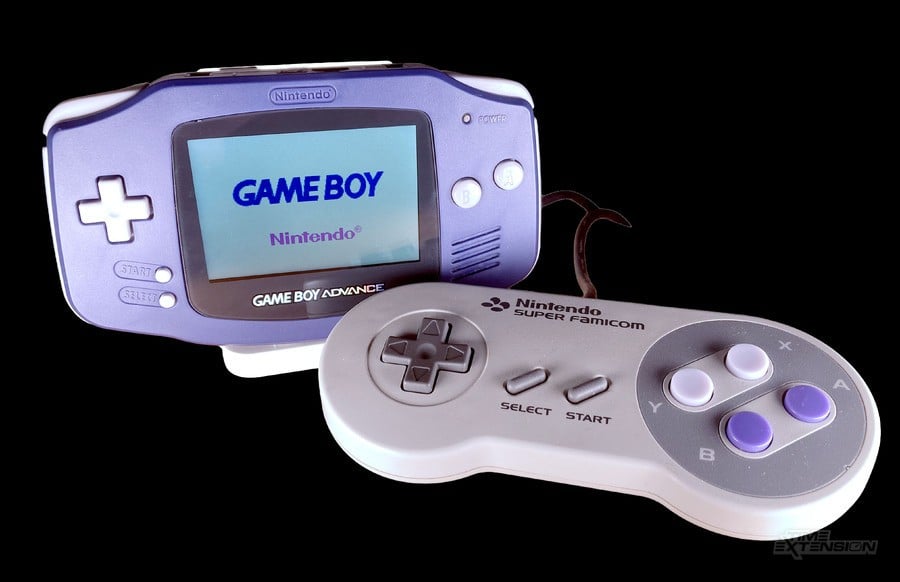
The recent introduction of a GBA modification kit by Hispeedido represents a significant advancement in retro hardware enhancement. Designed specifically for the original AGB-001 model, which features a horizontal form factor preferred by many over the later clamshell SP model, this kit effectively converts the GBA into a hybrid system. Its primary innovation lies in its docking station functionality, allowing the handheld to seamlessly switch between portable and TV-out modes, much like the Nintendo Switch.
The engineering behind such a mod is complex, requiring careful integration of modern display and connectivity technologies with vintage hardware. The kit incorporates an HDMI output, a feature absent from the original GBA, enabling players to connect their handheld to modern televisions, monitors, or capture cards. This is a critical development for content creators and streamers who wish to showcase GBA gameplay in high fidelity. Furthermore, the mod addresses several common concerns associated with retro console modifications. Early iterations of similar kits often suffered from incorrect aspect ratios, input lag, or inconvenient power management. However, the Hispeedido kit, benefiting from several revisions, boasts accurate aspect ratios for both Game Boy and Game Boy Advance titles, ensuring an authentic visual experience. Crucially, it allows batteries to remain in the GBA while docked, facilitating uninterrupted gameplay when transitioning from a TV screen back to handheld mode. This seamless "undock-and-go" capability is a hallmark of its design philosophy.
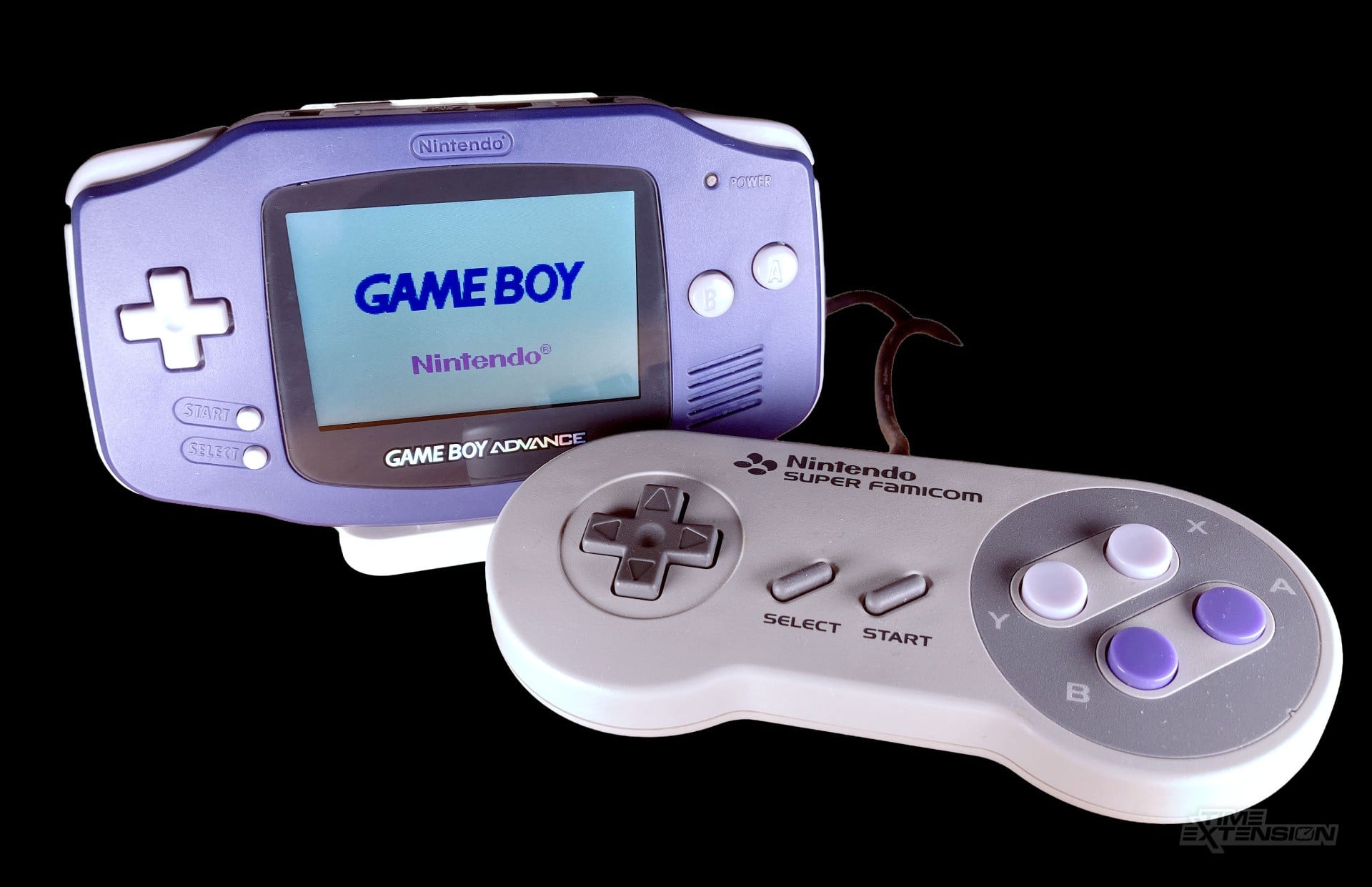
Input lag, a perennial concern for competitive and rhythm-based games, has been largely mitigated. The mod supports wired controllers, such as the Super Famicom controller, with no perceptible delay, and a variant of the dock even offers Bluetooth controller support, further enhancing versatility. While the installation process demands patience and some degree of technical aptitude, particularly for shell modifications, the resulting functionality justifies the effort for many enthusiasts.
Despite its innovative features, the mod does inherit some limitations from the original GBA hardware. The absence of a sleep mode, a standard feature in modern portables, means that while undocking is seamless, the GBA cannot be put into a low-power standby state. Additionally, some users have noted the dock’s lightweight construction, a minor ergonomic quibble that does not significantly detract from its overall utility but suggests an area for future refinement. Nevertheless, this mod significantly elevates the GBA’s utility, transforming it from a purely portable device into a versatile platform capable of meeting contemporary gaming demands.
A Deep Dive into Japan’s GBA Software Treasures
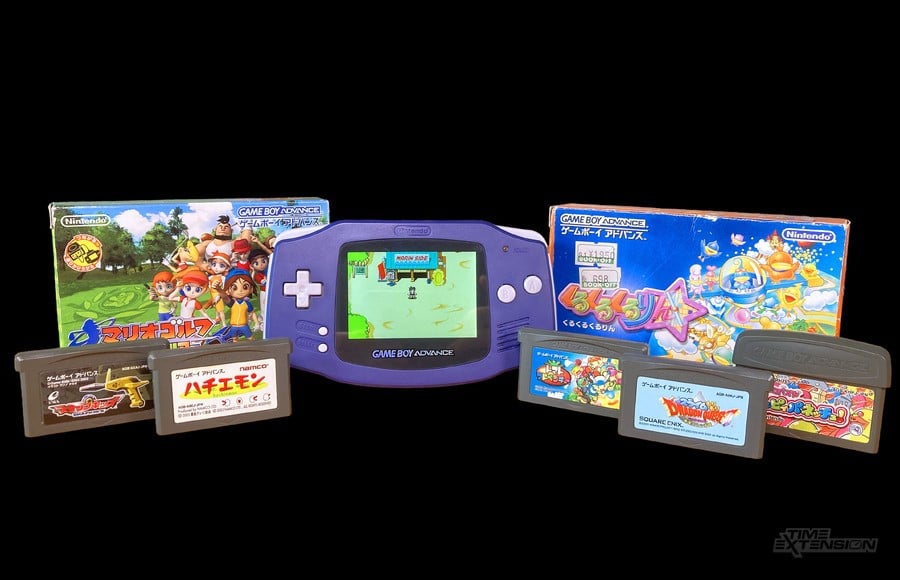
The ability to play GBA games on a large screen, combined with the efforts of the retro gaming community, has revitalized interest in titles that never crossed international borders. These games, often masterpieces in their own right, represent a diverse cross-section of genres and demonstrate the creative vibrancy of Japanese game development during the GBA era. For many, this mod provides the first truly accessible pathway to experience these "unsung gems."
Slime Mori Mori Dragon Quest: Shougeki no Shippo-dan (2003) – A Whimsical Action-Adventure Gem
Developer: Square Enix
Genre: Action Adventure
The Dragon Quest series, a titan in Japan’s RPG landscape, faced a challenging road to widespread recognition in the West. While later mainline entries found a dedicated audience, many spin-offs remained exclusive to Japan. Slime Mori Mori Dragon Quest: Shougeki no Shippo-dan, released in 2003, is a prime example. This charming action-adventure game stars Slyrin, a plucky slime embarking on a quest to rescue his family and fellow villagers from the mischievous Tail Gang.
The game’s premise is infused with the characteristic humor and warmth of the Dragon Quest universe. Slyrin’s unique elasticity allows for inventive gameplay mechanics, from busting open chests and walls to engaging in boss battles with varied and engaging quirks. Players navigate three expanding key areas, rescuing 100 companions through a blend of combat, puzzle-solving, and sub-tasks. While its challenge level is approachable, its whimsical charm and imaginative design have garnered significant praise among Japanese critics and players. The game also features subtle nods to the 2003 merger of Enix and Square, such as the character "Cid Moja," adding an extra layer of fan service. Its sequel, Dragon Quest Heroes: Rocket Slime, did receive a North American release on the Nintendo DS, underscoring the potential appeal of the Slime Mori Mori sub-series that the original GBA title was unfortunately denied internationally.
Tomato Adventure (2002) – The Quirky RPG Precursor to a Classic
Developer: Alpha Dream/Nintendo
Genre: RPG
Tomato Adventure, released in 2002, holds a unique place in the GBA’s RPG library, particularly for its connection to the critically acclaimed Mario & Luigi: Superstar Saga (2003). Developed by Alpha Dream, a studio that would later achieve international renown for the Mario & Luigi series, Tomato Adventure is often regarded as its spiritual antecedent, showcasing many of the innovative combat and whimsical design elements that would become hallmarks of their later work. The game received strong critical reception in Japan, with many fans lamenting the absence of a sequel following Alpha Dream’s unfortunate bankruptcy in 2019.
Set in the vibrant Ketchup Kingdom, players embark on a quest to rescue their girlfriend and repair a broken television, navigating through a world filled with robot parts and the enigmatic Gimmick Palace. Unlike many traditional RPGs of the era, Tomato Adventure features on-field enemy encounters à la Chrono Trigger, eliminating random battles. Its combat system is enriched with mini-games, requiring timed button presses and strategic input, a mechanic that would be refined and popularized in the Mario & Luigi series. While designed with a younger audience in mind and thus featuring a moderate difficulty, its engaging narrative and inventive gameplay ensure a high enjoyment factor for all ages. The recent inclusion of Tomato Adventure on the Nintendo Switch Online service in Japan is a testament to its enduring quality and the desire to make such cult classics accessible to a new generation, further highlighting the value of fan translation patches for Western audiences.
Hachiemon (2003) – Natsume’s Unconventional Mascot Platformer
Developer: Natsume/Namco
Genre: Platformer
Natsume, a developer known for its diverse portfolio ranging from Harvest Moon to various action titles, brought Hachiemon to the GBA in 2003. This platformer is a quintessential example of a game deeply rooted in Japanese popular culture, centered around Hachiemon, the distinctive egg-shaped mascot of Kansai Television from Osaka. Hachiemon, characterized by his prominent red lips, descended to Earth from a star, initiating a quirky adventure to retrieve the stolen lips of his friends.
The game’s mechanics revolve around Hachiemon’s unique abilities, utilizing his lips to swing across platforms, climb walls, defeat enemies, and even launch a boomerang. The action-platforming gameplay is inventive, though its initial tutorial, presented in Japanese, can be a hurdle for non-native speakers. The game’s charm, however, transcends language barriers through its expressive animations and the titular character’s exclamations. A significant portion of its humor derives from its use of the Kansai dialect, particularly Hachiemon’s frequent cry of "Akan!" (a Kansai equivalent of "terrible!" or "useless!"), which resonates deeply with Japanese audiences but poses a challenge for international localization. Hachiemon is a vibrant, exploratory platformer that offers a unique cultural immersion, rewarding players willing to embrace its distinct personality.
Snap Kids (2002) – The Strategic Photography Card Battler
Developer: Enix/Shougakkan
Genre: Card Battler
Released in 2002, Snap Kids is a fascinating blend of photography and card battling, co-developed by Enix and the Japanese publishing house Shougakkan. It clearly draws inspiration from the mechanics of Pokémon Snap, offering a unique take on the monster-collecting genre. Players assume the role of Shuto, who, alongside his friend Marin, joins the school’s Snap Club. Their primary tool is the "Snap Shooter" camera, used to photograph creatures known as Wonders. The timing and composition of these photographs are crucial, as they directly influence the creation of battle cards based on the Wonders’ attacks and behaviors.
The game features a compelling narrative where Shuto and Marin uncover a shadowy organization plotting to exploit Wonders, contrasting with the Snap Club’s philosophy of respecting these creatures. While an extensive initial tutorial can feel drawn out, it is conveniently accessible via an in-game computer, allowing players to revisit mechanics as needed. The combination of real-time photography, strategic card deck building, and turn-based battles creates a deeply engaging and unique experience on the GBA. Despite some minor quirks, such as the absence of diagonal movement on the field, Snap Kids is highly regarded in Japan for its originality. Unfortunately, no fan translation patch currently exists, making it a challenging but rewarding experience for Japanese learners. Its detailed text and strategic depth benefit immensely from the ability to play on a larger screen, as offered by the GBA mod.
Korokoro Puzzle Happy Panechu (2001) – Pioneering GBA Motion Control
Developer: Mobile 21/Nintendo
Genre: Puzzle
Nintendo has a storied history with motion controls, culminating in the Wii console. However, long before the Wii, the company experimented with motion-sensing technology in its handhelds. On the Game Boy Color, Korokoro Kirby (released as Kirby Tilt ‘n’ Tumble in the West) introduced tilt-based gameplay. The Game Boy Advance continued this innovation with Korokoro Puzzle Happy Panechu, released in 2001, though exclusively in Japan.
Panechu is a deceptively simple yet highly addictive puzzle game. Players physically tilt and roll their GBA to slide colorful "Panechu" creatures across the screen, aiming to match three or more to eliminate them, trigger combos, and build up a store of bombs for explosive chain reactions. The game features multiple play modes, including link-up cable capability for multiplayer action. The motion sensitivity can be adjusted, allowing players to fine-tune the controls to their preference. Mastering Panechu requires more than random tilting; it demands precise movements and strategic planning to build large combos and maximize bomb usage. This tactile and engaging experience foreshadowed Nintendo’s future embrace of motion controls as a core gameplay mechanic, showcasing the GBA’s often-underestimated capacity for innovative hardware integration within its cartridges.
The Broader Impact: Preservation, Accessibility, and the Future of Retro Gaming
The advent of sophisticated hardware modifications like the Hispeedido GBA-to-Switch kit represents more than just a novelty; it is a significant contribution to the broader retro gaming ecosystem. This mod, along with the dedicated efforts of the fan translation community, plays a crucial role in game preservation. By enhancing the original hardware and making it compatible with modern display technologies, it ensures that these classic titles remain playable and enjoyable for future generations, preventing them from being lost to time and technological obsolescence.
The implications extend to accessibility as well. For enthusiasts who prefer playing on original hardware rather than emulation, such mods provide a much-needed bridge. They offer a tangible, authentic experience while removing the barriers of small, unlit screens or the inability to record gameplay directly. Furthermore, by shining a light on Japan-exclusive titles, these efforts contribute to a more comprehensive understanding of gaming history and cultural exchange. They highlight the diversity of ideas and design philosophies that characterized the GBA era, enriching the global gaming narrative.
From an economic perspective, the modding community fuels a vibrant aftermarket for vintage consoles and specialized components. It also influences official efforts, as seen with Nintendo’s increasing willingness to rerelease classic titles through services like Nintendo Switch Online. The continued evolution of these community-driven innovations underscores a profound dedication to preserving gaming’s past while simultaneously shaping its future, ensuring that beloved classics, both celebrated and unsung, continue to captivate audiences for years to come.