Hartono Sudibyo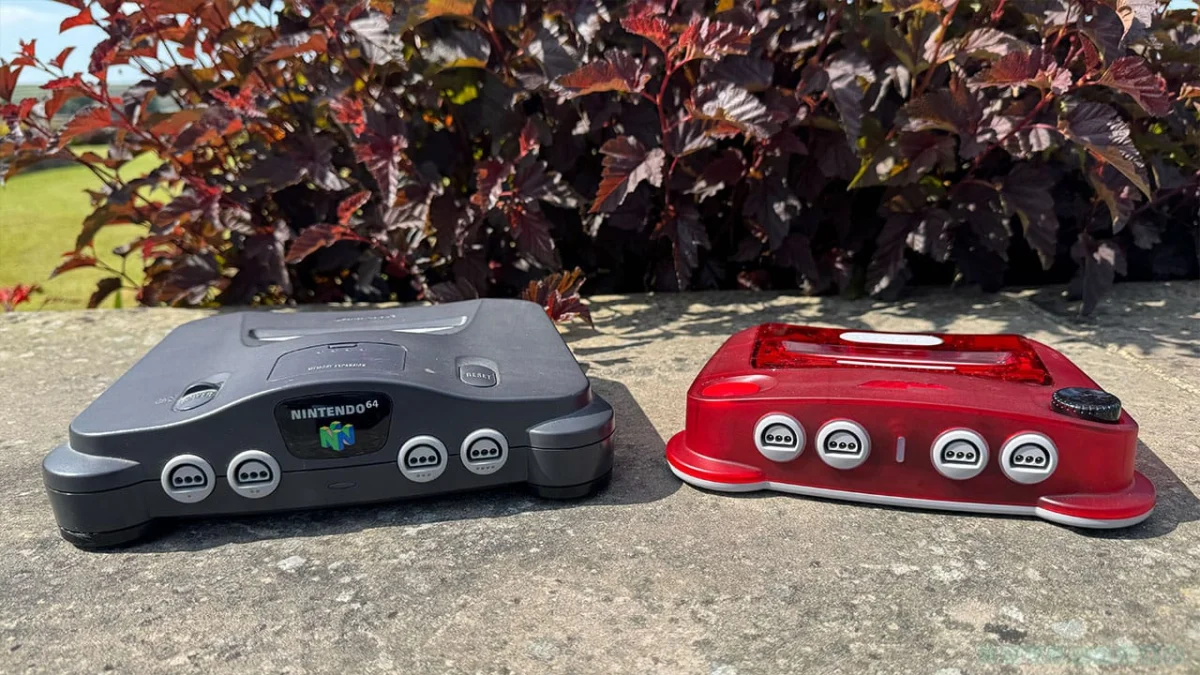
The enduring legacy of the Nintendo 64, a console that defined a generation of gamers, continues to inspire new hardware innovations. For many, the N64 was more than just a gaming machine; it was a formative experience that shaped childhoods and fostered a deep passion for interactive entertainment. This sentiment is precisely what ModRetro aims to capture with its upcoming M64 console, a device that promises to deliver the beloved N64 experience with modern enhancements, allowing players to rediscover their favorite titles with a fresh perspective.
For an extensive period, the M64 has been undergoing rigorous testing and refinement. This comprehensive review dives deep into the console’s features, design, and performance, offering an in-depth look at what the M64 brings to the table for retro gaming enthusiasts. For the purpose of this review, a pre-production unit of the M64 was utilized, with ongoing wireless firmware updates providing insights into the evolving capabilities of the console. ModRetro has assured that any issues identified during this testing phase will be addressed and ironed out for the final retail release, ensuring a polished experience for consumers.
A Nostalgic Vision Reimagined: The M64 Console
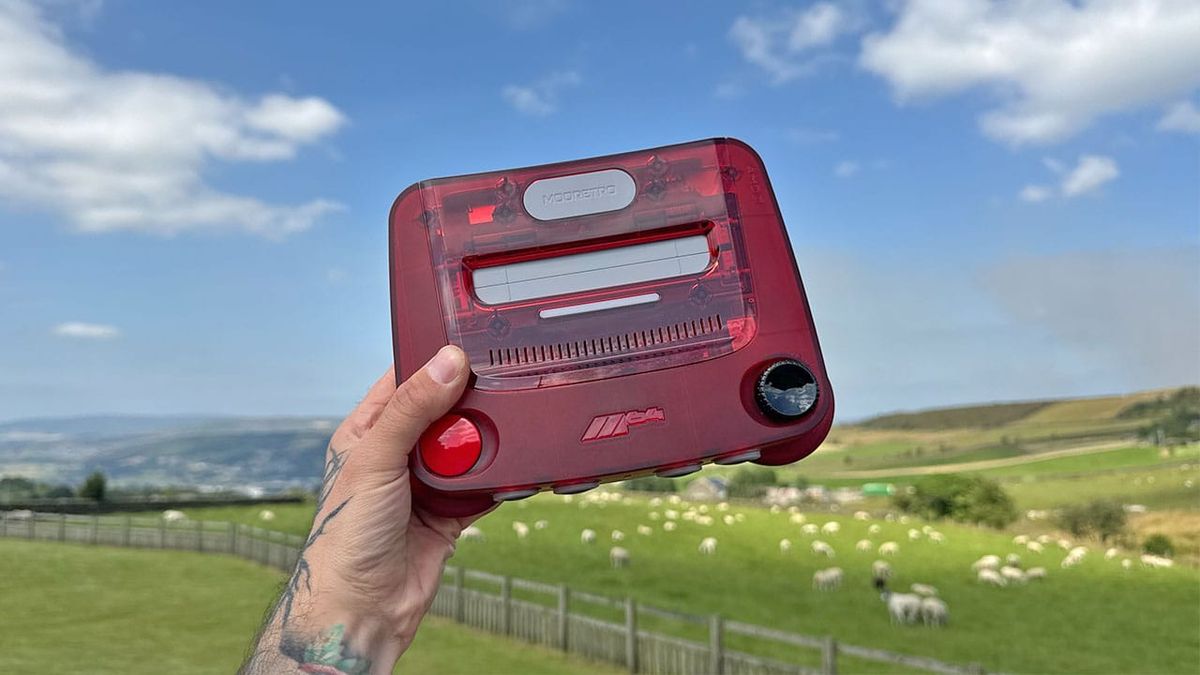
The M64 presents a compelling vision of what a modernized Nintendo 64 could be. Its design successfully blends retro charm with contemporary aesthetics, exuding a sense of fun while boasting the power to render classic N64 games on high-definition 4K televisions. The console’s stylish yet playful appearance evokes a sense of childlike wonder, a feeling that has persisted even into adulthood for many who grew up with the original N64. With a robust game compatibility list and a roadmap for future updates and features, the M64 is poised to usher in a new era of N64 gaming.
Unboxing the M64: Thoughtful Packaging and Global Ready
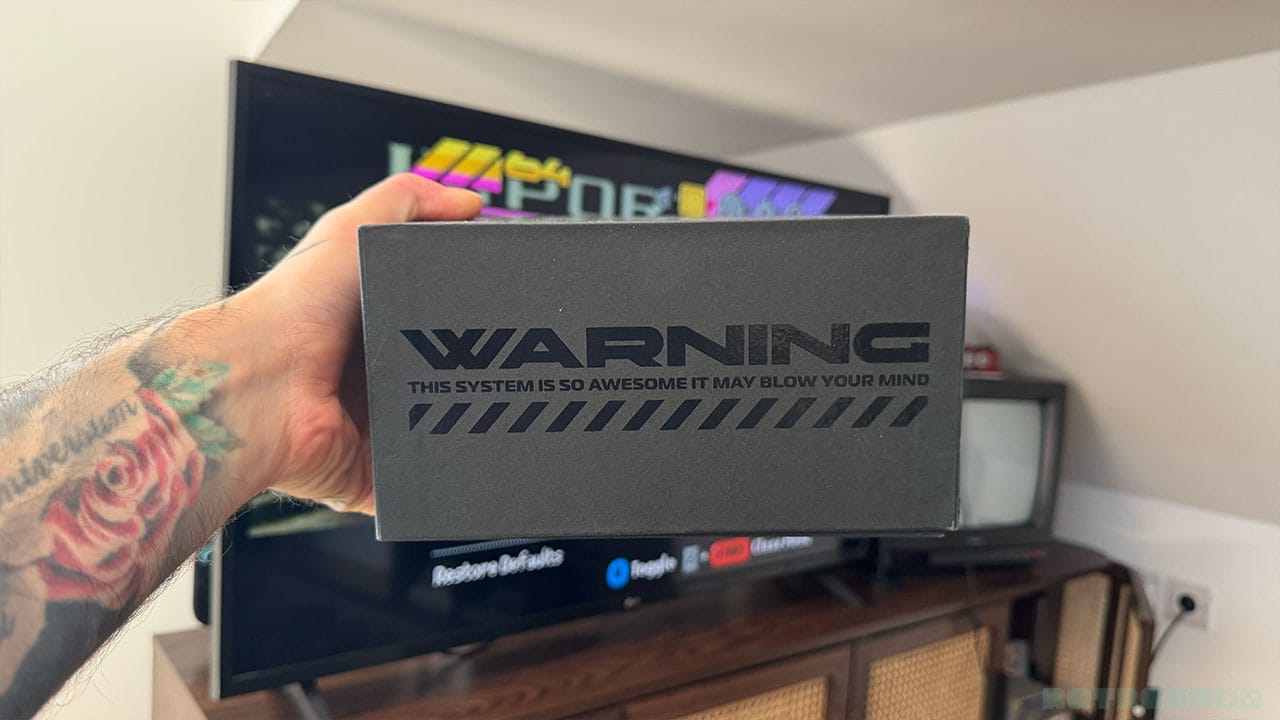
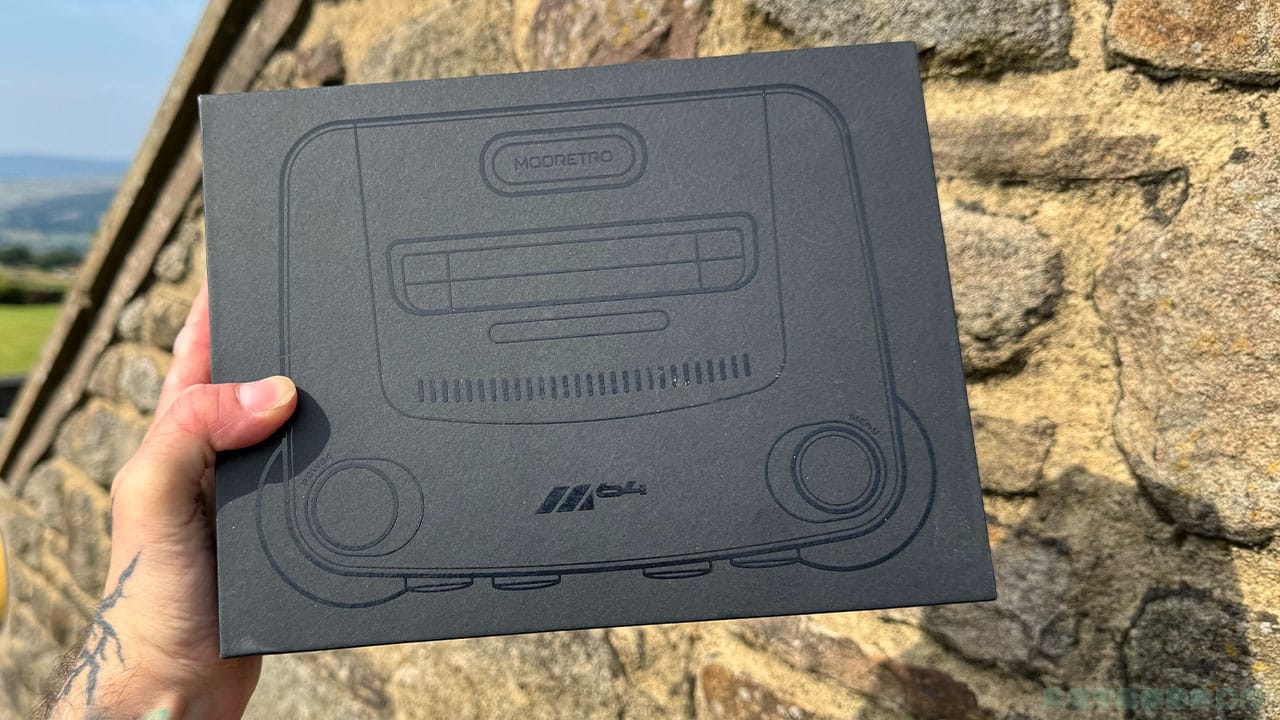
The M64 arrives in a compact and thoughtfully designed box, eschewing ostentatious packaging for a more practical approach. The interior is well-padded, ensuring the console’s safety during transit. A playful warning on the side of the box, suggesting the system’s sheer awesomeness might "blow your mind," echoes the tongue-in-cheek marketing of classic gaming magazines, adding a layer of nostalgic charm.
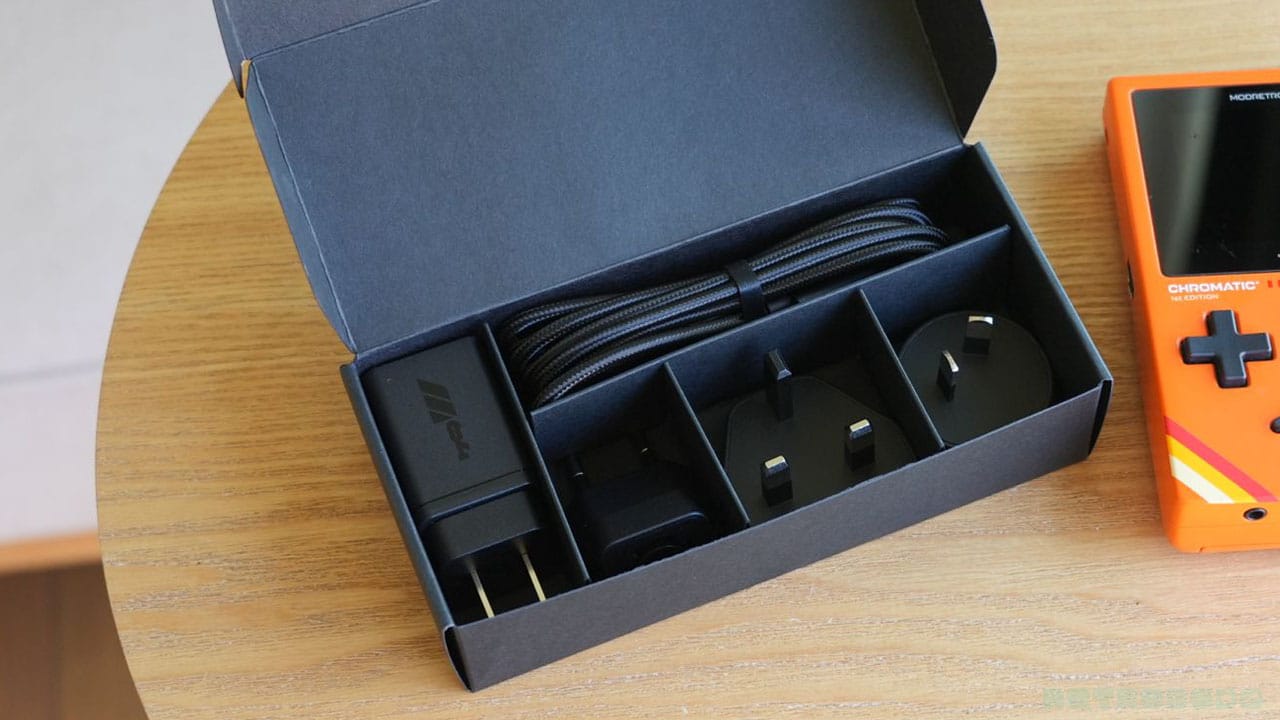
A significant aspect of the M64’s international appeal is its power adapter. ModRetro has included a versatile USB power plug with interchangeable adapter ends for various regions. This thoughtful inclusion eliminates the need for users to hunt for region-specific power supplies, a common inconvenience with other retro consoles. A USB cable is provided for power, though an HDMI cable is notably absent, a decision likely based on the widespread availability of such cables among consumers.
Console Design and Features: A Blend of Classic and Modern
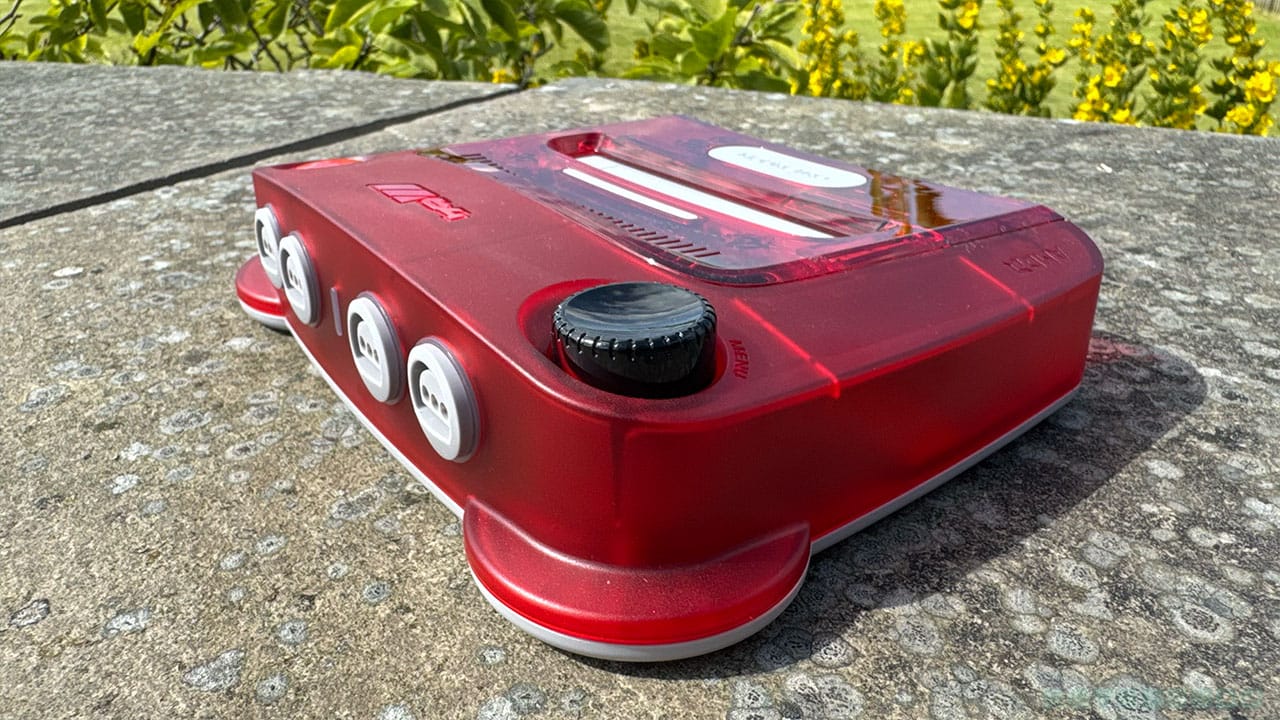
The M64’s aesthetic is a standout feature, drawing immediate comparisons to its iconic predecessor. The console’s rounded front, reminiscent of the original N64’s design elements, gives it a whimsical, almost anthropomorphic quality, akin to a friendly creature. This playful design choice contributes to the overall sense of fun and approachability.
Familiar Ports, Enhanced Indicators
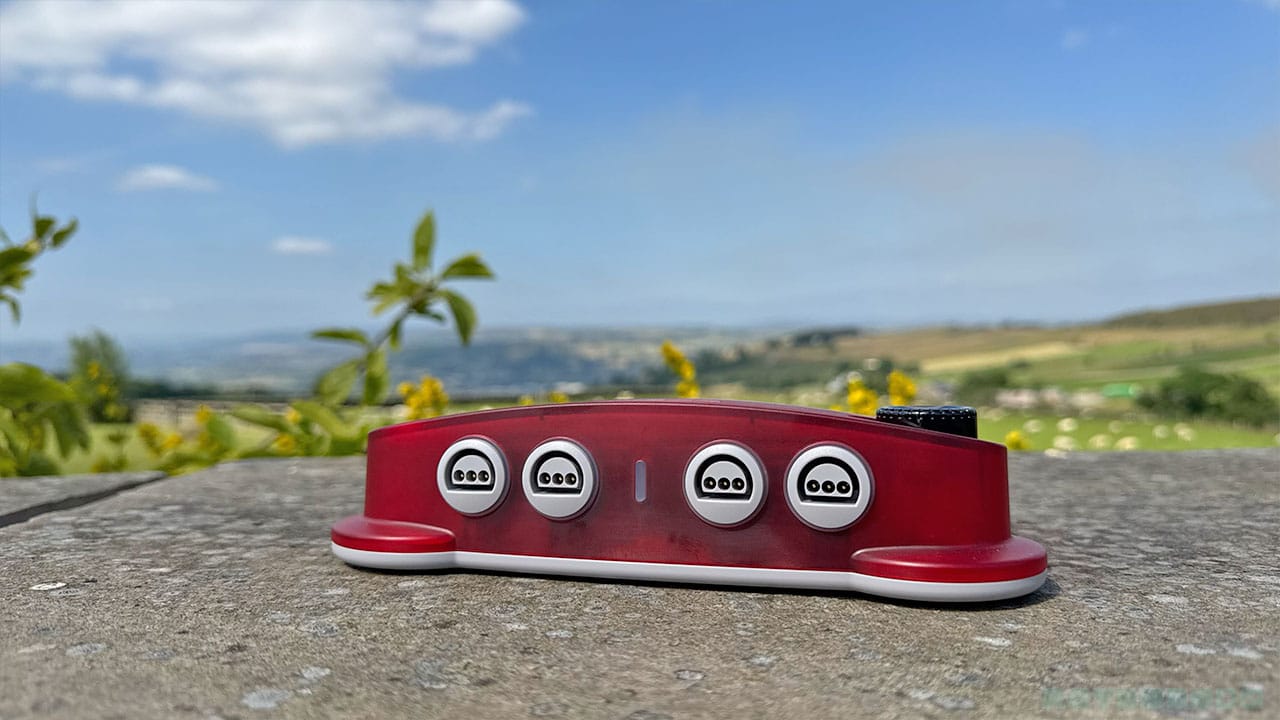
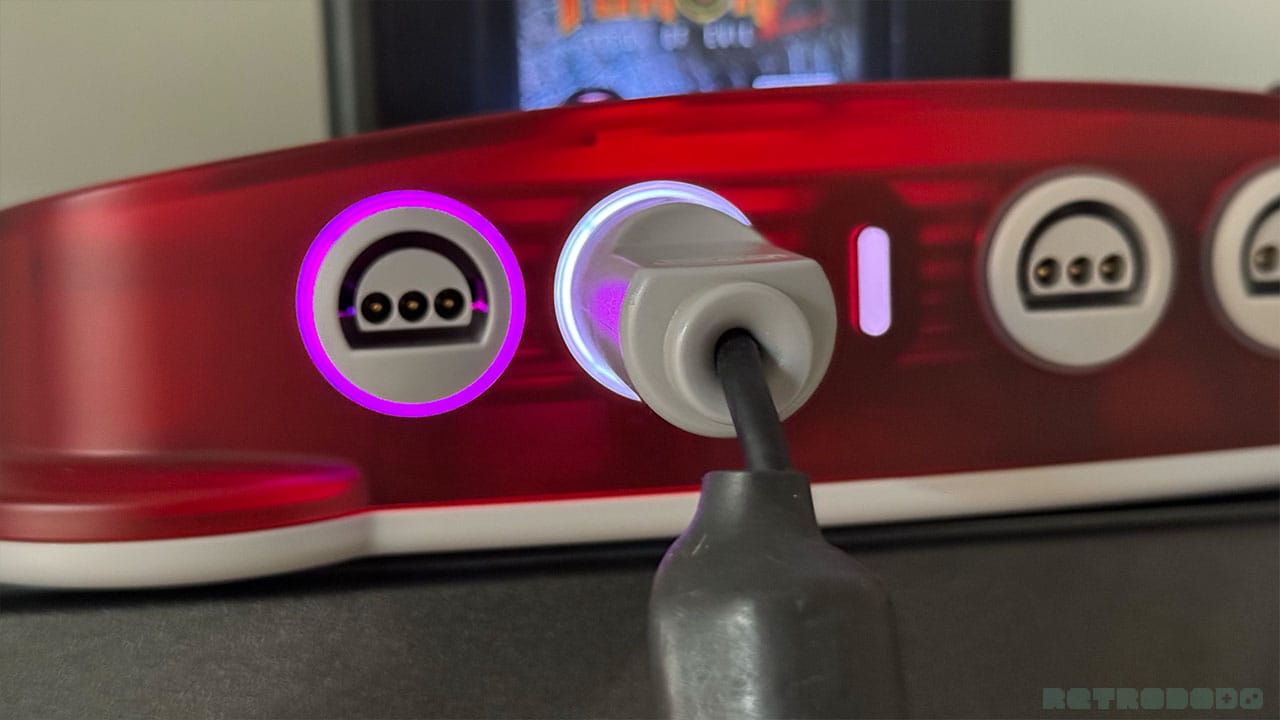
The front of the M64 features four controller ports, closely resembling those on the original N64. However, ModRetro has introduced a subtle but significant upgrade: LED rings around each port. These rings provide visual feedback on controller status, glowing purple for wireless controllers and white for wired connections. This feature offers a clear indication of connectivity, a welcome addition for managing multiple controllers. It is important to note that if a wired controller is plugged into a port already connected to a wireless controller, the wired connection will automatically take precedence.
Innovative Control and Power Management
A unique tactile feature is the console’s integrated turn wheel. This allows users to navigate menus and adjust settings directly on the console, without needing to use a controller. Pushing the wheel down selects options, while turning it allows for scrolling or parameter adjustments. This is particularly useful for initial controller setup or for making quick changes from a seated position, reminiscent of the casual gaming sessions of the past.
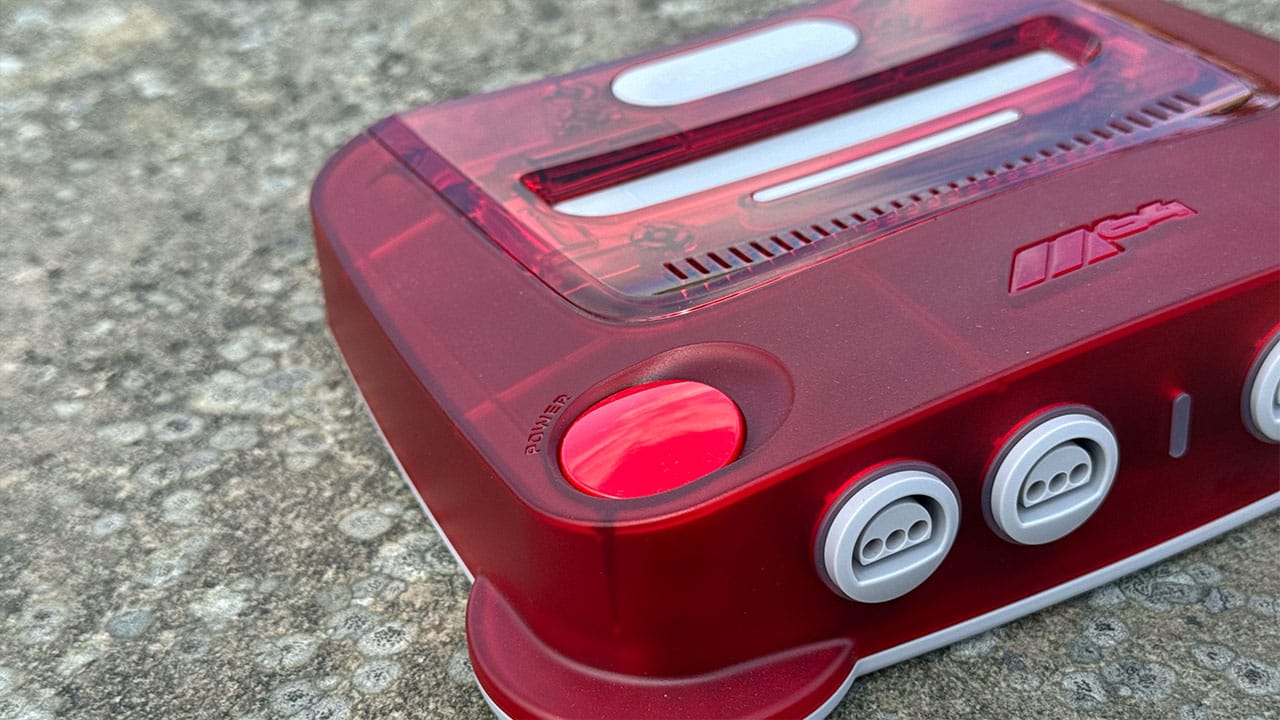
Replacing the N64’s traditional power switch is a prominent, solid-colored power button. A short press serves as a game reset function, while a longer press powers the console down. This tactile and visually distinct button adds to the console’s modern appeal.
The Cartridge Slot: A Spotlight for Your Games
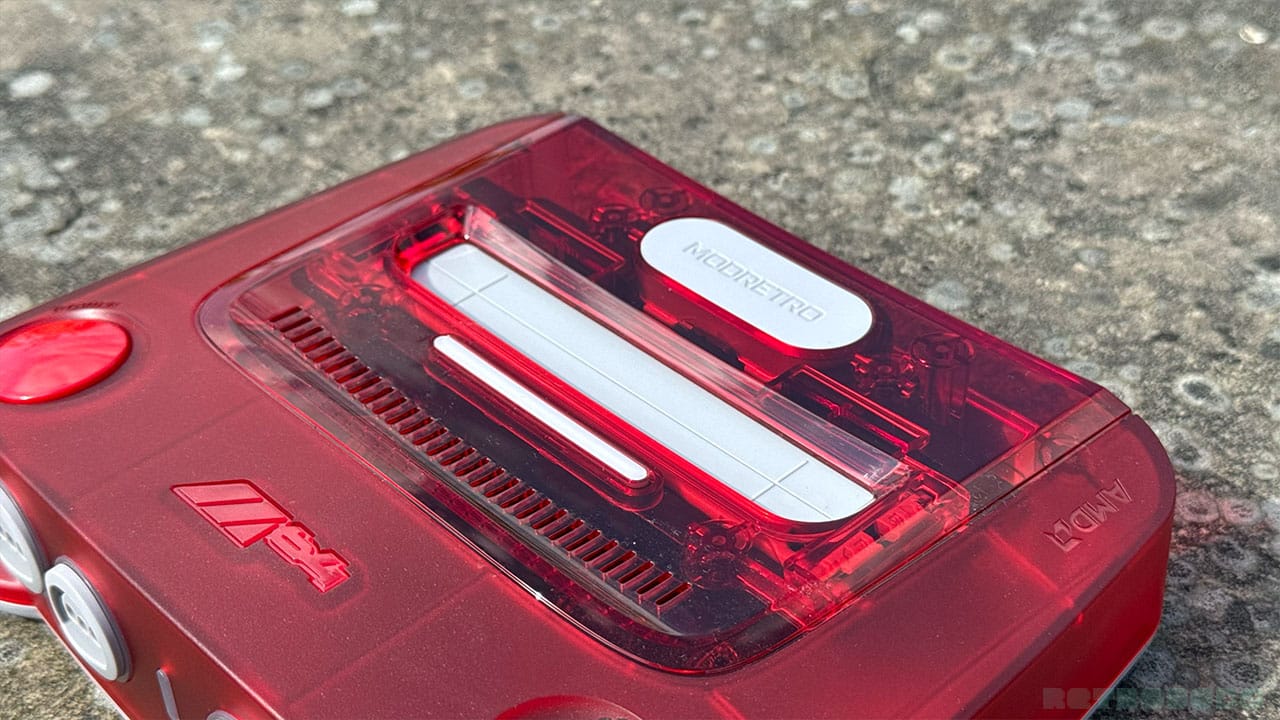
The M64’s cartridge slot incorporates an innovative feature: a subtle white line that acts as a cartridge art light. This illumination highlights the game’s label, adding a touch of flair during gameplay, especially in low-light conditions. Beyond aesthetics, this light also serves a functional purpose, indicating the console’s update status and progress.
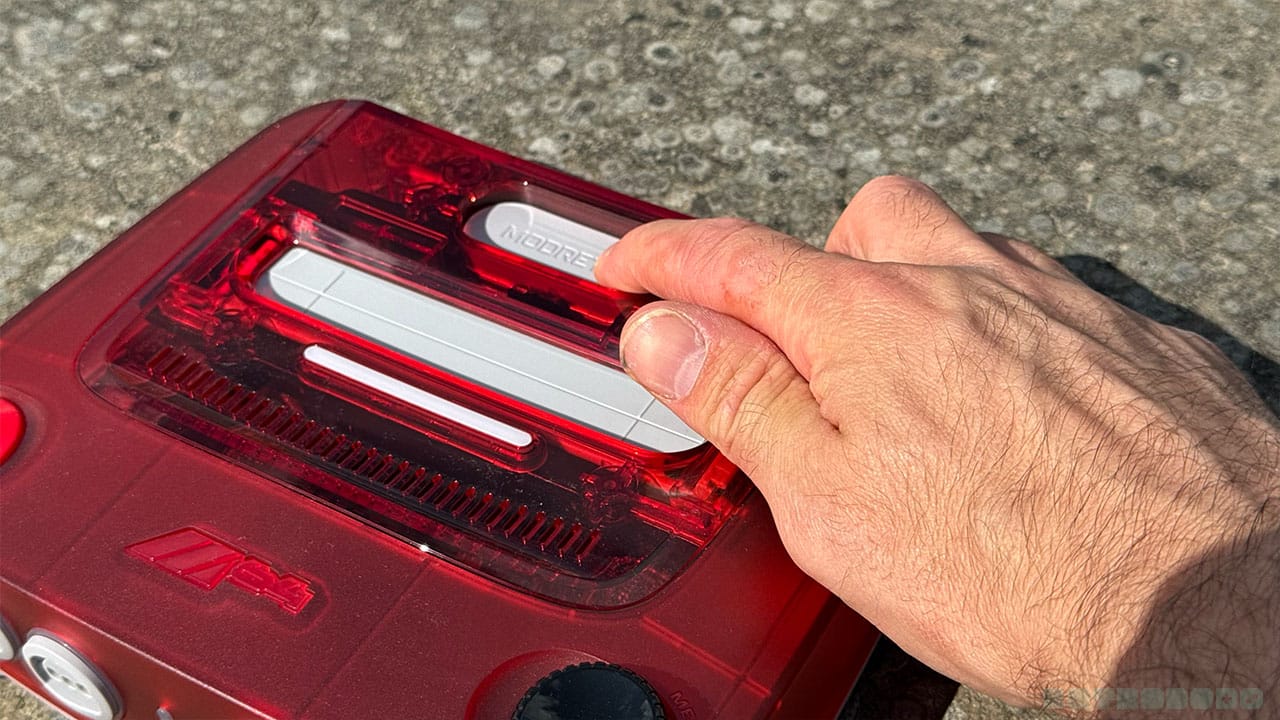
Complementing the cartridge slot is a satisfyingly tactile eject button. This allows for one-handed cartridge removal, a smooth and convenient operation that avoids the need for excessive force or awkward maneuvers. This feature, along with the overall thoughtful design, reinforces the console’s user-centric approach.
A Minimalist Foundation: The Console’s Underside
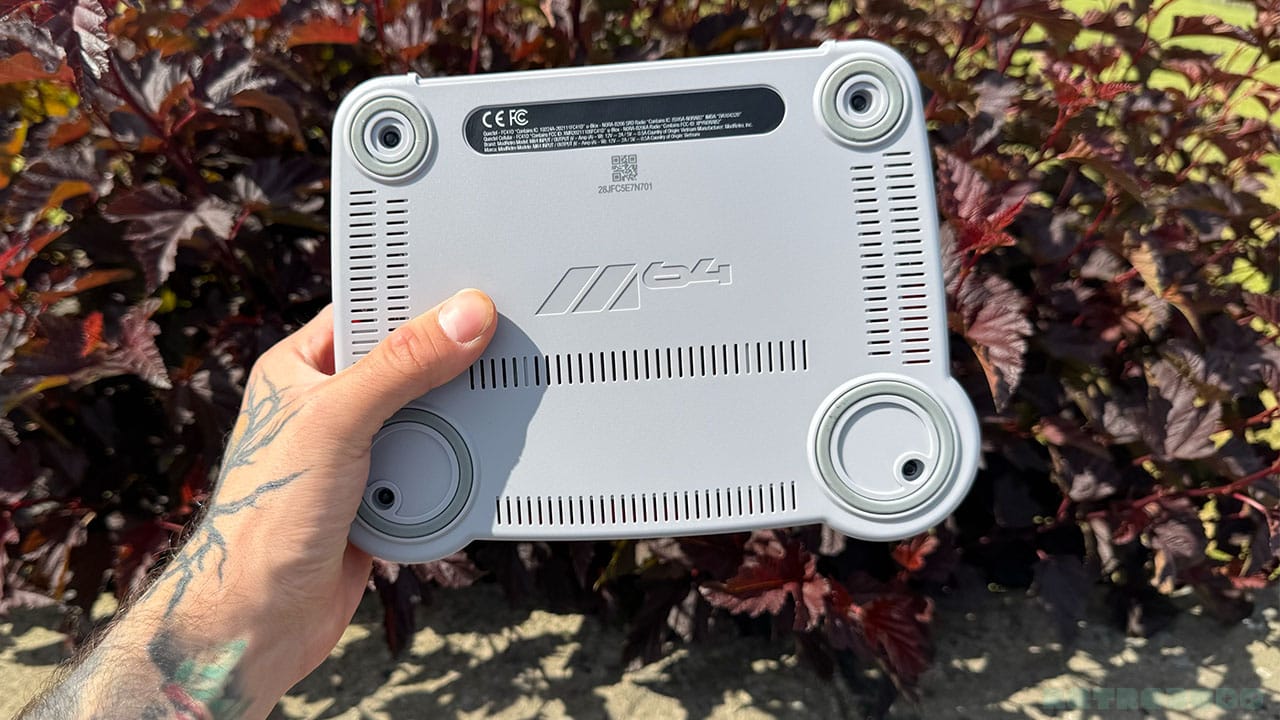
The underside of the M64 is designed for stability and practicality. Four rubber feet prevent any unwanted slipping, while the ModRetro logo and essential information are subtly integrated. This minimalist approach ensures the console remains secure and unobtrusive.
A Direct Line to Nostalgia: Comparing the M64 to the Original N64
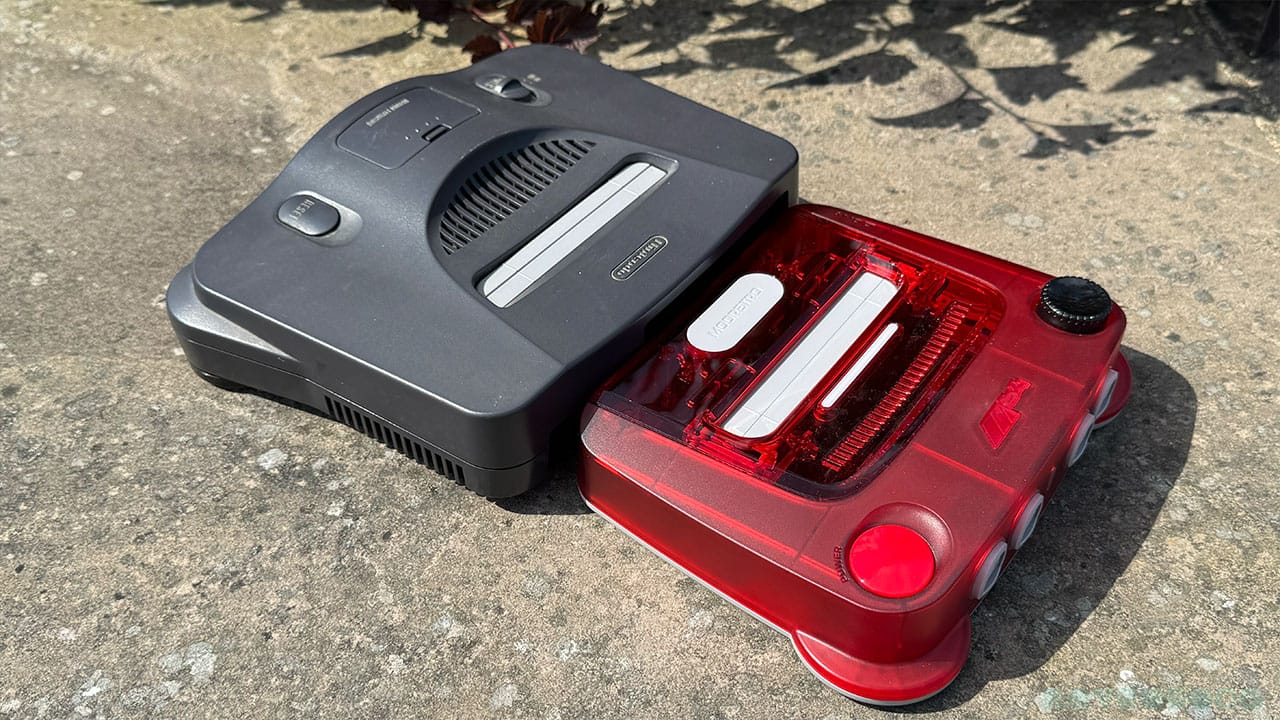
The M64 is designed with a profound respect for its predecessor, evident in numerous design cues. The console’s overall silhouette and the placement of elements like the cartridge slot and ventilation grilles pay homage to the original N64. The white trim on the M64 offers a subtle contrast to the black trim of the original N64, while maintaining a similar visual language.
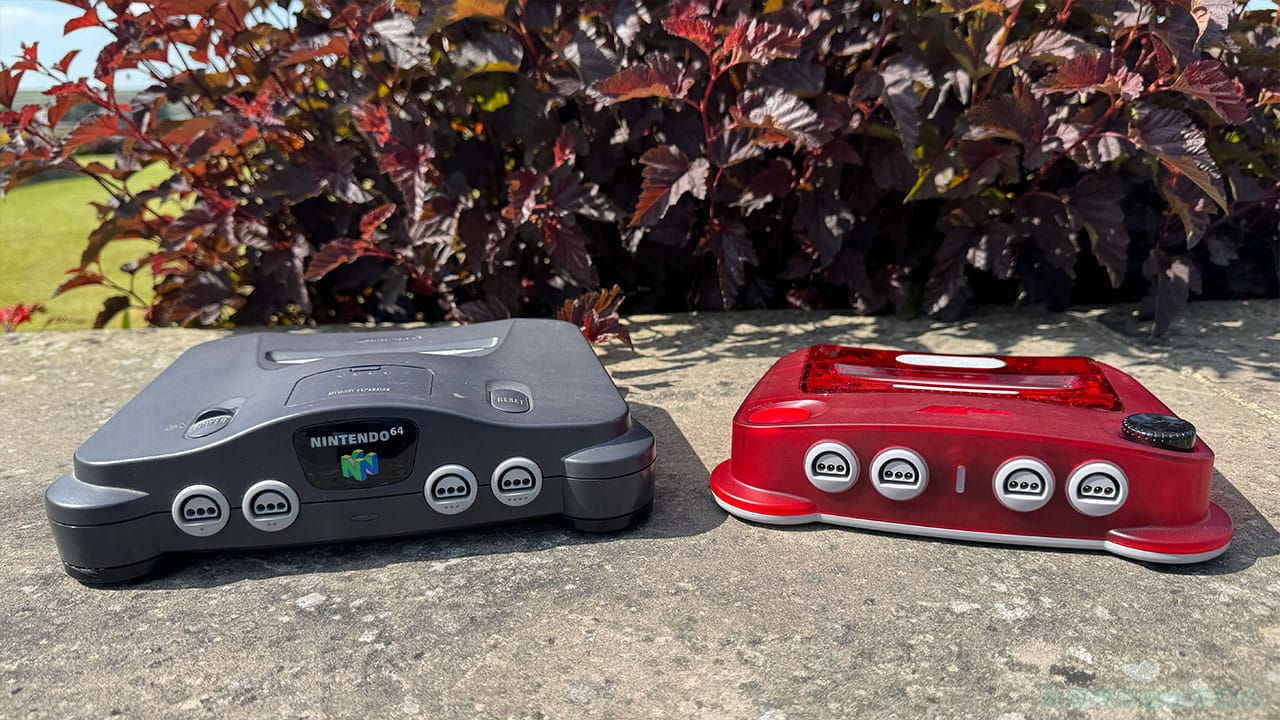
The controller ports, a defining characteristic of the N64, are nearly identical in their outward projection, contributing to the console’s distinctly 90s technological aesthetic. The M64 eschews the original N64’s controller port numbering dots in favor of the aforementioned LED rings, offering a more modern and intuitive way to identify connected controllers.
Dimensions and Design Language: A Modern Interpretation
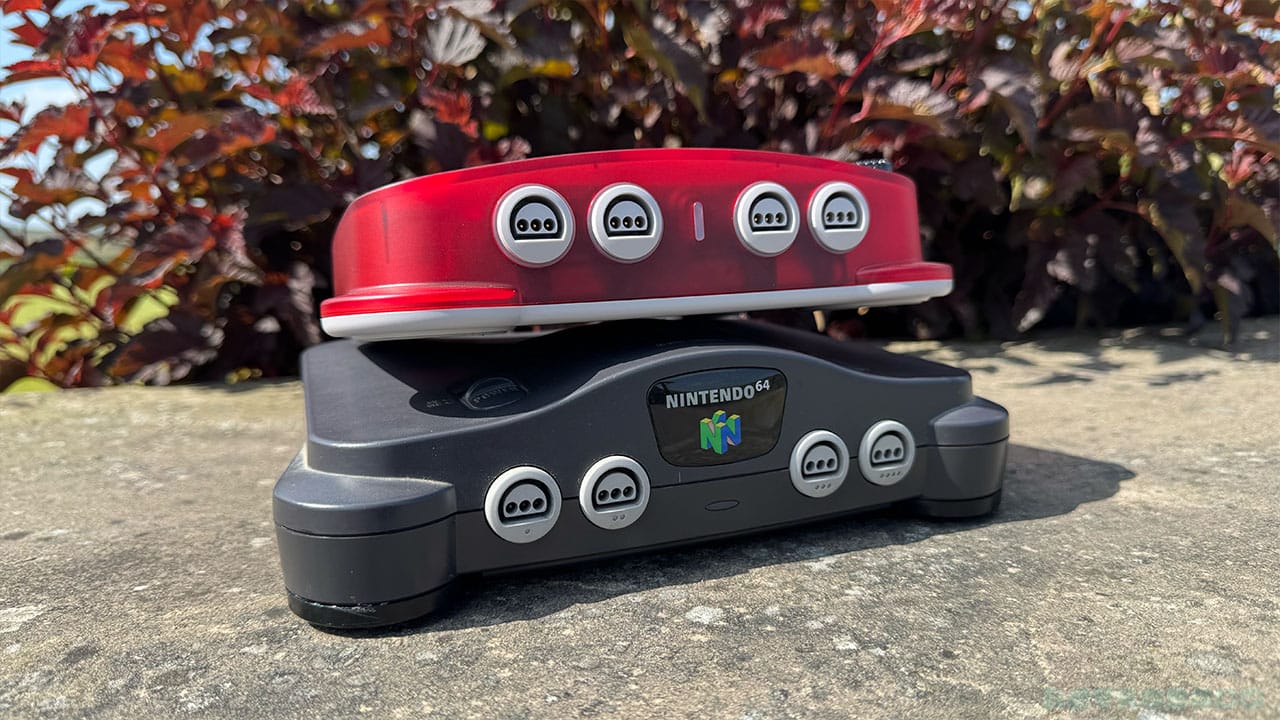
In terms of size, the M64 is notably more compact than the original N64, measuring 740 grams compared to the N64’s 979 grams. This reduction in weight and overall footprint makes the M64 a more adaptable and less imposing presence in a modern entertainment setup. Despite its smaller size, the M64’s top-down profile reveals meticulous attention to detail, with elements like the logo placement on the eject button and the curvature of the console hood mirroring the original N64’s layout. This deliberate design choice signifies a conscious effort by ModRetro to honor the N64’s heritage while forging its own identity.
The User Interface: A Retro Palette for a Modern Experience
The M64’s user interface adopts a vibrant, retro color scheme, employing oranges, yellows, purples, and pinks that evoke the aesthetic of classic SNES or NES titles. This visual approach aligns perfectly with the console’s mission to deliver a nostalgic gaming experience.
Navigating the Interface
The user interface is organized into four primary screens: Display, Controllers, System, and About. Navigation can be accomplished using the console’s turn wheel or via a controller by pressing Z and Start simultaneously. Crucially, this controller shortcut does not pause or unpause gameplay, preventing accidental game interruptions during menu navigation.
Intuitive System Settings
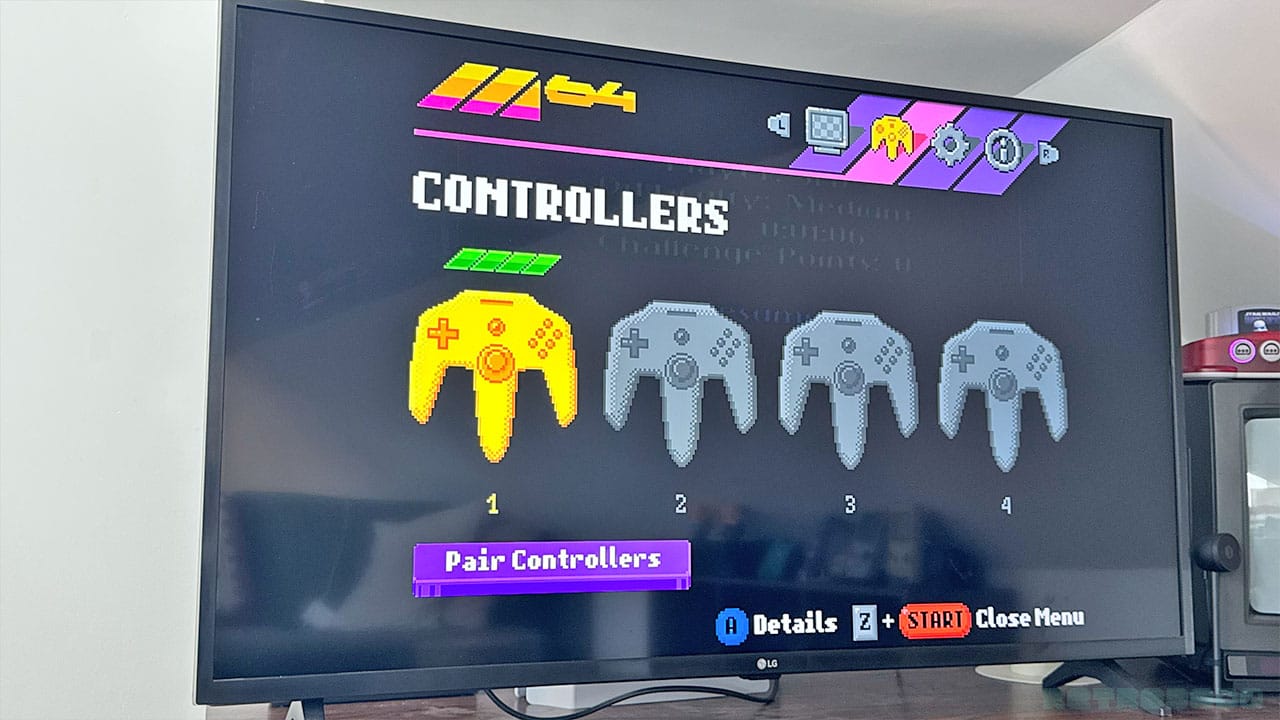
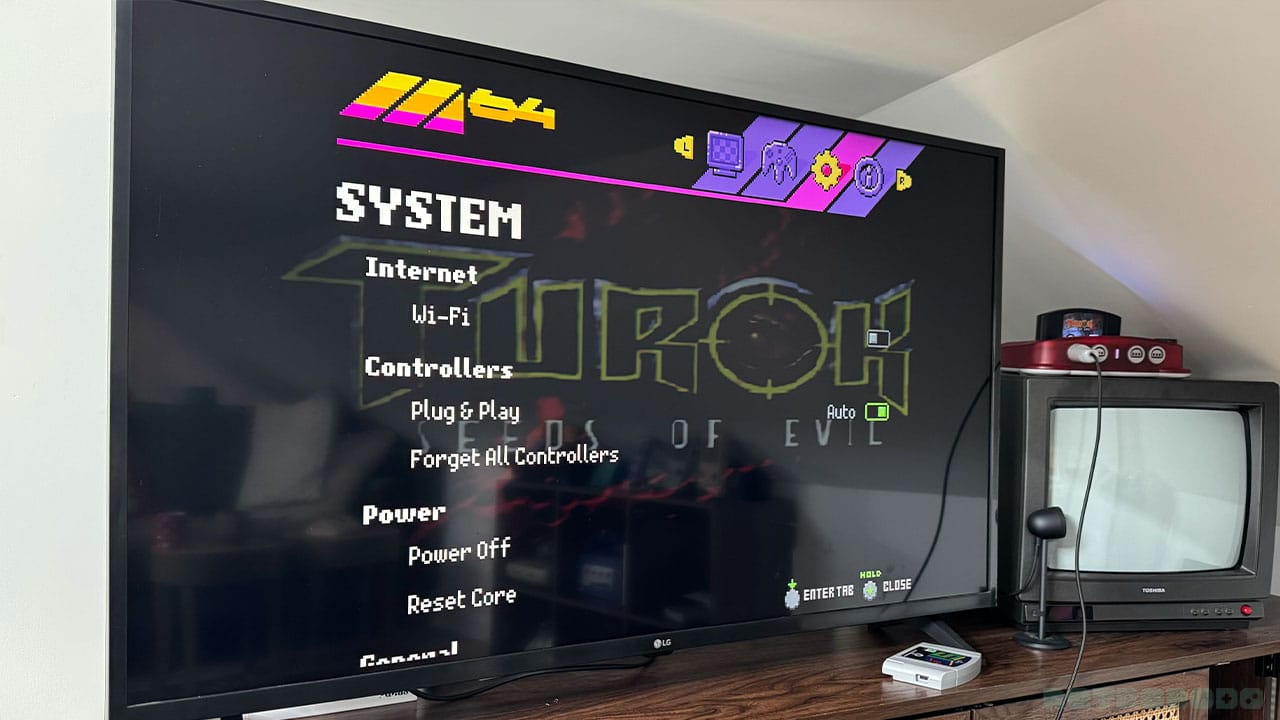
The System Settings menu offers a straightforward and user-friendly experience. Users can manage Wi-Fi connections, forget controllers, power off or reset the console, adjust LED brightness for controller ports (with ten distinct levels), erase console settings, and even explore overclocking modes. The breadth of options, while comprehensive, is presented in a manner that avoids overwhelming the user.
The Controller: A Masterclass in Nostalgic Ergonomics
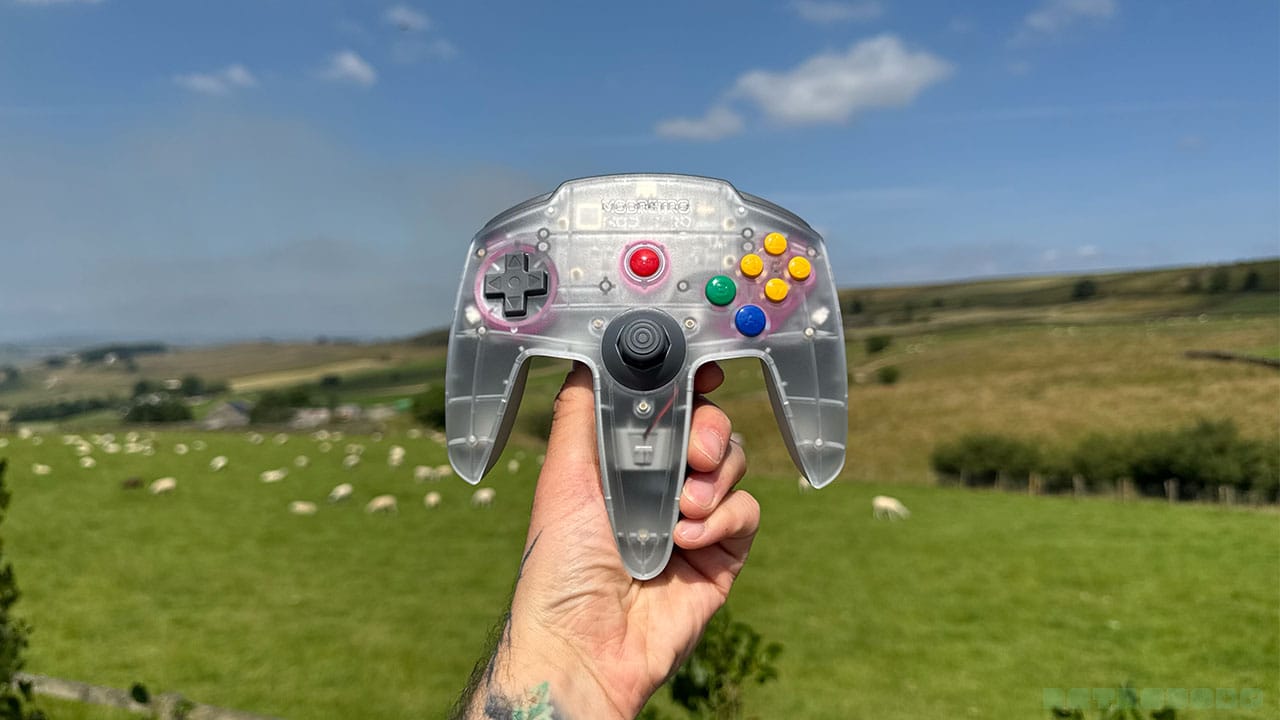
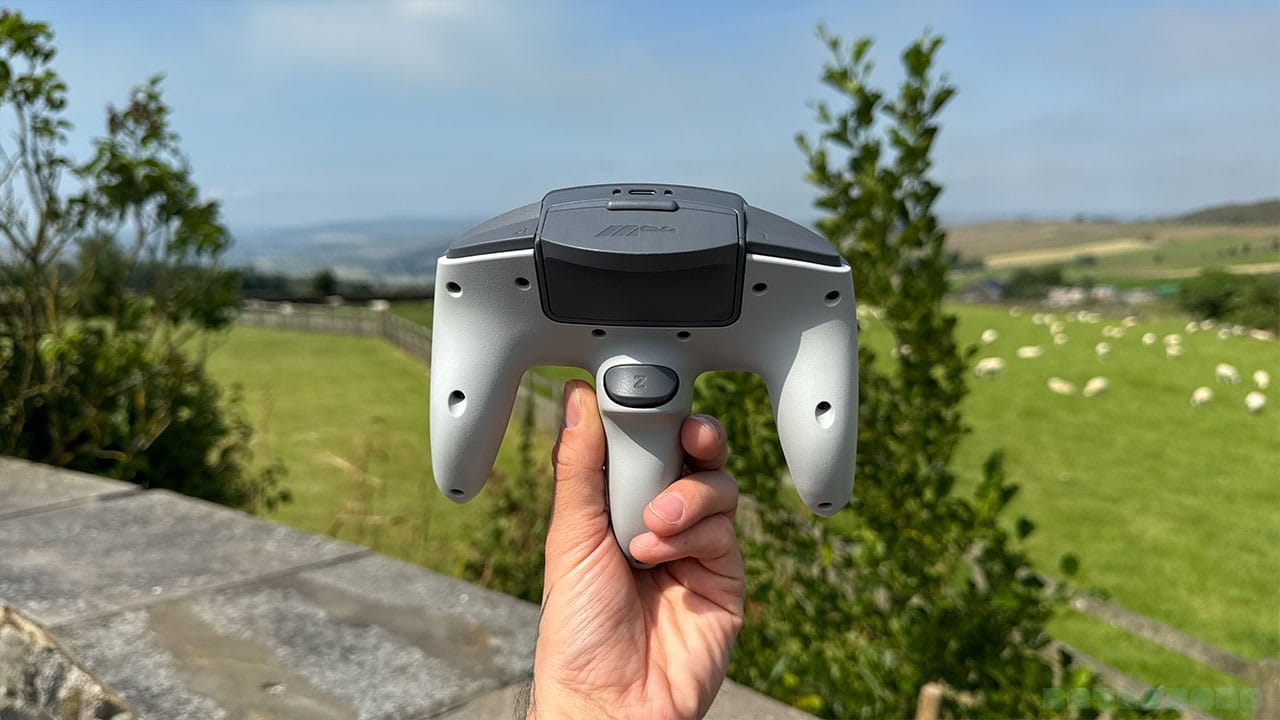
The M64 controller, a wireless iteration of the iconic Trident design, is a significant highlight. For those who grew up with the original N64 controller, its familiar shape and button layout will evoke immediate nostalgia. ModRetro has refined this classic design with a premium aluminum backplate and the option for both wireless and wired connectivity, offering a 10-foot cable for extended play. This provides a level of comfort and convenience that was absent in the 90s, allowing players to relax further from their screens. Charging is facilitated via USB-C, either directly from the console or any standard USB-C adapter.
It is worth noting that while an 8BitDo controller designed for the Analogue 3D is compatible with the M64, the M64 controller itself is not directly compatible with the Analogue 3D. This limitation is attributed to specific hardware integration requirements that would need to be addressed by Analogue.
Customization for the Discerning Gamer
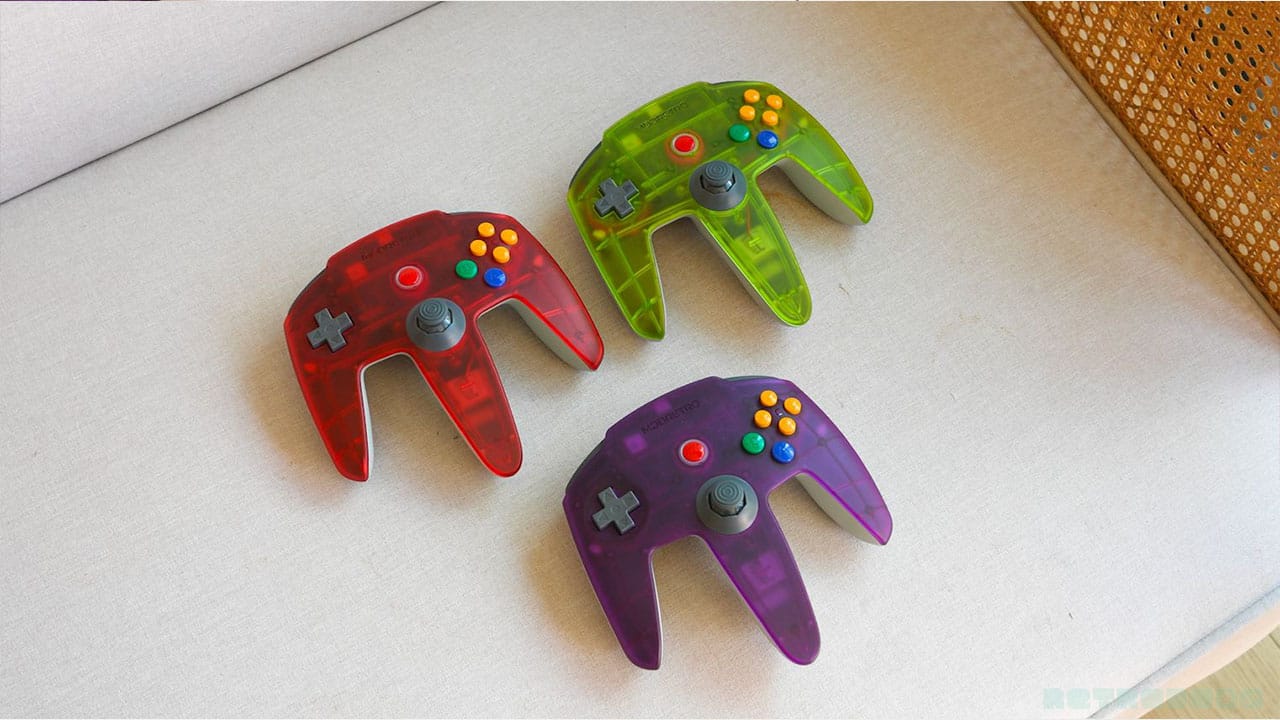
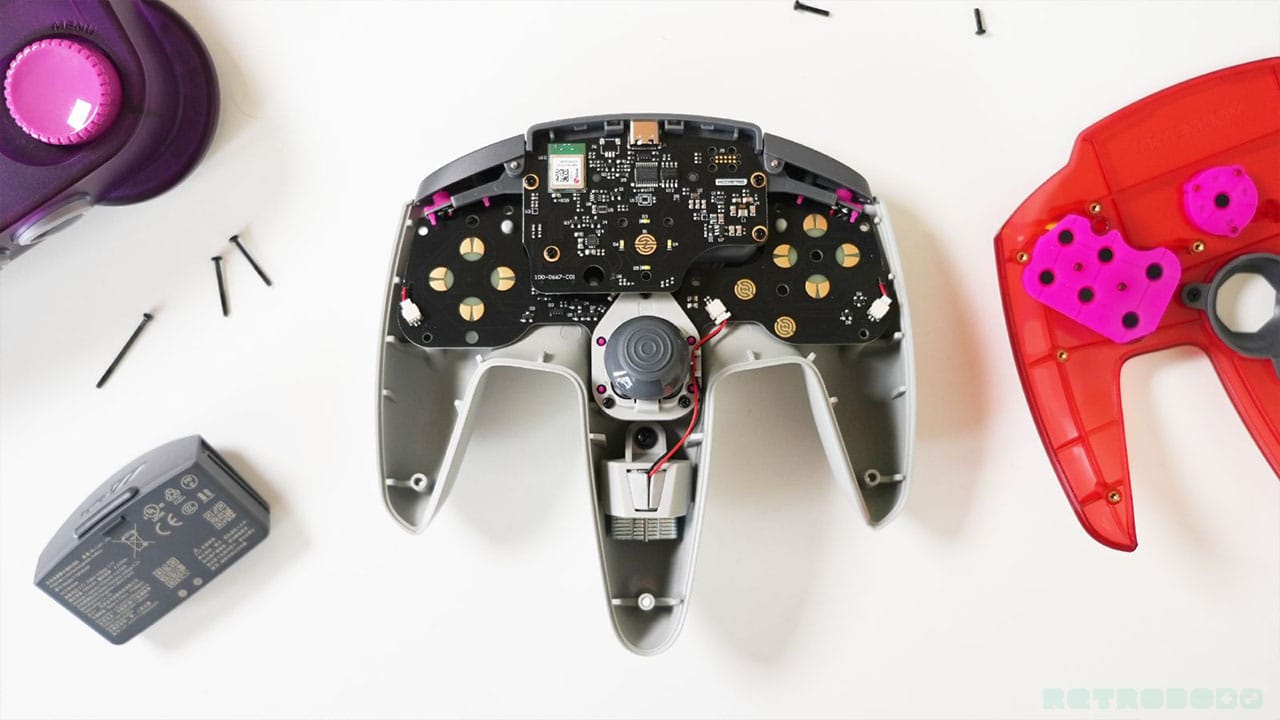
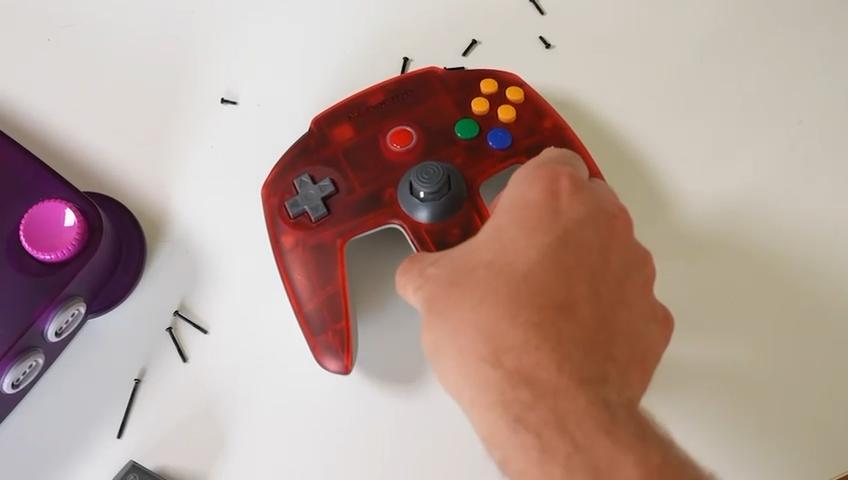
The M64 controller is designed for customization. The presence of accessible screws on the backplate allows for easy swapping of the thumbstick, catering to individual preferences. It is anticipated that ModRetro will release customization packs, similar to those available for their Chromatic console, offering a range of colored joysticks and buttons. The ability to change joystick gates from 8-way to 6-way further enhances the controller’s adaptability, positioning it as a truly pro-level gamepad for dedicated N64 enthusiasts.
Under the Hood: M64 Specifications and FPGA Technology
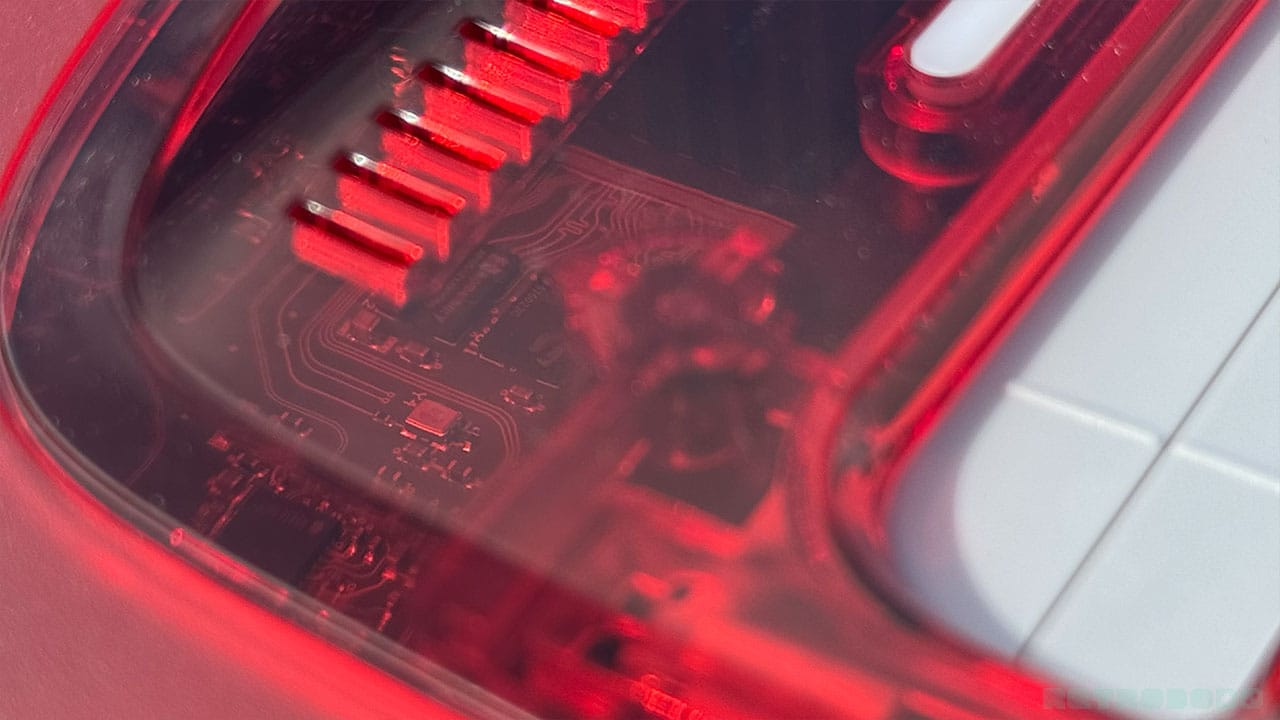
The M64 boasts impressive technical specifications, promising a near-instantaneous boot-to-game experience, with load times under five seconds. The console employs a fanless thermal design, ensuring silent operation even during extended gaming sessions. At its core, the M64 utilizes a 16nm process node AMD Ultrascale+ FPGA, a powerful piece of technology that digitally recreates the N64’s hardware at a fundamental circuit level. This approach ensures minimal lag and hardware-level accuracy.
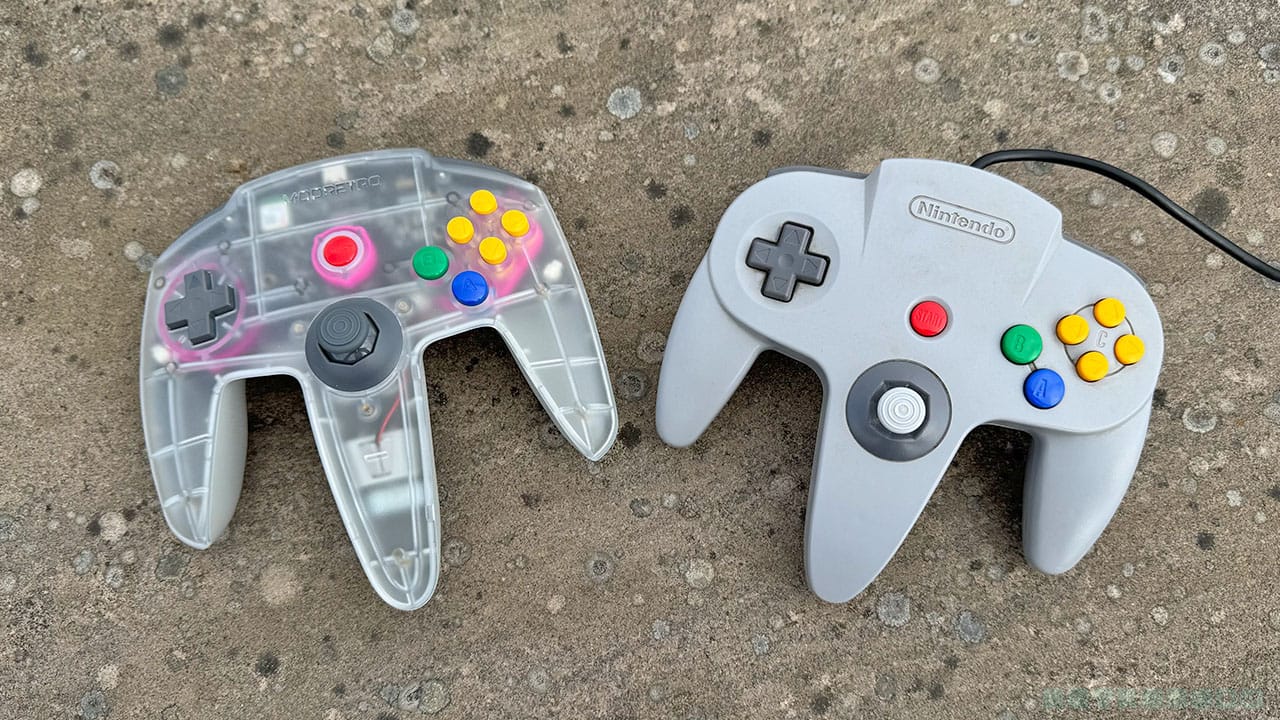
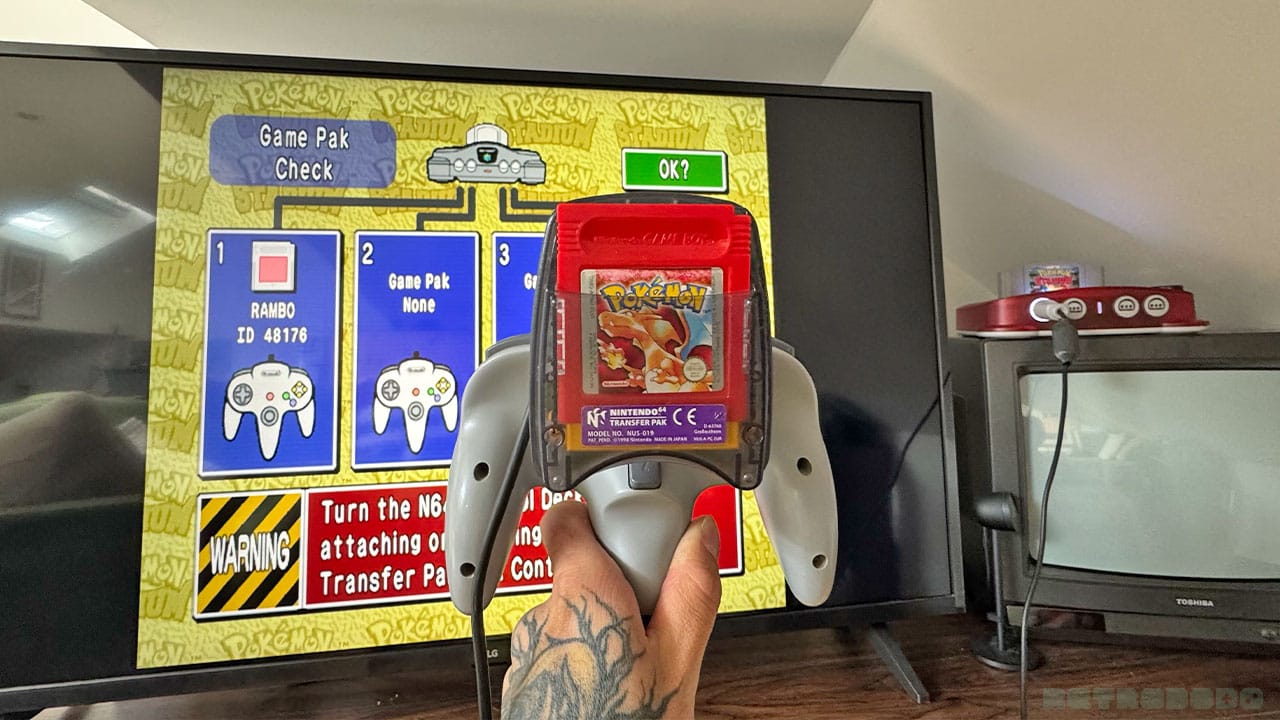
While the M64 controller does not natively support the N64’s Transfer Pak, ModRetro is actively working on implementing Transfer Pak capabilities, alongside video passthrough features, post-launch. The FPGA core is also slated for an open-source release at launch, fostering community development and innovation.
FPGA: The Heart of the M64’s Authenticity
FPGA, or Field-Programmable Gate Array, technology is central to the M64’s functionality. By using an AMD Ultrascale+ FPGA, the console precisely emulates the N64’s hardware, ensuring that games run and behave identically to how they did on the original console. This digital recreation provides a level of authenticity and responsiveness that software emulation often struggles to match. The M64 supports game output from 720p up to 4K, offering a significantly enhanced visual experience compared to original hardware on modern displays. The inclusion of overclocking further pushes the console’s capabilities beyond what the original N64 could achieve.
Seamless Updates: Over-the-Air Convenience
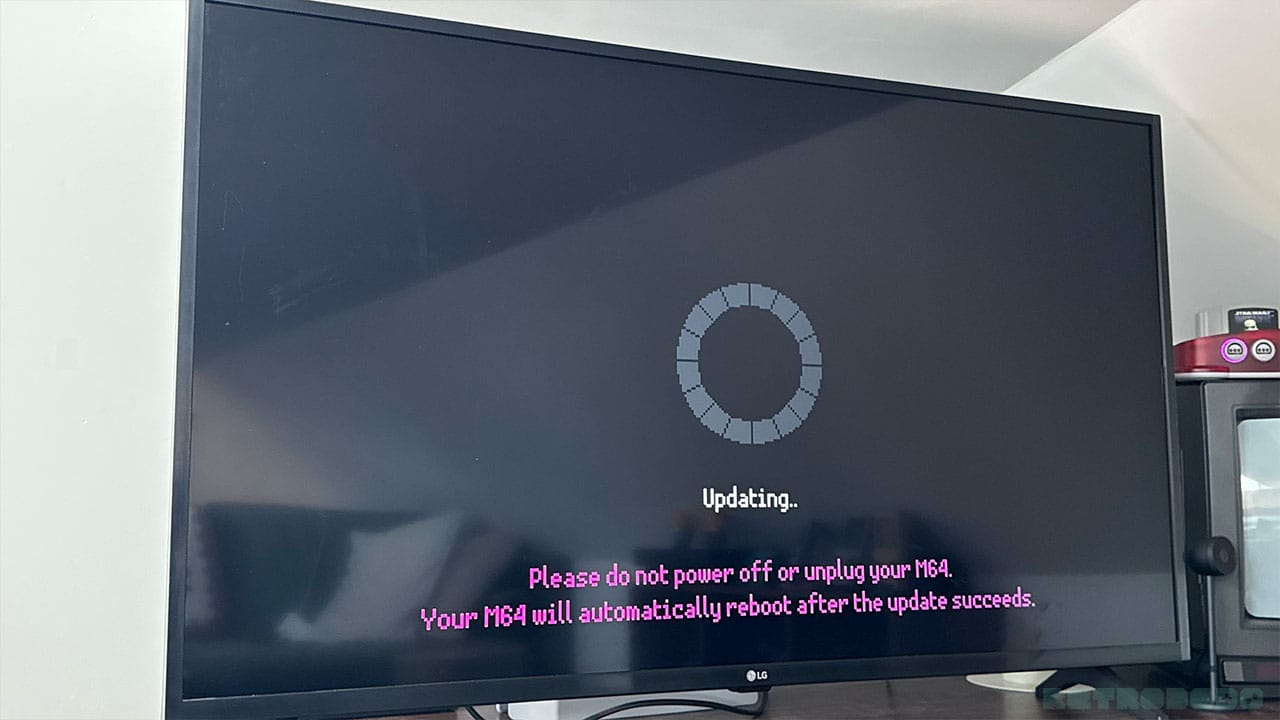
A significant advantage of the M64 is its over-the-air (OTA) update capability via Wi-Fi. This eliminates the cumbersome process of manually downloading and transferring updates via an SD card, a feature that sets it apart from some competitors. OTA updates typically take between 10 to 12 minutes, allowing for quick and easy firmware enhancements. Users can monitor update progress via a visual indicator on the console’s screen. While SD card updates are an option, the convenience of Wi-Fi updates is undeniable for most users.
Peripherals and Save States: Bridging the Gap to the Past
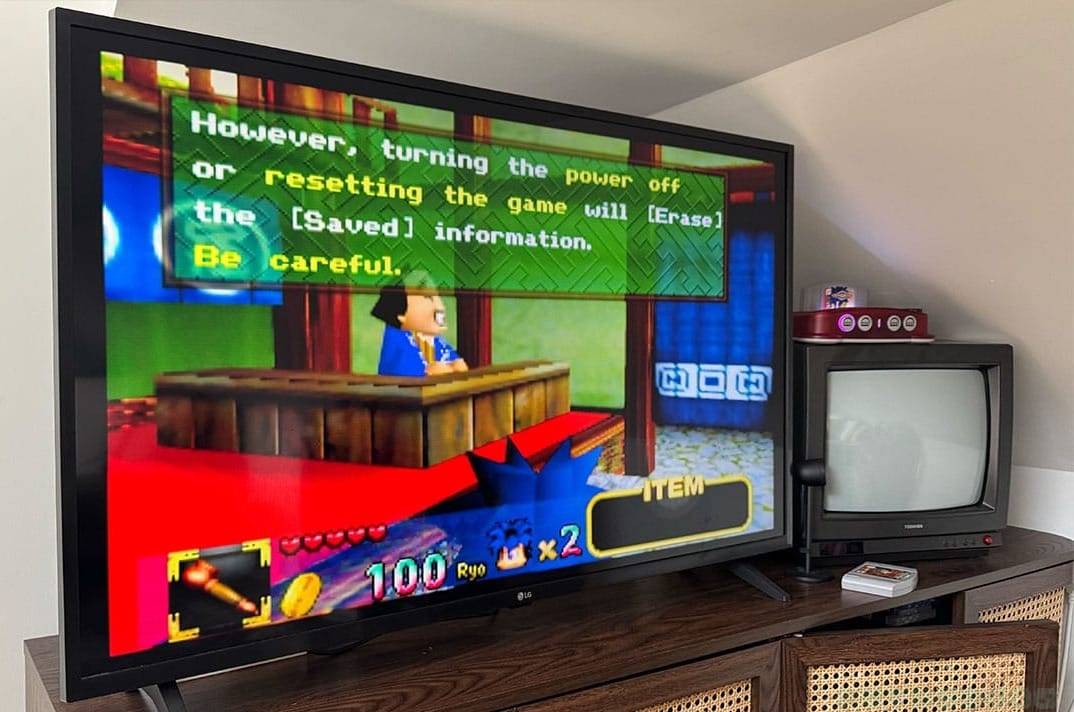
While the M64 controller does not have a built-in port for original N64 peripherals like the Transfer Pak or Controller Pak, users can connect original N64 controllers to the M64’s front ports to utilize these accessories. This provides a workaround for games that rely on Controller Paks for saving progress. It is important to note that the M64 currently does not support save states, a feature ModRetro has confirmed is planned for a post-launch update. This means that for games requiring save functionality via a Controller Pak, users will need to use an original N64 controller and Pak.
Regional Game Compatibility: A World of N64 Games Unlocked
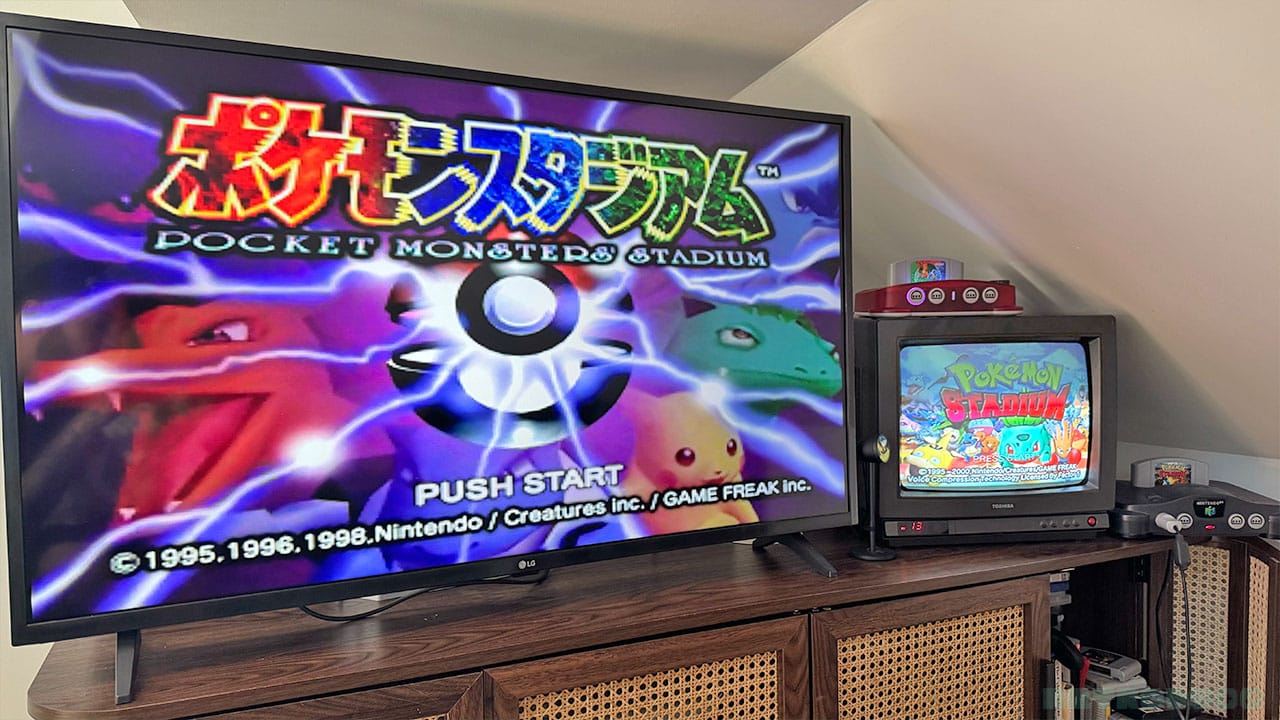
The M64 boasts impressive regional game compatibility, capable of playing cartridges from PAL, NTSC, and J-NTSC regions without issue. This opens up a vast library of N64 titles that may have been inaccessible to players solely due to their region of origin. Examples include playing both Japanese and PAL versions of Pokémon Stadium side-by-side, demonstrating the console’s extensive game support.
Visual Fidelity: Optimizing Your N64 Experience
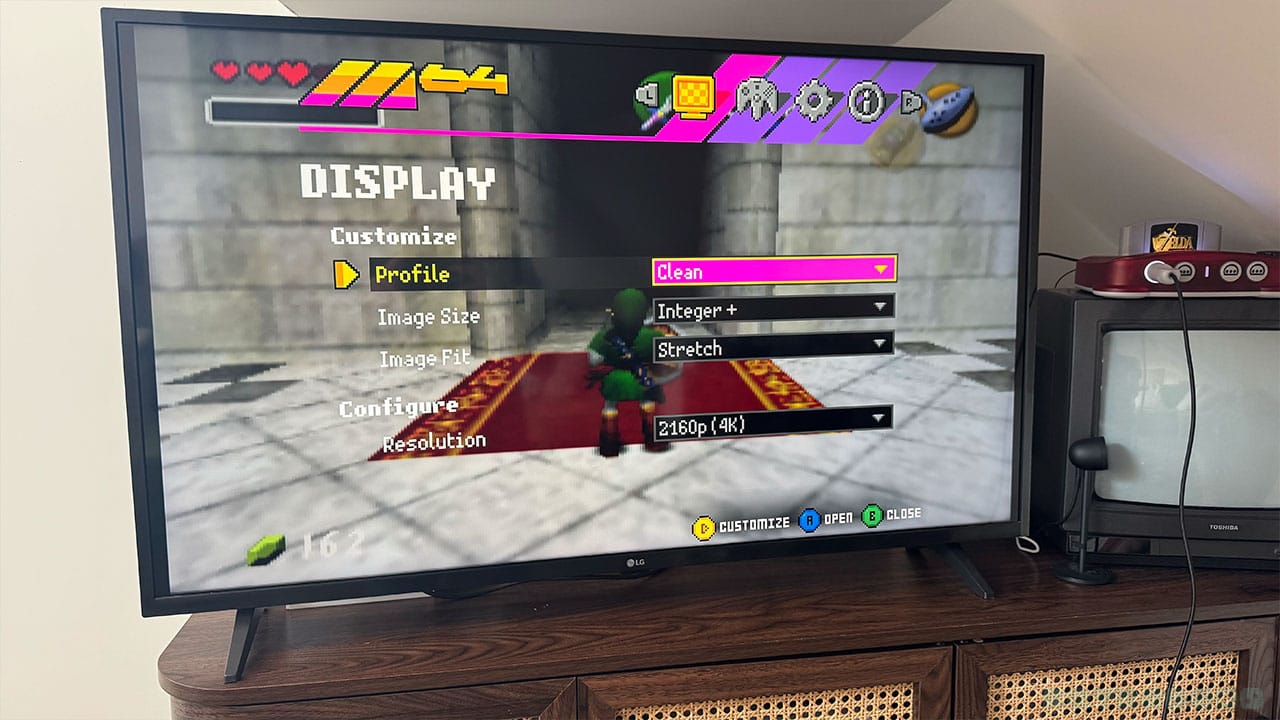
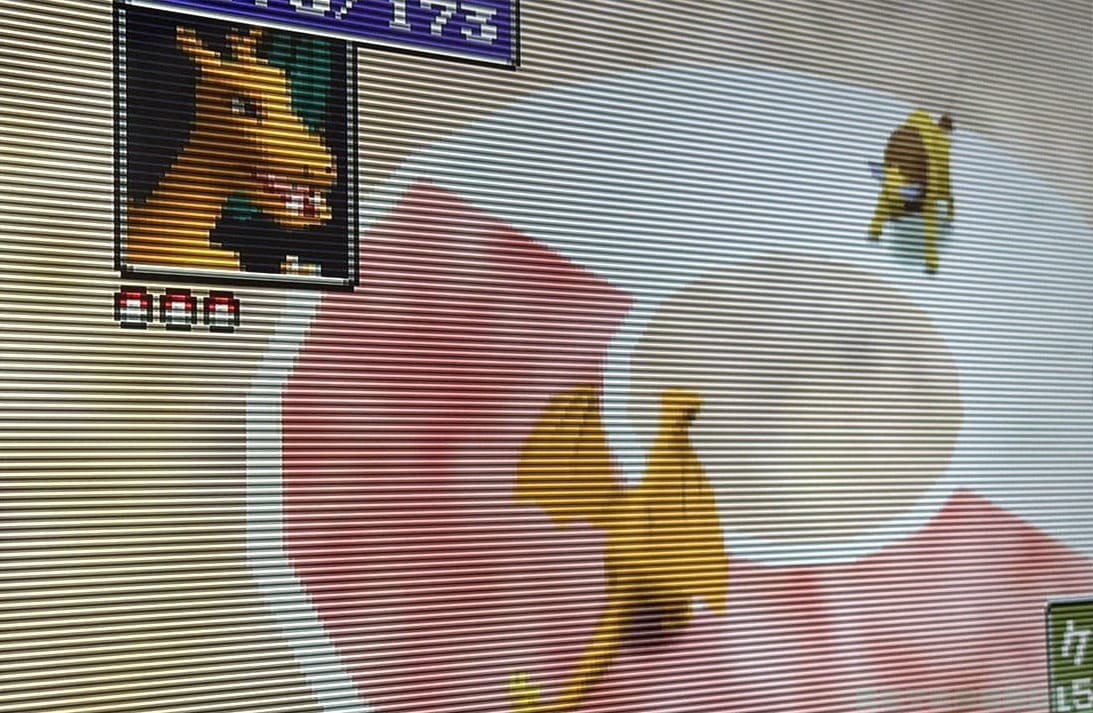
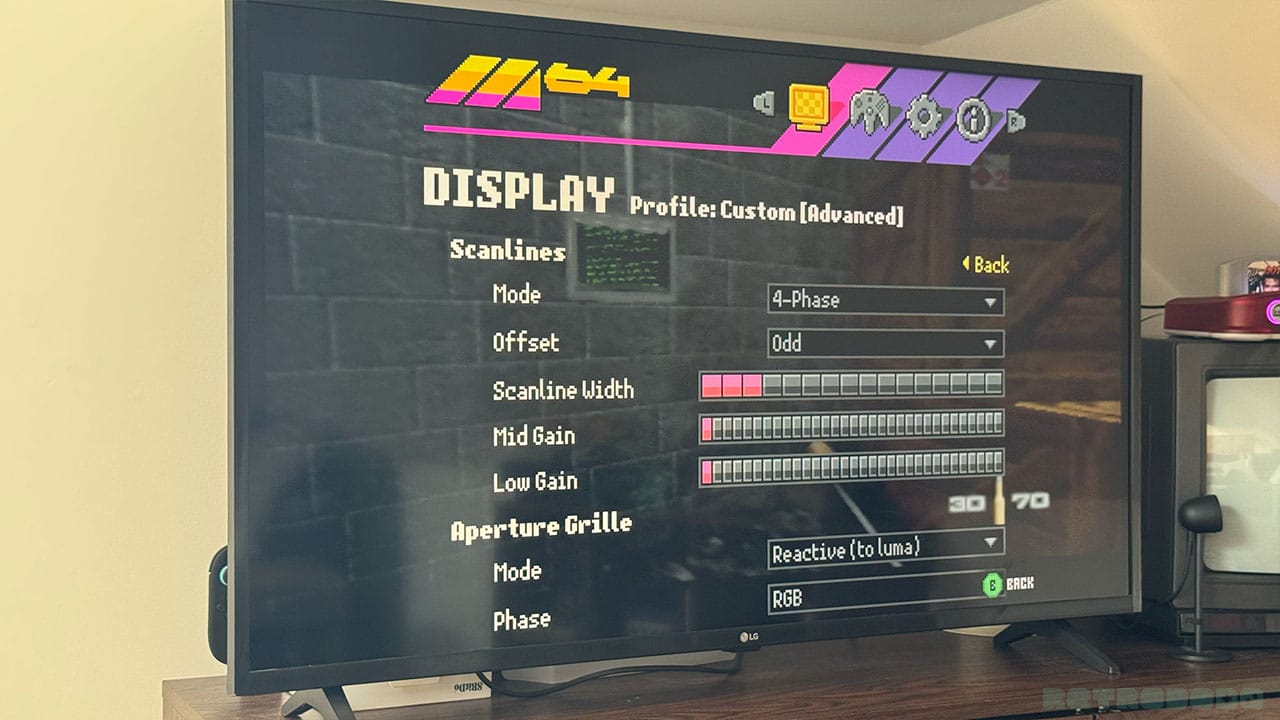
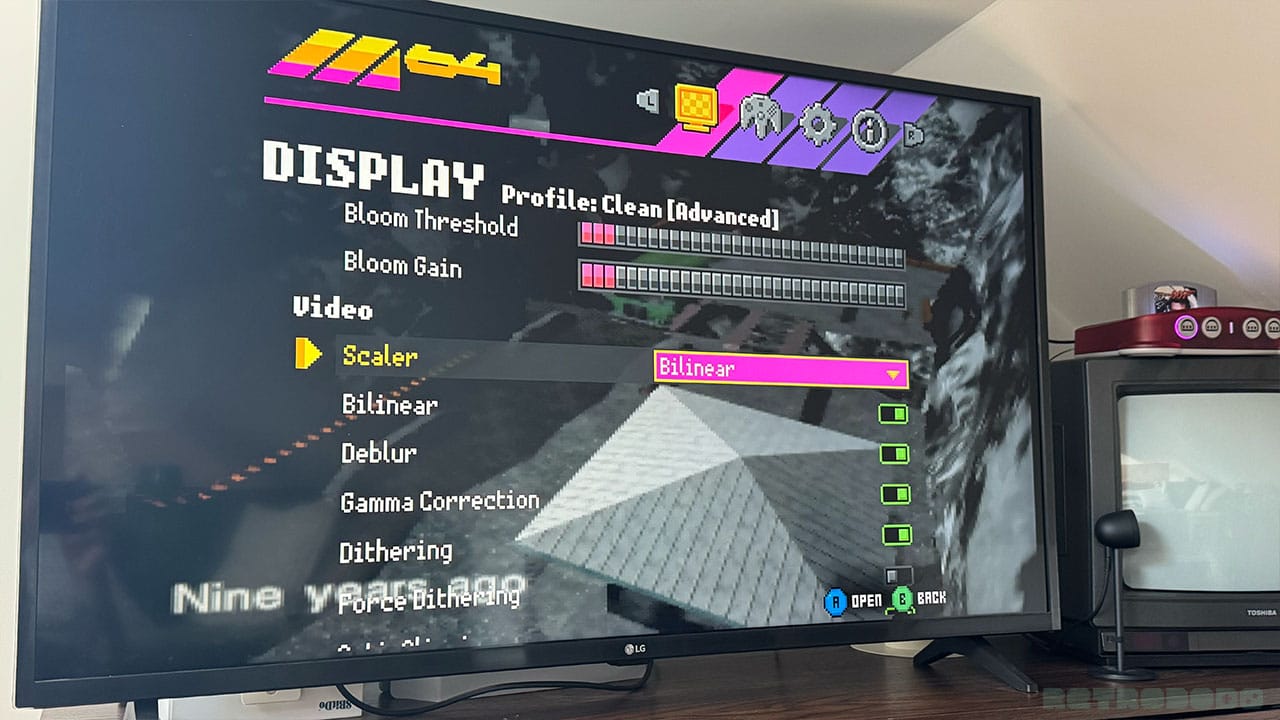
The M64 offers a robust suite of display settings designed to cater to a wide range of preferences. The "Clean" setting provides a smooth, artifact-free visual experience, which many users may find preferable to other contemporary solutions. For those seeking a more authentic retro feel, "Scanlines" and "CRT" modes are available, simulating the look of classic cathode-ray tube televisions.
Image Scaling and Fit Options
Users can select between "Default" and "Integer+" for image size. The "Native" image fit option is particularly noteworthy, as it recreates the 4:3 aspect ratio for which N64 games were originally designed, preserving the intended visual presentation. Alternatively, "Stretch" mode allows for full utilization of modern widescreen displays.
Advanced Customization: Tailoring Your Visuals
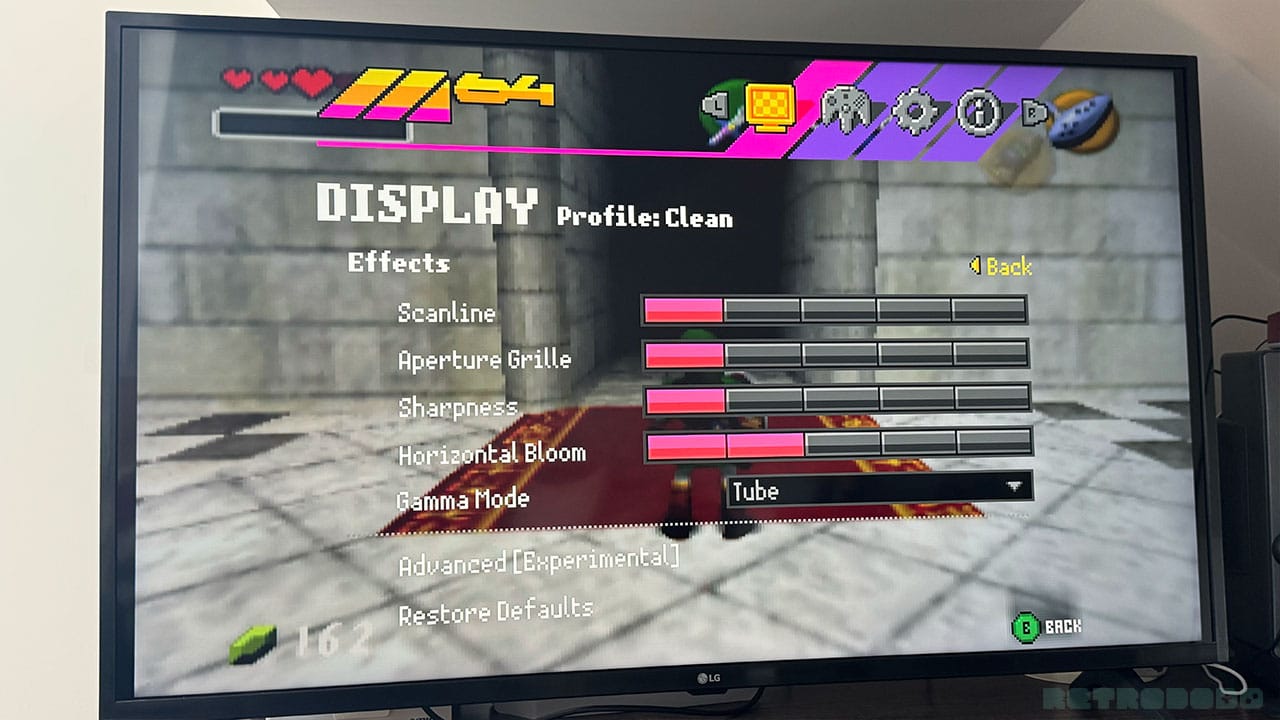
Beyond the standard display modes, the M64 provides extensive "Custom" and "Experimental" settings. These allow for granular control over various visual parameters, including gamma correction, scanline gain and width, and even bloom effects. While some experimental settings may appeal primarily to display enthusiasts, they offer a deep level of customization for those seeking to fine-tune their retro gaming experience. The ability to revert the display to an old CRT aesthetic without needing physical hardware is a significant advantage for many.
Gameplay Performance: Fluid and Faithful
The M64 delivers a smooth and authentic gameplay experience, faithfully recreating the performance of the original N64. The FPGA core ensures that games run as intended, with minimal lag and accurate hardware processing. The console’s ability to output games at resolutions up to 4K provides a crisp and detailed visual experience on modern televisions.
Overclocking: Pushing the Boundaries of Performance
The M64 introduces an experimental overclocking feature, allowing users to push the console’s performance beyond original N64 capabilities. This can significantly improve frame rates and overall smoothness in demanding titles. For games like GoldenEye and Turok 2, which historically suffered from performance issues, overclocking in modes such as "Ultra" can provide a substantially more enjoyable experience.
It is important to note that overclocking is an experimental feature and may introduce visual glitches or instability when switching between different modes. ModRetro plans to continue refining this feature post-launch, similar to how other hardware manufacturers have approached overclocking implementations. Users are advised to save their progress before adjusting overclocking settings.
Game Compatibility: A Growing Library
ModRetro maintains a public game compatibility list, detailing which N64 titles function flawlessly and which are still undergoing optimization. As of this review, a significant majority of NTSC N64 games are reported to be working without issue, with ongoing development aimed at achieving full compatibility. This proactive approach to addressing game performance demonstrates ModRetro’s commitment to the M64’s long-term viability.
CRT Emulation: A Credible Alternative
While the author acknowledges a personal bias towards original CRT displays, the M64’s visual settings do an commendable job of emulating the CRT experience. The deep color palette and the option to utilize 4:3 aspect ratios create a convincing sense of nostalgia. For those without access to a CRT, the M64 offers a compelling digital alternative that faithfully captures the visual essence of classic N64 gaming.
Flashcart Support: Expanding the Horizons of N64 Gaming
The M64 demonstrates excellent compatibility with popular N64 flashcarts, such as the Summercart 64 and EverDrive X5/X7. This allows players to easily access and play ROM hacks and fan-made games, further expanding the available content for the console. The ability to apply M64’s display settings to these ROMs enhances the overall experience of playing unofficial N64 content.
Final Verdict: A Triumph of Nostalgia and Modernity
The M64 represents a significant achievement in retro gaming hardware. It successfully balances a deep appreciation for the original Nintendo 64 with modern technological advancements. The console’s thoughtful design, robust feature set, and commitment to authenticity make it a compelling choice for N64 enthusiasts. While minor aspects like the absence of immediate save state support are noted, the ongoing development and the overall quality of the M64 position it as a highly recommended piece of hardware for anyone looking to relive or discover the magic of the Nintendo 64. The console officially ships on July 28th, marking a significant moment for the retro gaming community.