Hartono Sudibyo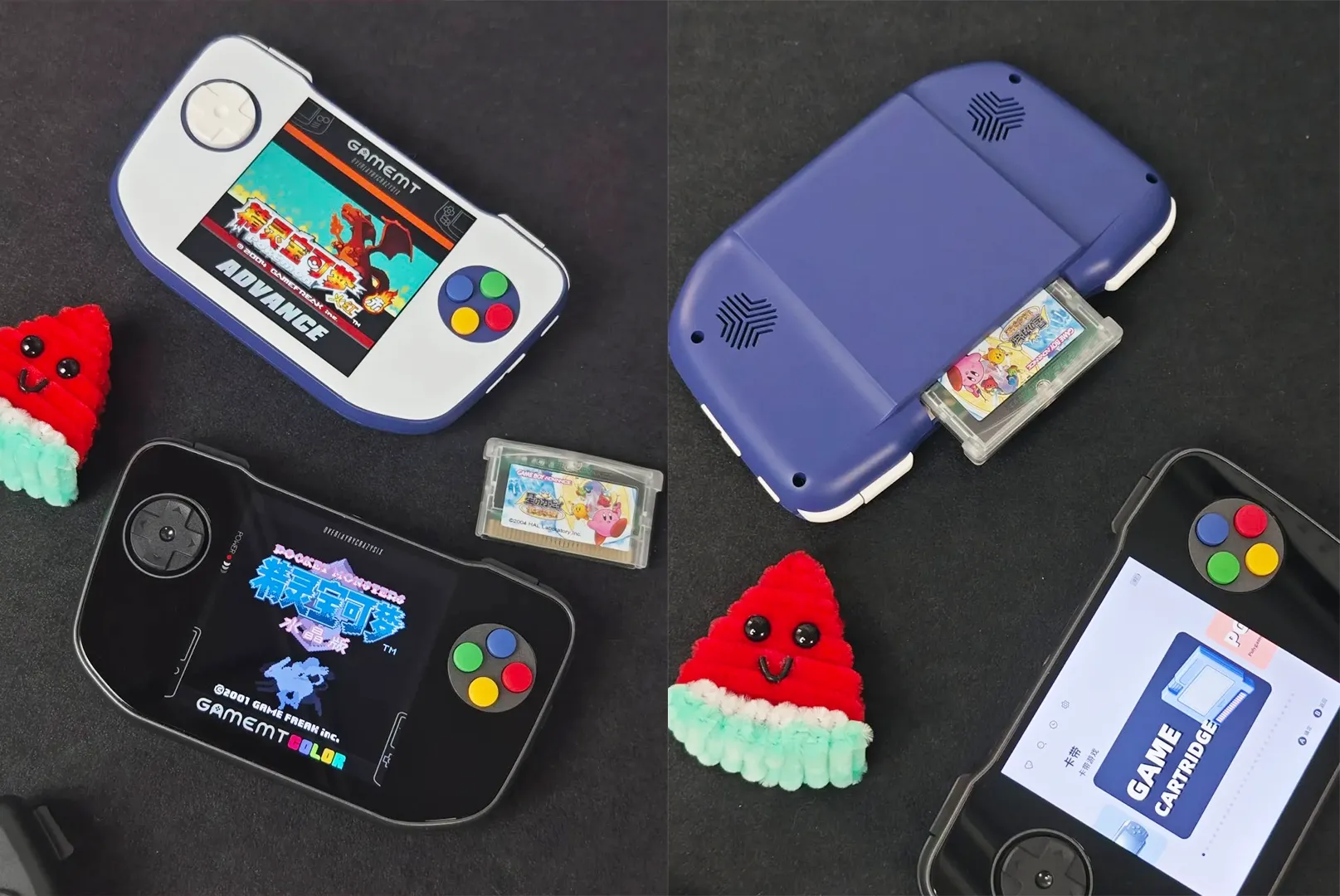
The landscape of retro gaming hardware is undergoing a fascinating transition, characterized by a resurgence of physical media compatibility fused with modern emulation capabilities. Hardware manufacturer GAMEMT has officially brought one of its most intriguing concepts into reality with the physical emergence of the MTX handheld device. Unlike standard emulation-only consoles that have flooded the consumer market over the past half-decade, the GAMEMT MTX bridges the gap between classic cartridge-based gaming and digital emulation. Early units of the device have begun appearing in the hands of international reviewers and specialized resellers, signaling an impending commercial launch that could reshape expectations for hybrid retro handhelds.
Main Facts of the Release
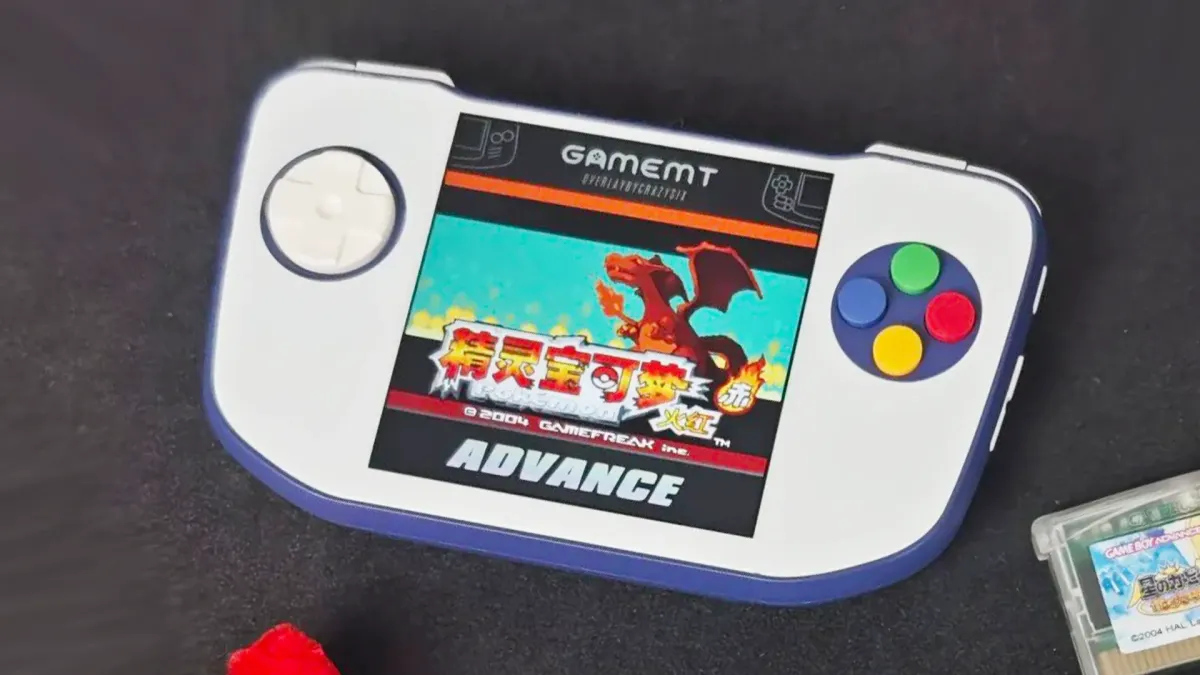
The GAMEMT MTX represents a niche yet rapidly expanding category of retro gaming devices: a hybrid console capable of reading physical Game Boy Advance (GBA) cartridges while simultaneously utilizing internal software emulation to play digital backups of titles from other classic platforms. While official specifications from the manufacturer remain sparse, early hardware testing and disclosures from industry insiders and hardware reviewers—such as the YouTube creator Nittrx and Chinese reseller Royibella—have illuminated the primary technical specifications of the device.
The console is reportedly powered by an AllWinner T509 central processing unit running on a Linux-based operating system. Visual output is delivered through a distinctive 1:1 aspect ratio display featuring a 720×720 resolution, complemented by a full front glass panel. For connectivity and audio peripherals, the MTX includes Wi-Fi capabilities, a 3.5mm headphone jack, and an HDMI output port, allowing users to project their gameplay onto external displays. According to emerging retail schedules, the device is slated for a commercial release through various online import platforms within the month.
Chronology of Hardware Development
The journey of the GAMEMT MTX from conceptualization to physical realization reflects the fast-paced and experimental nature of the modern retro handheld industry. The trajectory of GAMEMT’s product pipeline over the past year highlights a clear shift toward modularity and hardware innovation:
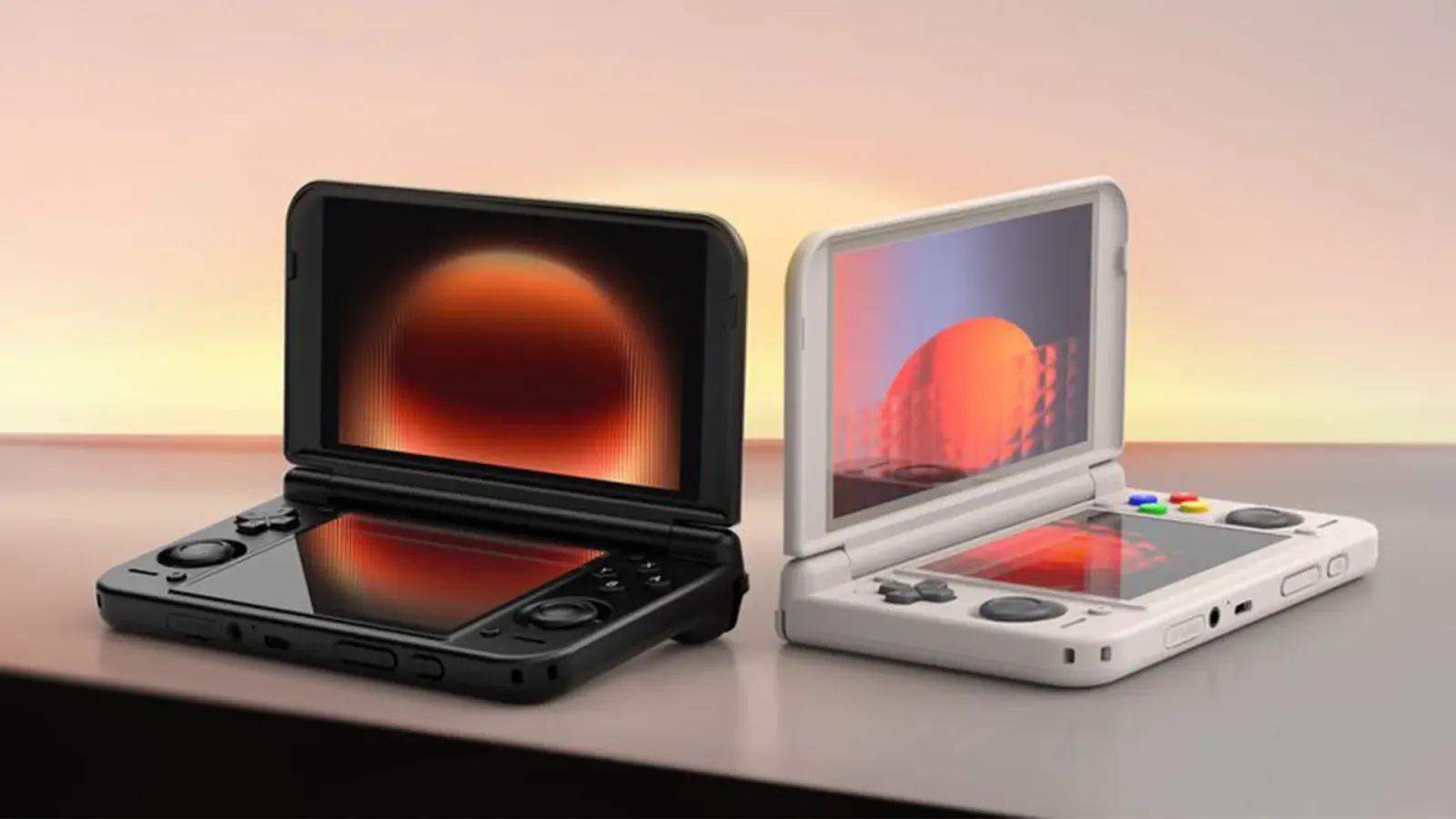
Early 2026: GAMEMT initiates a wave of industry speculation by teasing several ambitious hardware concepts, most notably the E5 MODX, which promised a modular display design. Despite generating considerable interest, the E5 MODX remained in deep development, prompting questions regarding the manufacturer’s production timelines.
Mid-2026: Industry whispers surrounding hybrid cartridge-play devices begin to intensify. Concurrent developments in the sector—such as competitor FunnyPlaying’s announcement of a miniature Game Boy DMG-style handheld with physical cartridge support—highlight a surging consumer demand for tangible, physical-media retro experiences.
September 2026: Physical units of the GAMEMT MTX surface via early-access samples provided to independent content creators and regional resellers like Royibella. Reviewers begin publishing hands-on demonstrations, confirming the device’s operational status and imminent market availability.
Late September 2026: The MTX prepares for its commercial rollout, with retail distribution anticipated through mainstream cross-border electronics platforms including AliExpress and specialized retro gaming storefronts.
Supporting Hardware Data and Design Analysis
A critical point of discussion surrounding the GAMEMT MTX involves its physical design choices, particularly its screen geometry. The inclusion of a square 720×720 display represents a deliberate aesthetic and functional compromise. While square displays are historically favored for specific retro systems—such as the original Game Boy, Game Boy Color, or arcade titles running on a 4:3 or 1:1 aspect ratio—they present unique formatting challenges for widescreen formats like the Game Boy Advance, which natively utilizes a 3:2 aspect ratio.

When running physical GBA cartridges on the MTX’s square screen, users will inevitably encounter letterboxing, resulting in black borders surrounding the gameplay image. Furthermore, while the device’s AllWinner T509 processor and accompanying software suite possess the capability to emulate platforms up to the PlayStation 1 and PlayStation Portable (PSP), running titles designed for widescreen or rectangular viewports on a 1:1 screen can diminish visual immersion. Despite these ergonomic and visual caveats, the integration of GBA cartridge slots allows purists to utilize their original game cartridges, preserving the tactile satisfaction of physical collection and ownership that pure software emulation lacks.
Market Positioning and Industry Implications
The introduction of the GAMEMT MTX arrives at a time of unprecedented market saturation within the retro handheld sector. With competing manufacturers releasing new iterations of emulation-focused devices on a near-weekly basis, hardware developers are increasingly forced to innovate through form factor adjustments, unique features, or hybrid functionalities to capture consumer interest.
While established brands like Anbernic maintain a dominant market share largely driven by refined manufacturing quality and consistent shell ergonomics, challenger brands like GAMEMT are carving out a distinct space by taking calculated design risks. The MTX exemplifies this risk-tolerant strategy. Although its build quality and material finish may not yet match the rigorous industry standards set by top-tier competitors, its willingness to incorporate physical cartridge readers into a modern Linux-based emulation handheld addresses a dedicated segment of the retro gaming community that continues to value physical media.
Broader Impact on the Retro Gaming Ecosystem

The commercial viability of the GAMEMT MTX could serve as a bellwether for future hardware design trends over the next one to two years. As digital preservation laws, flash cart popularity, and nostalgia-driven hardware collection continue to intersect, consumer preferences are visibly shifting toward devices that offer authentic physical interactions alongside modern convenience.
By enabling hardware decoding for Game Boy Advance cartridges while retaining the flexibility of Wi-Fi connectivity, HDMI output, and multi-system digital emulation, the MTX bridges two distinct eras of gaming technology. As early units transition from reviewer hands to general consumer markets via platforms like AliExpress, real-world user feedback will ultimately determine whether hybrid cartridge-emulation devices remain a niche novelty or evolve into a permanent fixture of the retro gaming landscape. Further announcements regarding official pricing, regional availability, and comprehensive software support are expected to follow the product’s official retail debut.