Chalid Lutfie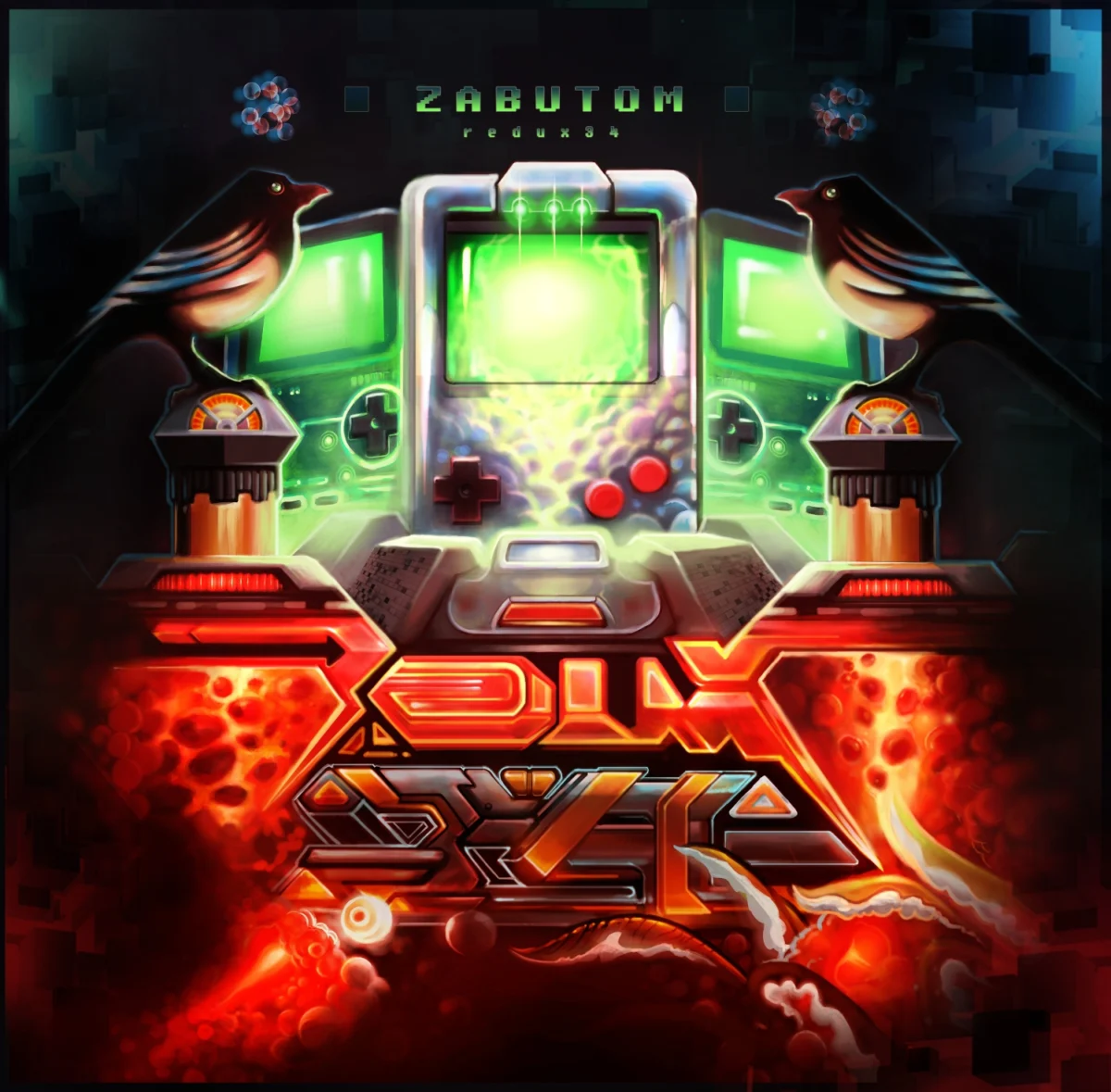
The landscape of independent electronic music witnessed a significant milestone on September 18, 2015, with the official release of Redux34, the latest full-length studio effort from the acclaimed Swedish composer Niklas Sjövärd, known professionally as zabutom. Released under the Ubiktune record label, the album represents a sophisticated departure from traditional 8-bit constraints, synthesizing a decade of compositional experience into a multi-genre tapestry. Redux34 effectively bridges the gap between the nostalgic "bleeps and bloops" of the Nintendo Entertainment System era and the complex arrangements of progressive rock, intelligent dance music (IDM), and avant-garde folk.
Niklas Sjövärd, born in 1985, has long been a fixture in the international chiptune and demoscene communities. However, Redux34 serves as a formal declaration of his maturation as a composer, following his 2014 graduation with a Bachelor’s degree in Composition and Electronic Music from the Academy of Music and Drama at the University of Gothenburg. The album arrives four years after his debut release, Zeta Force, which established Sjövärd as a premier talent in the "shmup-core" subgenre—a style of music inspired by the high-energy soundtracks of vintage shoot-’em-up arcade games. While Zeta Force focused on high-speed, melodic chiptune, Redux34 explores a broader emotional and technical spectrum, utilizing a retro-futuristic aesthetic to tell a narrative that is described by the artist as both melancholic and hopeful.
The Genesis of Redux34 and the Philosophy of Reconstruction
The development of Redux34 is characterized by a tumultuous production history that spans nearly seven years. The project began in earnest around 2008, a period when Sjövärd was becoming a regular performer at international chiptune festivals. At the time, his primary tool was Little Sound DJ (LSDJ), a specialized tracker software designed for the Nintendo Game Boy. The title of the album is directly derived from a catastrophic technical failure that occurred during these early sessions.
While Sjövärd was finalizing the groundwork for the title track, his LSDJ cartridge suffered a fatal system crash, instantaneously erasing all the music data he had programmed. This forced a total reconstruction of the piece from memory. The term "Redux" refers to this act of rebuilding, while "34" denotes the unconventional 3/4 time signature that defines the track’s rhythmic structure. This theme of loss and restoration became a recurring motif throughout the production of the album. Sjövärd reported multiple instances of lost patterns, corrupted settings, and discarded mixes that required him to start from scratch, ultimately leading to a more refined and intentional final product.
This long-term gestation period allowed Sjövärd to incorporate a wider array of influences. During the years between the initial 2008 sessions and the 2015 release, he participated in various experimental projects, including the modular live techno duo Buchla Boys and the folk-inspired acoustic acts Fowlcloud and Léonore Boulanger. These "excursions," as Sjövärd calls them, provided the technical vocabulary necessary to integrate electric guitars, analog synthesizers, and complex delay textures into the core 8-bit sound of the album.
Technical Composition and Genre Integration
Redux34 is notable for its refusal to adhere to the strict limitations of "pure" chiptune, which typically mandates that music be produced solely using the sound chips of vintage hardware. Instead, Sjövärd utilizes the 8-bit sound as a foundational texture, layered with modern production techniques and live instrumentation. This approach aligns with the "progressive chiptune" movement championed by the Ubiktune label, which seeks to elevate the genre beyond its hobbyist origins.
The album’s compositions are characterized by:

- Rhythmic Complexity: Moving beyond the standard 4/4 time signature of dance music, the album utilizes prog-rock structures and irregular meters.
- Sonic Layering: The seamless blending of the Nintendo Entertainment System’s (NES) pulse waves and noise channels with the organic warmth of electric guitars and the unpredictable grit of analog synths.
- Atmospheric Production: A heavy emphasis on "spaced out" delay and reverb, creating a sense of vast, alien landscapes that support the album’s science-fiction narrative.
The incorporation of IDM (Intelligent Dance Music) elements is particularly evident in the album’s percussion. Unlike the straightforward drum hits found in early chiptune, Redux34 features intricate, glitch-heavy beat programming that suggests the influence of artists like Autechre or Aphex Twin, albeit filtered through Sjövärd’s unique melodic sensibility.
The Role of Academic Training and the Demoscene
Sjövärd’s transition from a self-taught demoscene musician to a degree-holding composer has had a visible impact on the structure of Redux34. The demoscene—a computer art subculture focused on producing self-contained programs that generate audio-visual presentations—emphasizes technical optimization and "hacking" hardware to its limits. This background provided Sjövärd with a deep understanding of sound synthesis.
However, his time at the Academy of Music and Drama in Gothenburg introduced a more formalist approach to electronic music. His work on art installations and experimental pieces like Friktion and Scratches and Petals informed the "world-building" aspect of the album. Redux34 is not merely a collection of songs but a cohesive sonic environment. The academic influence is felt in the way Sjövärd manages tension and release, as well as his sophisticated use of harmony, which often ventures into more complex territory than the major/minor shifts common in video game music.
Visual Identity and Collaborative Efforts
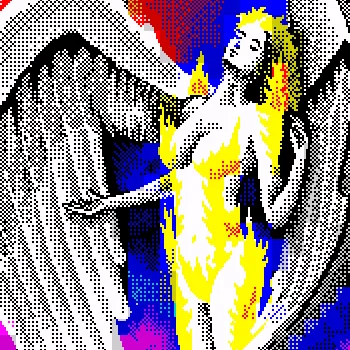
The aesthetic experience of Redux34 is completed by its visual presentation. The album features cover art by Anders Karlsson, a concept artist and painter based in Norrköping, Sweden. Karlsson’s artwork depicts a mysterious, otherworldly scene that mirrors the album’s "retro-futuristic" sound. The imagery reinforces the narrative themes of exploration and mystery, providing a visual anchor for the listener’s journey through the album’s complex soundscapes.

The collaboration between Sjövärd and Karlsson exemplifies the interdisciplinary nature of the modern chiptune scene, where music, digital art, and narrative conceptualization often overlap. By commissioning high-quality concept art, Ubiktune and zabutom have positioned Redux34 as a premium artistic product, suitable for both digital consumption and physical collection.
Distribution and Market Context
Redux34 is being made available across all major digital distribution platforms, including iTunes, Spotify, and Bandcamp, as well as a physical CD release. The decision to produce a physical edition reflects a growing trend within the electronic music community to provide tangible artifacts for a dedicated fan base.
In the broader context of 2015’s music industry, Redux34 arrives at a time when "synthwave" and "retrowave" are seeing a surge in mainstream popularity through film soundtracks and television. However, zabutom’s work occupies a more specialized niche. While synthwave often relies on the aesthetics of the 1980s for nostalgia’s sake, Redux34 uses those same tools to push toward a new, experimental future. It avoids the clichés of the genre by focusing on high-level composition rather than mere stylistic imitation.
Broader Implications for the Chiptune Genre
The release of Redux34 is likely to be viewed as a pivotal moment for the evolution of the chiptune genre. For years, the community has debated the merits of "purism" (using only original hardware) versus "expansionism" (mixing chip sounds with modern tools). Sjövärd’s latest work makes a compelling argument for the latter. By demonstrating that 8-bit sounds can function as a legitimate component of a high-fidelity, professional production, he opens the door for other artists to experiment with hybrid forms of electronic music.

Furthermore, the album’s success serves as a testament to the longevity of the demoscene’s influence. Artists who began their careers in the early 2000s, like Sjövärd, are now reaching their creative peaks, armed with both decades of subcultural experience and formal academic training. This fusion of "street-level" technical skill and "high-art" compositional theory is creating a new vanguard of electronic musicians who are difficult to categorize by traditional industry standards.
As listeners engage with Redux34, they are presented with a work that is simultaneously a tribute to the past and a blueprint for the future of electronic composition. The album stands as a definitive statement from Niklas Sjövärd, proving that even after the loss of data and the passage of years, the core of a creative vision can be reconstructed into something more powerful than its original form. Through Redux34, the "chip wizardry" of zabutom has officially entered a new, more expansive era.