Cecilia Chamidah Nur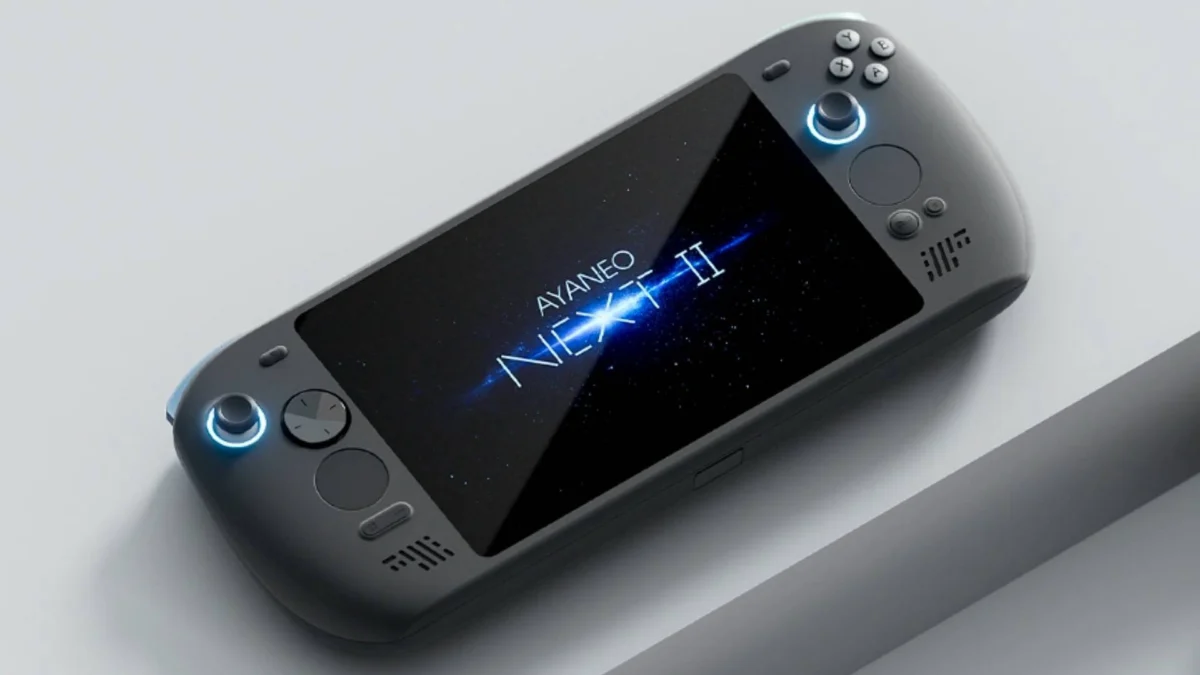
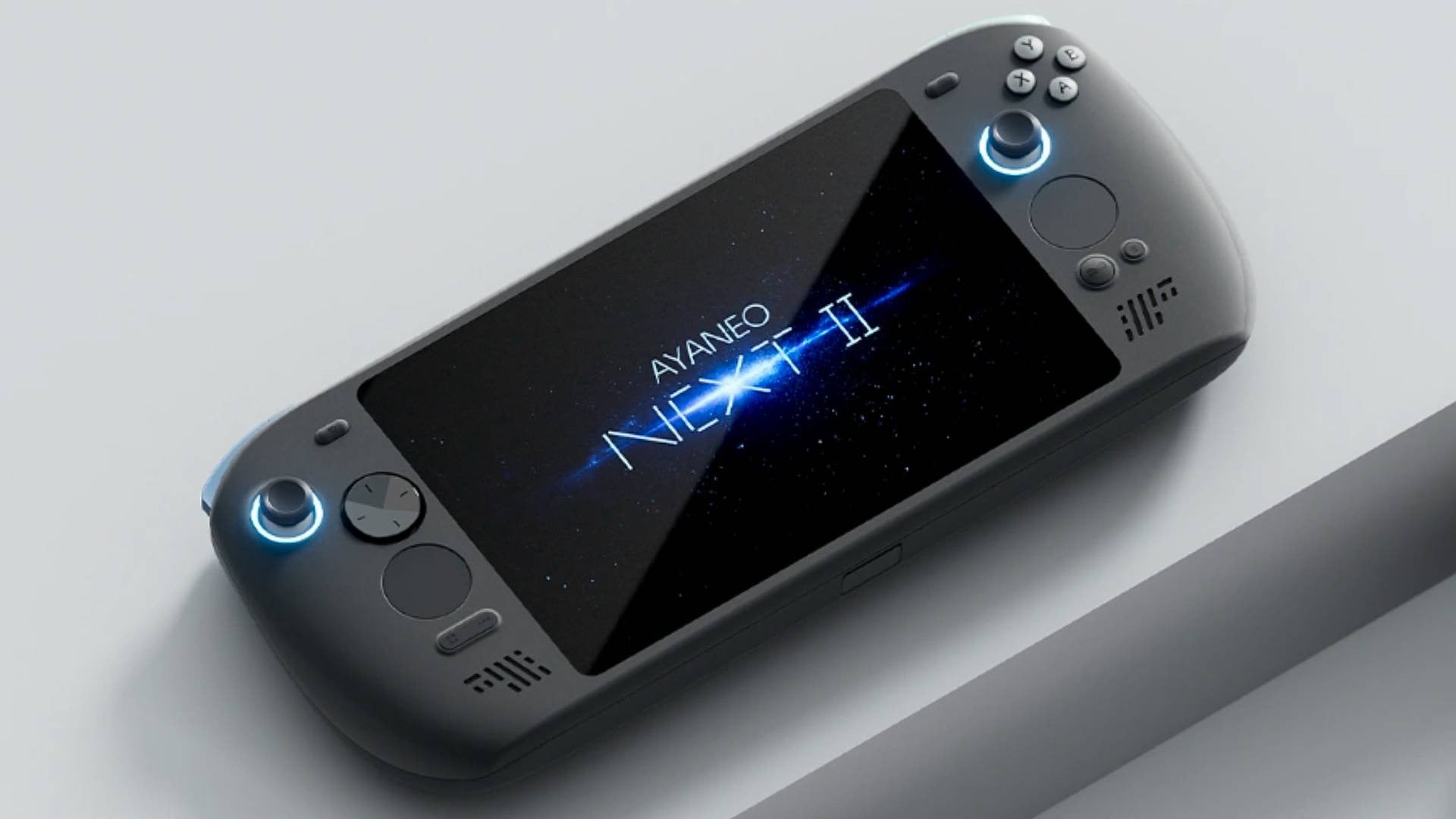
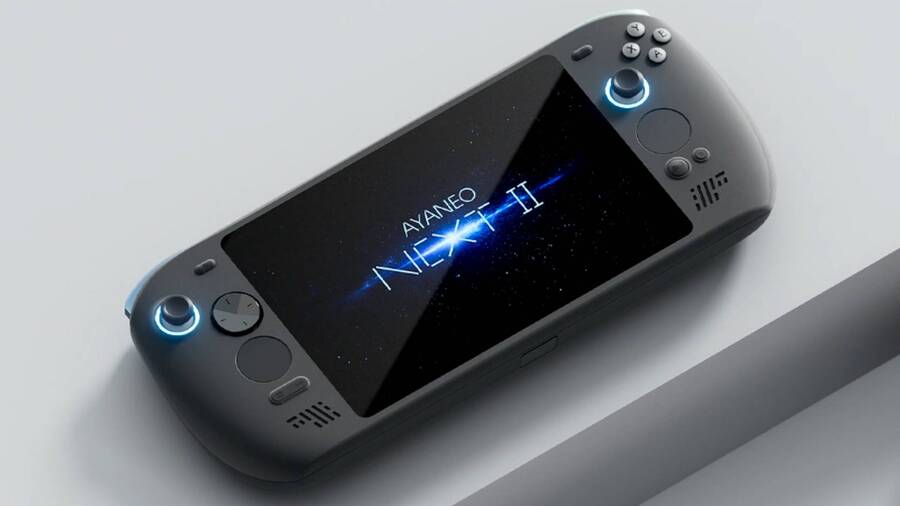
AYANEO, a prominent innovator in the burgeoning market of Windows and Android-based gaming handhelds, has announced the temporary suspension of all pre-orders for its highly anticipated NEXT 2 device. The decision, communicated via an update on the NEXT 2 IndiGoGo crowdfunding page, stems directly from an unprecedented and rapid escalation in the cost of memory components, which the company states has rendered the product financially unsustainable at its current selling price. This move highlights the precarious nature of hardware manufacturing in a volatile global supply chain, particularly for niche producers operating on tighter margins.
The Rise of AYANEO and the Handheld Gaming Renaissance
In recent years, AYANEO has carved out a significant niche, establishing itself as a leading creator of premium portable gaming devices. Its products are highly regarded by enthusiasts seeking cutting-edge performance for both modern PC gaming and advanced vintage emulation. The company distinguishes itself through a commitment to high-quality components, ergonomic designs, and a user experience tailored for serious gamers, often featuring powerful processors and vibrant displays that push the boundaries of portable entertainment. This dedication has fostered a loyal community of users who eagerly anticipate each new release.
The announcement of the AYANEO NEXT 2 was met with considerable excitement across the gaming community. Positioned as the company’s next-generation flagship, it was widely expected to set new benchmarks in the Windows handheld sector, directly competing with and, in many aspects, aiming to surpass devices like Valve’s popular Steam Deck. Initial previews and specifications suggested a powerful contender, promising enhanced performance, superior display technology, and a premium build quality designed to appeal to the discerning enthusiast. The device was poised to capitalize on the increasing demand for high-performance portable gaming solutions, a market segment that has exploded in popularity, driven by technological advancements and a consumer desire for gaming flexibility.
The Global Semiconductor and Memory Crisis: A Macroeconomic Headwind
The primary catalyst for AYANEO’s difficult decision is the ongoing global semiconductor and memory crisis, a complex issue that has plagued various sectors of the consumer electronics industry for several years. This crisis is not merely a transient shortage but a multifaceted challenge driven by a confluence of factors:
- Pandemic-Induced Demand Surge: The onset of the COVID-19 pandemic led to an unexpected surge in demand for electronics, as remote work, online education, and home entertainment became central to daily life. This created unprecedented pressure on semiconductor manufacturers.
- Supply Chain Disruptions: Lockdowns, labor shortages, and logistical bottlenecks across the globe severely impacted the intricate supply chains required for semiconductor production, from raw materials to fabrication and assembly.
- Geopolitical Tensions: Trade disputes and geopolitical strategies have influenced the availability and pricing of critical components, adding another layer of complexity to an already strained market.
- Manufacturing Capacity Limitations: Building new fabrication plants (fabs) is an incredibly capital-intensive and time-consuming process, often taking years to complete. Existing capacities struggled to keep pace with the exponential growth in demand, leading to bottlenecks in production, particularly for advanced nodes.
- Specific Impact on Memory (DRAM and NAND Flash): The memory market, crucial for devices like the NEXT 2, has been particularly volatile. Dynamic Random-Access Memory (DRAM) and NAND Flash memory, essential for system operations and storage, have experienced significant price fluctuations. Industry analysis firms like TrendForce and Gartner have consistently reported on the unpredictable nature of these markets, influenced by inventory levels, production yields, and fluctuating demand from key sectors like servers, mobile devices, and PCs. While there have been periods of price stability or even decline, the overall trend has been one of heightened unpredictability and upward pressure during peak demand cycles.
For a high-performance device like the AYANEO NEXT 2, which relies on substantial amounts of high-speed RAM and fast solid-state storage, these component costs represent a significant portion of the total bill of materials. Any sharp increase in these prices can quickly erode profit margins, making the initial retail price unfeasible.
A Chronology of Escalating Costs and AYANEO’s Dilemma
AYANEO’s statement provides a clear timeline of the challenges leading to the suspension:
- Pre-Launch Awareness: Even before the official launch and opening of pre-orders for the NEXT 2, AYANEO was acutely aware of rising storage prices. The company noted that these prices had been steadily increasing for several months.
- Strategic Decision to Proceed: Despite recognizing the significant cost pressure, AYANEO made a conscious decision to proceed with the launch and open pre-orders as planned. This was primarily driven by a desire to fulfill the long-standing anticipation of its loyal fanbase and avoid disappointing supporters who had been eagerly awaiting the NEXT 2. At this point, the company believed that prices might be nearing their peak and was prepared to operate with minimal profit margins, or even absorb a slight loss, to deliver on its promise.
- Post-Chinese New Year Shock: The critical turning point occurred after the Chinese New Year holiday. Upon re-engaging with suppliers to confirm the latest procurement prices for storage components, AYANEO was confronted with a staggering reality: storage prices had not only continued to rise but had increased "several times higher" than their pre-holiday levels.
- Unsustainable Cost Structure: This dramatic spike meant that the overall cost of producing each NEXT 2 unit had soared to a level "far higher than our current selling price." The company explicitly stated that the total product cost was now "even approaching twice the price we originally set." Such an exponential increase made continued sales at the advertised price utterly unsustainable from a business perspective.
AYANEO’s Official Rationale: Protecting Consumers and Brand Integrity
In its official statement on the IndiGoGo page, AYANEO articulated its rationale with a strong emphasis on consumer protection and long-term brand health. The company stated: "continuing to sell NEXT 2 under the current circumstances could potentially harm the interests of consumers and ultimately affect the long-term development of the brand." This highlights a responsible approach, choosing to halt sales rather than deliver a product that might be financially detrimental to the company, potentially leading to future issues like cancelled orders, compromised support, or even the eventual collapse of the project.
By suspending pre-orders, AYANEO aims to prevent a situation where it might be forced to either sell units at a crippling loss – jeopardizing its future innovation and operational stability – or, conversely, significantly raise prices mid-campaign, which could alienate customers and damage trust. The company underscored its commitment to existing pre-order holders, assuring them that their units would still be fulfilled. This decision, while disappointing for those awaiting the device, demonstrates a commitment to transparency and ethical business practices in the face of unforeseen market volatility.
The suspension is explicitly temporary. AYANEO stated, "If storage prices return to more reasonable levels in the future, we may consider resuming the sale of NEXT 2." However, the company also acknowledged the inherent uncertainty of the market, adding, "At this time, we cannot predict when storage prices will decline, but we will continue to closely monitor market changes." This leaves the future availability of the NEXT 2 in a state of indefinite deferment, contingent on external market forces beyond AYANEO’s immediate control.
Broader Implications for the Handheld Gaming Market and Beyond

The suspension of AYANEO NEXT 2 pre-orders sends ripples across the nascent yet rapidly growing market for high-performance handheld gaming PCs.
- Competitive Landscape: For competitors like Valve’s Steam Deck, GPD, ONEXPLAYER, and other emerging players, this situation underscores the intense pressure on hardware costs. While larger entities like Valve might have greater leverage with suppliers due to scale, even they are not immune to global component shortages and price fluctuations. AYANEO’s setback might temporarily clear some space, but it also signals a potential future challenge for anyone in this segment.
- Consumer Sentiment and Trust: While initial disappointment is inevitable for prospective buyers, AYANEO’s transparent communication and commitment to fulfilling existing orders could bolster long-term consumer trust. It demonstrates a company willing to make tough decisions to protect its community rather than push through an unsustainable product.
- Crowdfunding Vulnerability: The incident also serves as a stark reminder of the inherent risks in crowdfunding hardware. While platforms like IndiGoGo enable innovative products to reach market, they also expose projects to the full brunt of supply chain volatility, which can be particularly challenging for smaller companies without vast financial reserves or extensive supplier networks.
- Innovation vs. Cost: The dilemma faced by AYANEO highlights a broader tension in the tech industry: the drive for cutting-edge innovation versus the practical realities of component costs and market pricing. For niche devices that push performance boundaries, the premium components required make them especially sensitive to market shifts.
- Future Strategies: AYANEO may need to re-evaluate its strategy for the NEXT 2. This could involve redesigning the device with alternative, potentially less affected, components, or waiting for an extended period for market stabilization. Another possibility could be a future relaunch at a significantly higher price point, or even a tiered approach with different configurations to mitigate risk.
Industry analysts suggest that such instances, while disruptive, are becoming increasingly common in the current global economic climate. Companies must navigate complex supply chains, geopolitical uncertainties, and rapid shifts in demand. AYANEO’s decision, while difficult, reflects a pragmatic approach to business sustainability, prioritizing long-term viability and customer welfare over short-term sales at an unsustainable loss.
The future of the AYANEO NEXT 2 remains uncertain, tethered to the unpredictable fluctuations of the global memory market. Its fate will serve as a bellwether for how smaller, innovative hardware manufacturers can adapt and survive in an era defined by supply chain fragility and escalating component costs. For now, the gaming community watches and waits, hoping for a return to stability that will allow this promising flagship device to eventually reach eager hands.