Johny Imanuel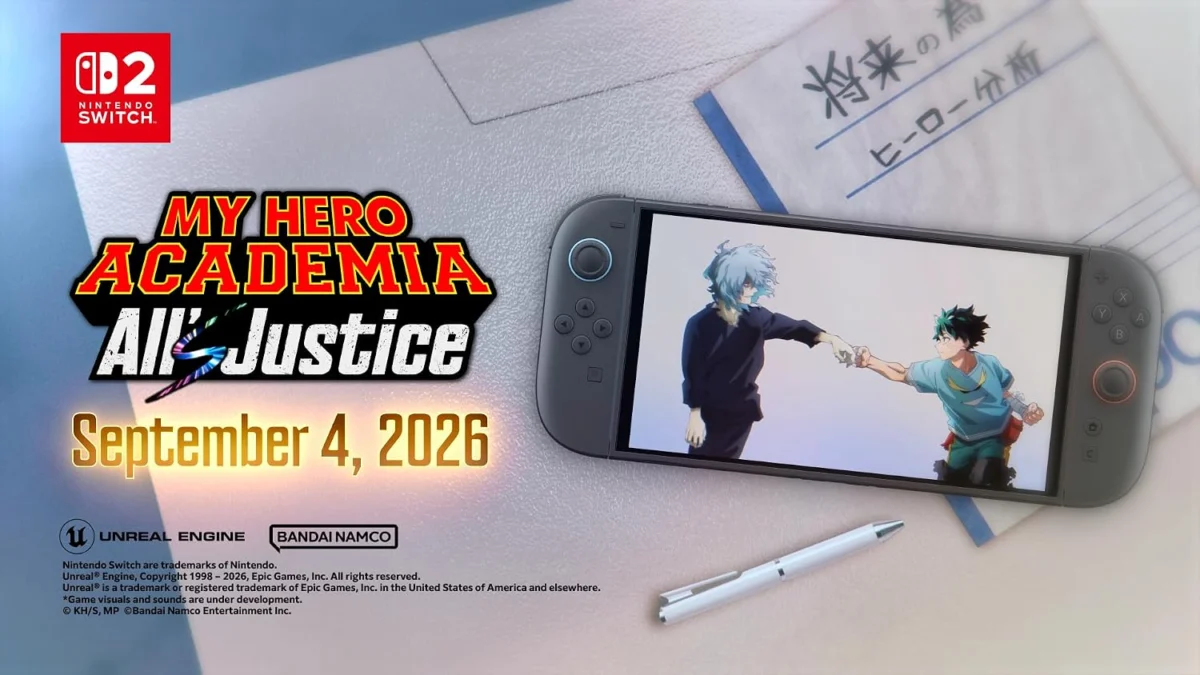
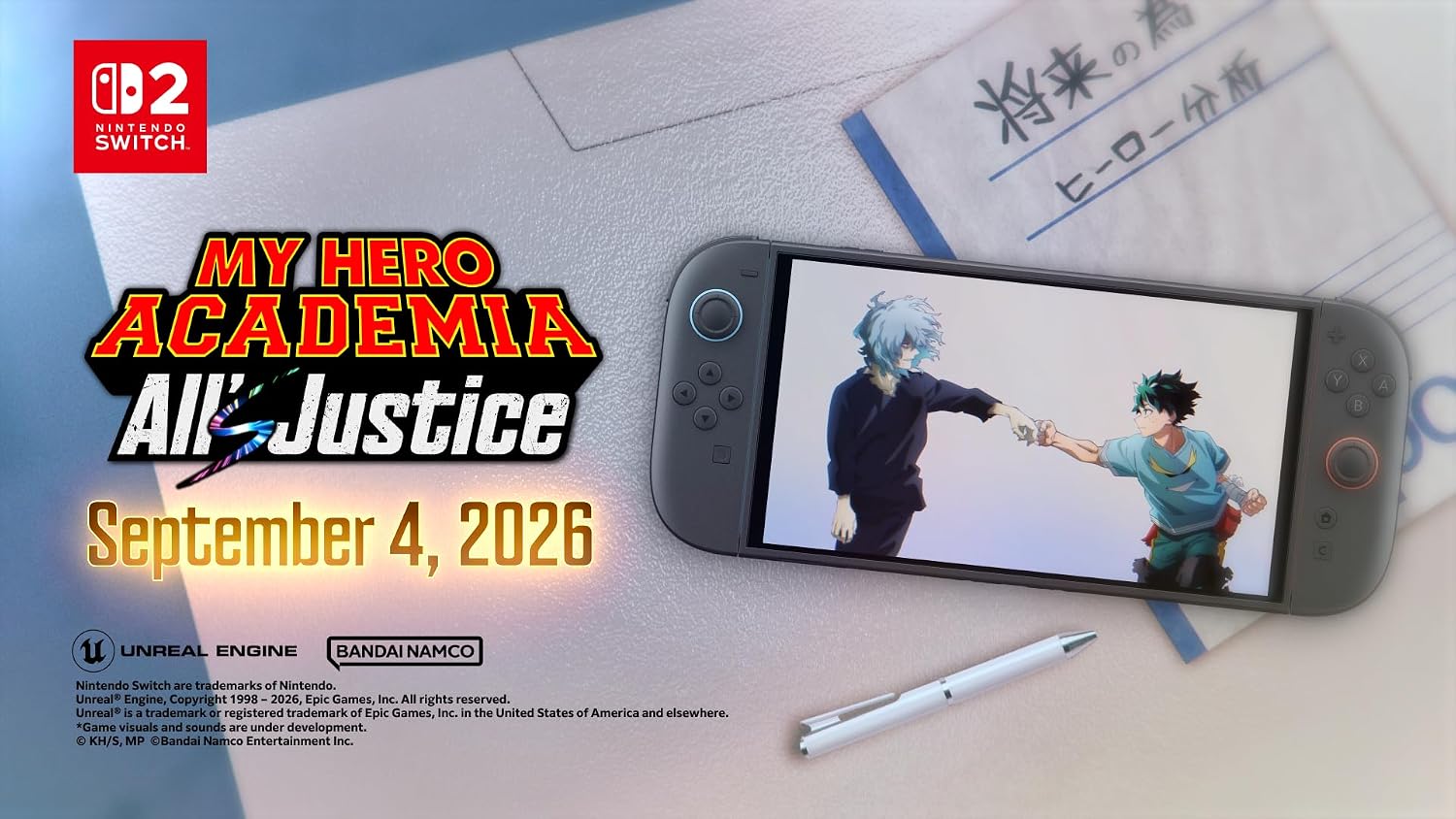
Bandai Namco has officially confirmed that the high-octane arena fighter My Hero Academia: All’s Justice is slated for a release on Nintendo’s next-generation hardware, the Switch 2. According to a formal announcement from the publisher, the title is scheduled to arrive on the platform on September 4, 2026. This release follows approximately seven months after the game’s initial debut on the PlayStation 5, Xbox Series X|S, and PC, marking a significant effort by the developer to bring the franchise to Nintendo’s latest ecosystem. The transition to the Switch 2 represents a pivotal moment for the series, as it leverages the enhanced processing power and unique features of the new hardware to deliver a more robust experience than its predecessors.
The announcement was accompanied by a comprehensive trailer showcasing the title running on the Switch 2, highlighting not only the visual fidelity of the port but also several platform-exclusive features designed to capitalize on the hardware’s social and connectivity capabilities. As the gaming industry moves further into the mid-2020s, the inclusion of My Hero Academia: All’s Justice in the Switch 2’s software library underscores the continued importance of major anime-based intellectual properties (IPs) in sustaining console momentum.
A Strategic Release Timeline and Launch Logistics
The September 4, 2026, release date positions My Hero Academia: All’s Justice as a key title for the autumn gaming season. By launching the Switch 2 port seven months after the versions for competing high-end consoles and PC, Bandai Namco appears to be following a refined "staggered release" strategy. This approach allows the developer to optimize the game specifically for Nintendo’s architecture, ensuring that the performance matches the expectations of a next-generation audience.
While digital pre-orders have not yet been listed on the official Nintendo eShop, major retailers have already begun updating their catalogs. An Amazon listing for the physical edition has gone live, providing early insight into the consumer incentives being offered. Customers who pre-order the title will receive a substantial digital package, including 30,000 Hero Coins—the game’s primary currency for unlocking cosmetic items and character enhancements. Furthermore, pre-orders will grant early access to "All for One Chaos" and "Izuku Midoriya Rising," two high-tier character variations that are central to the game’s competitive meta.
On the day of the Switch 2 launch, Bandai Namco will also deploy a comprehensive update across all existing platforms. This "Mini Game (All 10 Types)" update is set to introduce a suite of arcade-style diversions within the main game. Most notable among these is a Pac-Man-inspired mode, a thematic nod to Bandai Namco’s historic legacy in the arcade industry. This content parity ensures that the Switch 2 community enters a mature ecosystem with the same feature set as the PlayStation and Xbox player bases.
Switch 2 Exclusive Features and Technological Enhancements
One of the most significant revelations from the recent announcement trailer is the inclusion of a Switch 2 exclusive feature: GameChat online battles. This functionality is described as a "share play" style mechanic that allows two players to engage in online combat even if only one participant owns a copy of the game. In an era where digital accessibility is a major talking point among consumers, this feature positions the Switch 2 version as the most socially accessible iteration of the title.
Technically, the Switch 2 port is expected to bridge the gap between the portable convenience of the original Switch and the graphical prowess of stationary consoles. While specific resolution and frame rate targets have not been explicitly detailed in the press release, industry analysts suggest that the Switch 2 hardware will allow for significantly faster load times and more stable frame rates during the game’s chaotic 3D arena battles. The previous titles in the series, My Hero One’s Justice and its sequel, were noted for their stylized "Quirk" effects, which occasionally pushed the original Switch hardware to its limits. The move to the Switch 2 is expected to alleviate these bottlenecks, providing a fluid 60-frames-per-second experience even in handheld mode.
The Evolution of the "Justice" Series
The My Hero Academia gaming franchise has seen a steady evolution under Bandai Namco’s stewardship. The journey began with My Hero One’s Justice, which established the foundation for the series’ 3D combat mechanics. Its sequel, My Hero One’s Justice 2, expanded the roster and refined the "Plus Ultra" special move system. Both titles enjoyed successful tenures on the original Nintendo Switch, proving the viability of the IP on Nintendo platforms.
To celebrate the upcoming release of All’s Justice, Bandai Namco has initiated a promotional sale for the preceding titles. Until June 22, 2026, the original My Hero One’s Justice is available for $4.99, while the sequel is priced at $9.99. This pricing strategy is clearly intended to onboard new fans and allow them to catch up on the narrative and mechanical progression of the series before the new installment arrives in September.
My Hero Academia: All’s Justice represents the next logical step in this progression. By shifting the branding from "One’s Justice" to "All’s Justice," the developers are signaling a broader scope that encompasses the climax of the manga’s narrative. The game features an expanded roster that includes characters from the final arcs of the series, offering a definitive interactive experience for fans of Kohei Horikoshi’s world.
Supporting Data and Franchise Context
The success of the My Hero Academia games is inextricably linked to the performance of the source material. As of 2026, the My Hero Academia manga, published globally by Viz Media, remains a cornerstone of the Shonen Jump lineup. Similarly, the anime adaptation, hosted on platforms like Crunchyroll, continues to draw massive viewership numbers. This cross-media synergy provides a built-in audience for every game release.
Market data from previous anime-based arena fighters suggests that Nintendo platforms often account for a significant portion of total sales, particularly in Japan and North America. The portability of the Switch family makes it an ideal home for titles that favor quick, session-based combat. By bringing All’s Justice to the Switch 2, Bandai Namco is securing its foothold in a market segment that values both high-fidelity visuals and on-the-go playability.
Furthermore, the inclusion of the "Hero Coins" and "Chaos/Rising" variants as pre-order bonuses reflects a modern monetization strategy common in the "live service" era of gaming. While All’s Justice is primarily a fighting game, the inclusion of seasonal updates and currency systems suggests that Bandai Namco intends to support the title with long-term post-launch content, potentially including additional DLC characters and stage packs.
Official Responses and Industry Implications
While official statements from Nintendo regarding the specific hardware capabilities of the Switch 2 remain guarded, the announcement of a high-profile third-party title like My Hero Academia: All’s Justice serves as a vote of confidence in the new console. Third-party support was a critical factor in the original Switch’s success, and Bandai Namco’s commitment to a 2026 release suggests a strong pipeline of content for the hardware’s early lifecycle.
Spokespersons for Bandai Namco have emphasized that the Switch 2 version is not merely a port but a "tailored experience." In a brief comment following the trailer’s debut, the development team noted: "Our goal with My Hero Academia: All’s Justice on the Switch 2 was to ensure that the explosive energy of the anime is felt in every frame. The GameChat feature, in particular, is something we are proud of, as it brings the community together in a way that aligns with the heroic themes of the series."
Industry analysts view this move as a bellwether for how other major publishers will handle the transition to Nintendo’s new hardware. The seven-month gap between the PS5 and Switch 2 releases is seen as an acceptable compromise for a port that offers exclusive social features and optimized performance. It also suggests that the Switch 2 will be capable of running games developed for the current generation of Sony and Microsoft consoles, albeit with some platform-specific adjustments.
Broader Impact on the Anime Gaming Landscape
The release of My Hero Academia: All’s Justice on the Switch 2 is likely to influence how future anime titles are developed. The "arena fighter" genre has often been criticized for being repetitive, but the addition of mini-games (like the Pac-Man mode) and robust online sharing features (like GameChat) indicates a desire to add more value to the package.
As the manga reaches its conclusion and the anime enters its final stages, these games serve as the primary vehicle for fans to interact with the world of UA High. The technical leap provided by the Switch 2 will allow for more cinematic storytelling and complex environmental destruction, elements that are crucial for capturing the scale of the battles depicted in the series.
In conclusion, the arrival of My Hero Academia: All’s Justice on the Switch 2 on September 4, 2026, is a landmark event for both the franchise and the platform. With a combination of nostalgic mini-games, innovative social features, and a roster of fan-favorite heroes and villains, the title is poised to be a significant addition to the next-generation library. As the release date approaches, fans can expect further details regarding the full character list and additional Switch 2-specific enhancements that will define the future of the "Justice" series.