Indra Gunadi
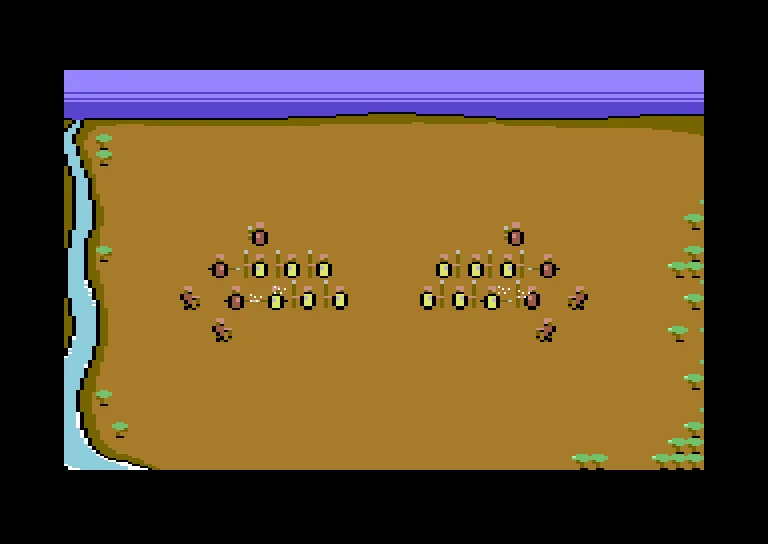
The release of Magister Militum on October 14, 2026, marks another significant milestone in the enduring legacy of the Commodore 64, a home computer platform that has maintained a vibrant homebrew and independent development scene for over four decades. Developed by the studio Windigo Productions, this new title blends strategic planning with real-time tactical combat, challenging players to navigate the complexities of ancient warfare within the hardware limitations of the 8-bit architecture. As the software landscape for retro-computing continues to expand, Magister Militum serves as a case study in how modern development tools and refined assembly programming can push the boundaries of classic 1980s hardware.
The Technical Architecture and Gameplay Mechanics
At its core, Magister Militum is designed to offer a balanced experience between long-term strategic logistics and high-intensity real-time conflict. The game’s premise revolves around the player’s role as a military commander serving under an unforgiving Emperor. This narrative framework—where the player’s margin for error is intentionally narrow—serves to heighten the tension inherent in the gameplay loop.
Technically, the game is optimized for both PAL and NTSC video standards, a crucial consideration for the global Commodore 64 community, which remains split across regional frequency differences. By ensuring compatibility with both the 50Hz and 60Hz systems, Windigo Productions has maximized the game’s accessibility to international enthusiasts. The control scheme is strictly limited to joystick input, a design choice that reflects the hardware constraints of the era while forcing players to rely on rapid, intuitive decision-making during the real-time phases of the battle.
A Chronology of the Commodore 64 Revival
To understand the context of Magister Militum, one must look at the trajectory of Commodore 64 software development since the mid-2010s. While the platform was officially discontinued in 1994, the community surrounding it has transitioned from mere preservation to active creation.
- 2015–2018: The "Modern Retro" era begins. Developers start utilizing cross-compilers and emulator-based debugging tools that drastically reduce the time required to write complex assembly code.
- 2020–2022: A surge in physical releases occurs. Independent publishers begin crowdfunding high-quality boxed editions, moving beyond simple digital distributions.
- 2024: The introduction of advanced graphical techniques—such as multi-color sprite multiplexing and custom raster interrupt routines—becomes standardized in high-end homebrew titles.
- 2026: The current landscape sees a shift toward more complex genre-blending, with titles like Magister Militum moving away from simple arcade ports and toward deeper, strategic simulations.
This timeline illustrates that the release of a new game in 2026 is not merely a hobbyist endeavor, but a sophisticated exercise in engineering that requires significant dedication to the MOS Technology 6510 microprocessor’s specific instruction set.
Supporting Data: The Longevity of 8-Bit Hardware
The Commodore 64 holds the record for the highest-selling single computer model in history, with estimates ranging between 12.5 and 17 million units sold during its production run. This massive install base, combined with the machine’s unique SID (Sound Interface Device) and VIC-II (Video Interface Chip) architecture, has created a niche market for software that remains surprisingly resilient.
Data from independent retro-gaming platforms indicates that the annual release rate of new Commodore 64 software has remained steady at approximately 80 to 120 titles per year since 2020. This indicates that the ecosystem is not in decline, but rather in a state of stable equilibrium. Developers like Windigo Productions contribute to this by iterating on established genres—in this case, the tactical strategy game—to provide fresh experiences for legacy hardware.
The Evolution of Strategy Games on C64
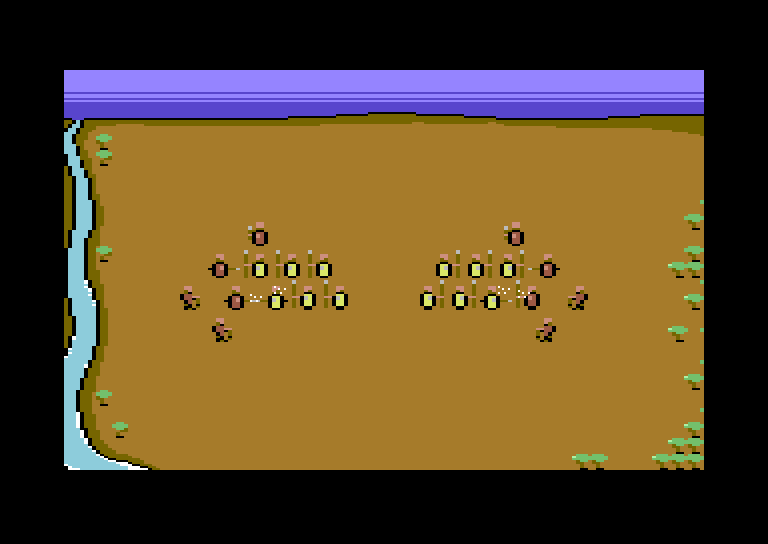
Historically, the Commodore 64 was home to foundational strategy titles such as Archon: The Light and the Dark and Sid Meier’s Crusade in Europe. These games established the vocabulary of digital strategy, but they were often limited by the memory overhead and processor speed of the era. Magister Militum arrives at a time when developers have mastered the art of memory management. By offloading complex calculations to specialized routines and optimizing the sprite-handling code, modern developers can facilitate more units on screen and more sophisticated AI logic than their 1980s predecessors could have envisioned.
While official comments from the development team at Windigo Productions remain focused on the game’s mechanics, industry analysts observe that such projects are often driven by a desire to "complete the potential" of the machine. The philosophy is that if the hardware had continued to receive professional support into the 1990s, the current state of Magister Militum is the logical evolution of that progress.
Broader Impact and Industry Implications
The release of Magister Militum has broader implications for the software industry’s relationship with legacy systems. It highlights the viability of "niche long-tail development." For modern studios, the Commodore 64 represents a platform where the creative constraints act as a catalyst for innovation. When resources are limited to 64 kilobytes of RAM, every line of code becomes a performance optimization, a process that arguably improves the overall design discipline of the developers involved.
Furthermore, the game serves as a bridge between generations. Younger developers, often utilizing modern C or assembly cross-compilers, are collaborating with veterans of the original 8-bit era. This transfer of knowledge is essential for the sustainability of retro-computing. The success of a game like Magister Militum encourages further investment in hardware expansions, such as modern SD-card-based disk emulators (e.g., the 1541 Ultimate) and accelerated processor replacements, which further widen the capabilities of the original console.
Strategic Challenges and Player Reception
In Magister Militum, the emphasis on real-time combat forces a departure from the "turn-based" comfort zone that many strategy players prefer. By forcing the player to manage their army under pressure, the game mimics the chaos of historical combat, where logistical planning is often undermined by the friction of the battlefield.
Initial reactions from the community highlight the difficulty curve as a primary feature. In an era where many modern games offer significant "quality of life" assistance, the uncompromising nature of this title—where the Emperor’s forgiveness is limited—is being received as a refreshing return to the "Nintendo Hard" standard of the 1980s. The joystick-only control scheme, while restrictive, effectively ensures that there is no input latency, maintaining the tight responsiveness required for high-speed tactical maneuvering.
Conclusion: A Testament to Enduring Design
The release of Magister Militum is a significant event for those interested in the longevity of digital technology. It demonstrates that the Commodore 64 is more than just a museum piece; it is a platform capable of supporting new, intellectually stimulating content. As Windigo Productions continues to support the title through community feedback and potential patches, the game stands as a testament to the fact that great game design is not dependent on high-definition graphics or massive processing power, but on the clarity of its mechanics and the depth of its challenge.
For the Commodore 64 community, the arrival of this title represents a continuation of a culture that values craftsmanship and the pursuit of excellence on limited hardware. Whether the game will see a physical, cartridge-based release remains a point of interest for collectors, but its digital presence is already cemented in the platform’s ongoing history. As we move further into the 2020s, the efforts of developers like Windigo Productions ensure that the 8-bit legacy remains a living, breathing entity, constantly evolving through the work of those who refuse to let the history of computing fade away.