Cecilia Chamidah Nur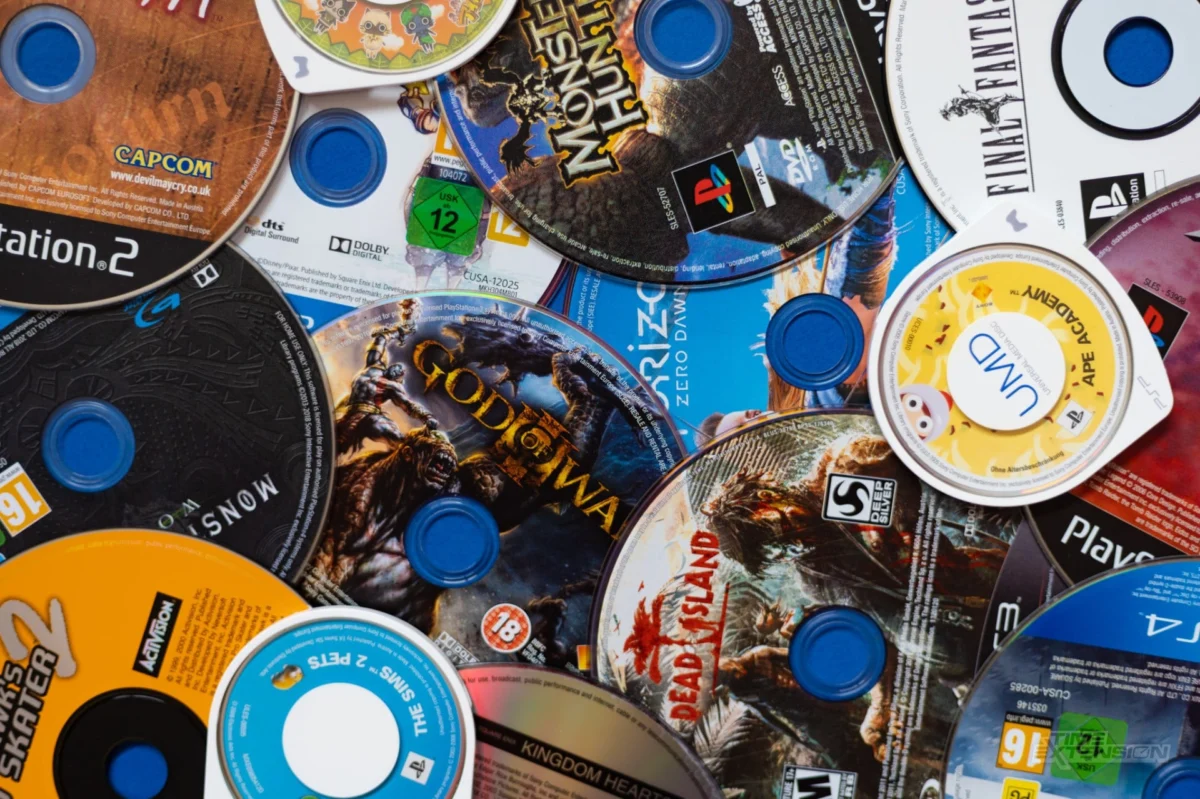
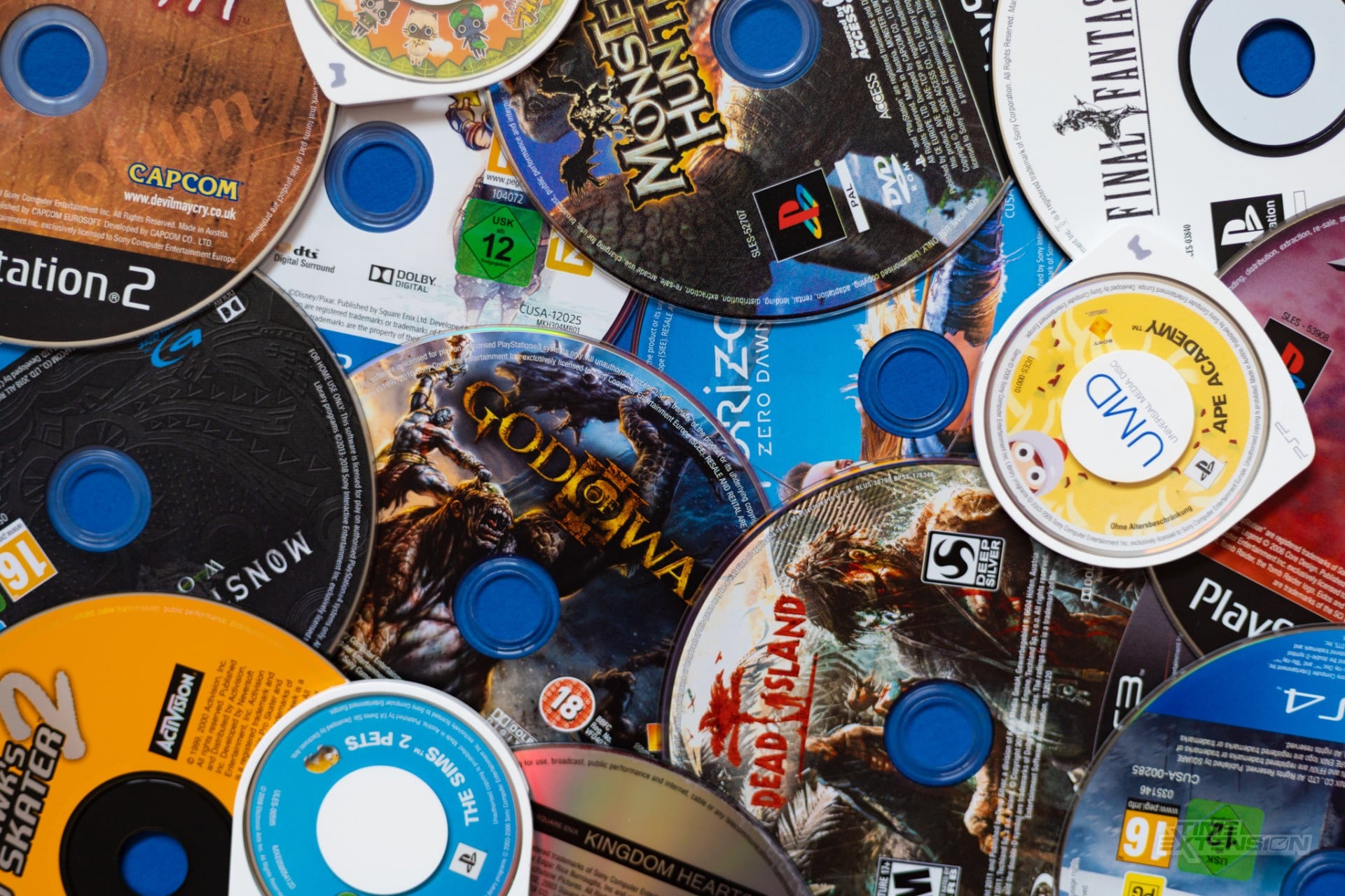
Sony’s recent confirmation that it plans to abandon disc-based physical releases for PlayStation 5 and future consoles by 2028 has ignited widespread discussion across the gaming industry, marking a definitive pivot towards an entirely digital distribution model. This strategic shift, while shocking to many traditionalists, resonates deeply with a prediction made over a decade ago by David Darling, co-founder of the renowned British game developer Codemasters. In 2013, during the tumultuous launch period of the Xbox One, Darling controversially asserted that physical media was a "dead body" handcuffing console manufacturers and hindering progress, a sentiment that now appears remarkably prescient in light of Sony’s impending move.
The Unfolding of a Prophecy: Sony’s Definitive Move
The announcement from Sony, detailed by sources close to the company, signals a profound change for the PlayStation ecosystem. By 2028, PlayStation consoles will cease receiving disc-based physical releases, effectively making all future games exclusively digital. This decision is not an isolated event but rather the culmination of years of evolving consumer habits, technological advancements, and economic realities within the entertainment sector. The writing has arguably been on the wall since the launch of the PlayStation 5 in 2020, which notably offered a Digital Edition alongside the standard disc-drive model. This dual approach allowed consumers to choose their preferred method of game acquisition, but the sales trends have consistently favored digital, with many players opting for the convenience and often lower price point of downloaded titles.
Sony’s transition is driven by several factors. Economically, digital distribution offers significantly higher profit margins for publishers and platform holders. It eliminates manufacturing costs for discs, packaging, shipping, and the need for retail shelf space. Logistically, it streamlines the supply chain, reduces waste, and allows for instantaneous global release of games. Environmentally, reducing physical production aligns with growing corporate sustainability initiatives, though the energy consumption of massive data centers for digital distribution remains a counterpoint. For consumers, the allure of immediate access, pre-loading games, and building extensive digital libraries has proven increasingly powerful.
A Decade Ago: The Xbox One’s Misstep and Darling’s Dissent
To fully appreciate Darling’s foresight, one must revisit the gaming landscape of 2013, a pivotal year that saw the launch of the PlayStation 4 and Xbox One. Microsoft, keen to push the boundaries of digital distribution, initially announced a series of controversial Digital Rights Management (DRM) policies for the Xbox One. These policies included an "always online" requirement, restrictions on second-hand game sales, and a system where disc-based games would be tied to a user’s account, effectively converting physical purchases into digital licenses. Microsoft envisioned a future where discs were merely keys to digital downloads, allowing for family sharing of digital libraries and seamless game switching without disc swapping.
However, the public reaction was overwhelmingly negative. Consumers and media outlets alike erupted in protest, citing concerns over game ownership, privacy, internet dependency, and the potential elimination of the vibrant second-hand market. The outcry, fueled by viral memes and intense social media campaigns like #DRMGate, forced Microsoft to perform an embarrassing and unprecedented U-turn just months before the console’s launch. They reversed nearly all of their contentious DRM policies, reinstating traditional physical media functionality and offline play. This capitulation, while appeasing the immediate consumer base, arguably cost the Xbox One significant momentum in its early battle against the PlayStation 4.
It was in the aftermath of this "kerfuffle," as Darling termed it, that he shared his candid views with GamesIndustry.biz. He believed Microsoft’s retreat was a profound mistake, arguing that the company hadn’t been "strong enough" in selling its vision. Darling’s now-famous quote encapsulated his conviction: "I don’t think they should have had a physical drive on Xbox One – it’s like having a dead body handcuffed to you. It’s dragging along this dead body and it’s going to slow them down. They’ve let the market pull them back but I think that was a mistake."
Darling’s metaphor was stark but insightful. He viewed physical media not just as an outdated format but as a tangible impediment to progress. The costs associated with manufacturing, distributing, and retailing physical discs, coupled with the logistical complexities and the demands of the used game market, were, in his eyes, an anchor. He predicted a rapid, almost sudden, "flip" to digital: "The industry will definitely move in that direction, and I think it will move very quickly. It’s a bit like flipping a coin – at some stage it will just flip. It will change in six months and everybody will wonder why it never changed before. There’s no point in distributing physical media when the internet exists." While his timeline of "six months" proved optimistic, the direction he foresaw has undeniably come to pass, albeit over a decade.
The Inexorable March Towards Digital Dominance: Supporting Data and Trends
Darling’s prediction wasn’t merely speculative; it was rooted in an understanding of underlying technological and economic currents that were already shifting. The years following 2013 have provided ample data to support the trajectory he identified:
- Growth of Digital Sales: Market research firms like the NPD Group (now Circana) have consistently reported year-over-year growth in digital game sales, often at the expense of physical copies. By 2020, digital sales accounted for over 80% of total game sales revenue globally, a figure that has only continued to climb. Major publishers like Activision Blizzard, Electronic Arts, and Ubisoft regularly report that digital channels constitute the vast majority of their game sales, particularly for full-game downloads and in-game content.
- Decline of Physical Retail: The erosion of physical media sales has had a devastating impact on dedicated video game retailers. Chains like GameStop have struggled immensely, closing numerous stores and attempting to pivot their business models to collectibles, merchandise, and pre-owned hardware. The shrinking physical footprint further discourages publishers from investing in disc production and distribution.
- PC Gaming as a Precedent: The PC gaming market had already largely transitioned to digital distribution long before consoles. Platforms like Steam, established in 2003, revolutionized PC game sales, offering unparalleled convenience, vast libraries, and frequent sales that conditioned a generation of players to prefer digital downloads. This demonstrated the viability and eventual inevitability of a digital-first approach for other platforms.
- Rise of Subscription Services: The proliferation of subscription services like Xbox Game Pass, PlayStation Plus Extra/Premium, and Nintendo Switch Online has further accelerated the shift. These services offer vast libraries of digital games for a monthly fee, reducing the perceived need for individual game purchases, whether physical or digital. This model prioritizes access over ownership, a fundamental paradigm shift.
- Convenience and Instant Gratification: Modern broadband internet speeds make downloading large game files a quick and seamless process. The ability to pre-load games, play them at midnight on release day, and avoid trips to a physical store has become a significant convenience factor for many gamers.
The Other Prediction: Apple and Google’s Home Gaming Ambitions (and why they didn’t fully materialize)
While Darling’s forecast for physical media proved remarkably accurate, his crystal ball wasn’t entirely clear on all fronts. In the same 2013 interview, he also predicted that technology giants like Google and Apple would "take over the home gaming space," much like Apple’s iPhone had effectively replaced dedicated handheld consoles such as the PlayStation Vita and Nintendo 3DS in the "pocket" market.
Darling envisioned Apple leveraging its ecosystem, specifically Apple TV, by enhancing its hardware with faster processors and more RAM, coupled with a robust App Store for games and a dedicated gaming controller. He believed this combination could "steal the market away from Xbox One and PS4." Similarly, the implicit assumption was that Google, with its Android ecosystem, would also make a significant play in the living room.
Looking back, Apple did make strides in gaming with Apple Arcade, a subscription service offering a curated library of mobile games, and continued to integrate gaming features into Apple TV. However, it never truly challenged the dominance of Sony, Microsoft, and Nintendo in the dedicated home console market. Apple’s focus remained largely on casual and mobile gaming experiences, rather than the high-fidelity, AAA titles that define the console space.
Google’s attempt was arguably more ambitious and more public. In 2019, Google launched Stadia, a cloud-based gaming service that aimed to stream AAA games directly to users’ devices without the need for dedicated console hardware. It was a bold vision that aligned with Darling’s idea of a non-traditional player disrupting the market. However, Stadia ultimately failed, shutting down in early 2023. Its demise was attributed to several factors: a lack of exclusive content, latency issues for many users, a confusing business model, and the formidable competition from established console manufacturers and their own burgeoning cloud streaming initiatives (like Xbox Cloud Gaming).
While cloud gaming itself continues to evolve and grow, it has not yet supplanted traditional console gaming as Darling envisioned. His correct prediction regarding Apple’s dominance in the handheld market highlights the nuanced nature of technological foresight; understanding market dynamics is key, but the execution and specific competitive landscape can alter outcomes significantly. The home console market proved to be a much tougher nut to crack for the tech giants, perhaps due to the entrenched brand loyalty, the high barrier to entry for AAA game development, and the unique cultural identity surrounding console gaming.
David Darling: A Visionary’s Legacy
David Darling’s career in the video game industry spans decades, marked by innovation, entrepreneurship, and a keen eye for future trends. He co-founded Codemasters in 1986 with his brother Richard, growing it into one of the most respected British game development studios, known for iconic franchises like Dizzy, Micro Machines, and Colin McRae Rally.
One of Darling’s most famous achievements was the legal battle against Nintendo over the Game Genie cheat cartridge. Codemasters, alongside Galoob, successfully defended their right to sell the device, which allowed players to modify game code, against Nintendo’s claims of copyright infringement. This victory was a landmark moment, asserting consumer rights and challenging the tight control platform holders sought to exert over their ecosystems – a prescient echo of future debates surrounding digital rights and ownership.

Darling’s contributions to the computer games industry were recognized with a CBE (Commander of the Order of the British Empire) in 2008. He departed Codemasters in 2007, but his entrepreneurial spirit remained undimmed. In 2011, he established Kwalee, a mobile game developer and publisher that has achieved significant success in the hyper-casual mobile gaming space, demonstrating his continued adaptability and relevance in an ever-changing industry. His ability to identify disruptive technologies and market shifts, even when initially unpopular, underscores his status as a true visionary.
Implications of a Digital-Only Future
Sony’s impending transition, validating Darling’s decade-old prediction, carries significant implications across the gaming ecosystem:
- For Consumers:
- Pros: Enhanced convenience (instant downloads, no disc swaps), potentially lower prices for digital-only consoles, and seamless integration with subscription services.
- Cons: Loss of true ownership (games are licensed, not owned), inability to resell or trade games, dependence on platform storefronts (what happens if a digital store closes or specific games are delisted?), and potential challenges for game preservation if digital titles become unavailable over time. The "digital rights management" aspect means consumers are beholden to the platform holder’s terms and conditions.
- For Developers and Publishers:
- Pros: Higher profit margins due to the elimination of manufacturing and distribution costs, direct control over game distribution and pricing, easier patching and updates, and richer data analytics on player behavior.
- Cons: Increased competition for discoverability on digital storefronts, reliance on platform holders for visibility and distribution, and the potential for platform fees to cut into revenue.
- For Retailers: The impact on physical game retailers will be severe. Companies like GameStop, already struggling, will face an even more existential threat as a core product category vanishes. This will necessitate further diversification or consolidation within the retail sector.
- Game Preservation: This is perhaps the most significant long-term concern. Physical media, even if outdated, offers a tangible artifact that can be preserved and played as long as compatible hardware exists. Digital-only games, however, are vulnerable to server shutdowns, licensing expirations, and format obsolescence. The ability of future generations to access and experience gaming history depends heavily on robust digital archiving strategies by platform holders and independent preservation efforts, which face substantial technical and legal hurdles.
- Environmental Impact: While reducing physical production lowers material waste and transportation emissions, the massive energy consumption of data centers required to store, distribute, and stream digital games presents its own environmental footprint. The net effect is complex and debated.
The Road Ahead: What’s Next for the Industry?
The shift to an all-digital future for major console platforms appears inevitable, with Sony’s 2028 deadline serving as a definitive marker. While niche markets for physical media may persist (e.g., collector’s editions, retro gaming, independent limited runs), they will become increasingly marginal. The industry will continue its trajectory towards a model dominated by digital storefronts, subscription services, and potentially further integration with cloud gaming technologies.
David Darling’s 2013 assessment, initially met with skepticism by many, now stands as a powerful testament to his intuitive grasp of technological evolution and market forces. His "dead body" metaphor, once a controversial statement, has transformed into a poignant description of the past, as the gaming world, finally unhandcuffed, fully embraces its digital destiny. The ramifications of this complete transition, from consumer rights to historical preservation, will continue to unfold and shape the future of interactive entertainment for decades to come.