Indra Gunadi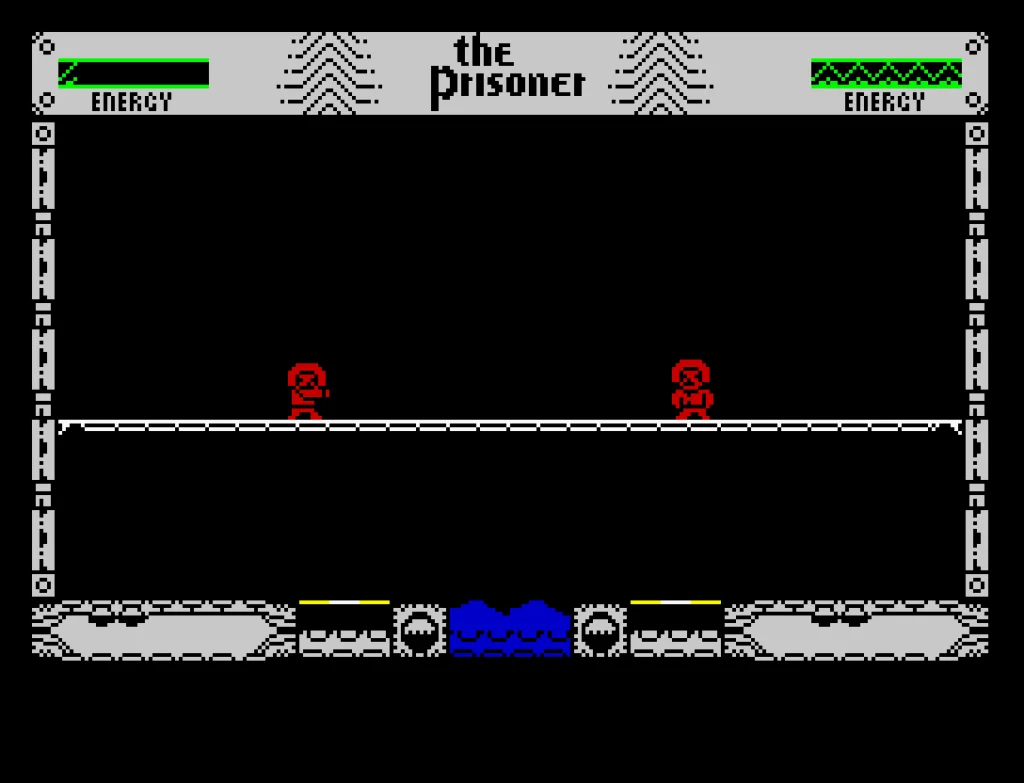
On July 17, 2026, the venerable Sinclair ZX Spectrum platform welcomed a notable addition to its burgeoning modern software library with the release of "Kosho," a new title developed by ZXAMAZE. This game, available through the developer’s itch.io page, immediately distinguishes itself not only as a contemporary creation for a retro system but also as a direct homage to the iconic 1960s British surrealist spy-fi television series, "The Prisoner." The announcement, originating from retro gaming archival sites like PDROMs.de, highlights a growing trend in the retro computing community: the continuous development of new software for classic hardware, demonstrating an enduring passion and technical prowess among dedicated enthusiasts.
The Game: Mechanics and Thematic Core
"Kosho" for the ZX Spectrum is conceptualized around a unique gameplay premise: two combatants engage in a duel on trampolines, with the primary objective being to skillfully manoeuvre and knock the opponent into a tank of water. This deceptively simple concept belies a potential for strategic depth, demanding precise timing and movement from players. The graphical presentation, as indicated by accompanying screenshots, adheres to the distinctive visual style inherent to the ZX Spectrum, characterized by its vibrant, albeit limited, colour palette and pixelated aesthetic. The game’s 2026 release date places it firmly within the modern era of retro development, showcasing how contemporary developers continue to innovate within the technical constraints of systems designed decades ago.
A Deep Dive into "The Prisoner" Connection
The most compelling aspect of "Kosho" is its explicit tribute to "The Prisoner," specifically referencing the show’s memorable "Kosho" sequence. For those unfamiliar, "The Prisoner" aired from 1967 to 1968, starring and co-created by Patrick McGoohan. The series follows a former British secret agent, known only as Number Six, who is abducted and imprisoned in a mysterious, picturesque coastal community known as The Village. The inhabitants of The Village are all identified by numbers rather than names, and their captors relentlessly attempt to extract information from Number Six, who steadfastly refuses to comply.
One of the most visually striking and thematically resonant activities in The Village is "Kosho." This fictional sport, depicted in the episode "The Schizoid Man," involves two individuals dressed in judo-style uniforms, bouncing on giant trampolines, attempting to force each other into a pool of water below. It is a sport of physical prowess and mental agility, often used within the series as a metaphor for the psychological battles waged between Number Six and his various wardens. The iconic phrase, "Be seeing you," a common parting remark in The Village, is also directly referenced in the game’s description, further cementing its connection to the cult classic.
ZXAMAZE’s decision to adapt this specific element of "The Prisoner" into a video game is a testament to the show’s lasting cultural impact and its unique visual language. It demonstrates an understanding of the niche appeal of the series and a willingness to translate its abstract concepts into an interactive format. The choice of the ZX Spectrum as the target platform also aligns with a certain sensibility—both "The Prisoner" and the ZX Spectrum represent eras of British innovation and idiosyncratic design, making the pairing feel thematically appropriate.
The Enduring Legacy of the Sinclair ZX Spectrum
The Sinclair ZX Spectrum, launched in the United States by Timex as the Timex Sinclair 2068 and in the UK by Sinclair Research in 1982, was a pioneering 8-bit home computer that played a pivotal role in the early development of the British and European video game industries. Powered by a Zilog Z80 microprocessor, initially with 16 KB or 48 KB of RAM (later expanding to 128 KB models), it offered a distinctive colour display, albeit with a unique "colour clash" artefact due to its memory-mapped video architecture. Its relatively affordable price point and robust programming environment (featuring a built-in BASIC interpreter) made it accessible to a wide audience, fostering a generation of bedroom coders and nascent game developers.
Over its lifespan, the ZX Spectrum saw the release of thousands of games, ranging from arcade conversions and text adventures to groundbreaking original titles that pushed the boundaries of what was thought possible on the system. Iconic titles like "Manic Miner," "Elite," "Dizzy," and "Sabre Wulf" cemented its place in gaming history. Even after its commercial decline in the late 1980s and early 1990s, supplanted by 16-bit machines like the Amiga and Atari ST, the Spectrum maintained a loyal following.
The Modern Retro Homebrew Phenomenon
The release of "Kosho" is not an isolated incident but rather a vibrant example of the thriving modern retro homebrew scene. Decades after the last official ZX Spectrum hardware rolled off production lines, a dedicated community of programmers, artists, and musicians continues to develop new games and applications for the platform. This phenomenon is driven by several factors:
- Nostalgia and Passion: Many developers grew up with the ZX Spectrum and are driven by a deep affection for the system and its unique charm. Creating new content is a way to relive their youth and contribute to the platform’s legacy.
- Technical Challenge: Developing for an 8-bit system with limited resources presents a unique and stimulating technical challenge. Optimizing code, crafting pixel art, and composing chiptune music within strict memory and CPU constraints requires immense skill and creativity.
- Community and Collaboration: The retro computing community is highly active and collaborative. Forums, online groups, and platforms like itch.io facilitate knowledge sharing, beta testing, and mutual support among developers and enthusiasts.
- Accessibility of Tools: While development for the Spectrum once required specialized knowledge and hardware, modern cross-compilers, emulators, and development environments (such as Z88DK, SDCC, and various pixel art editors) have made it significantly more accessible for contemporary programmers.
- Desire for New Experiences: Even with thousands of existing games, the community craves new and innovative titles that push the boundaries of what the Spectrum can do, or offer fresh takes on classic genres.
ZXAMAZE, as a developer contributing to this ecosystem, likely embodies many of these motivations. Their choice to tackle a unique concept like "Kosho" from "The Prisoner" suggests a blend of technical ambition and a strong sense of cultural appreciation.
Inferred Developer Intent and Community Reaction
While direct statements from ZXAMAZE are not provided in the original snippet, one can infer several key intentions behind the development of "Kosho." Firstly, the project likely stems from a deep personal connection to "The Prisoner," indicating a desire to pay homage to a significant cultural touchstone. Secondly, the choice of the ZX Spectrum suggests a passion for retro computing and a commitment to creating high-quality experiences within the platform’s limitations. This often involves meticulous pixel art, efficient Z80 assembly programming, and careful attention to gameplay mechanics that feel authentic to the era while offering modern polish.
The retro gaming community’s reaction to such releases is typically enthusiastic. New ZX Spectrum games, especially those with unique concepts or strong cultural references, are often met with excitement. Forums dedicated to the Spectrum, retro gaming news sites, and social media channels would likely feature discussions, reviews, and playthroughs of "Kosho." Players would appreciate the novelty of a new game for their cherished system, the clever adaptation of "The Prisoner" theme, and the sheer dedication required to bring such a project to fruition. The mention of it being a "1 min read" on PDROMs.de indicates its newsworthiness within the retro community, signifying an immediate interest upon its release.
Implications for the Retro Gaming Landscape
The continuous flow of new releases like "Kosho" has several significant implications for the broader retro gaming landscape:
- Preservation of Legacy: Each new game developed for an old system helps keep that system relevant and ensures its legacy endures. It encourages new generations to explore the hardware and its capabilities.
- Innovation within Constraints: Retro development forces creativity and ingenuity. Developers must find novel ways to tell stories, create compelling gameplay, and design engaging visuals within severe technical limitations, often leading to surprisingly innovative results.
- Cross-Generational Appeal: These games often bridge the gap between older enthusiasts and younger players curious about the origins of video games. Emulators make these titles accessible even without original hardware.
- Cultural Dialogue: Games that reference other forms of media, like "The Prisoner," foster a rich cultural dialogue, connecting different artistic and technological eras.
- Economic Micro-Ecosystem: Platforms like itch.io enable independent developers to release and even monetize their creations, contributing to a small but significant micro-economy around retro software. While "Kosho" is available via a direct link, many homebrew games are sold for nominal fees or "pay what you want," supporting further development.
The fact that a game like "Kosho" is being released in 2026, over four decades after the ZX Spectrum’s initial launch, underscores the unparalleled longevity of certain computing platforms. It’s not merely a historical curiosity but a living, evolving ecosystem.
Technical Considerations and Development Process (Inferred)
Developing "Kosho" for the ZX Spectrum would have involved navigating the platform’s specific technical challenges. The Z80 processor, running at approximately 3.5 MHz, demands highly optimized code, often written in assembly language, to achieve smooth animation and responsive gameplay. The Spectrum’s screen resolution of 256×192 pixels, coupled with its attribute system (where colour is defined in 8×8 pixel blocks), requires careful planning to avoid the infamous "colour clash" and create visually appealing graphics. Memory constraints (48KB or 128KB total RAM) necessitate efficient use of data structures and sprites.
ZXAMAZE would have likely employed modern development tools such as cross-compilers (like Z88DK for C or Pasmo/Sjasmplus for assembly), integrated development environments (IDEs) with Z80 debugging capabilities, and pixel art software specifically designed for retro palette limitations. The iterative process would involve writing code, compiling it, testing it on an emulator (such as Fuse or Spectaculator), and perhaps even on original hardware to ensure compatibility and authentic feel. The creation of "Kosho" represents a significant investment of time and skill, a testament to the dedication of its developer.
Conclusion: A Symbol of Enduring Creativity
The release of "Kosho (2026)" by ZXAMAZE for the Sinclair ZX Spectrum is more than just another game; it is a cultural artifact. It embodies the enduring spirit of creativity within the retro computing community, showcasing how a decades-old platform can continue to inspire innovation. By blending nostalgic gameplay mechanics with a unique tribute to "The Prisoner," "Kosho" serves as a bridge between different eras of popular culture and technology. Its arrival in 2026 reinforces the notion that the ZX Spectrum is far from obsolete, continuing to thrive as a canvas for new ideas and a testament to the timeless appeal of well-crafted, conceptually engaging software. As the retro gaming scene continues to evolve, titles like "Kosho" ensure that the legacy of platforms like the ZX Spectrum remains vibrant, challenging, and endlessly entertaining.