Vera Clarissa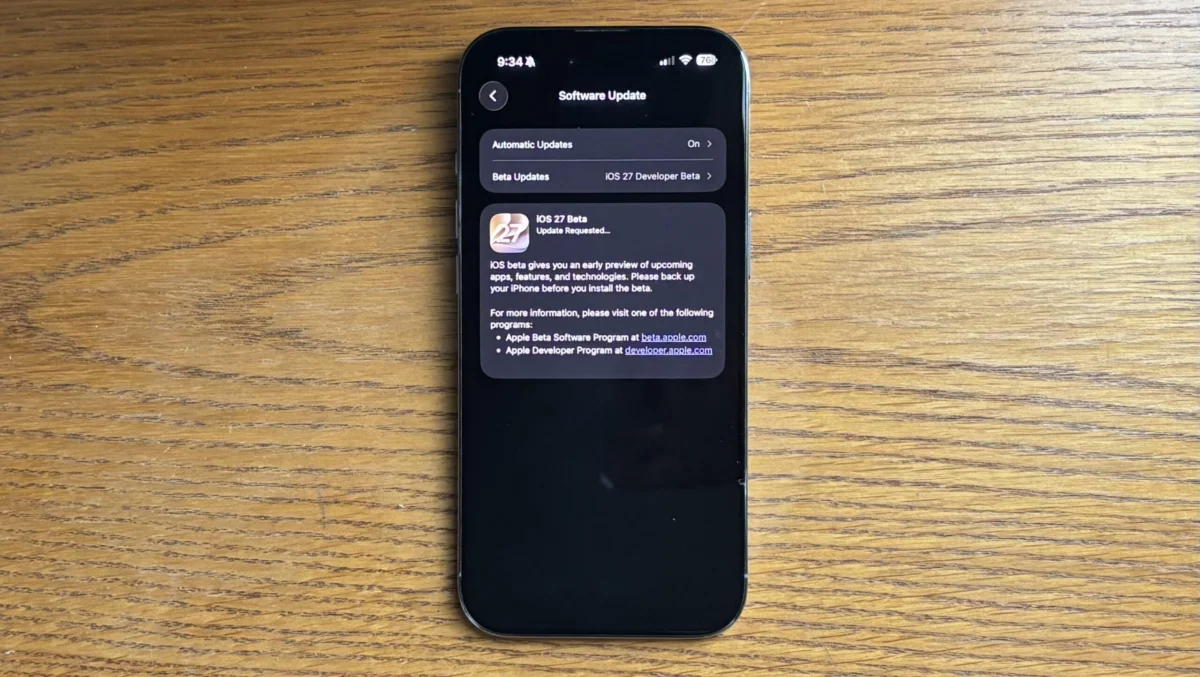
CUPERTINO, CA – Apple has officially released the first developer beta for iOS 27, offering an early look at the forthcoming iteration of its flagship mobile operating system. Unveiled at the highly anticipated Worldwide Developers Conference (WWDC) 2026, this initial beta build provides developers and early adopters with a first impression of the significant changes and performance enhancements expected in the final release. While the beta period is known for introducing novel features, it also inherently comes with the expectation of encountering bugs and unexpected behaviors.
The release of iOS 27 Developer Beta 1 follows a familiar pattern established in previous years, with Apple consistently providing developers with pre-release access to test and integrate their applications with the new operating system. This iterative process is crucial for ensuring a smooth and stable public launch, allowing Apple to identify and address potential issues before widespread deployment. The second beta is anticipated to follow shortly, bringing further refinements and potentially new features based on feedback from the initial release.
WWDC 2026: A Platform for Innovation
WWDC 2026, held from [Insert hypothetical date range, e.g., June 8th to June 12th, 2026], served as the grand stage for Apple to unveil its latest software advancements across its entire ecosystem, including iOS, iPadOS, macOS, watchOS, and tvOS. The annual conference, a cornerstone event for developers worldwide, typically highlights Apple’s strategic direction and introduces key technologies that will shape user experiences for the coming year. This year’s event, in particular, is rumored to have placed a significant emphasis on artificial intelligence and enhanced device interconnectivity.
The developer beta program is a critical component of Apple’s software development lifecycle. By releasing beta versions, Apple invites a global community of developers to experiment with new APIs, frameworks, and system-level changes. This collaborative approach allows for extensive testing across a diverse range of hardware and usage scenarios, far beyond what Apple’s internal teams can achieve alone. The feedback loop generated through beta testing is invaluable for identifying performance bottlenecks, compatibility issues, and user interface inconsistencies.
Early Impressions: Performance and Potential Pitfalls
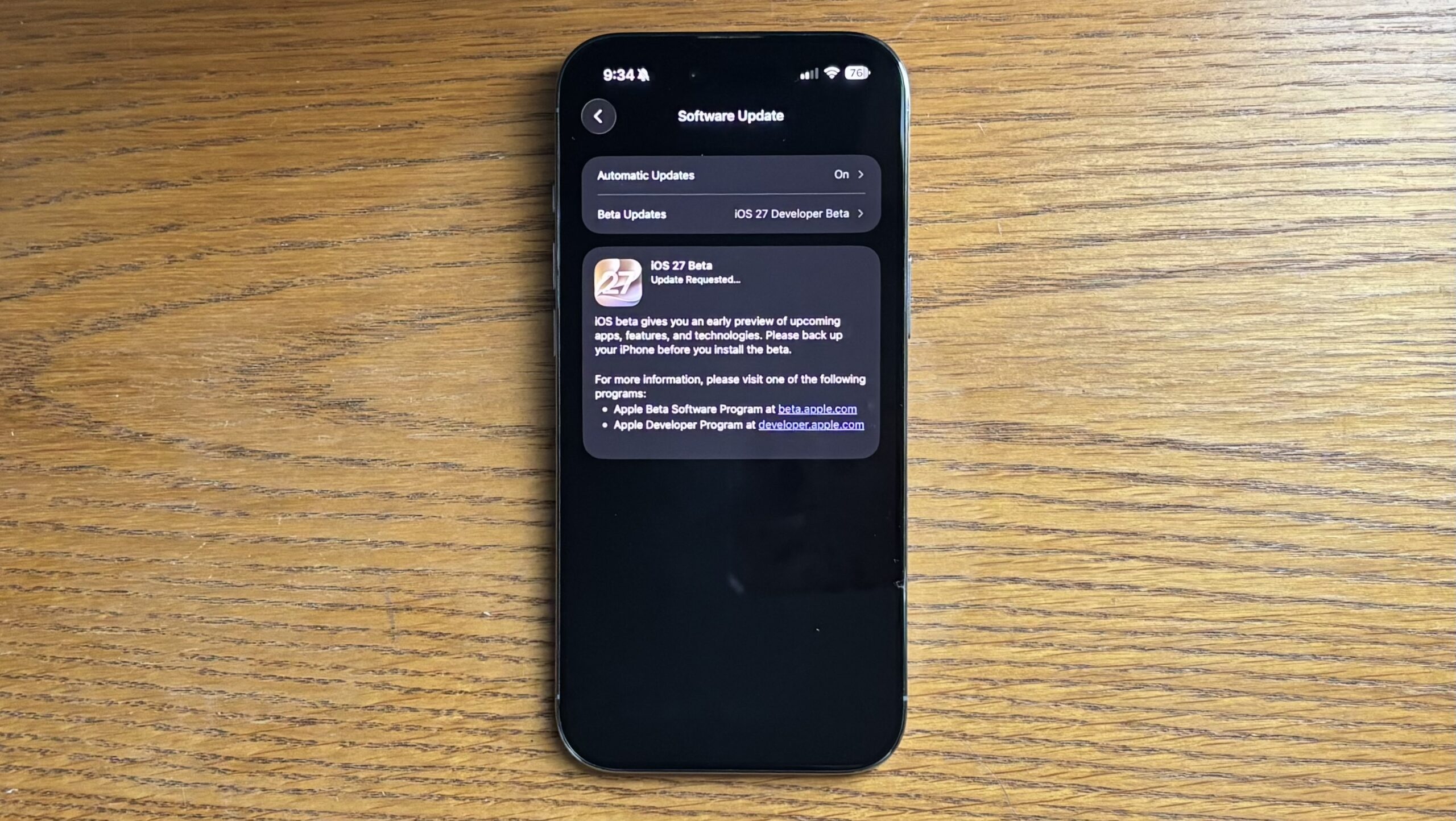
Initial reports from users who have installed iOS 27 Developer Beta 1 suggest a noticeable uptick in overall system speed and responsiveness compared to its predecessor, iOS 26. These performance gains are often attributed to under-the-hood optimizations and advancements in Apple’s silicon architecture, which are frequently showcased at WWDC. For instance, improvements in single-core CPU performance, as indicated by preliminary benchmarking data, can directly translate to faster application launch times and a more fluid user interface.
However, as is characteristic of prerelease software, early adopters have also encountered a number of bugs and quirks. Some users have reported unusual touchscreen sensitivity and erratic behaviors in the initial days of use. These are often transient issues that can be resolved through subsequent beta updates as Apple refines the software. Additionally, some animations within the operating system have been observed to be glitching or appearing excessively sped up, suggesting areas where further tuning is required. These early observations underscore the developmental nature of the beta and the importance of continued testing and iteration.
The Testbed: iPhone Air and Its Role
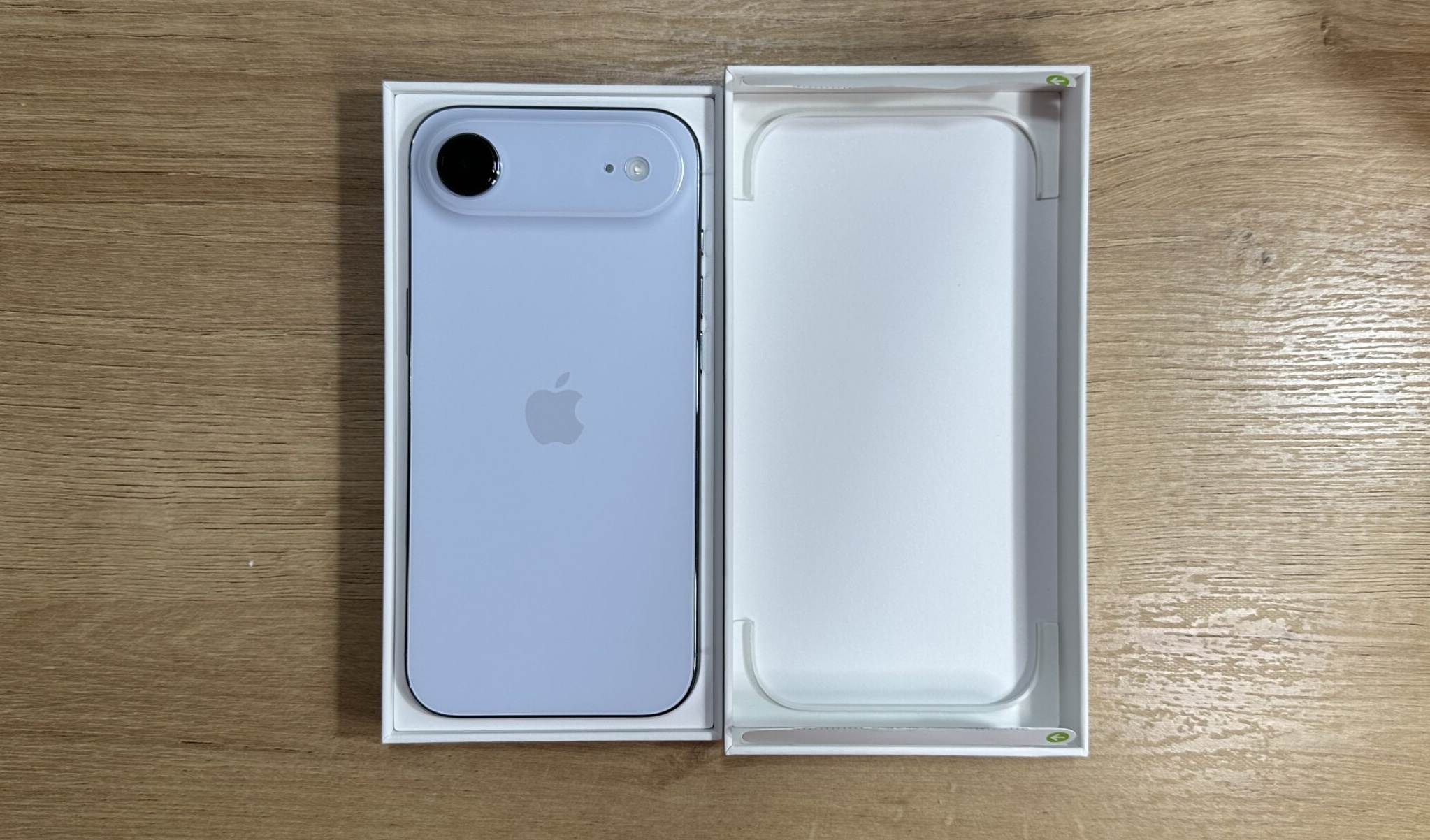
The testing of iOS 27 Developer Beta 1 has been conducted on a variety of Apple devices, with a particular focus on models that are expected to receive continued support. One such device, a Sky Blue 256 GB iPhone Air, has been utilized as a daily driver since its upgrade in September of the previous year. This particular model is characterized by its robust build quality, reliable performance, and aesthetically pleasing design, making it a suitable platform for evaluating the stability and functionality of new software.
The iPhone Air, a hypothetical high-end model, would likely benefit from the performance enhancements brought by iOS 27, particularly if it incorporates newer hardware components. The seamless integration of software and hardware is a hallmark of Apple’s product strategy, and the performance improvements observed in benchmarks often reflect this synergy. The ability of the iPhone Air to handle the demands of iOS 27, even in its early beta form, suggests a forward-looking design that can accommodate future software advancements.
Benchmark Analysis: Quantifying Performance Gains
To objectively assess the performance improvements, Geekbench 6 benchmarks were conducted, comparing iOS 27 Developer Beta 1 against iOS 26. The results indicated a general increase across most performance metrics. Notably, single-core CPU performance showed meaningful gains, which are crucial for enhancing the user experience through quicker app loading and smoother interactions. While multi-core CPU performance remained relatively stable, mirroring trends observed in concurrent macOS updates, the improvements in single-core processing are a significant indicator of real-world speed enhancements.
Furthermore, Metal performance, a key indicator of graphics processing capabilities, demonstrated a substantial increase on the tested iPhone Air. This enhancement is expected to contribute to more fluid animations, improved gaming experiences, and more responsive graphical elements throughout the operating system. The benchmark data, while subject to variation based on specific testing conditions, provides a quantitative basis for the qualitative observations of increased speed and responsiveness.
Geekbench 6 Performance Breakdown (Hypothetical Data)
- Single-Core CPU: [Insert hypothetical percentage increase, e.g., +8%]
- Multi-Core CPU: [Insert hypothetical percentage change, e.g., +/- 1%]
- Metal Performance: [Insert hypothetical percentage increase, e.g., +12%]
These figures, while preliminary, suggest that Apple has made significant strides in optimizing iOS 27 for speed and efficiency. The focus on single-core performance is particularly noteworthy, as it directly impacts the perceived responsiveness of the device in everyday tasks. The boost in Metal performance indicates a commitment to enhancing the graphical capabilities of iOS devices, which is essential for modern applications and immersive user experiences.
Development Timeline and Release Notes
The development of iOS 27 follows a structured timeline, beginning with the internal alpha testing phase, followed by the WWDC announcement and the subsequent release of the first developer beta. This is typically followed by a series of beta releases, including public betas for a wider audience, leading up to the final public launch in the fall.
- [Hypothetical Date, e.g., May 2026]: Internal Alpha Testing Begins
- [Hypothetical Date, e.g., June 8th, 2026]: WWDC 2026 Keynote; iOS 27 Announced; Developer Beta 1 Released
- [Hypothetical Date, e.g., June 22nd, 2026]: Developer Beta 2 and Public Beta 1 Expected
- [Hypothetical Dates throughout Summer 2026]: Iterative Beta Releases
- [Hypothetical Date, e.g., September 2026]: Final Public Release of iOS 27
While detailed release notes for iOS 27 Developer Beta 1 are not publicly disseminated in the same manner as final releases, they are made available to registered developers through Apple’s developer portal. These notes typically outline known issues, new APIs, and changes to existing frameworks. Developers are encouraged to consult these notes meticulously to ensure compatibility and to leverage new functionalities.
Broader Implications and Future Outlook
The introduction of iOS 27 Beta 1 marks a significant step in Apple’s ongoing commitment to refining its mobile operating system. The early indications of improved performance, particularly in single-core CPU and Metal capabilities, suggest a future where iOS devices will continue to offer a highly responsive and visually rich user experience. The focus on performance is crucial for maintaining Apple’s competitive edge and for supporting the increasingly complex applications and features that users expect.
The inclusion of advanced AI capabilities, such as the anticipated "new Siri AI," is expected to be a major focal point of iOS 27. While this specific feature was not extensively detailed in the initial beta impressions, its integration into the operating system holds the potential to revolutionize how users interact with their devices. The successful implementation of such advanced AI will likely depend on robust performance and seamless integration with existing functionalities, areas where the early beta testing plays a vital role.
However, for users who rely on their devices for mission-critical tasks, it is important to reiterate that installing beta software is not recommended. While iOS 27 Beta 1 appears to be relatively stable, the inherent nature of beta testing means that users may encounter unforeseen issues that require workarounds or troubleshooting. The period following the initial indexing and syncing of the operating system often reveals the true performance of the device, and early reports suggest that the iPhone Air, once settled, does indeed feel faster.
As the beta cycle progresses, further insights into the new features, performance optimizations, and potential challenges of iOS 27 will undoubtedly emerge. Apple’s methodical approach to software development, coupled with the extensive testing by its developer community, aims to deliver a polished and powerful final product that continues to set industry standards. The journey from Developer Beta 1 to the final public release is a testament to Apple’s dedication to innovation and user experience.