Ganda Hendra Perkasa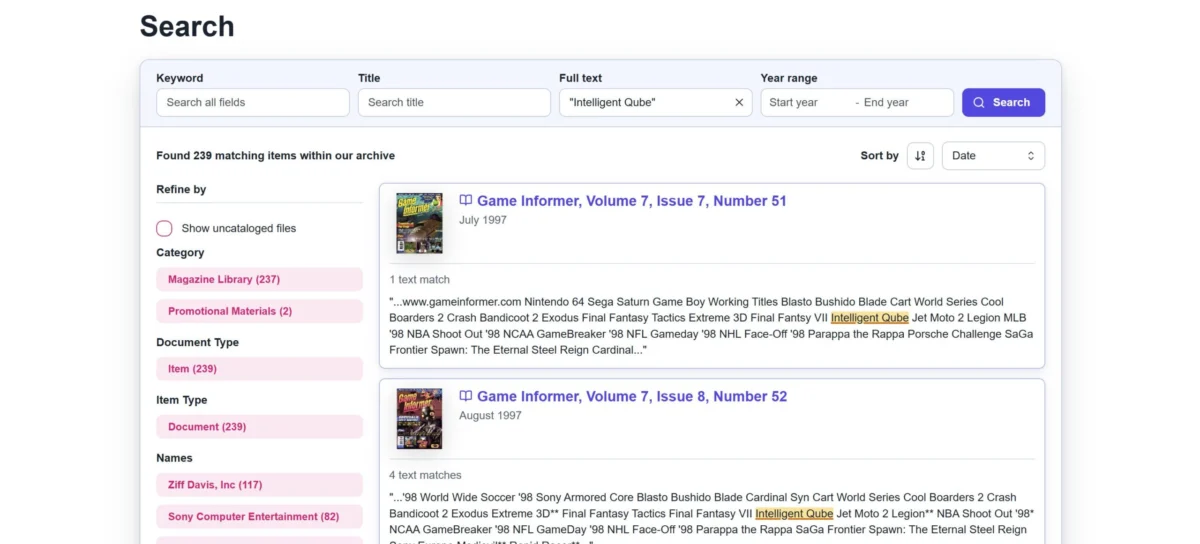
The Game History Archive, a leading digital repository dedicated to preserving and providing access to the rich history of video games, has announced a significant update to its online platform. This comprehensive overhaul, rolled out today, aims to dramatically improve the user experience for researchers, enthusiasts, and anyone seeking to delve into the annals of gaming history. The update incorporates extensive feedback from the archive’s user community, focusing on enhanced navigation, improved visual clarity, and more powerful search functionalities.
A Rebuilt Foundation for Digital Exploration
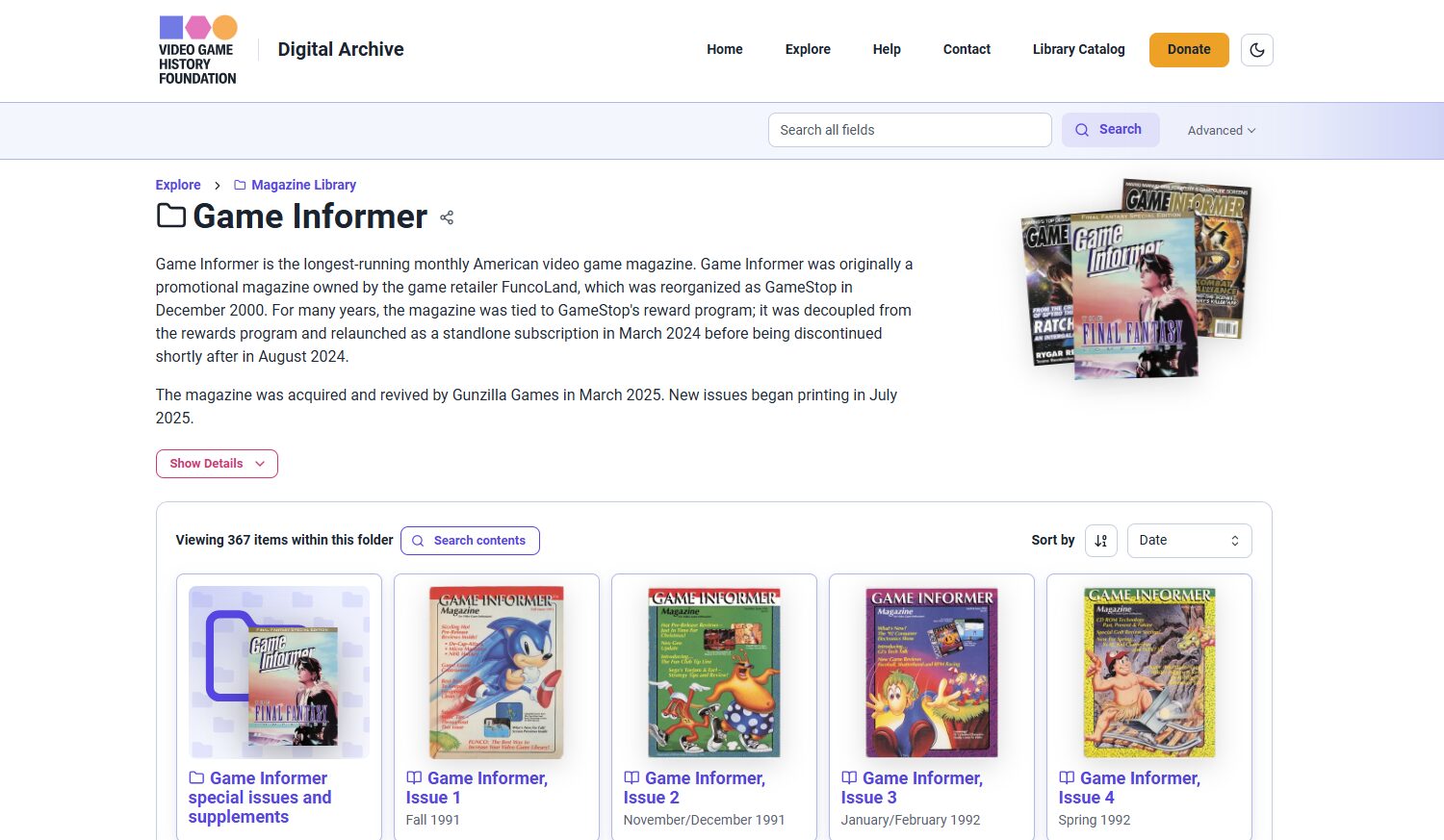
At the core of this update is a complete rebuilding of the archive’s user interface. Developed from the ground up, the new design prioritizes intuitive browsing and efficient access to its vast collection of digitized materials. A key improvement is the significant enlargement of thumbnail images, a change designed to provide users with a clearer visual representation of the content they are exploring. This visual enhancement also serves to more effectively distinguish between different types of digital assets, such as individual files and archival folders, thereby reducing potential confusion during navigation.
Beyond visual improvements, the platform boasts enhanced performance. Users will experience faster loading times, a critical factor for engaging with large digital archives. The update also introduces improved loading states, providing clearer visual cues to users as content is being retrieved. Furthermore, the new interface demonstrates a more robust ability to maintain user navigation context, allowing individuals to move between pages and sections with greater ease and without losing their place in their research journey. This attention to detail in the foundational architecture is expected to streamline the process of exploring the archive’s diverse holdings.
Enhanced Search Capabilities: Context is Key
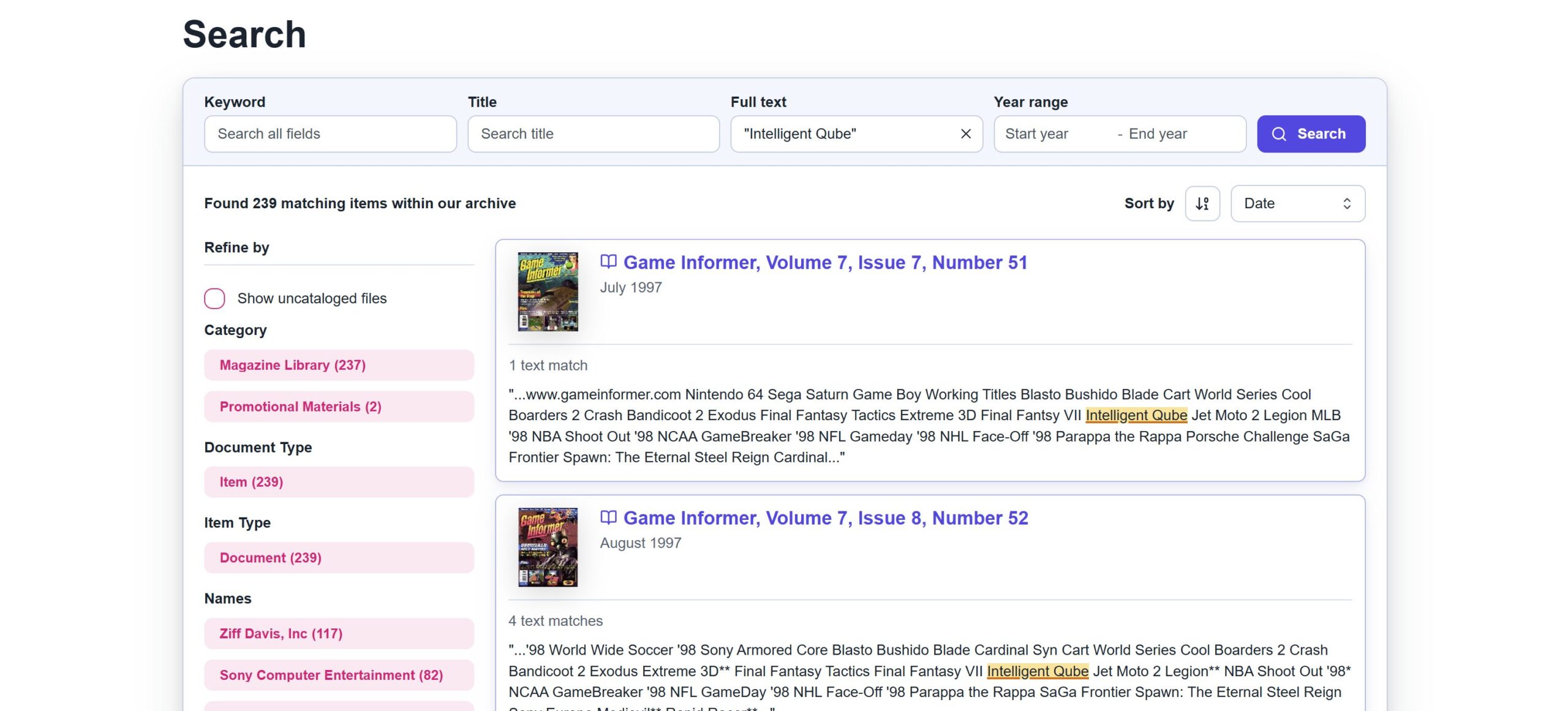
Recognizing that effective search functionality is paramount for any digital archive, the Game History Archive has significantly bolstered its search interface. A central feature of this enhancement is the expanded "snippet view" for keyword searches. Previously, search results offered limited context around matching terms. The updated platform now displays approximately four times more surrounding text for each search hit. This dramatic increase in contextual information allows users to more rapidly ascertain the relevance of search results, significantly accelerating the research process and reducing the need for extensive individual file examination for initial relevance checks.
This deeper contextual insight is particularly valuable for large and complex datasets, such as digitized historical documents, magazines, and game-related ephemera. For instance, a search for a specific game title or a developer might now reveal more of the surrounding article or review, providing immediate clues about the article’s focus and potential value to the researcher’s inquiry. This thoughtful enhancement underscores the archive’s commitment to empowering users with the tools they need to conduct in-depth historical research efficiently.
Streamlined Access and Featured Content
The updated homepage introduces a prominent "Explore the Archive" section, designed to offer immediate access to the archive’s curated collections. This new feature allows users to jump directly into browsing specific categories without the need to navigate to a separate page, creating a more direct and engaging entry point into the archive’s vast resources. This integration aims to reduce friction for new users and provide a more immediate sense of the breadth of materials available.
Further down the homepage, a "Featured Collections" bar has been implemented to highlight new and noteworthy additions to the archive. This dynamic section serves to draw attention to the latest acquisitions and curated thematic collections, ensuring that users are aware of the most recent and potentially valuable content. This approach not only promotes discoverability but also encourages repeat visits to the platform as new materials are consistently added and showcased.
A Commitment to Continuous Improvement and Future Vision
The developers behind the Game History Archive’s platform have expressed their confidence that these initial changes will significantly elevate the research experience. However, this update is presented not as an endpoint, but as a foundational step in an ongoing evolution. The archive team is actively exploring and planning for future iterations, with several ambitious features on the horizon.
Among the planned enhancements are a new, more sophisticated viewer for image files, which is expected to offer improved functionality for examining high-resolution historical images. Furthermore, the archive aims to implement character recognition technology for Japanese magazines, a crucial step for unlocking the full research potential of these unique materials. Looking further ahead, a long-term goal is the eventual integration of the digital archive with the full library catalog, which would create a unified and comprehensive portal for accessing all of the institution’s historical gaming resources.
This forward-looking strategy indicates a deep commitment to the long-term preservation and accessibility of game history. By consistently seeking user feedback and investing in technological advancements, the Game History Archive is positioning itself as a vital resource for scholars, journalists, developers, and the broader public interested in the cultural and technological evolution of video games.
Background and Context: The Growing Importance of Digital Archives
The unveiling of this enhanced platform comes at a time when the importance of digital archives for preserving cultural heritage is increasingly recognized. The video game industry, despite its relatively short history compared to other media, has generated an immense volume of ephemeral and permanent content that is crucial for understanding modern popular culture, technological innovation, and social trends. Historically, much of this material was either not preserved, or was stored in formats that are now obsolete and inaccessible.
The Game History Archive emerged as a response to this challenge, aiming to consolidate, digitize, and provide scholarly access to a wide array of gaming-related artifacts. This includes not only games themselves but also magazines, books, advertisements, design documents, and other materials that offer crucial context and insight into the development and reception of video games. The rapid evolution of the industry means that many of these materials are at risk of being lost forever without dedicated preservation efforts.
The decision to rebuild the platform from the ground up reflects the growing understanding that digital preservation is not merely about digitizing content, but also about ensuring that this content can be easily and effectively accessed and utilized by future generations. User feedback, a cornerstone of this latest update, highlights a shift in expectations for digital archival platforms. Users today expect interfaces that are as intuitive and user-friendly as mainstream consumer websites and applications. The Game History Archive’s response demonstrates a clear commitment to meeting these evolving expectations.
Broader Implications for Game Studies and Cultural Heritage
The improvements to the Game History Archive’s platform have significant implications for the burgeoning field of game studies and for the broader understanding of digital cultural heritage. By making its collections more accessible and its search functionalities more powerful, the archive is lowering the barriers to entry for academic research, journalistic inquiry, and public engagement with game history.
For academics, enhanced search capabilities and clearer browsing options can facilitate more comprehensive and nuanced research, leading to new discoveries and a deeper understanding of the medium’s evolution. For journalists and content creators, the archive offers a rich source of primary materials for articles, documentaries, and other media projects that explore the history of gaming. For the general public, the improved interface makes it easier to explore and appreciate the vast cultural impact of video games.
The planned future integrations, such as character recognition for non-Latin scripts and integration with broader library catalogs, signal an ambition to create a truly comprehensive and interoperable research environment. Such developments are critical for ensuring that digital archives are not isolated repositories but are connected nodes within a larger ecosystem of historical information. As digital preservation becomes an increasingly vital aspect of cultural stewardship, the Game History Archive’s proactive approach serves as a model for other institutions seeking to safeguard and share their digital heritage. The success of this update will likely encourage further investment and innovation in the field of digital archival science, benefiting not only game history but also the preservation of other digital cultural artifacts.