Hartono Sudibyo
In a significant development for retro gaming enthusiasts, Evercade has released an official hands-on video showcasing its upcoming handheld console, the Evercade Nexus. This new device, first unveiled in March, promises to elevate the portable retro gaming experience with its larger display, dual analog sticks, and an innovative new feature called Eversync, designed to foster shared gaming experiences. The release of this video marks a crucial step from rendered imagery to a tangible demonstration of the Nexus’s capabilities, offering a clearer picture of its design and functionality ahead of its anticipated October release.
Unveiling the Evercade Nexus: A Leap Forward in Portable Retro Gaming
The Evercade Nexus represents a substantial evolution from its predecessors, which have successfully brought a curated library of retro game cartridges to a portable format. The most striking upgrade is the console’s expansive 5.8-inch IPS display, a notable increase from the 4.3-inch screens found on previous Evercade models. This larger screen is expected to provide a more immersive visual experience, making classic titles more engaging and potentially accommodating for a wider range of game genres.
A key differentiator for the Nexus is the inclusion of dual analog sticks. This addition significantly broadens the console’s gaming potential, moving beyond the limitations of traditional D-pad-centric retro titles. As demonstrated in the new video, the dual sticks enable the Nexus to tackle more contemporary 32-bit and 64-bit era games, a feat previously out of reach for Evercade hardware. This expansion opens the door for playing iconic titles from consoles like the PlayStation and Nintendo 64, provided they are released on Evercade-compatible cartridges. The inclusion of these sticks, coupled with the larger screen and comfortable ergonomics, positions the Nexus as a versatile device capable of delivering a compelling blend of retro nostalgia and modern playability.
Hands-On Demonstration: A First Look at the Nexus in Action
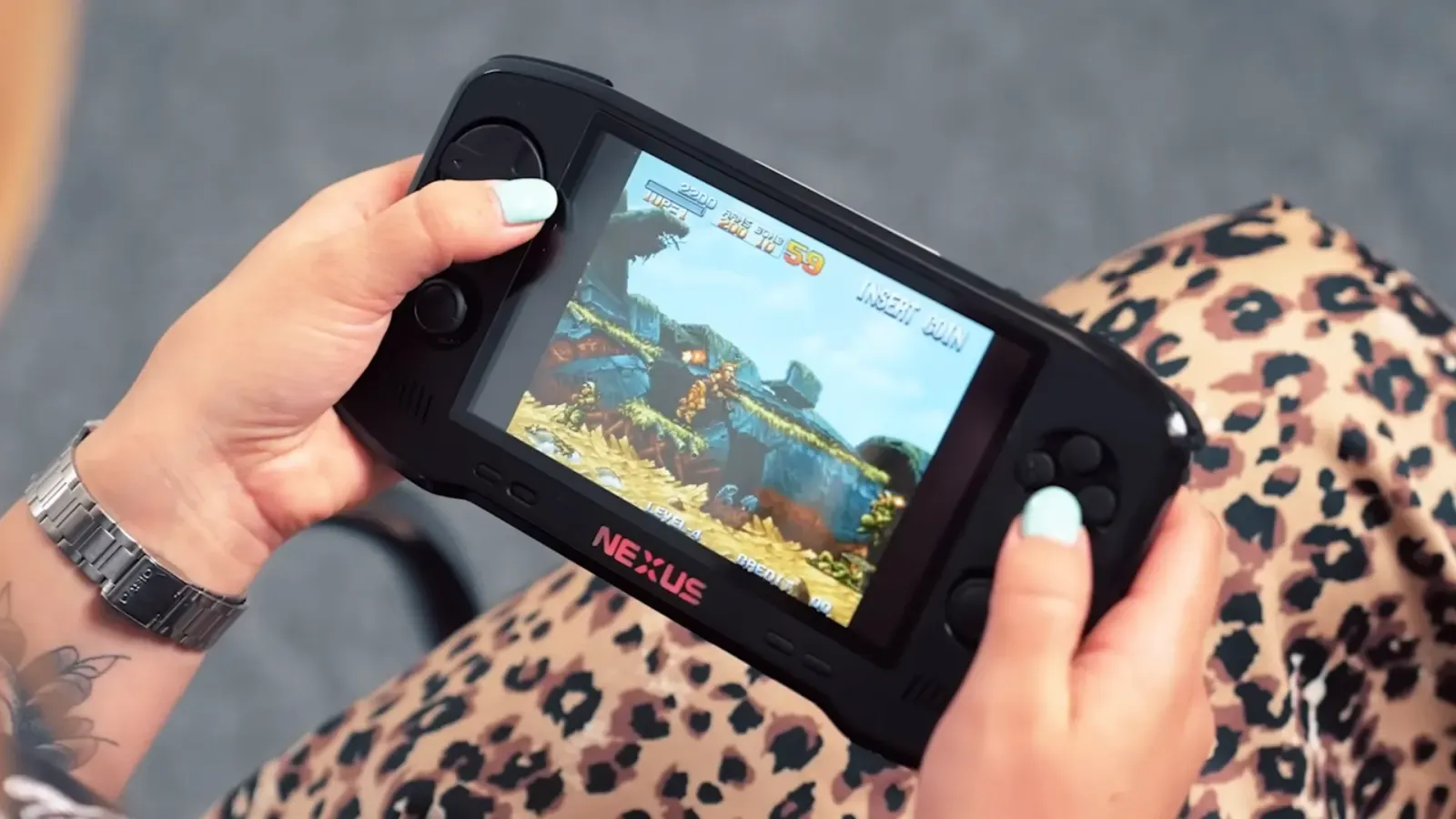
The recently released video offers the first genuine look at the Evercade Nexus being held and operated by a person, moving beyond promotional renders and static images. This "hands-on" perspective is invaluable for potential consumers, providing a realistic sense of the console’s physical dimensions, button layout, and overall build quality. Viewers can observe the console’s profile, the placement of its controls, and how it fits within the user’s grip, offering critical insights into its ergonomic design.
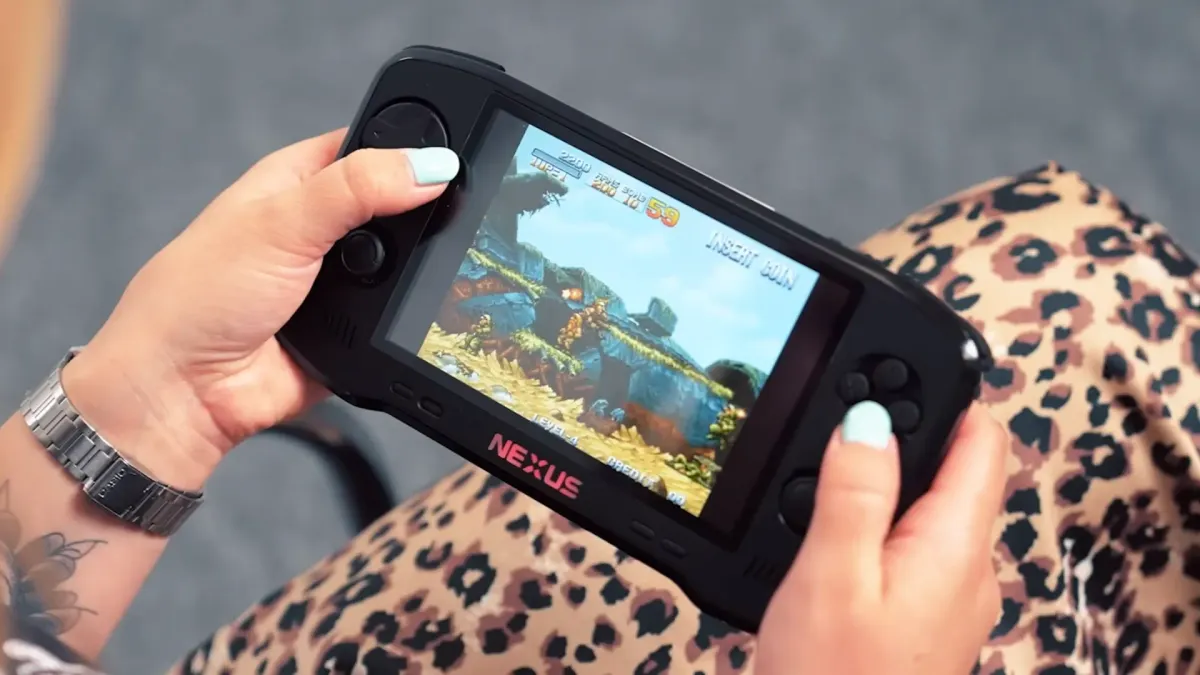
Sean Cleaver, Head of Marketing at Evercade, guides viewers through the demonstration, highlighting the Nexus’s impressive performance capabilities. A significant point of emphasis is the console’s ability to run demanding 64-bit games, with a specific mention of Tomb Raider. This iconic title, known for its 3D environments and complex gameplay, serves as a powerful testament to the Nexus’s processing power and its expanded software compatibility. The demonstration suggests that Evercade is not just focused on replicating past gaming eras but is actively working to bridge the gap between classic and more advanced 3D gaming experiences within its portable ecosystem.
Introducing Eversync: Revolutionizing Social Retro Gaming
Perhaps the most innovative feature showcased in the video is Eversync, a new wireless connectivity function. Eversync allows two Evercade Nexus handhelds to connect and share gaming experiences. This feature is designed to facilitate a novel form of social play, enabling users to share their game cartridges with friends who may not own them. The implication is that one user can effectively "lend" their cartridge to another Nexus user wirelessly, allowing them to play together or experience titles they wouldn’t otherwise have access to.
This shared play mechanic is a significant departure from traditional single-player retro gaming experiences. It addresses the inherent challenge of cartridge-based gaming, where ownership is tied to physical media. Eversync offers a potential solution for players who wish to enjoy multiplayer classics or simply share their collection with others, fostering a more communal and accessible retro gaming environment. The brief glimpse of Eversync in action in the video hints at its potential to create spontaneous gaming sessions and introduce new players to the Evercade library.
Background and Chronology: The Evolution of Evercade
Evercade’s journey began with the original Evercade in 2020, a console designed to bring retro games from various publishers to a single, affordable handheld. The initial models focused on 8-bit and 16-bit gaming, featuring a 4.3-inch screen and a single D-pad. Subsequent iterations, such as the Evercade VS, brought the experience to home consoles, further expanding the brand’s reach.
The announcement of the Evercade Nexus in March 2026 marked a significant strategic shift. The inclusion of dual analog sticks and a larger screen signaled Evercade’s ambition to cater to a broader spectrum of gaming history, including the transitionary periods of 32-bit and 64-bit gaming. The reveal was met with considerable excitement, as it promised to deliver a more powerful and versatile handheld experience than previously available from the company. The subsequent release of the hands-on video, just a few months later, demonstrates a swift development cycle and a commitment to transparency with its consumer base.

Supporting Data and Analysis: The Growing Retro Gaming Market
The Evercade Nexus enters a retro gaming market that has seen sustained growth in recent years. Data from market research firms indicates a strong and persistent demand for classic gaming experiences, driven by nostalgia, affordability, and the inherent quality of many older titles. The "mini console" trend, exemplified by the Nintendo Classic Edition series, and the rise of retro-themed subscription services underscore this trend.
Evercade’s unique selling proposition has always been its curated approach to licensing and its focus on physical cartridges, offering a tangible connection to the gaming past. The Nexus, with its expanded capabilities, appears to be strategically positioned to capture a segment of the market that appreciates the convenience of a modern handheld but desires to play games from a wider range of eras. The ability to play 64-bit titles, in particular, could attract gamers who grew up with or have a fondness for the early 3D gaming era, a demographic not always fully catered to by existing retro handhelds.
The introduction of Eversync also aligns with broader trends in gaming toward social and connected experiences. While the specifics of its implementation – such as potential limitations on game duration or required proximity – remain to be fully detailed, the concept itself is forward-thinking for a retro-focused device. It could potentially increase the perceived value of the Evercade ecosystem by encouraging a sharing economy among users.
Official Statements and Future Outlook
While the hands-on video serves as a significant official communication, direct quotes from Evercade leadership beyond Sean Cleaver’s commentary in the video have been limited. However, the overall messaging from Evercade has consistently emphasized accessibility, affordability, and a commitment to preserving and celebrating gaming history. The Nexus and its associated features, like Eversync, appear to be direct extensions of this philosophy, aiming to make classic gaming more engaging and social.
The article also mentions the potential for the Evercade Nexus to be showcased at Gamescom in Germany in August. This would provide another opportunity for media and the public to experience the device firsthand and for Evercade to gather further feedback. The confirmed October release date for the console indicates that development is progressing according to schedule, and the company is focused on finalizing the product for mass production.
Pre-order information provided indicates the Nexus is available through major online retailers like Amazon for UK/EU customers and Gamestop for North American consumers, with prices starting at £169 / $199. This pricing strategy positions the Nexus competitively within the premium handheld gaming market, balancing advanced features with the affordability expected from the Evercade brand.
Broader Impact and Implications
The Evercade Nexus has the potential to solidify Evercade’s position as a leading innovator in the retro gaming hardware space. By expanding its technical capabilities to encompass early 3D gaming, the company is not only broadening its appeal but also contributing to the preservation and continued enjoyment of a wider spectrum of gaming history. The success of the Nexus could encourage further exploration of 3D titles within the Evercade cartridge ecosystem, potentially leading to new licensing agreements and a more comprehensive library.
The introduction of Eversync is particularly noteworthy. If implemented effectively, it could set a new standard for social play on retro-focused devices, offering a unique value proposition that differentiates Evercade from competitors. It could foster a stronger sense of community among Evercade owners and encourage greater engagement with the platform.
Furthermore, the development of the Nexus highlights the enduring appeal of dedicated gaming hardware. In an era dominated by mobile gaming and cloud streaming, the continued demand for specialized consoles like the Evercade Nexus suggests a persistent desire for curated, tangible gaming experiences. The console’s ability to bridge the gap between past and present gaming eras makes it a compelling proposition for both seasoned retro enthusiasts and newcomers looking for an accessible entry point into the rich history of video games. The company’s commitment to human writers over AI, as stated in their support message, also subtly underscores a dedication to authentic content creation, a value that resonates with a community often nostalgic for genuine experiences.