Arya Paningal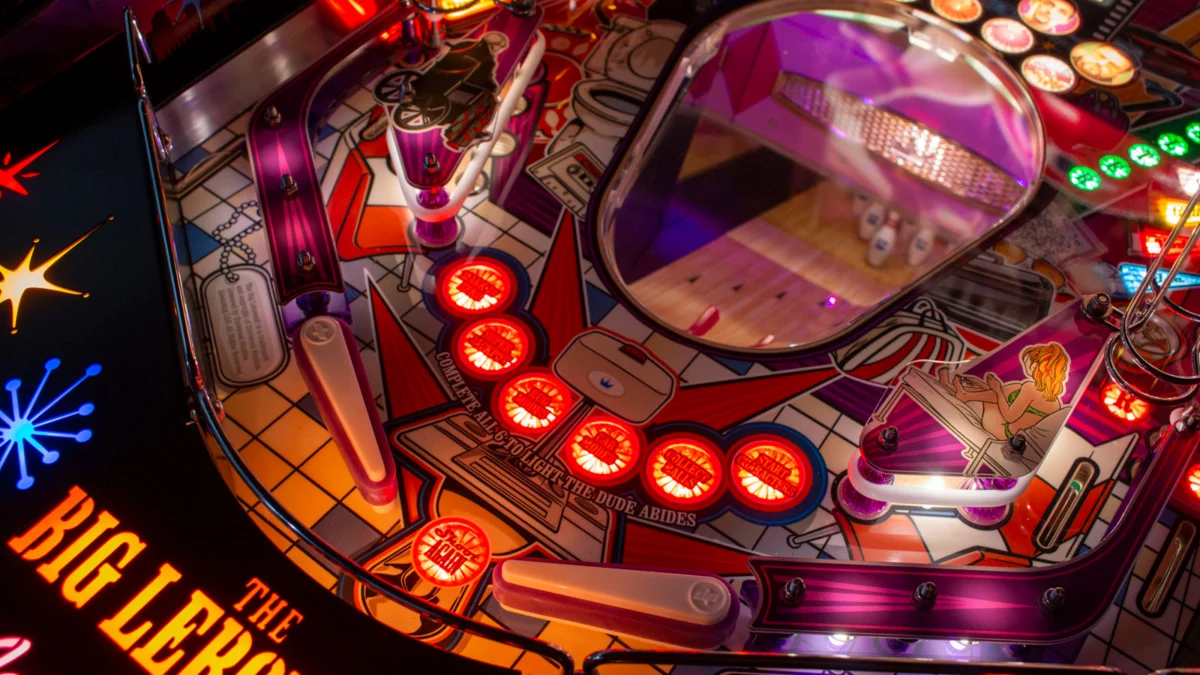
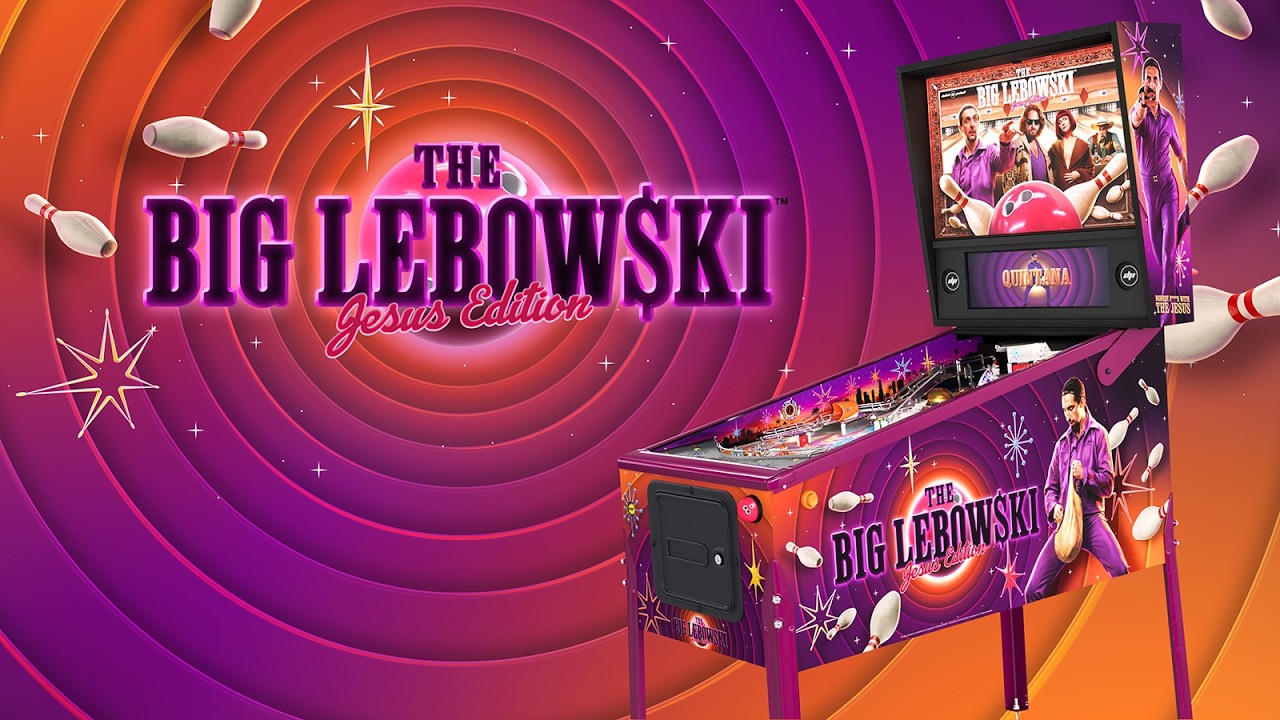
Twelve years after the initial reveal of their debut title, Dutch Pinball has officially announced the launch of a new, highly exclusive iteration of its flagship machine: The Big Lebowski: Jesus Edition. This limited production run, capped at precisely 300 units worldwide, represents a significant aesthetic and functional overhaul of the original game, which has maintained a reputation as one of the most sought-after collector items in the modern pinball landscape. The announcement, made on August 10, 2026, serves as both a celebration of the film’s iconic character, Jesus Quintana—portrayed by John Turturro—and a strategic signal of corporate expansion for the Herkenbosch-based manufacturer.
A Chronology of a Cult Classic
The journey of The Big Lebowski pinball machine is one of the most storied sagas in modern industry history. When Dutch Pinball first teased the machine over a decade ago, it generated unprecedented anticipation due to the massive, dedicated fanbase of the 1998 Coen Brothers film. However, the path from prototype to mass production was fraught with the logistical challenges common to boutique manufacturing.
Following the initial development phase, the company faced significant hurdles in scaling production, leading to a long gestation period that tested the patience of collectors. Over the years, the machine transitioned from a speculative project to a stable, albeit high-demand, product. Today, the platform is considered a mature, refined piece of engineering. By choosing to release a "Jesus Edition" now, Dutch Pinball is effectively capitalizing on the established software and mechanical reliability of the original platform while offering a premium aesthetic "facelift" for enthusiasts who demand exclusivity. The choice of 300 units is a deliberate nod to the bowling score of a perfect game—a thematic alignment that reinforces the game’s deep integration with the film’s bowling-centric narrative.

Design Specifications and Exclusive Enhancements
The Jesus Edition is not merely a cosmetic variation; it includes a comprehensive suite of hardware and software upgrades. The most striking visual departure is the infusion of the deep, vibrant purple hues associated with Jesus Quintana’s bowling attire. This color palette extends to the cabinet’s metalwork, the legs, and various playfield accents, creating a distinct visual identity that separates it from the standard edition.
Beyond the color scheme, the machine features high-gloss cabinet decals that offer a more premium, durable finish. The interior is upgraded with custom-designed cabinet art blades, further immersing the player in the game’s world. Mechanically, the machine includes a newly sculpted bowling alley front, an illuminated bottom apron, and an upgraded launch button. To improve the playing experience, Dutch Pinball has integrated anti-reflective playfield glass, a standard feature for high-end collector machines, ensuring that players can appreciate the new playfield plastics and artwork without visual obstruction.

Perhaps most importantly for the long-term viability of the machine, the software has undergone a significant revision. These updates include new voice callouts, refreshed display assets for the screen, and, crucially, full integration with the Scorbit platform. This connectivity allows for global score tracking and achievement monitoring, bringing the 2014-era design into the modern era of connected gaming.
Financial Context and Market Positioning
The pricing strategy for the Jesus Edition reflects its status as a limited-run collector’s item. The machine is priced at €15,995 in Europe (inclusive of tax) and $14,995 in the United States (plus tax). For comparison, the standard model remains available at a lower price point, currently retailing at $13,850 plus tax.

This price delta accounts for the R&D costs associated with the new assets, the premium materials used in the cabinet finish, and the inherent scarcity value of a 300-unit run. Given that the original machine remains one of the most popular titles in the aftermarket, industry analysts suggest that the Jesus Edition will likely see rapid sell-through rates. The inclusion of a numbered Certificate of Authenticity and the iconic, show-accurate rug—a hallmark of the original machine’s appeal—ensures that the package retains its status as a "must-have" for fans of the source material.
Strategic Expansion: The Next Chapter for Dutch Pinball
The announcement of this edition is framed by Dutch Pinball as a milestone in their corporate growth. The company has recently secured new investment, which has enabled the activation of a second, fully operational production facility. This expansion has effectively doubled their production capacity, allowing the company to fulfill the orders for the Jesus Edition without disrupting the ongoing production of other units.

Barry Driessen, founder of Dutch Pinball, emphasized that the Jesus Edition is a dual-purpose project: it honors the legacy of the company’s first game while signaling a more stable, aggressive future. "For years we’ve wanted to create one ultimate collector’s edition dedicated to The Jesus," Driessen stated. "With only 300 machines worldwide, we wanted this to become the most exclusive version of The Big Lebowski Pinball ever produced. At the same time, it marks the beginning of an exciting new chapter for Dutch Pinball as we look to the future and the road ahead."
Implications for the Pinball Industry
The release of a "Special Edition" of an existing game is a well-established strategy in the pinball industry, used by major manufacturers to extend the life cycle of a popular title. However, doing so for a machine with a 12-year history is relatively rare. This move suggests that the intellectual property remains as valuable as ever.

The integration of Scorbit and updated software also speaks to a broader industry trend: the "living machine." Rather than viewing a pinball machine as a static product, manufacturers are increasingly treating them as software-driven platforms that can be updated over time. By updating the software for both the Jesus Edition and existing legacy machines, Dutch Pinball is fostering loyalty among its original user base while providing a compelling reason for new buyers to enter the market.
Furthermore, the emphasis on the "one final surprise" to be revealed closer to the September 2026 shipping date is a classic marketing tactic designed to maintain momentum. Whether this surprise involves a mechanical hardware addition or a significant software feature, it highlights the company’s focus on generating long-term buzz.

Looking Ahead: The Road to September
As of August 2026, the company has opened reservations through its global network of authorized distributors. The production, which will occur at the company’s expanded facility in Herkenbosch, is set to commence shortly, with the first units slated for delivery by the end of the third quarter.
For collectors, the Jesus Edition represents a convergence of pop-culture fandom and high-end industrial design. As the pinball market continues to evolve, with an increasing focus on premium, limited-run collector machines, Dutch Pinball’s strategy of leveraging its most successful license suggests a calculated effort to solidify its position as a top-tier manufacturer. The combination of established, beloved gameplay, refreshed aesthetics, and improved connectivity positions the Jesus Edition as a centerpiece for any serious collection, closing the loop on a 12-year project that has defined the company’s identity.

With the production lines humming and the collector community’s attention fixed on the upcoming September rollout, the industry will be watching to see if this "perfect game" of a machine lives up to the lofty expectations set by its long-awaited debut. For now, the focus remains on the details: the purple accents, the enhanced software, and the enduring, cult-status appeal of a character who, as the fans know, really ties the room together.