Farhan hamdan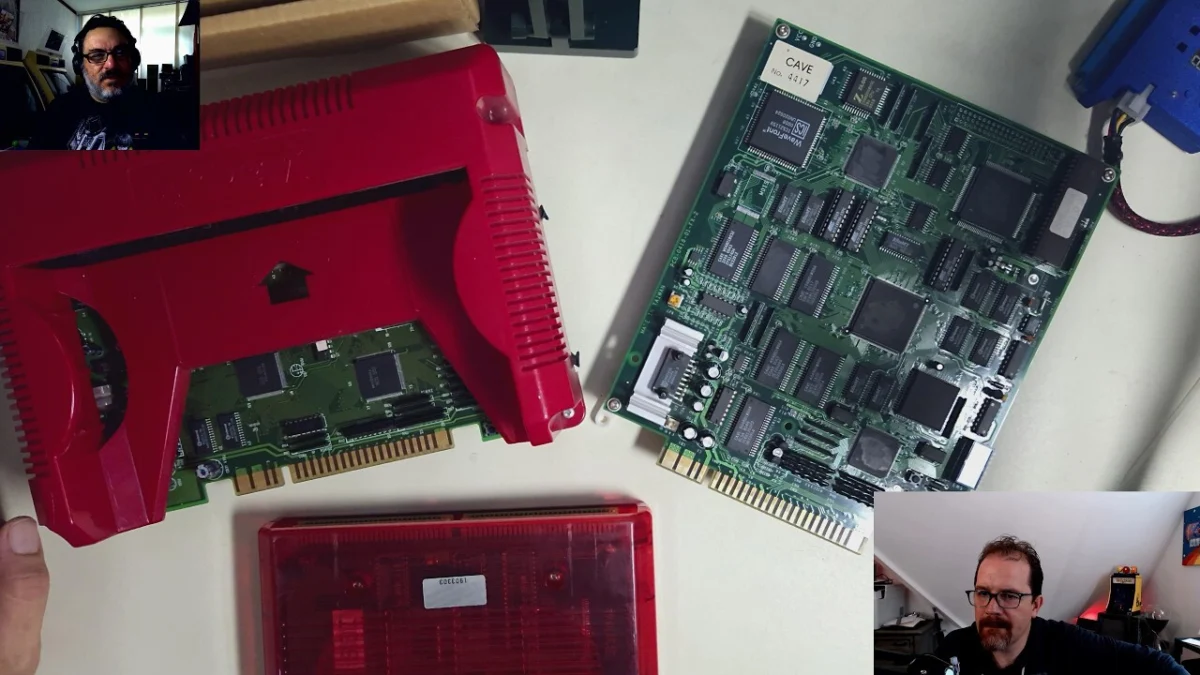
A recent livestream interview hosted by Artemio featured software developer Martin Donlon, widely known by his alias Wickerwaka, providing an extensive discussion on his monumental achievement: the reverse engineering and subsequent creation of the IGS PolyGame Master (PGM) core for the MiSTer FPGA project. This conversation, a deep dive into the intricate world of hardware preservation and FPGA development, offered unprecedented insights into one of the most significant additions to the MiSTer ecosystem, underlining Donlon’s prolific contributions which also include the acclaimed R-Type cores and the diagnostic tool MiSTer Laggy.
The interview commenced with a minor technical hiccup concerning Artemio’s microphone, which was swiftly resolved approximately three minutes into the broadcast. Despite this initial snag, the dialogue quickly found its rhythm, evolving into a highly informative session that resonated deeply with developers, enthusiasts, and those keenly interested in the technical underpinnings of retro gaming preservation. The unique dynamic of one seasoned developer interviewing another proved particularly fruitful, allowing for questions that delved into specific technical challenges and methodologies that might otherwise be overlooked in more general discussions. While some of the highly technical details ventured beyond the immediate grasp of a lay audience, the overall narrative provided a compelling account of dedication, intellectual rigor, and the collaborative spirit driving the MiSTer FPGA community.
The Genesis of the PGM Core: A Triumph of Reverse Engineering
The central focus of the interview was Martin Donlon’s painstaking reverse engineering of the IGS PolyGame Master (PGM) arcade system. Released by IGS (International Games System) in Taiwan during the late 1990s and early 2000s, the PGM platform became home to a distinctive library of arcade titles, many of which gained cult followings, particularly in Asian markets. Games like Knights of Valour, Oriental Legend, and Demon Front are emblematic of the PGM’s unique appeal, characterized by their vibrant graphics, engaging gameplay, and often complex sprite-based action. For years, accurate preservation and emulation of PGM titles presented significant challenges to the retro gaming community due to the system’s proprietary hardware, custom chips, and intricate copy protection mechanisms.
Donlon’s endeavor to create a MiSTer FPGA core for the PGM system was not merely a coding exercise; it was an archaeological expedition into complex digital circuitry. Reverse engineering in this context involves meticulously analyzing the original hardware, often without access to original design documents or schematics. This process typically includes dumping ROMs, scrutinizing custom integrated circuits (ICs), tracing signal pathways, and understanding the interactions between various components like the CPU, GPU, sound chips, and memory controllers. The PGM, with its custom sound hardware and unique CPU implementations, presented a formidable challenge, requiring months, if not years, of dedicated effort. Donlon elaborated during the interview on the specific hurdles encountered, such as deciphering proprietary memory management units and replicating the precise timing of various subsystems to ensure cycle-accurate reproduction of the original arcade experience. His success in bringing the PGM core to MiSTer represents a significant milestone, effectively digitalizing and preserving a critical piece of arcade history for future generations.
MiSTer FPGA: The Apex of Retro Gaming Preservation
The IGS PGM core’s integration into the MiSTer FPGA project underscores the platform’s pivotal role in the modern retro gaming landscape. MiSTer FPGA, an open-source hardware project based on affordable FPGA (Field-Programmable Gate Array) development boards, offers a distinct advantage over traditional software emulation. Instead of simulating the behavior of original hardware through software instructions running on a general-purpose processor, MiSTer utilizes an FPGA chip to reconfigure itself to become the original hardware. This fundamental difference means that MiSTer cores are essentially hardware descriptions written in languages like VHDL or Verilog, which are then synthesized onto the FPGA chip. The result is a cycle-accurate reproduction of the original system, delivering unparalleled authenticity in terms of timing, latency, and graphical/audio fidelity, closely mirroring the experience of playing on the original arcade cabinet or console.
The advantages of MiSTer FPGA are manifold:
- Accuracy: By replicating hardware logic at a fundamental level, MiSTer achieves near-perfect accuracy, eliminating the timing inconsistencies and graphical glitches often associated with software emulators.
- Low Latency: The direct hardware implementation significantly reduces input lag, a critical factor for competitive retro gaming and an authentic feel.
- Preservation: As original hardware ages, fails, and becomes increasingly scarce, MiSTer provides a robust, long-term solution for preserving video game history in its most authentic form.
- Modularity: The core-based system allows for continuous expansion, with new systems being added regularly by a dedicated community of developers.
The MiSTer project has rapidly evolved from its origins, gaining widespread recognition and adoption among retro gaming enthusiasts. Its ability to accurately replicate a vast array of classic arcade systems, home consoles, and computers has cemented its position as a leading platform for digital preservation. Developers like Martin Donlon are at the forefront of this movement, dedicating countless hours to breathe new life into vintage electronics.
Martin Donlon’s Enduring Legacy in the MiSTer Ecosystem

Martin Donlon’s contributions to the MiSTer FPGA project extend far beyond the IGS PGM core. He is a recognized titan within the community, celebrated for his precision and dedication. His earlier work includes the highly regarded R-Type cores, which brought the iconic scrolling shooter series to MiSTer with exceptional accuracy. The R-Type series, known for its intricate level design, challenging gameplay, and memorable boss battles, holds a special place in arcade history, and Donlon’s cores ensure their authentic survival.
Another indispensable tool developed by Donlon is MiSTer Laggy. This diagnostic core is designed to help users accurately measure and understand the input lag introduced by their display setups. In an era where display technologies vary wildly, and many modern TVs introduce significant processing delays, MiSTer Laggy provides an objective metric for optimizing gaming setups for minimal latency. This tool is crucial for enthusiasts seeking the most responsive and authentic retro gaming experience, reflecting Donlon’s commitment not just to game preservation but also to the optimal playback experience. His GitHub repository (https://github.com/wickerwaka) serves as a testament to his extensive output and the open-source nature of his work, making his innovations accessible to the global community. He also maintains an active presence on social media platforms like Bluesky (https://bsky.app/profile/wickerwaka.com) and X (formerly Twitter) (https://twitter.com/wickerwaka), where he often shares updates and interacts with the community.
Artemio’s Vision and the Value of Developer-Focused Interviews
The interview’s host, Artemio, is a respected figure within the retro gaming community, known for his insightful content and dedication to technical accuracy. His decision to conduct a developer-to-developer interview with Martin Donlon proved to be a masterstroke. Unlike interviews conducted by general enthusiasts or journalists, a conversation between two individuals with deep technical understanding allows for a more nuanced exploration of complex topics. Artemio was able to pose questions that probed the specific challenges of FPGA development, the intricacies of reverse engineering custom silicon, and the philosophical considerations behind digital preservation.
This specialized approach yielded several benefits:
- Depth of Information: The discussion moved beyond superficial explanations, diving into the actual processes and technical hurdles involved.
- Credibility: The exchange between peers lends significant credibility to the information shared, rooted in practical experience rather than theoretical conjecture.
- Educational Value: For aspiring developers or advanced enthusiasts, the interview served as an invaluable educational resource, demystifying aspects of FPGA core development.
Artemio’s commitment to supporting the retro gaming ecosystem is also evident through his Patreon page (https://www.patreon.com/cw/aurbina), where community members can contribute to sustain his content creation efforts. Such platforms are vital for enabling independent creators and developers to continue their invaluable work.
A Look Back: Martin Donlon’s Journey in Preservation
For those interested in Donlon’s broader trajectory and earlier contributions, RetroRGB previously hosted an interview with him a few years ago. This prior discussion provided an initial glimpse into his methodologies, inspirations, and the scope of his early projects. Listening to both interviews offers a comprehensive chronological understanding of Donlon’s evolution as a core developer and the increasing complexity of the systems he has successfully brought to the MiSTer platform. The previous interview, accessible via the RetroRGB website or by searching "RetroRGB Wickerwaka" on any podcast app, serves as an excellent companion piece, illustrating the consistent thread of innovation and dedication throughout his work.
Broader Implications for Digital Preservation and the Retro Gaming Community
The successful development of the IGS PGM core by Martin Donlon, and the detailed discussion around it, carries significant implications for the wider digital preservation movement and the retro gaming community:
- Expanded Accessibility: By bringing obscure or previously difficult-to-emulate systems to MiSTer, Donlon’s work makes these titles accessible to a global audience, many of whom would never encounter the original hardware. This democratization of access is crucial for appreciating the full breadth of video game history.
- Safeguarding Cultural Heritage: Video games are increasingly recognized as a vital form of cultural heritage. As physical arcade machines and consoles degrade, accurate FPGA cores provide a robust, future-proof method of preserving these interactive artifacts in their most authentic form. The PGM core is a prime example of this critical safeguarding effort.
- Inspiring Future Developers: The detailed discussions around reverse engineering and FPGA development, like those in Artemio’s interview, serve to educate and inspire a new generation of developers. Understanding the methodologies and overcoming the challenges involved can motivate others to contribute to the ongoing preservation efforts.
- Validation of the Open-Source Model: The MiSTer FPGA project thrives on open-source collaboration. Donlon’s work, freely available and continually refined, exemplifies the power of community-driven development in achieving feats that might be impossible for commercial entities.
- Economic Impact: While primarily a preservation effort, the MiSTer ecosystem also stimulates a niche economy around FPGA hardware, accessories, and specialized services, demonstrating the tangible impact of these community projects.
The journey from a defunct arcade board to a perfectly replicated digital core on MiSTer is a complex one, fraught with technical hurdles. However, the passion and expertise of individuals like Martin Donlon, supported by platforms and communities, continue to push the boundaries of what is possible in digital preservation. His latest achievement with the IGS PGM core not only adds a valuable system to the MiSTer library but also stands as a testament to the power of meticulous reverse engineering and the unwavering commitment to preserving video game history. The ongoing support from the community, whether through Patreon (https://www.patreon.com/retrorgb) or direct engagement, remains crucial for the continued success of these intricate and invaluable projects.