Hartono Sudibyo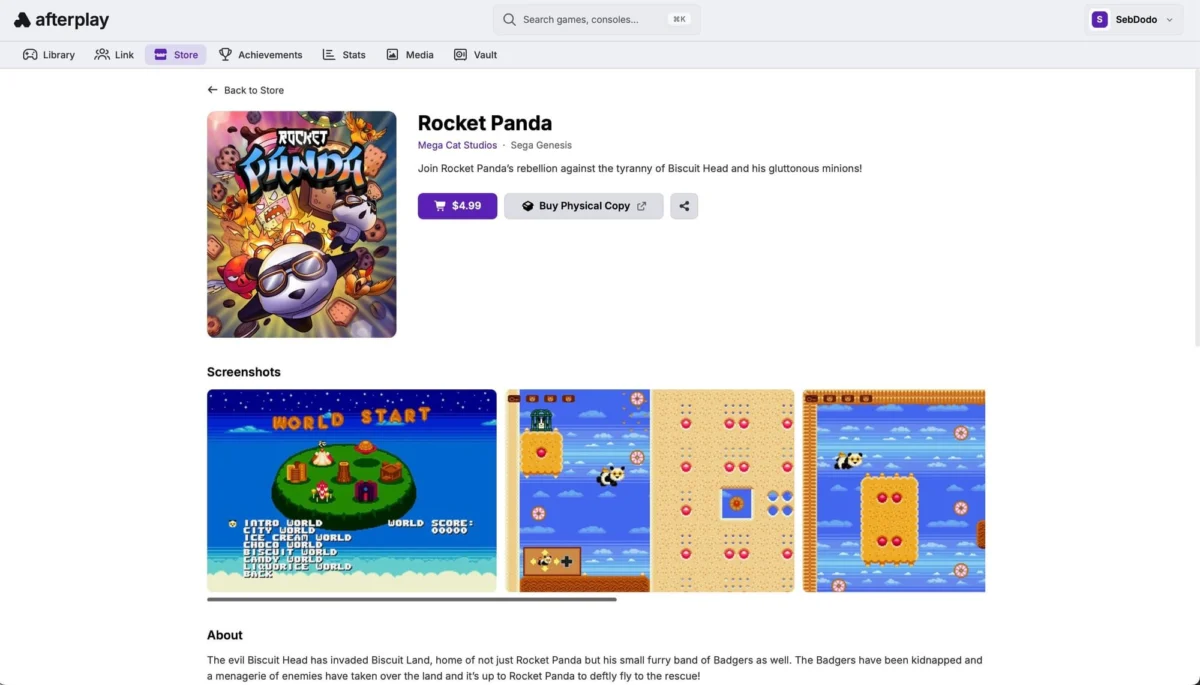
The landscape of retro gaming emulation has been significantly reshaped with the recent launch of an integrated in-application store by Afterplay, a platform widely recognized for its sophisticated and user-friendly emulator services. This groundbreaking development, announced on April 16, 2026, allows users to seamlessly purchase and acquire new indie titles directly within the Afterplay desktop application or through its web-based interface. This integration marks a pivotal moment, transforming Afterplay from a mere emulation tool into a burgeoning ecosystem for both classic and contemporary gaming experiences.
A New Era for Indie Retro Titles
Afterplay has long been lauded for its elegant approach to emulation, often compared to a modern reimagining of RetroArch, infused with the refined user experience characteristic of Analogue’s operating system. Its core functionalities include universal access to game libraries and save files from any browser, robust multi-save capabilities, and integrated multiplayer features. The platform’s premium tier further enhances the user experience with advanced options, such as AI-powered game translation for titles originally released in Japanese. However, the introduction of the in-app store represents the most significant evolution to date, promising to democratize access to a new generation of retro-inspired indie games.
The newly launched store initially features a curated selection of titles from prominent indie developers and publishers specializing in retro-style games. Among the highlighted offerings are games from Incube8 Games and Mega Cat Studios, two established names in the independent retro gaming scene. This strategic partnership underscores Afterplay’s commitment to supporting and promoting the vibrant indie development community. Notably, the store also includes a playable demo of "Infinity," a highly anticipated project that has been in development for an extended period. The continued progress and visibility of "Infinity," now being advertised on platforms like Afterplay, signifies ongoing momentum for this long-awaited title.
Bridging the Gap Between Classic and Contemporary
Beyond established indie studios, the Afterplay store is also showcasing titles from more niche and community-driven initiatives. This includes GBA Jam games, such as "Discrete Orange," a testament to the platform’s dedication to fostering homebrew development for classic consoles like the Game Boy Advance. Furthermore, the store is expanding its library to include new releases for the Sega Genesis and Game Boy Color, catering to a broad spectrum of retro gaming enthusiasts.
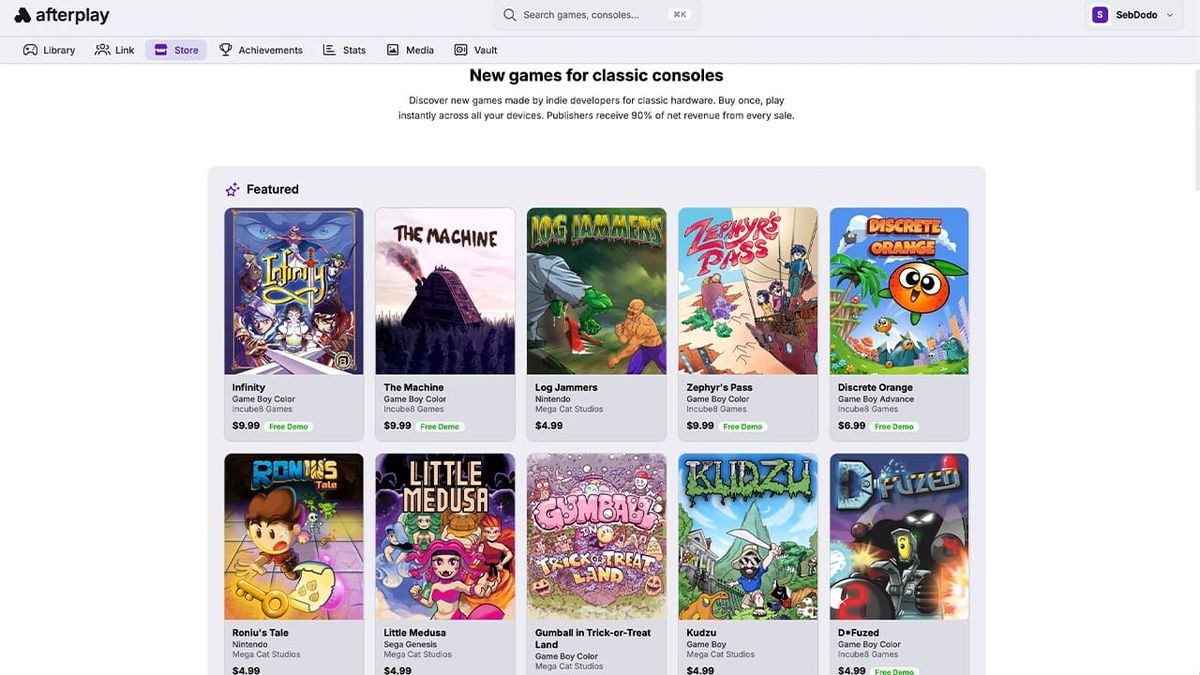
This approach draws parallels with initiatives like ModRetro’s efforts to bring new content to their Chromatic console. However, Afterplay’s integrated store offers a more comprehensive solution by providing immediate access to a diverse range of new games for multiple platforms, all within a single, unified digital marketplace. This consolidation streamlines the discovery and acquisition process for players eager to explore the latest offerings in the retro gaming sphere.
The Afterplay Ecosystem: Beyond Emulation
The core strength of Afterplay lies in its ability to aggregate and present gaming experiences in a highly accessible manner. By enabling users to store and access their game libraries and save files remotely via the cloud, the platform effectively breaks down the traditional barriers associated with physical media and dedicated hardware. This cloud-centric approach not only enhances convenience but also fosters a sense of ownership and permanence for digital game collections, regardless of the underlying hardware.
The introduction of the store further solidifies this ecosystem by providing a direct channel for content creators to reach a dedicated audience of retro gaming aficionados. This symbiotic relationship is crucial for the sustained growth of both Afterplay and the indie developers it supports. The platform’s forward-thinking design, which integrates emulation, cloud storage, and now, a digital storefront, positions it as a central hub for the modern retro gaming enthusiast.
Technical Underpinnings and User Experience
Afterplay’s technical architecture is built upon a foundation of robust emulation software and sophisticated cloud infrastructure. The desktop application and browser interface are designed for intuitive navigation, allowing users to effortlessly browse the store, manage their game libraries, and launch titles. The seamless integration of emulators for various consoles ensures that purchased games can be played immediately, without the need for complex setup procedures or manual file management.
The platform’s commitment to user experience is evident in its clean interface and responsive design. Whether accessed on a desktop computer or through a mobile browser, Afterplay strives to provide a consistent and enjoyable gaming environment. The ability to purchase physical copies of select titles, where available, further bridges the gap between digital and physical gaming, catering to collectors and enthusiasts who appreciate tangible gaming artifacts.

Developer Perspectives and Market Implications
The integration of an indie game store within an emulation platform like Afterplay has significant implications for game developers. For independent studios, gaining visibility and a direct sales channel within a highly engaged retro gaming community can be a game-changer. This model offers an alternative to traditional distribution platforms, which can be saturated and may impose significant revenue sharing fees.
Incube8 Games, a publisher known for its commitment to releasing new titles on classic hardware, has expressed enthusiasm for the partnership. A spokesperson for Incube8 Games stated, "Afterplay’s innovative approach to emulation provides an ideal environment for our games to reach a wider audience. The integrated store simplifies the purchasing process for players and allows us to focus on creating compelling retro experiences, knowing that our titles will be readily accessible and playable."
Mega Cat Studios, another key player in the indie retro scene, echoed these sentiments. "We believe Afterplay is at the forefront of the modern retro gaming movement," said a representative from Mega Cat Studios. "Their platform offers a unique blend of accessibility and functionality, and the addition of a dedicated store will undoubtedly empower more players to discover and enjoy the games we are passionate about developing."
The availability of a demo for "Infinity" is particularly noteworthy. This strategic decision allows players to sample the game before committing to a purchase, a common practice in the gaming industry that can significantly boost engagement and sales. The fact that a project with such a long development cycle is being showcased and supported in this manner speaks to the evolving dynamics of game development and distribution in the retro gaming niche.
The Future of Retro Gaming Distribution
The launch of the Afterplay store represents a significant shift in how retro-inspired games are distributed and consumed. By consolidating emulation and digital storefront functionalities, Afterplay is creating a self-contained ecosystem that benefits both players and developers. This model has the potential to foster further innovation within the indie retro gaming scene, encouraging more developers to create new titles for classic platforms.
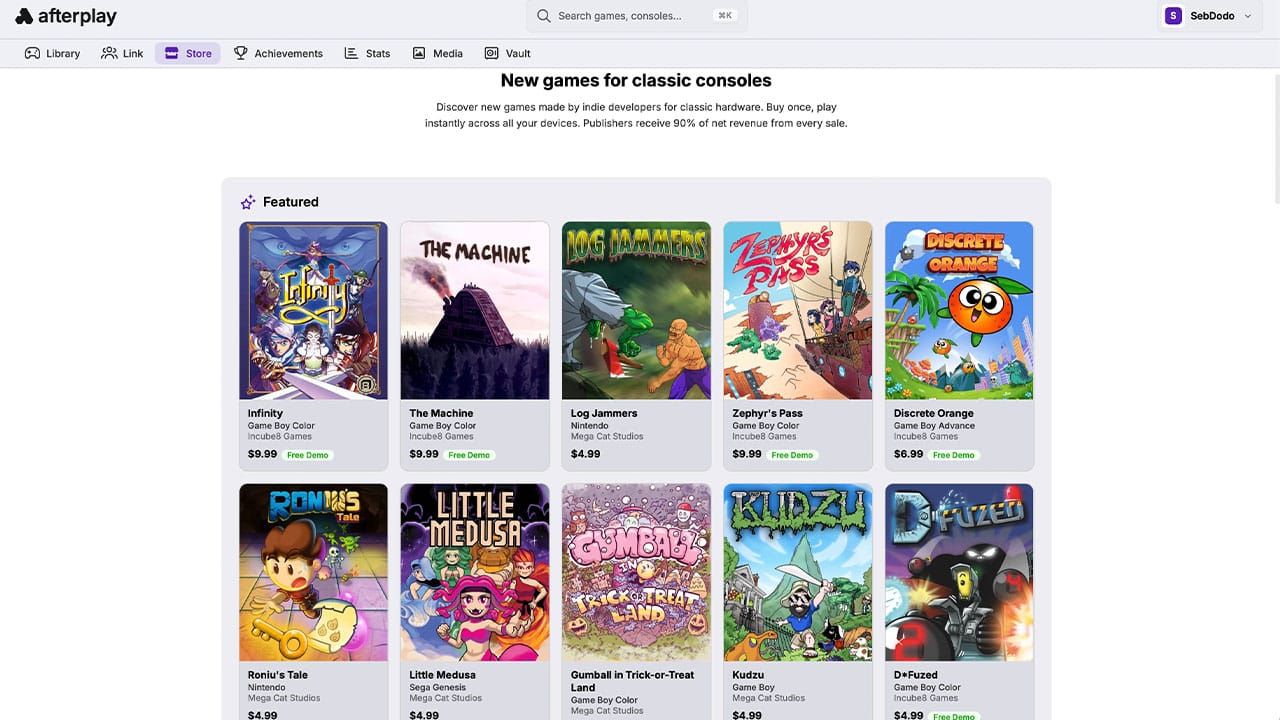
The platform’s ongoing commitment to expanding its library with more titles and studios suggests a long-term vision for sustained growth. As more developers embrace this integrated approach, players can anticipate an even richer and more diverse selection of retro gaming experiences to discover and enjoy. The ability to build a curated collection of these titles, accessible from anywhere via the cloud, underscores the convenience and appeal of Afterplay’s evolving platform.
Broader Impact and Analysis
The implications of Afterplay’s integrated store extend beyond the immediate retro gaming community. It highlights a broader trend in the digital distribution of content, where platforms are increasingly seeking to provide comprehensive user experiences that encompass content creation, curation, and consumption. By offering a unified solution for accessing both emulation and new game purchases, Afterplay is setting a precedent for how niche gaming communities can be effectively served and nurtured.
The success of this model could inspire similar initiatives in other retro gaming communities or even in adjacent digital content sectors. The emphasis on supporting independent creators and providing them with direct access to their target audience is a sustainable and ethical approach to content distribution in the digital age.
Furthermore, the inclusion of features like AI-powered translation, while still subject to ongoing refinement, points towards a future where technological advancements are leveraged to enhance the accessibility of games across different linguistic barriers. This commitment to inclusivity and innovation further solidifies Afterplay’s position as a leader in the retro gaming space.
For enthusiasts looking to explore the latest offerings in retro-inspired gaming, the Afterplay store presents an unparalleled opportunity. By visiting Afterplay.io, users can begin building a digital library that is both extensive and easily accessible, marking a new chapter in the enduring appeal of classic gaming aesthetics and mechanics. The platform’s commitment to future expansion, with promises of more titles and studios joining its ranks, suggests that this is just the beginning of a significant transformation in the way retro gaming content is discovered, purchased, and enjoyed.