Farhan hamdan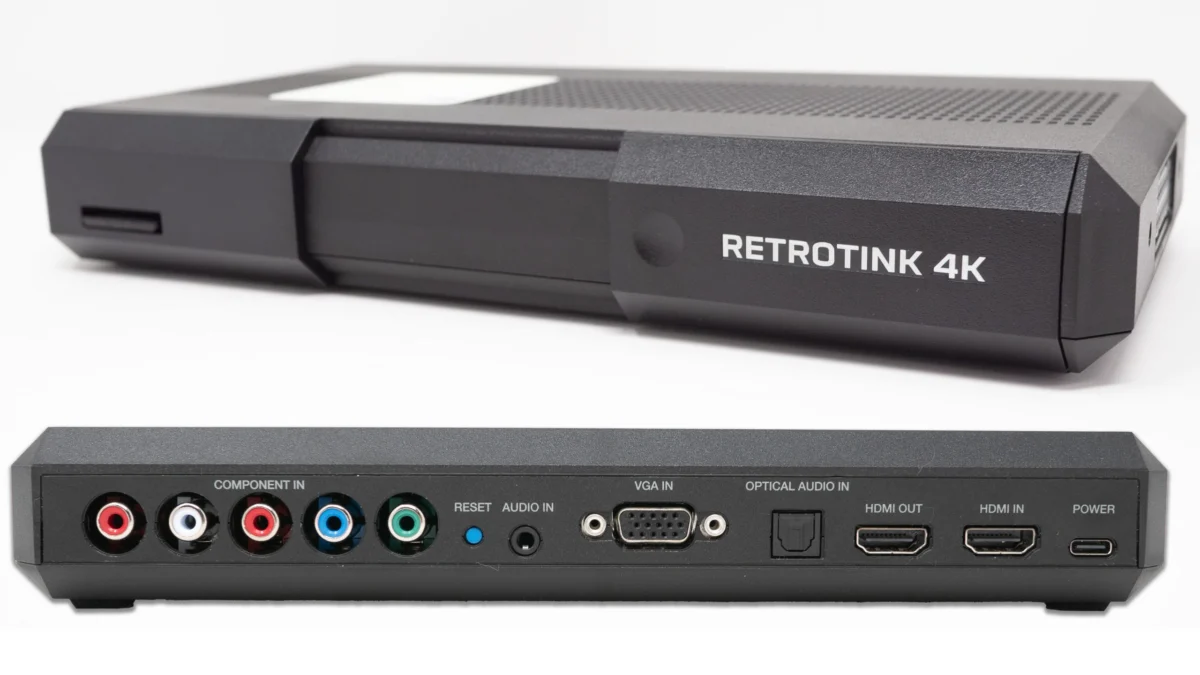
Mike Chi, the acclaimed developer behind the RetroTINK line of video upscalers, has officially released firmware version 1.56.0 for the RetroTINK 4K, introducing a suite of significant upgrades poised to enhance the user experience and expand the device’s capabilities for retro gaming enthusiasts. Foremost among these advancements is the implementation of automatic phase alignment for the RetroTINK 4K CE (Community Edition) model, a feature previously exclusive to the higher-tier RetroTINK 4K Pro. This crucial update democratizes access to pixel-perfect output, significantly simplifying the setup process for a broader segment of the user base. Concurrently, the new firmware streamlines the integration of Lumacode, a specialized video modification offering enhanced picture clarity for select retro consoles, with dedicated profiles now available for popular systems like the Nintendo Entertainment System (NES).
Democratizing Pixel-Perfect Output: Automatic Phase Alignment for RetroTINK 4K CE
The most impactful feature of firmware 1.56.0 for many users is the extension of continuous automatic phase alignment to the RetroTINK 4K CE. Prior to this update, CE users often had to manually adjust video phase settings to achieve optimal picture quality, a process that could be intricate and time-consuming. Phase alignment refers to the precise timing of pixel sampling within an analog video signal. Imperfect phase can lead to various visual artifacts, including blurring, shimmering, and color smearing, detracting significantly from the intended visual fidelity of classic games. The RetroTINK 4K Pro already boasted this automatic capability, which intelligently detects and corrects phase discrepancies in real-time, ensuring that each pixel from the source console is sampled at its exact center.
With this update, CE users can now enjoy the same "load a profile and play" simplicity. This means that once a suitable profile is selected for a given console and game, the RetroTINK 4K CE will automatically handle the intricate phase adjustments, presenting a pristine, stable image on modern 4K displays. This represents a substantial leap in user convenience, particularly for those less technically inclined or new to the complexities of retro video signal processing. The reduction of technical barriers is a cornerstone of Mike Chi’s development philosophy, aiming to make high-quality retro gaming accessible to as many enthusiasts as possible. This move effectively bridges a significant feature gap between the CE and Pro models, reinforcing the RetroTINK 4K as a leading solution for retro video upscaling across its product line.
Streamlined Lumacode Integration: A New Era for NES Video Quality
Beyond phase alignment, firmware 1.56.0 also introduces significant enhancements for Lumacode integration. Lumacode is an advanced video modification technique that allows certain retro consoles, when appropriately modified, to output a cleaner, more detailed luminance (brightness) signal. This method bypasses some of the inherent limitations of traditional composite, S-Video, or even RGB outputs from older consoles, particularly those like the NES that originally relied on more rudimentary video circuitry. By providing a dedicated, clean luminance signal, Lumacode aims to deliver a picture quality that closely rivals, and in some aspects surpasses, the clarity of modern digital video outputs, often described as "HDMI-like quality" for retro systems.
The new firmware makes utilizing Lumacode remarkably straightforward, particularly for the NES. A pre-configured Lumacode profile specifically designed for the NES is now included in a dedicated zip file, which users can easily extract to the root of their RetroTINK 4K’s SD card. This profile automates the complex settings required for optimal Lumacode reception and processing. Users with a Lumacode-modded NES simply need to connect their console to the green RCA jack (or the green pin on a VGA or SCART input, as the RetroTINK 4K is versatile in accepting Lumacode on any "Green" input), load the provided profile, and begin playing. The system is designed to automatically sync with the Lumacode signal, potentially taking a few seconds, especially when loading custom palette profiles. This "plug it in, load the profile, and start playing" approach epitomizes the user-friendly design ethos of the RetroTINK 4K.
The importance of the Lumacode folder is also highlighted. While firmware v1.51.0 initially included this folder, subsequent experimental firmware versions did not. The new zip file ensures that the necessary Lumacode folder and its associated profiles are readily available, eliminating any potential setup hurdles. This attention to detail underscores the commitment to a seamless user experience.
Background: The RetroTINK 4K and the Pursuit of Retro Video Perfection
The RetroTINK 4K, since its inception, has been hailed as a groundbreaking device in the retro gaming community. Developed by Mike Chi, a figure renowned for his innovative solutions in video signal processing, the RetroTINK 4K is designed to take analog video signals from classic game consoles and upscale them to modern 4K resolutions, making them compatible with contemporary displays. Unlike simpler upscalers, the RetroTINK 4K offers unparalleled control over image processing, including advanced scaling algorithms, precise timing adjustments, and extensive customization options through profiles. Its goal is not just to display retro games on modern TVs but to do so with the highest possible fidelity, preserving the original artistic intent while eliminating common issues like input lag, aspect ratio distortion, and poor image quality.
The continuous development of the RetroTINK 4K, evidenced by successive firmware updates like 1.56.0, reflects an ongoing commitment to refining this experience. Each update typically addresses bugs, introduces new features, and enhances compatibility with a wider array of consoles and display technologies. The addition of automatic phase alignment to the CE model, for instance, is a direct response to community feedback and the desire to standardize high-quality output across the product line. Similarly, the enhanced Lumacode support aligns with the growing trend within the retro modding community to extract the cleanest possible video signals from vintage hardware.
Understanding Lumacode: A Technical Overview
Lumacode represents a sophisticated approach to enhancing retro video output. In standard composite video, luminance (brightness and detail) and chrominance (color) information are combined into a single signal, leading to inherent compromises such as color bleeding and dot crawl. Even S-Video and early RGB signals, while superior, can sometimes suffer from limitations of the console’s original video encoder or signal path.

Lumacode works by isolating a very clean, high-bandwidth luminance signal directly from the console’s video processing unit (PPU) or a modified video encoder, bypassing the standard composite or S-Video circuitry. This clean luminance signal is then typically fed into a separate input on a device like the RetroTINK 4K, which can then reconstruct the full video image using this superior brightness information alongside a separate, usually less problematic, chrominance signal (often derived from composite or S-Video itself, but with the critical luminance component replaced). The result is a dramatically sharper image with significantly reduced artifacts, akin to the clarity seen in modern digital interfaces.
The NES is a prime candidate for Lumacode modification due to its notoriously poor native video output. While mods like NESRGB provide excellent RGB output, Lumacode offers an alternative or complementary path, especially appealing for those seeking an uncompromised luminance signal. The precision required for Lumacode integration, both at the console modification level and the scaler processing level, makes the RetroTINK 4K’s dedicated support and simplified profiles particularly valuable.
Beyond NES: Expanding Lumacode Support
While the initial focus of the Lumacode integration in firmware 1.56.0 is on the NES, the underlying framework is designed for broader compatibility. The RetroTINK 4K can accept Lumacode from any "Green" input, whether it’s the RCA jack, the green pin on the VGA connector, or even the green component of a SCART input. This flexibility means that as other consoles are Lumacode-modded and corresponding profiles are developed, integrating them with the RetroTINK 4K will be a relatively straightforward process.
The developer has already indicated plans to extend Lumacode support to other systems, with the Sega Master System being the next console slated for a dedicated profile. The setup for other Lumacode-modded consoles, while not as fully automated as the NES profile initially, is still designed to be user-friendly. Users would set their input, navigate to Advanced Settings and Sample Rate Detection in the RetroTINK 4K menu, enable the Lumacode option, and then load the appropriate preset profile for their console from the available list. This methodical approach ensures that as the Lumacode ecosystem expands, the RetroTINK 4K remains at the forefront of supporting these advanced video modifications.
Community Engagement and the Importance of Proper Setup
The development of these features is deeply intertwined with community engagement. The creator of the firmware actively participates in livestreams and discussions, demonstrating installation processes and gathering feedback. A recent livestream, for instance, meticulously detailed the ease of NES Lumacode installation and its performance with both the OSSC (Open Source Scan Converter) and the RetroTINK 4K. During this stream, the developer intentionally used an unshielded cable to illustrate the sensitivity of these high-fidelity devices to signal interference. The key takeaway from this experiment was clear: while the OSSC showed some tolerance, both high-end upscalers truly necessitate properly shielded cables to achieve optimal results. Shielded cables prevent external electromagnetic interference from degrading the delicate analog video signals, which is crucial for maintaining the clarity that Lumacode and the RetroTINK 4K strive to deliver.
The livestream also showcased a "100% #nocutmod" approach to NES Lumacode installation, demonstrating how the modification could be implemented without altering the console’s original casing or functionality. This includes routing cables through existing openings like the RF hole and utilizing internal structures for strain relief, ensuring the mod is completely reversible and preserves the console’s original aesthetics and composite/RF outputs. Such attention to detail in modding techniques underscores the dedication within the retro community to both enhancing performance and preserving historical hardware.
Installation and Resources
For users eager to implement these new features, the firmware update and associated files are readily available. The primary download link for the firmware is provided, alongside links to purchase RetroTINK products for those new to the ecosystem. Crucially, the Lumacode Profile & Folder zip file is essential for enabling the streamlined Lumacode experience, particularly for the NES. Additionally, an updated VHS Pack / Modelines zip is available, indicating ongoing refinement of other features and capabilities within the RetroTINK 4K.
The installation process typically involves downloading the latest firmware to the root of an SD card, ensuring the Lumacode zip file is also extracted to the SD card’s root, and then updating the RetroTINK 4K as per standard instructions. This straightforward process ensures that users can quickly benefit from the latest enhancements.
Broader Implications for Retro Gaming Preservation and Experience
The release of RetroTINK 4K firmware 1.56.0 represents more than just a routine update; it signifies a continued push towards the ultimate retro gaming experience. By making advanced features like automatic phase alignment universally accessible across its 4K lineup and simplifying complex video modifications like Lumacode, Mike Chi and the RetroTINK platform are setting new benchmarks for quality, ease of use, and hardware preservation.
These advancements empower enthusiasts to enjoy classic games with unprecedented clarity and stability on modern displays, bridging the technological gap between vintage hardware and contemporary home entertainment systems. This commitment to fidelity not only enhances the enjoyment of retro gaming but also contributes significantly to the broader movement of video game preservation, ensuring that the visual artistry of these foundational titles can be experienced as faithfully as possible for generations to come. The ongoing innovation in devices like the RetroTINK 4K, coupled with community-driven modifications like Lumacode, ensures a vibrant and evolving landscape for retro gaming, continually redefining what is possible in the realm of classic console display.