
 Hartono Sudibyo
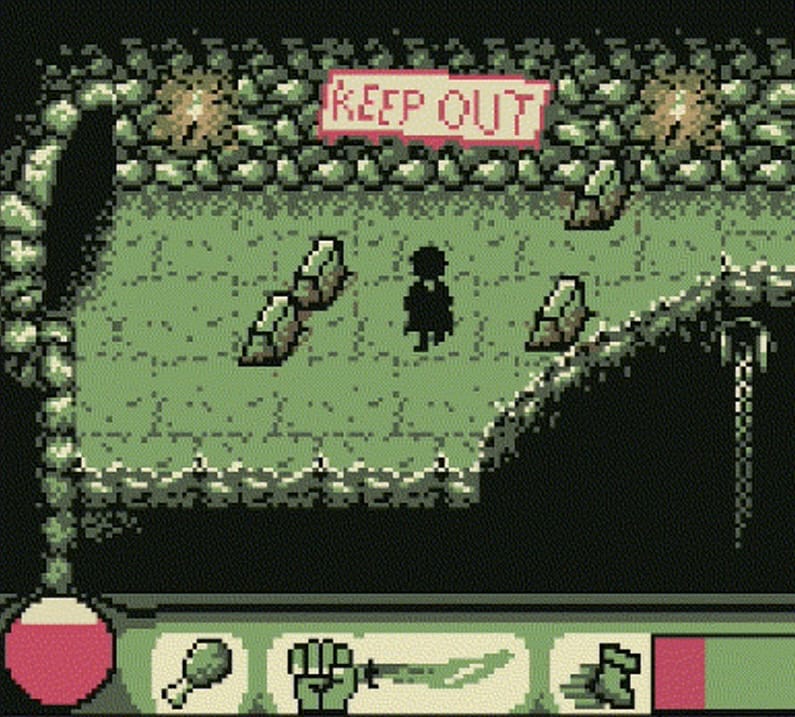
The landscape of retro gaming continues to thrive, driven by a passionate community and innovative creators who refuse to let iconic hardware fade into obsolescence. A testament to this enduring spirit is the emergence of "Stains of Decay," a new role-playing game (RPG) designed specifically for the original Nintendo Game Boy. Developed by Cestmir Kocian of Game Brewery, this title promises an "unforgiving and stamina-driven" experience, aiming to capture the essence of challenging, thought-provoking gameplay within the limitations of the beloved 1989 handheld.
The announcement of "Stains of Decay" arrives via a Kickstarter campaign, a platform that has become instrumental in the revival and creation of retro-style games. This trend signifies a broader resurgence of interest in classic gaming hardware, with collectors and players alike seeking authentic experiences on original consoles. The appeal lies not just in nostalgia, but in the unique technical constraints and design philosophies that defined an era of game development.
A New Challenge for a Classic Platform
"Stains of Decay" positions itself as a departure from typical RPG conventions. Cestmir Kocian describes the game as deliberately lacking in modern conveniences such as in-game maps or quest markers. This design choice forces players to rely on environmental observation and deduction, a stark contrast to the hand-holding often found in contemporary titles. The developer has drawn parallels to the challenging nature of games like "Dark Souls" and "Returnal," albeit translated to the monochrome, 8-bit world of the Game Boy.

The core premise of "Stains of Decay" is rooted in a post-apocalyptic setting. According to the Kickstarter campaign, the world has already ended, and players navigate a decaying environment where survival is not guaranteed. A particularly intriguing aspect highlighted by the developer is the observation that "the survivors you find aren’t hiding from monsters." This suggests a complex narrative where the true threats might be more nuanced and human, or perhaps the decay itself is the primary antagonist.
The narrative prompts deep questions about the player’s role within this desolate world. Are players an anti-hero, a villain, or an unwitting participant in the world’s demise? This ambiguity is a key element designed to draw players in, fostering a sense of mystery and driving them to uncover the truth behind the pervasive decay. Such narrative depth, combined with challenging gameplay mechanics, has the potential to create a memorable and impactful experience on a platform often associated with simpler fare.
Gameplay Mechanics: Stamina, Observation, and Pattern Recognition
The "stamina-driven" aspect of "Stains of Decay" implies a resource management component that will be crucial for player progression. This could translate to mechanics where actions, combat, or even exploration deplete a stamina bar, requiring careful planning and strategic pauses. Such a system would add a layer of tension and consequence to every decision made by the player.
Combat is described as brutal, with a focus on learning enemy patterns. Each foe will present a unique challenge, requiring players to observe their movements, attacks, and vulnerabilities to achieve victory. This emphasis on pattern recognition is a hallmark of classic arcade and console games, demanding player skill and attentiveness rather than relying on overwhelming statistical advantages. Mastering these patterns will be essential for delving into dangerous dungeons and facing powerful guardians.

The absence of a map and guidance means players must actively engage with the environment. Understanding the world’s layout, identifying points of interest, and remembering routes will become paramount. This approach not only enhances the sense of isolation and challenge but also encourages a deeper connection with the game’s world, fostering a sense of accomplishment upon overcoming obstacles through personal discovery.
The Kickstarter Campaign and the Future of Game Boy Development
The Kickstarter campaign for "Stains of Decay" serves as a crucial funding mechanism and a gauge of community interest. Platforms like Kickstarter have democratized game development, allowing independent creators to bypass traditional publishing gatekeepers and connect directly with their audience. Successful campaigns provide not only financial backing but also invaluable market validation.
While "Stains of Decay" is slated for a Game Boy release, it is also planned for a Steam release. This dual-platform strategy allows the game to reach a wider audience, catering to both retro enthusiasts and modern PC gamers who appreciate retro-inspired experiences. However, the developer’s emphasis on the Game Boy version underscores the project’s core identity and its commitment to the unique charm of the original hardware.
The development of new cartridges for the Game Boy has seen a notable increase in recent years. Companies and individuals are creating new games, homebrew titles, and even ports of existing games to the platform. This phenomenon is driven by several factors:

- Nostalgia and Retro Appeal: A significant portion of the gaming public has fond memories of the Game Boy and its library. The demand for new content on this hardware taps into that emotional connection.
- Technical Challenge and Creativity: Developing for the Game Boy’s limited hardware (8-bit processor, 160×144 resolution, 4-shade grayscale palette) presents a unique creative challenge. Developers must be ingenious with their programming and design to create compelling experiences.
- Collector Market: The Game Boy is a highly collectible item. New, officially produced cartridges for the system can attract collectors seeking to expand their libraries with contemporary releases for vintage hardware.
- Affordability and Accessibility: Compared to modern consoles, the Game Boy and its games are relatively affordable, making it an accessible entry point for many players interested in retro gaming.
The success of such Kickstarter campaigns directly influences the viability of future Game Boy projects. A strong showing for "Stains of Decay" could encourage other developers to invest time and resources into creating new content for the platform, further solidifying its place in the contemporary gaming scene.
Background and Context: The Enduring Legacy of the Game Boy
Launched by Nintendo in 1989, the Game Boy revolutionized portable gaming. Its durable design, long battery life, and accessible library of games made it a global phenomenon, selling over 118 million units worldwide. Iconic titles like "Tetris," "Super Mario Land," and "Pokémon Red/Blue" became cultural touchstones, defining a generation’s gaming experiences.
The Game Boy’s technical specifications, while primitive by today’s standards, were a significant achievement for its time. Its Z80-based processor, limited RAM, and monochrome display presented developers with constraints that fostered creativity and ingenuity. The need to convey complex gameplay and narratives through simple graphics and sound pushed the boundaries of what was thought possible on a portable device.
Despite the advent of more powerful handheld consoles, including Nintendo’s own Game Boy Color, Game Boy Advance, Nintendo DS, and Nintendo Switch, the original Game Boy continues to hold a special place in the hearts of many. This enduring affection is a primary driver behind the recent surge in new Game Boy game development.
Official Statements and Developer Vision
Cestmir Kocian, the creator behind "Stains of Decay," has expressed a clear vision for the game. His passion for the Game Boy platform and his desire to create a truly challenging and narrative-rich experience are evident in the project’s description. While direct quotes from Kocian beyond the initial announcement are limited in the provided context, his commitment to the "unforgiving" nature of the game and its deep narrative suggests a developer focused on player engagement and intellectual challenge.
The mention of "Game Brewery" as the development studio indicates a professional approach to game creation, even within the niche of retro hardware development. This suggests a commitment to quality and polish, aiming to deliver a product that meets the expectations of both retro enthusiasts and fans of challenging RPGs.
Broader Impact and Implications
The emergence of "Stains of Decay" and similar projects has several broader implications for the gaming industry and culture:
- Sustainability of Retro Gaming: Continued development for older hardware demonstrates that the retro gaming market is not just about nostalgia but about a viable and active ecosystem. This encourages preservation efforts and the creation of new artifacts for these platforms.
- Innovation within Constraints: The challenges of developing for limited hardware can spur unique forms of innovation. Developers are forced to think creatively about gameplay mechanics, visual design, and narrative delivery, leading to experiences that can be distinct from those found on modern systems.
- Community Engagement: Kickstarter and similar platforms foster a direct relationship between developers and players. This engagement allows for community feedback to shape game development, creating a more collaborative and responsive creation process.
- Defining "Modern Retro": Games like "Stains of Decay" blur the lines between old and new. They leverage the aesthetic and technical limitations of classic hardware while incorporating modern design sensibilities and narrative complexity, offering a fresh perspective on what "retro" can mean.
The success of "Stains of Decay" will likely be closely watched by both the Game Boy community and the broader indie game development scene. Its potential to deliver a compelling, challenging, and narratively rich RPG experience on such an iconic platform could pave the way for further innovation and reignite interest in the unique possibilities offered by vintage gaming hardware. The game stands as a powerful reminder that compelling gameplay and engaging stories are not solely dependent on graphical fidelity but on clever design, thoughtful mechanics, and a deep understanding of the player’s experience.








